

Vintage Bronze Table Light
A vintage bronze table light brings weight and period character to a room, combining metalwork and illumination in forms that span the nineteenth and early twentieth centuries.
Vintage Bronze Table Light
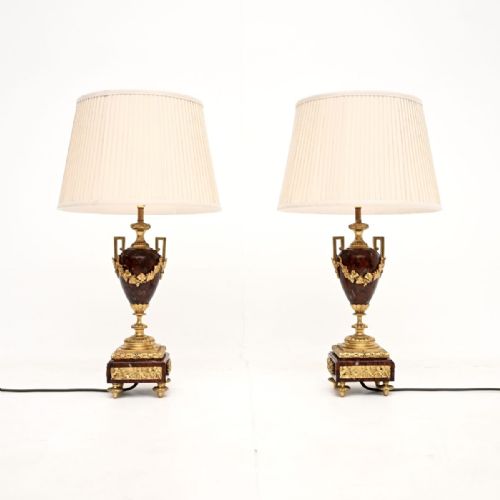
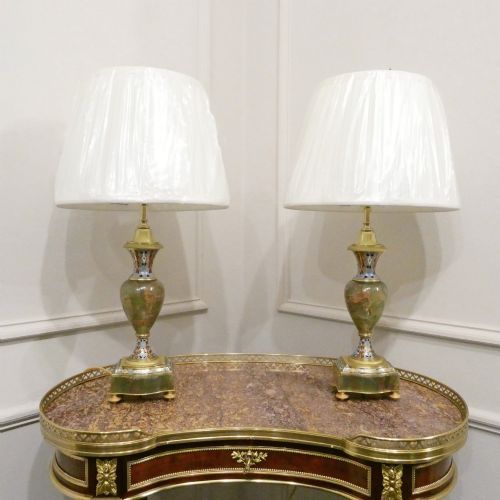
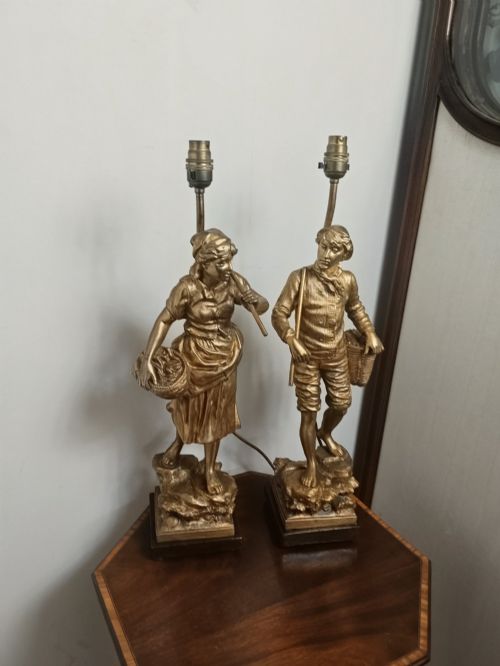
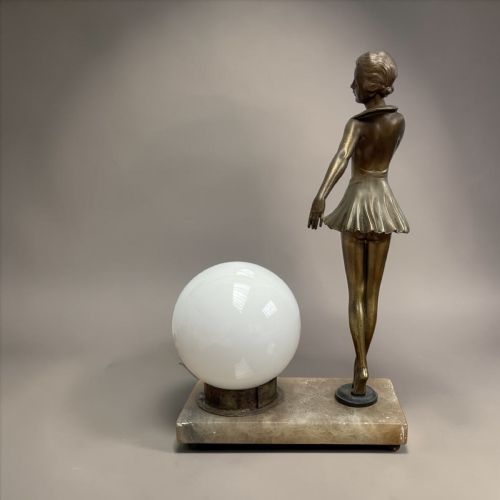
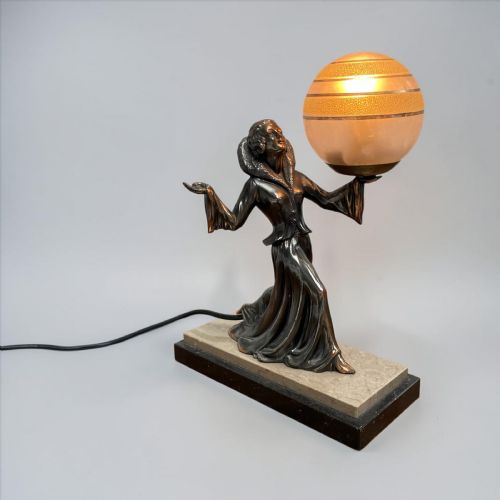
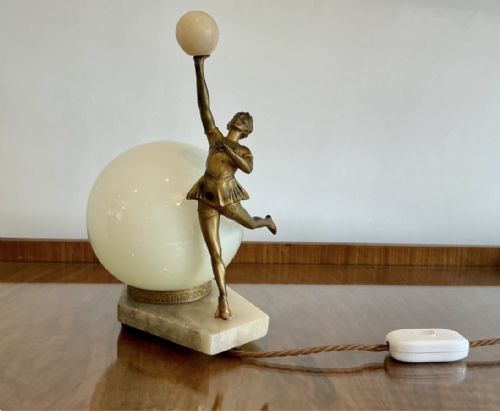
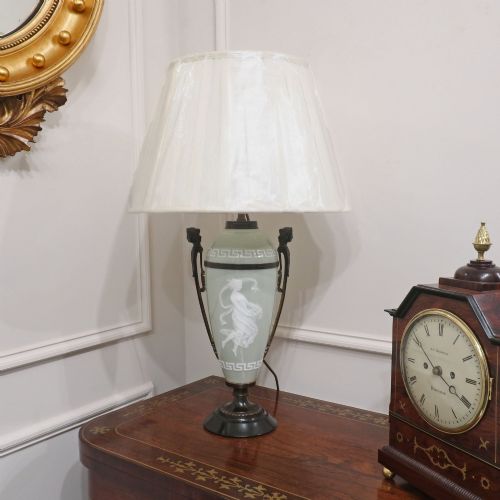
A vintage bronze table light encompasses functional desk lamps, converted candelabra, and decorative figural pieces created across the nineteenth and early twentieth centuries. These items draw on French Neoclassical, Art Deco, and Rococo Revival styles, often incorporating materials such as marble, porcelain, and crystal alongside the primary metal.
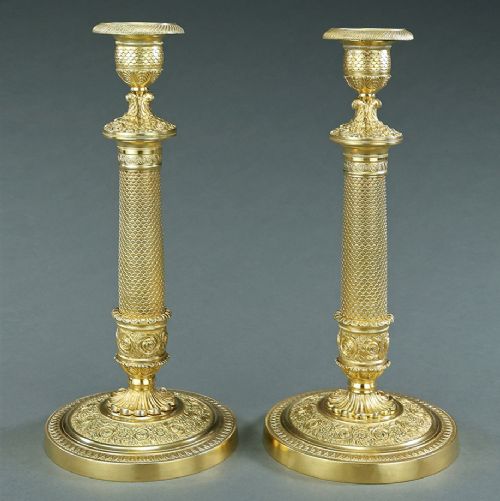
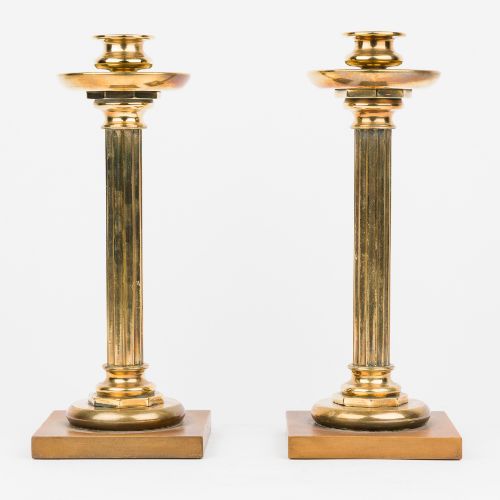
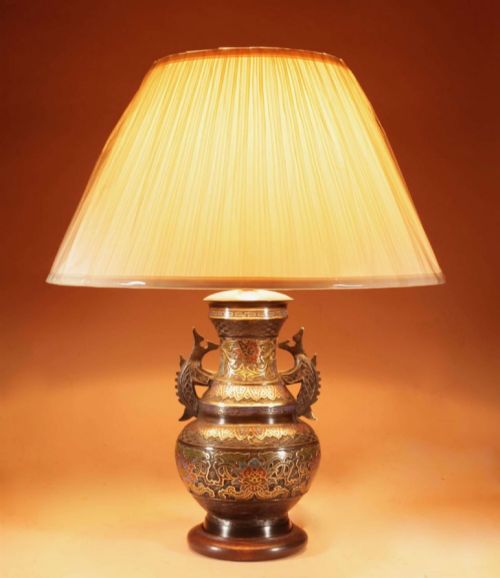
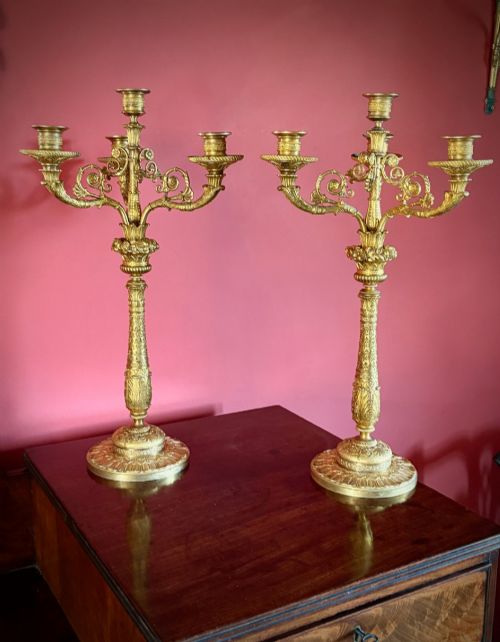
The selections encountered here range from seamed nineteenth-century candlesticks adapted for electric illumination to specific Art Deco lady lamps and Japanese bronze vessels. Makers and workshops from France and England produced many of these examples, employing patinated or gilt finishes to suit domestic interiors.
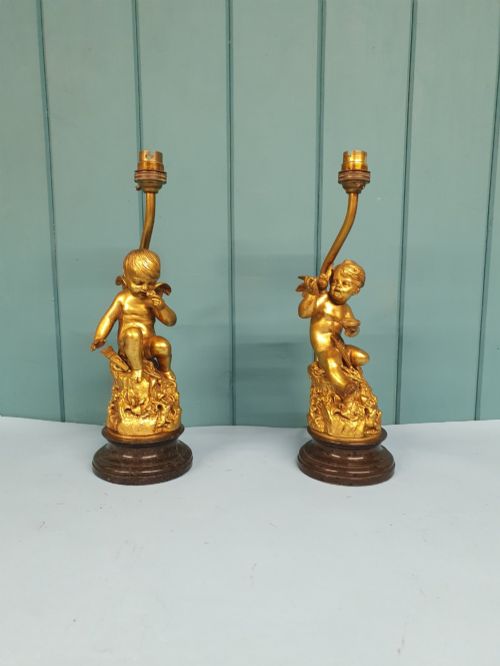
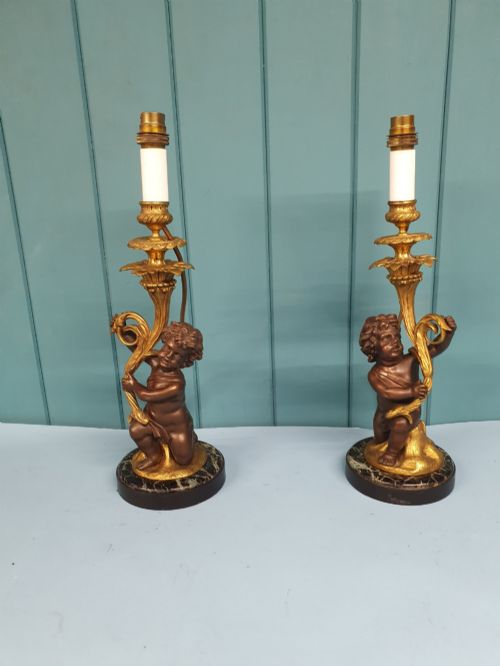
Buyers seeking a vintage bronze table light frequently encounter pairs as well as single items, spanning forms from cherub motifs to architectural urns. The range covers smaller desk accessories alongside substantial candelabra converted for modern living.
Materials and construction
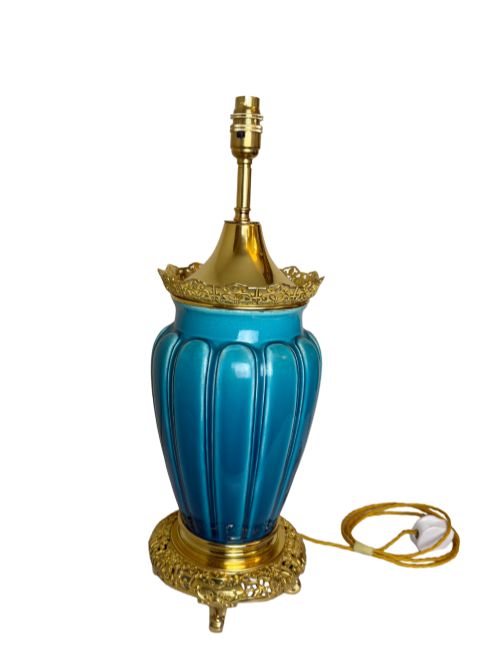
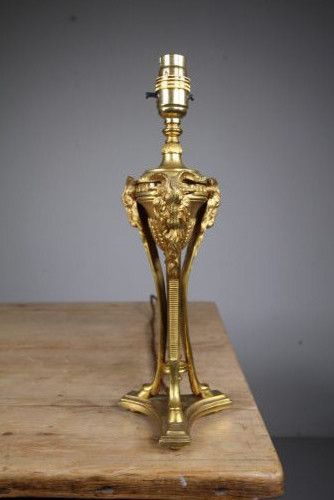
Construction relies on cast bronze, brass, and ormolu, frequently combined with secondary elements like onyx, white marble, and glazed porcelain. Metal components undergo casting, chasing, and application of patination or gilt layers to achieve distinct surface textures and tones.
Decorative detailing incorporates champlevé enamelling, applied porcelain panels, and glass cabochons set directly into the metal framework. Seamed construction techniques appear on nineteenth-century examples, while later twentieth-century pieces utilise streamlined casting methods suited to Art Deco designs.
Dogs, parrots, dolphins, and cherubs share the lighting duties across the decades, proving that historic illumination rarely took itself too seriously.
Assessing quality and execution
Quality rests upon the crispness of the casting and the depth of the chased detail, particularly on figural subjects and floral mounts. Superior examples display carefully finished surfaces where joints are concealed and decorative elements maintain sharp definition.
The integration of secondary materials such as marble bases, porcelain bodies, and crystal drops distinguishes finer pieces from standard production. Well-preserved original patination and mercury gilding indicate higher workshop standards during the manufacturing process.
E Rousseau·Georges Leleu
The Vintage Bronze Table Light Glossary
- Ormolu
- Gilt bronze mounted on decorative objects, created by applying a gold and mercury amalgam to cast bronze. This technique produces a durable golden finish characteristic of French decorative arts.
- Champlevé
- An enamelling technique where troughs or cells are carved into the bronze surface and filled with vitreous enamel before firing. It appears frequently on Japanese and French decorative pieces.
- Patination
- The natural or chemical alteration of the metal surface over time, resulting in varied colour tones and depth. A desirable finish preserves this historical surface without stripping the metal.
- Candelabra
- Branched lighting fixtures designed to hold multiple candles, often converted to electricity in later periods. They form a substantial portion of the grander metalwork seen in these listings.
- Neoclassical
- A design style drawing inspiration from classical antiquity, featuring symmetry, urn motifs, and restrained ornamentation. It dominates many nineteenth-century French lighting forms.
Vintage Bronze Table Light: Frequently Asked Questions
How do I date a bronze table lamp?
Dating relies on stylistic markers such as cast ornament, structural assembly, and material combinations associated with specific periods like the nineteenth century or the Art Deco era. Examining the underside, fixings, and wiring channels provides further clues regarding manufacture.
Changes in manufacturing techniques from seamed construction to later industrial casting methods also help narrow down the production timeframe of an individual piece.
How should I clean bronze and ormolu?
Maintenance requires only gentle dusting with a soft, dry cloth to remove surface particles without disturbing the underlying patination or gilding. Abrasive cleaners and metal polishes must be avoided entirely.
Harsh chemical agents can strip the historic gilt layer or alter the aged surface tone of the bronze, permanently diminishing the character of the object.
What is the difference between bronze and brass?
Bronze is an alloy primarily composed of copper and tin, known for its deep tones and suitability for detailed casting. Brass is an alloy of copper and zinc, typically yielding a brighter golden colour.
In antique lighting, bronze often receives patination or gilt treatments, whereas brass appears frequently in unpainted nineteenth-century candlesticks and hardware.