

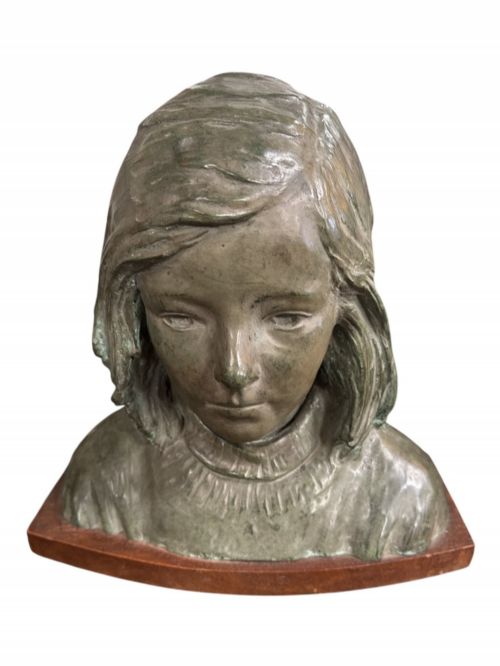


Vintage Bronze Portrait Bust
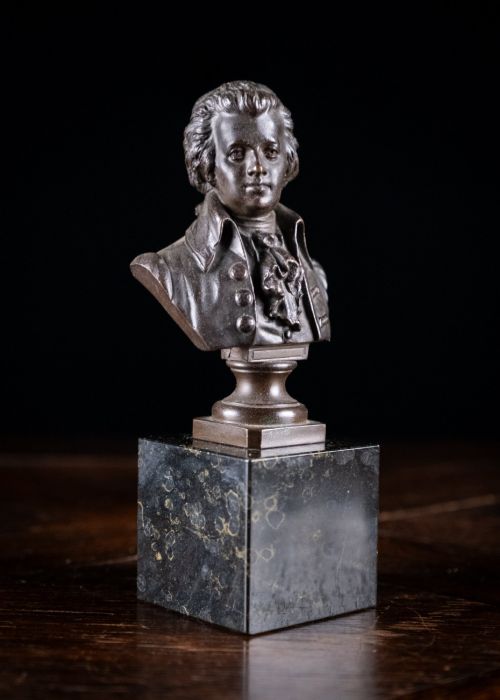
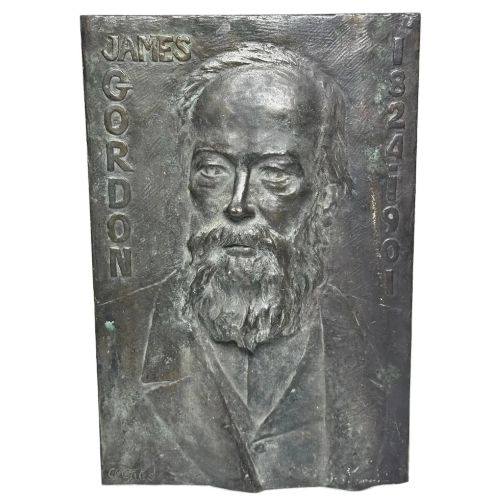
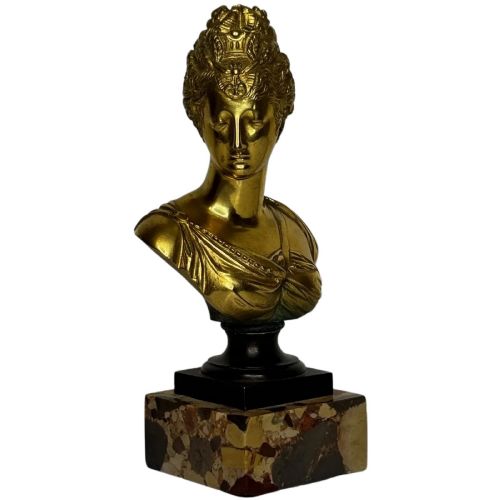
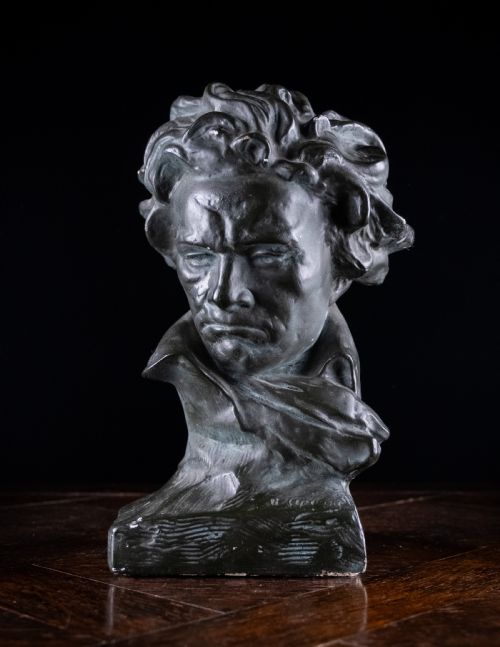
A vintage bronze portrait bust captures a specific human likeness in metal, bringing classical presence and historical character directly into a room.
Vintage Bronze Portrait Bust
When you search for a vintage bronze portrait bust, you examine sculptural likenesses spanning the nineteenth century through the interwar decades. The selection includes individual historical figures, literary icons such as Dante Alighieri and William Shakespeare, and classical subjects derived from antiquity.
Most examples you encounter on this page merge traditional foundry techniques with the aesthetic currents of their respective eras, moving from neoclassical and French Renaissance revival styles towards early twentieth-century art deco expressions. Alongside solid metal castings, related forms appear in painted plaster, terracotta, and bronzed metal.
Beyond standalone desk and mantel sculptures, the category extends to library busts mounted on marble bases and functional items like metal bookends. These varied formats share a focus on facial character and portraiture, whether depicting named historical personalities or anonymous subjects.
What varies in quality
Material integrity and base construction also differentiate the pieces, as heavy marble plinths and refined patination elevate a casting's presence. Finer works demonstrate careful chasing and finishing after the metal leaves the foundry mould.
Vintage Bronze Portrait Bust Retail Price Guide 2026
Typical asking prices for vintage bronze portrait bust among the pieces listed under this phrase on Sellingantiques today, from the lower quarter to the upper quarter. They describe what is for sale here now, not the wider market.
Among the historical emperors and classical philosophers, William Shakespeare appears cast in both heavy bronze and art deco metal bookends.
Georges Charles Coudray·Emmanuel Villanis·Giuseppe Moretti·J C De Blezer
The Vintage Bronze Portrait Bust Glossary
- Bronze
- An alloy of copper and tin traditionally used in sculpture for its strength and ability to hold fine detail. It develops a rich patina over time.
- Patina
- The surface coloration and sheen that forms naturally on metal through age or chemical treatment by the foundry. It enhances the depth of sculptural details.
- Plaster
- A workable mixture used to create detailed portrait casts that are often subsequently painted or bronzed. It offers a direct record of the sculptor's original modeling.
- Terracotta
- Fired clay used for sculptural portraiture, valued for its warm earthy tones and matte surface texture. It requires careful handling due to its brittle nature.
- Plinth
- A heavy block or base, frequently made of marble, supporting the weight of the bust and elevating its presentation.
Vintage Bronze Portrait Bust: Frequently Asked Questions
How do I display a heavy bronze bust safely?
Place the sculpture on a sturdy surface such as a wooden sideboard, a heavy desk, or a dedicated column where its weight is fully supported. Ensure the piece sits away from high-traffic edges to prevent accidental tipping.
Keep the bust out of direct sunlight to protect any painted surfaces or delicate patinations on the metal and surrounding marble plinths.
What is the difference between solid bronze and bronzed metal?
Solid bronze consists of a copper alloy cast through traditional foundry methods, offering substantial weight, durability, and a natural ageing process that deepens its surface character.
Bronzed metal or cast metal pieces use a base metal finished with a surface coating to simulate the appearance and colour of genuine bronze without the same material composition.
Can I identify the subject of an unmarked portrait bust?
Examine the sculpture for any inscribed names, monograms, foundry stamps, or bibliographic clues along the shoulders, base, or rear margins. Costumery, hairstyles, and facial attributes often point towards specific literary figures, historical emperors, or period archetypes.
Comparing the facial structure and clothing style against known nineteenth and twentieth-century portrait traditions helps narrow down the probable identity of the sitter.