





Vintage Bronze Dancer Figure
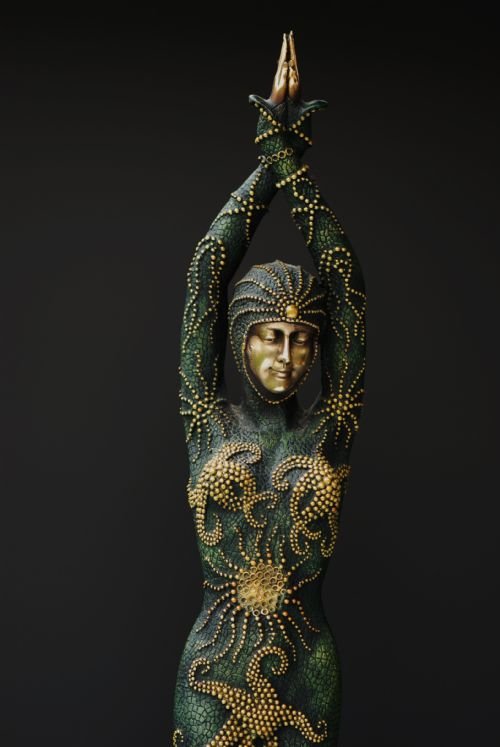
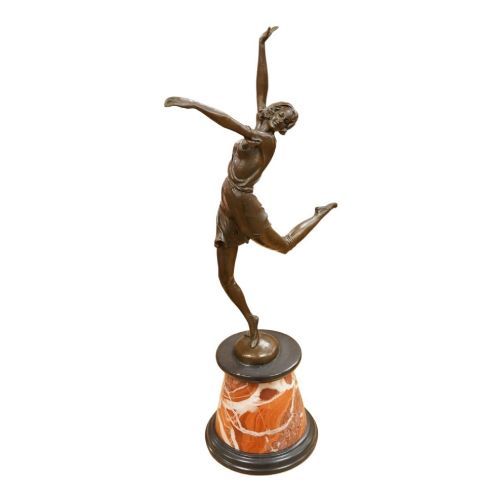
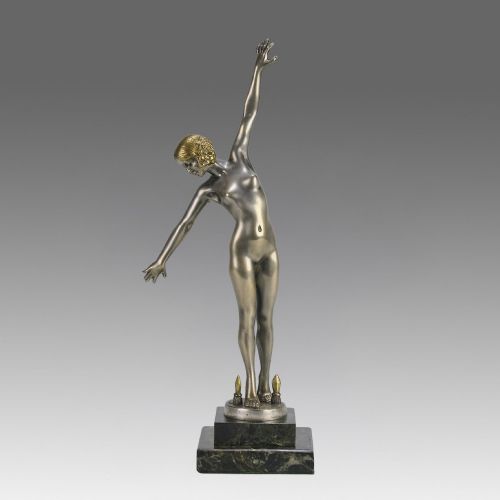
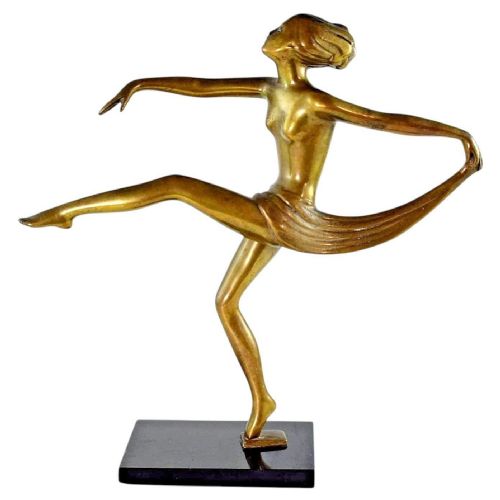
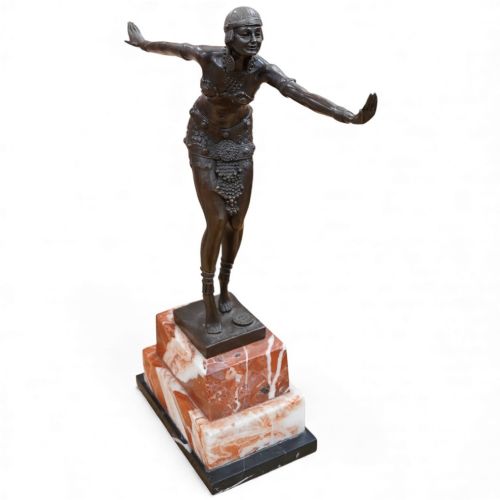
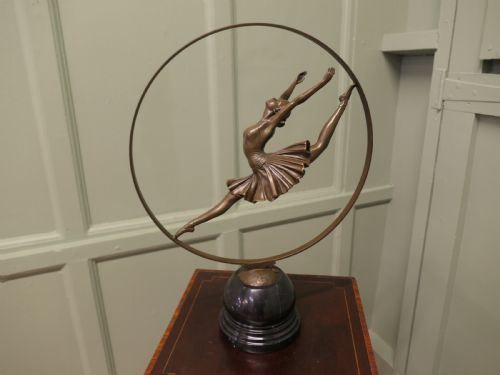
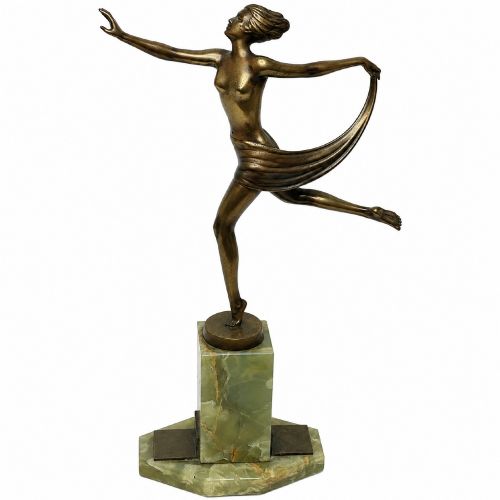
A vintage bronze dancer figure captures the kinetic grace of the early twentieth century, combining metal casting with the distinct geometry of Art Deco.
Vintage Bronze Dancer Figure
A vintage bronze dancer figure represents female motion frozen in metal, heavily rooted in the Art Deco and Art Nouveau movements of the early twentieth century. These sculptures and statuettes frequently depict figures in dynamic poses, balancing on circular or stepped bases.
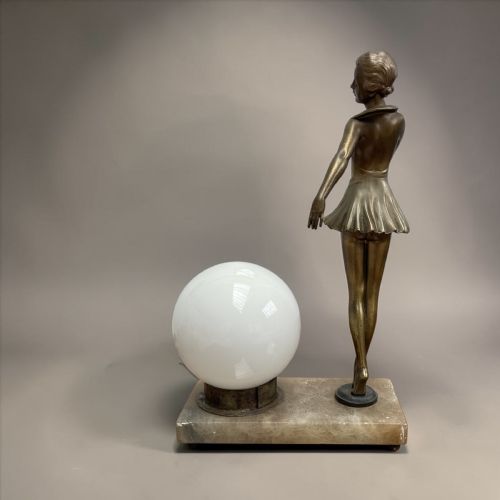
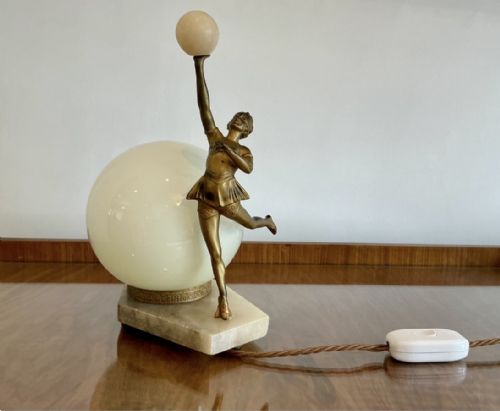
The most common examples encountered on this page date from the 1920s and 1930s, often taking the form of cabinet bronzes, larger gallery pieces, or functional table lamps. Figures frequently incorporate natural stone elements to ground the soaring metal postures of the dancers.
How they were made
Figures were typically produced using traditional metal casting methods, utilising bronze or spelter as the primary structural medium. Molten metal filled intricate moulds to capture flowing garments, elaborate headdresses, and slender limbs.
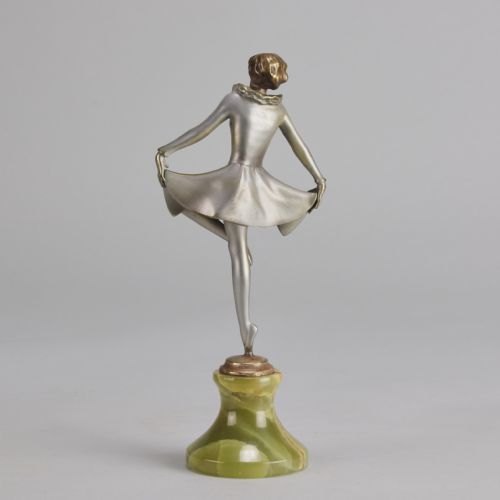
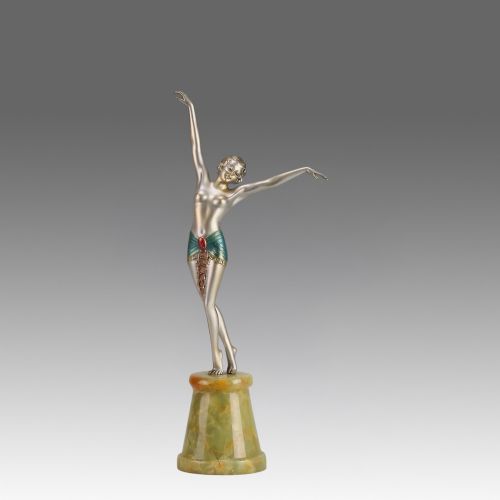
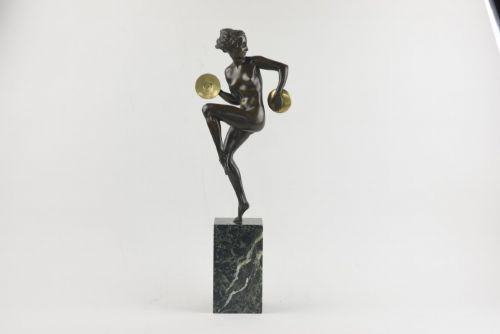
Surface finishing involved cold painting, gilding, or silvering to add colour and texture directly onto the metal. Many of these figures were then mounted onto heavy carved bases made of onyx or marble for stability and visual contrast.
Vintage Bronze Dancer Figure Retail Price Guide 2026
Typical asking prices for vintage bronze dancer figure among the pieces listed under this phrase on Sellingantiques today, from the lower quarter to the upper quarter. They describe what is for sale here now, not the wider market.
Listings feature works spanning the 1900s, 1920s, and 1930s, cast in bronze, spelter, and silvered bronze.
What varies in quality
The choice of base material and the preservation of original cold-painted surfaces heavily influence the overall standard. Greater care in the initial foundry work distinguishes fine artistic bronzes from mass-produced spelter alternatives.
Pierre le Faguays·Josef Lorenzl·C J R Colinet·Demetre H Chiparus·Maurice Guiraud Riviere·Paul Philippe
The Vintage Bronze Dancer Figure Glossary
- Cold-painted bronze
- Bronze that has been painted with oil or enamel colours after casting, rather than patinated with heat and chemicals. This technique allows for vibrant detail on garments and skin.
- Spelter
- A zinc alloy commonly used as a less expensive alternative to bronze during the early twentieth century. It takes fine detail well but is softer and lighter than true bronze.
- Chryselephantine
- A sculpture combining bronze with carved ivory or bone, frequently utilised by Art Deco makers to render the flesh and faces of female figures. This method creates a striking tonal contrast against dark patinated metal.
- Patinated metal
- Metal treated with chemicals and heat to produce a stable surface colour ranging from warm brown to deep black. It protects the underlying material while enhancing sculptural depth.
Vintage Bronze Dancer Figure: Frequently Asked Questions
How should I display a lamp version?
Table lamps featuring a dancer figure require secure placement on a sturdy surface due to the weight of the metal and stone base. Positioning them away from direct sunlight preserves any delicate cold-painted surfaces on the metal.
Ensure electrical components are checked by a professional if the wiring dates to the early twentieth century.
Are these pieces signed by artists?
Many sculptures bear the signature or foundry mark of the artist inscribed directly into the bronze or onto the marble base. Signatures from prominent designers often appear near the feet of the dancer or along the edge of the plinth.
Unsigned examples also exist from the same period, reflecting broader commercial production.
How do I distinguish bronze from spelter?
Bronze is heavier, denser, and develops a warm reddish-brown undertone where wear occurs, whereas spelter is lighter and reveals a greyish metal underneath chipped paint. Spelter is also softer to the touch and less durable than true bronze.
Most high-end figures from this era utilised bronze, while more affordable alternatives relied on spelter.