





Vintage Bronze Bust
These vintage bronze bust pieces bring sculptural presence and historical weight into a room, making them sought after for mantels and libraries.
Vintage Bronze Bust
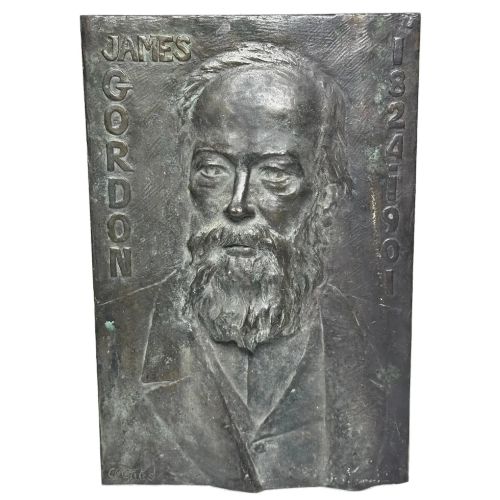
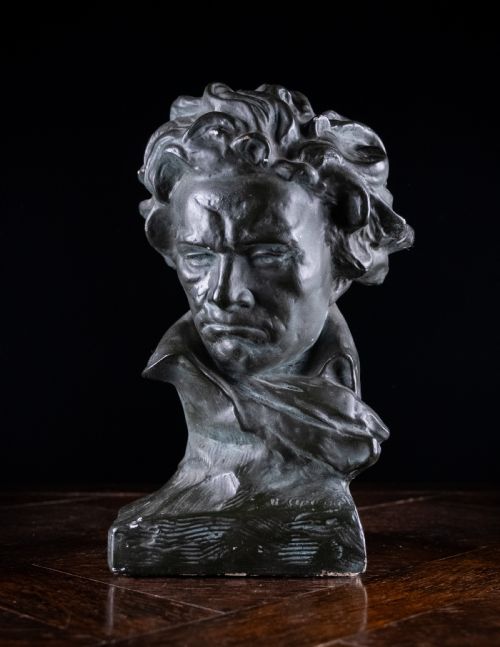
A vintage bronze bust captures human likeness in cast metal, ranging from classical figures to literary icons and historical portraits. These sculptures often combine metalwork with heavy stone or marble bases to anchor the composition.
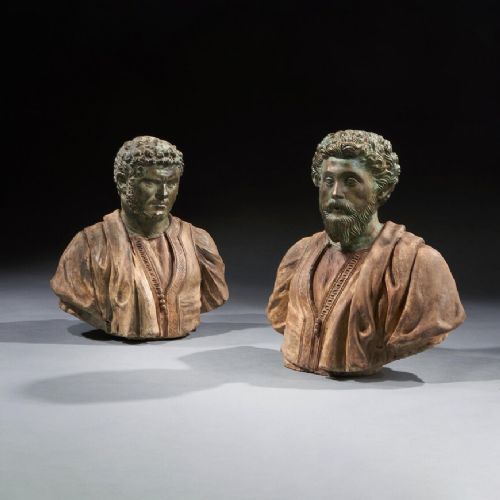
The pieces on this page span the nineteenth and twentieth centuries, reflecting diverse aesthetic movements from neoclassical severity to organic art nouveau curves. Portrait subjects include Roman emperors, musicians, poets, and cultural figures of distinct eras.
Makers utilised various scales, from diminutive cabinet pieces to commanding floor displays and functional items like desk inkwells. Buyers encounter solid metal castings alongside bronzed terracotta, painted plaster, and mixed media compositions.
How they were made
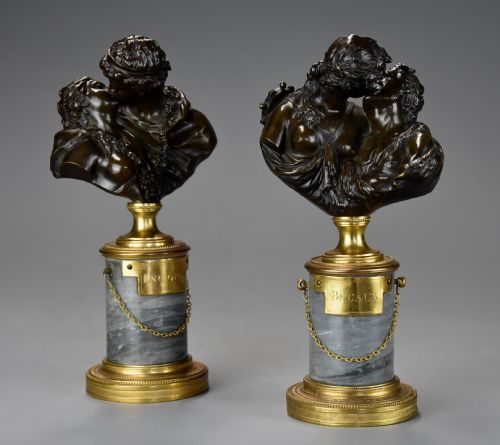
Foundries produced metal sculptures using traditional casting methods, often finishing the surfaces with patination or gilding to enhance depth and contrast. Many works rely on heavy marble plinths or onyx columns to provide structural stability and visual contrast.
Alternative materials such as terracotta and plaster allowed artists to model fine facial expressions directly before firing or casting. Artisans frequently mounted these lighter mediums onto wooden or metal supports to complete the display structure.
Listings feature works spanning the nineteenth century through the 1940s, executed in bronze, marble, terracotta, plaster, and wood across diverse stylistic movements.
What varies in quality
The choice of supporting plinth impacts the overall harmony of the object, with genuine marble and ormolu mounts indicating higher atelier standards. Patination depth and evenness across the metal surface reveal the care taken during finishing stages.
Alice Gates·Jean Antoine Houdon·Georges Charles Coudray·Giuseppe Moretti·Emmanuel Villanis
The Vintage Bronze Bust Glossary
- Bronze
- An alloy primarily of copper and tin known for its strength and ability to capture fine casting detail. It develops a rich surface patina over decades of exposure to air.
- Patina
- The surface sheen or colour change developed naturally through age or applied chemically by the foundry. This layer protects the underlying metal and adds visual depth.
- Terracotta
- Fired clay moulded into sculptural forms and sometimes painted or bronzed to imitate metal. It offers a warm, matte texture distinct from cast metal.
- Ormolu
- Gilded bronze applied as decorative mounts on furniture or bases. The technique involves treating metal with a mercury and gold amalgam.
- Plaster
- A workable composition material used extensively for library busts and preparatory models. It accepts paint finishes readily but requires careful handling.
Vintage Bronze Bust: Frequently Asked Questions
How do I identify a bronze bust?
Examine the weight, temperature, and underside of the sculpture to distinguish metal from plaster or resin alternatives. Genuine bronze feels cool to the touch and typically shows casting seams or foundry marks.
Inspect the surface for a natural patination that develops over decades of handling and atmospheric exposure. Closer inspection under magnification reveals the chasing work where artisans refined the raw casting.
Where should I display my bust?
Place heavier sculptures on sturdy surfaces such as marble-topped pedestals, mahogany sideboards, or deep library shelves. Ensure the support can safely bear the substantial weight of stone and metal combinations.
Position pieces away from direct heat sources and strong sunlight to protect patinated surfaces and painted plaster finishes from degradation.
How do I clean a bronze bust?
Dust the surface regularly with a soft, dry microfibre cloth to prevent particulate accumulation within crevices. Avoid using commercial metal polishes that strip away the historic patina.
Consult a specialist conservator if the sculpture requires deeper cleaning or shows signs of active surface corrosion.
What periods do these pieces span?
The inventory encompasses nineteenth-century classical revivals alongside twentieth-century art deco and modernist expressions. Georgian and Edwardian examples sit alongside pieces from the interwar decades.
Stylistic markers help date the manufacture, tracking shifts from neoclassical severity through flowing art nouveau lines to geometric art deco forms.
Are all these pieces solid bronze?
Materials vary across the selection, including cast bronze, gilt bronze, bronzed metal, terracotta, and painted plaster. Many metal sculptures incorporate contrasting marble bases or onyx columns.
Checking the material specification in each listing ensures you understand the exact composition before purchase.