




Vintage British Watercolours
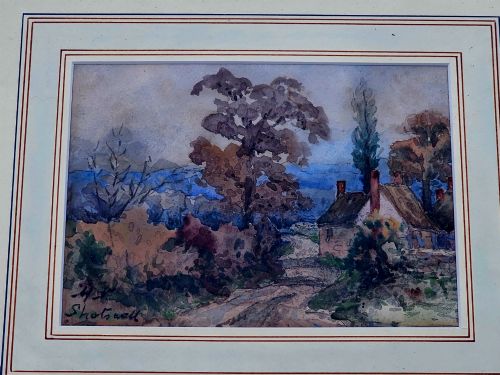
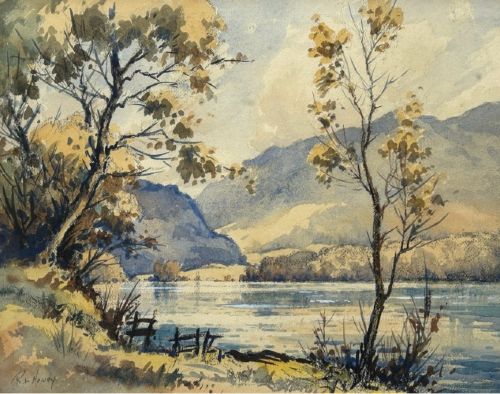
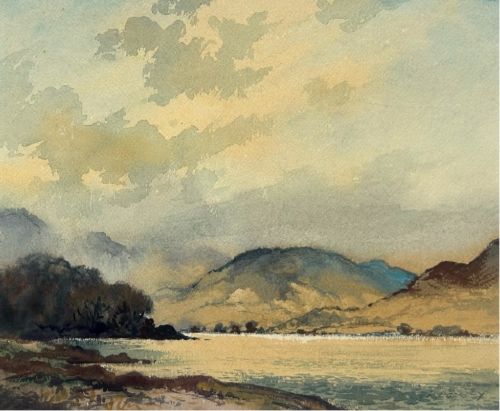
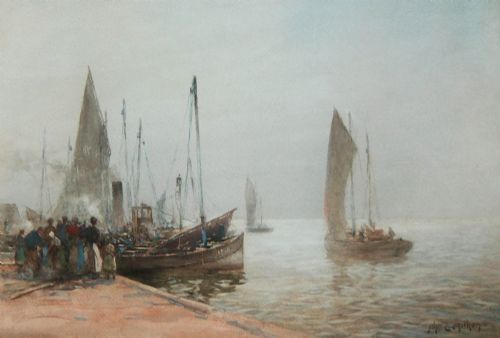
Vintage british watercolours capture fleeting coastal light, sleepy rural lanes and bustling Edwardian ports through pigment on paper.
Vintage British Watercolours
Vintage british watercolours encompass original paintings executed on paper using watercolour pigment, often enhanced with ink or wash. These works span periods from the late nineteenth century through the mid twentieth century, reflecting diverse regional scenes across England, Scotland and Wales.
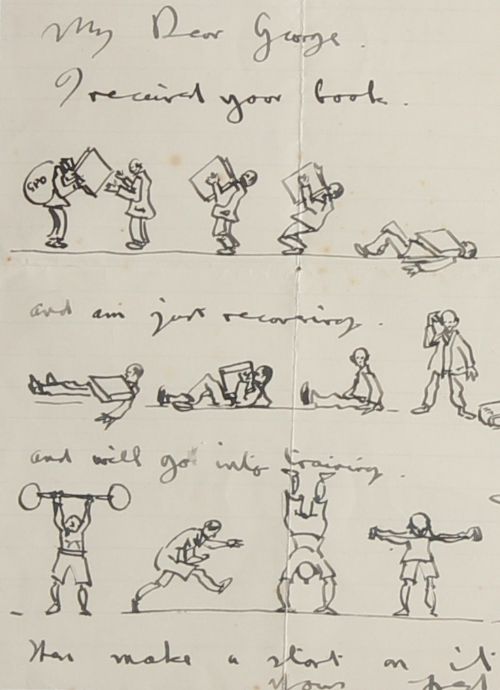
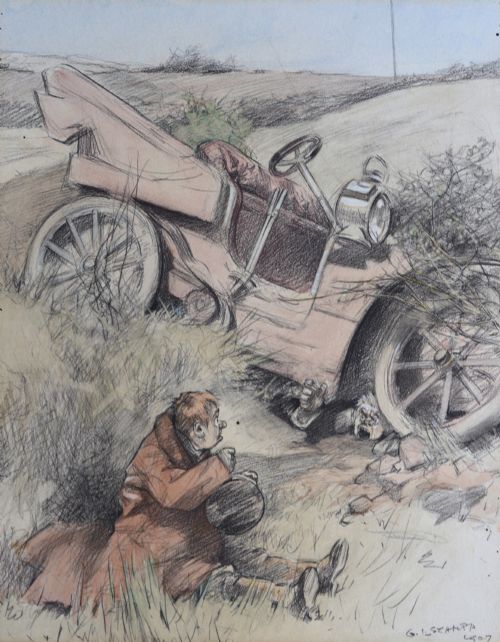
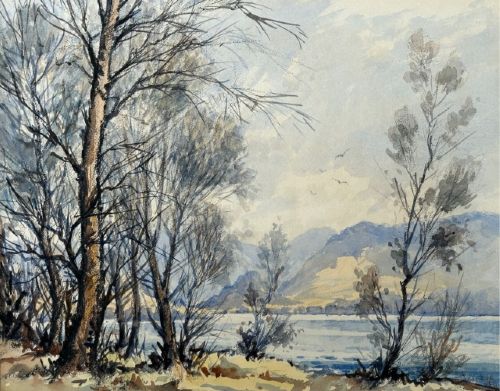
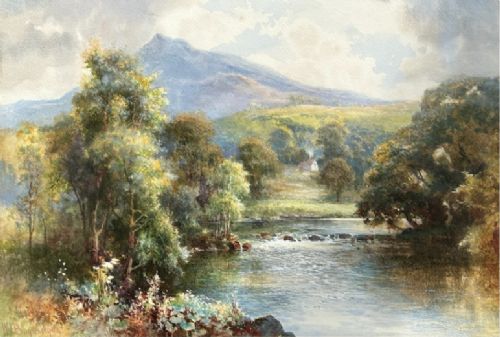
Buyers will encounter subjects ranging from tranquil Cumbrian lake landscapes and Cornish harbour views to industrial Bradford quarries and military portraits. The majority of pieces on this page emerge from Edwardian and early twentieth century traditions, showcasing British Impressionism and landscape schools.
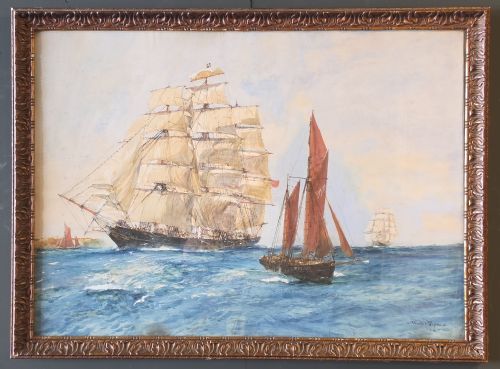
Framed paintings typically combine glass and wood surrounds to protect the delicate paper beneath. Works appear in both individual compositions and paired sets, recording historical views of docks, rivers and moorlands.
Materials and Techniques
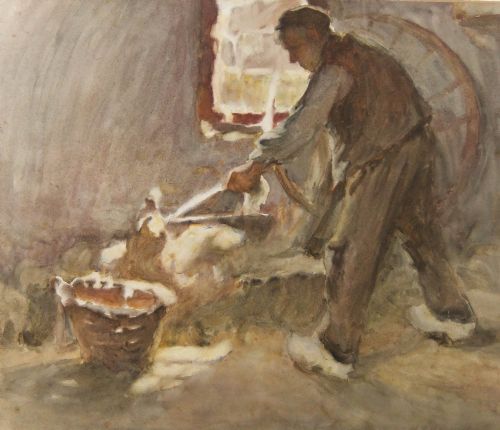
Artists apply watercolour pigment to prepared paper sheets, frequently utilising ink or wash lines to define architectural and natural contours. The transparency of the medium allows light to reflect through washes of colour from the white paper ground.
Finished paintings find preservation behind protective glass within wooden and gilt wood frames. This traditional framing safeguards the absorbent paper support from atmospheric moisture and handling damage.
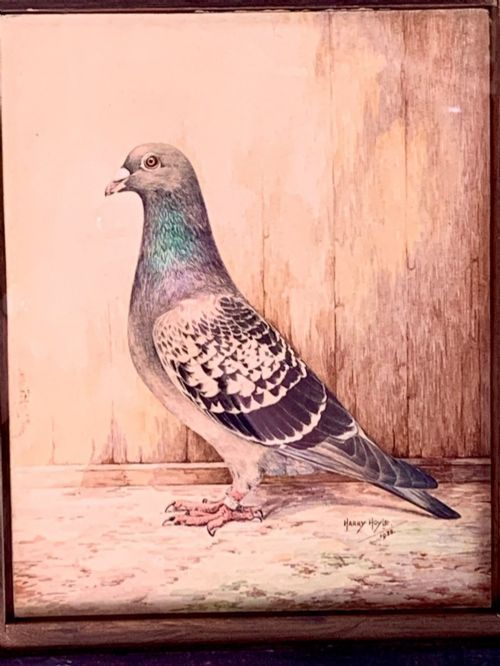
Among the historical scenes, a pigeon watercolour marks a Royal Messenger winning the King George V Silver Jubilee.
Evaluating Quality
Quality rests upon the artist's handling of light, atmospheric depth and compositional balance across the paper surface. Superior works demonstrate confident brushwork and tonal control that capture movement within seascapes or stillness within landscapes.
The integration of supportive materials also distinguishes the range, where well preserved paper surfaces retain vibrant pigments without excessive fading or discoloration. Original framing and clear provenance signatures further elevate individual pieces.
Bruce Bairnsfather·George Lorain Stampa·Alfred Young Nutt·Robert Leslie Howey·James E Aitken·Charles Edward Dixon·William Banks Fortescue·William Joseph Boyes·Henry Silkstone Hopwood·Muriel Metcalfe·Thomas William Morley·Fred Lawson·Frank William Scarbrough·Robert Thorne Waite·John Smith Atherton·Thomas Maidment·Frederick James Kerr·William Matthison·Percy Lancaster·George Stanfield Walters·Frank Kelsey·William Frederick Settle·Alfred George Morgan
The Vintage British Watercolours Glossary
- Watercolour pigment
- Finely ground colour particles suspended in a water soluble binder, applied in translucent washes upon paper. This medium creates luminous effects unique to paper supports.
- Wash
- A thin, fluid layer of diluted watercolour spread evenly across areas of paper to establish skies, water or broad background tones. It forms the atmospheric foundation of the painting.
- Gilt wood
- Timber framing finished with a thin layer of gold leaf or metallic gilding. Such frames often accompany traditional Victorian and Edwardian works.
- British Impressionism
- A late nineteenth and early twentieth century painting style focusing on natural light, everyday subjects and rapid outdoor observation. Artists captured transient effects of weather and season.
Vintage British Watercolours: Frequently Asked Questions
How should I display vintage watercolours safely?
Hang paintings away from direct sunlight to prevent the watercolour pigments and paper support from fading over time. Maintaining stable indoor humidity levels also protects the paper and framing.
Ensure that the glass protects the surface without pressing directly against the painted paper. Professional framing with acid free backing materials preserves the longevity of these works.
What subjects are common in these paintings?
Artists frequently recorded British landscapes, including Cumbrian lakes, Yorkshire coasts and Welsh river valleys. Maritime scenes featuring fishing boats, harbour docks and shipping vessels also appear regularly.
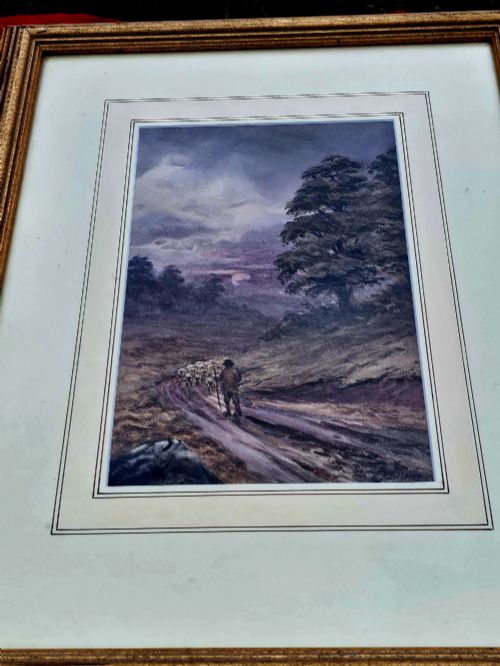
Other popular subjects include architectural landmarks, rural cottages, moorland paths and portrait studies. These works document changing British topography and rural life across decades.
How do I identify the period of a watercolour?
Examine the stylistic traits, such as Edwardian impressionism or Victorian academic realism, alongside any visible dates or artist signatures. Subject matter and clothing styles in figurative works offer further chronological clues.
Framing materials and backing papers can also indicate the era of creation. Comparing the hand with known works by recorded artists helps narrow down the timeframe.
Are these paintings supplied with frames?
Most pieces arrive framed under glass, often within wooden or gilt wood surrounds that complement the era of the artwork. These enclosures protect the delicate paper surface from dust and physical harm.
Listings describe the physical presentation so buyers know whether a piece retains its period setting. Some works may require new hanging cord or updated conservation backing.