




Vintage British River Painting
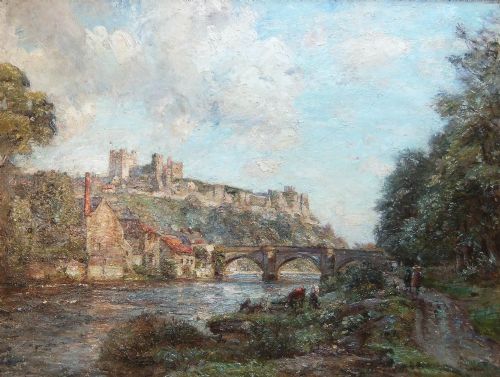
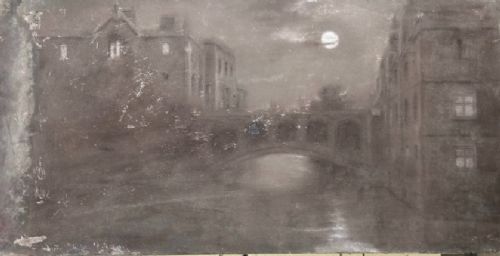
A vintage british river painting captures the water-meadows, estuaries, and bridges of the British Isles through the eyes of artists working from the Victorian era into the mid-twentieth century.
Vintage British River Painting
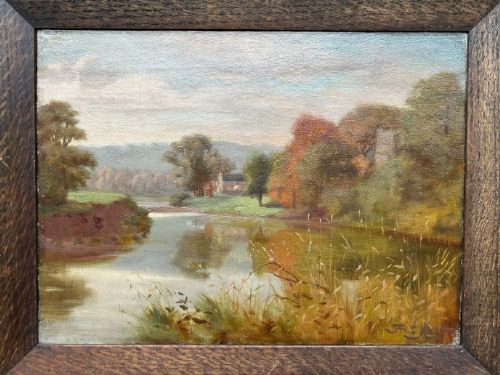
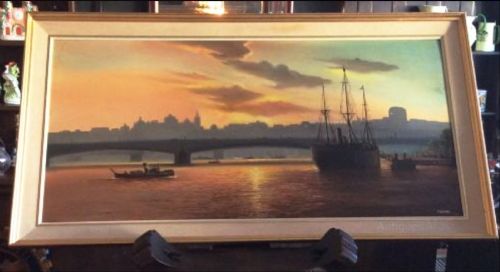
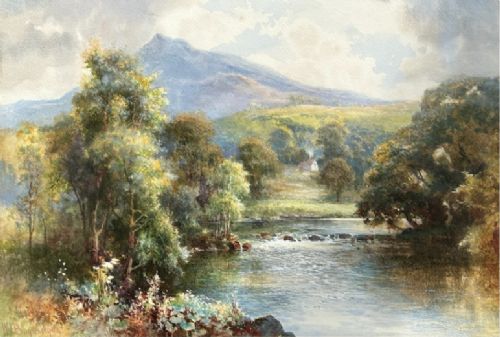
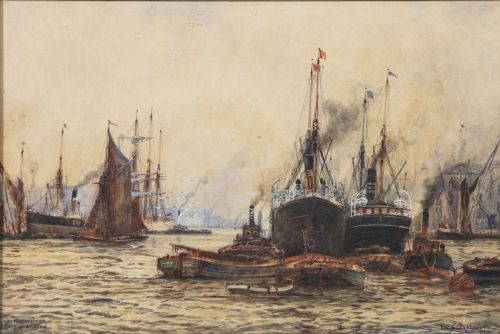
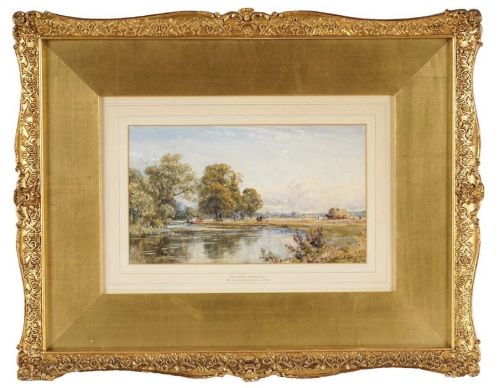
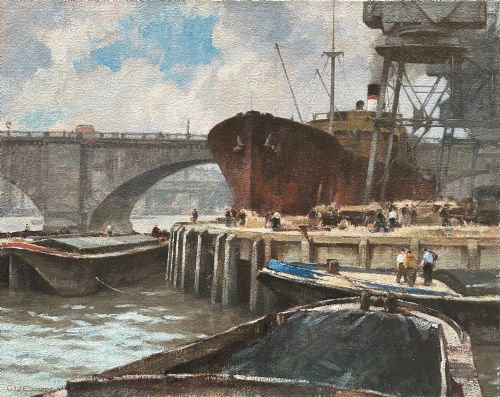
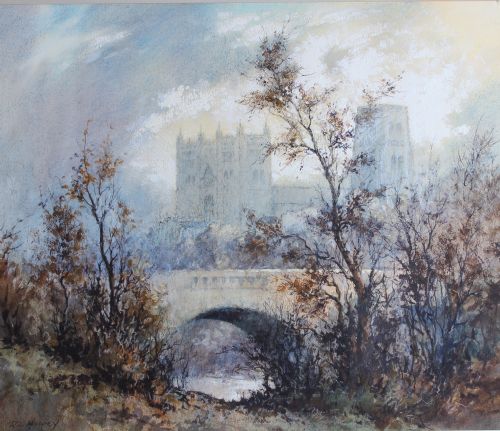
A vintage british river painting typically depicts recognizable waterways, from the Thames and Humber to smaller rural streams in Yorkshire, Wales, and Devon. These works appear most frequently as framed watercolours on paper or oil paintings on canvas and wood panel.
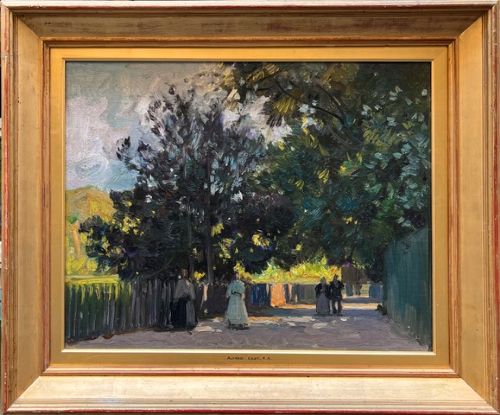
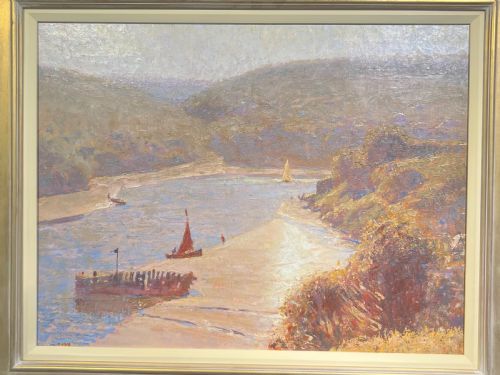
The selection ranges from late nineteenth-century naturalism and Victorian school landscapes to early twentieth-century British impressionism and mid-century topographical scenes. Buyers encounter both signed exhibition pieces by named artists and atmospheric works by the wider British school.
Materials and Support
Artists painted these river scenes using oil pigments or transparent watercolours applied to prepared canvas, wood panels, heavy paper, or board. Works on canvas are occasionally laid onto secondary boards to stabilise the support over time.
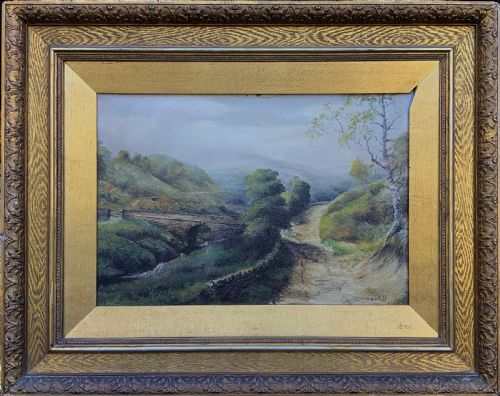
Framing typically involves wood mouldings, often highlighted with gilt finishes that reflect the light-toned palettes common in British landscape traditions.
Execution and Composition
Quality rests in the artist's handling of light upon water, atmospheric depth, and confident brushwork or wash control. Stronger examples demonstrate a secure grasp of perspective and tone rather than rigid topographical record-keeping.
The condition of the original surface, stability of the pigment, and preservation beneath glass or varnish determine the visual integrity of each piece.
George Graham·Alfred Young Nutt·Frederick Marriott·William Joseph Boyes·Frank William Scarbrough·Robert Thorne Waite·Sir Alfred East·Herbert Royle·Robert Leslie Howey·Florence Adelina Hess·Sydney Yates Johnson·Hubert Wellington·William Frederick Settle·Arthur Herbert Rigg·Edward Henry Eugene Fletcher·Benjamin Williams Leader·William Mellor·Charles Harmony Harrison
The Vintage British River Painting Glossary
- Watercolour
- A painting method where fine pigment is suspended in a water-soluble binder and applied to paper. It creates luminous, transparent washes suited to capturing shifting river light.
- Oil on Canvas
- Pigment mixed with drying oil applied to stretched fabric. This medium allows for rich texture, impasto highlights, and deep tonal layering.
- British Impressionism
- A style developed in the late nineteenth and early twentieth centuries focusing on everyday scenes, loose brushwork, and natural outdoor illumination.
- Panel painting
- A work executed on a flat piece of wood rather than canvas. It offers a rigid support that prevents the flexing common in older textiles.
Vintage British River Painting: Frequently Asked Questions
How do I care for a vintage watercolour?
Keep watercolours away from direct sunlight to prevent the pigments and paper from fading over time. Ensure they are displayed in rooms with stable humidity to protect the paper and backing.
Traditional framing with acid-free mounts helps preserve the sheet and prevents the paper from touching the protective glass directly.
What subjects are most common?
Most works focus on identifiable rivers, bridges, mills, and coastal estuaries across England, Wales, and Scotland. Popular locations include the Thames, northern dales, and rural wooded valleys.
Artists frequently populated these landscapes with small figures, fishing boats, barges, or livestock to give a sense of scale and local industry.
How can I tell the period of a painting?
Clues appear in the framing materials, the backing boards, artist signatures, and stylistic traits like Victorian naturalism or twentieth-century impressionism. Victorian works often feature heavier, ornate gilt frames.
Signatures, exhibition labels on the reverse, and known artist working dates help narrow down the decade of creation.
Are these paintings ready to hang?
Most pieces arrive framed and fitted with hanging wire, allowing them to be placed directly onto a wall. It remains wise to inspect the hanging cord and frame joints periodically.
Unframed panels or canvases require careful handling and appropriate framing to support the edges of the original support.