




Vintage Breakfast Table
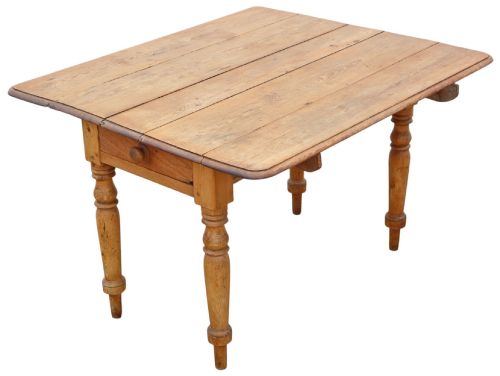
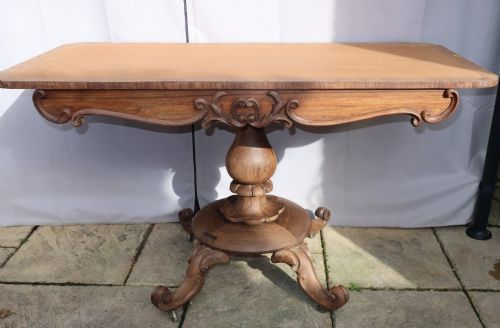
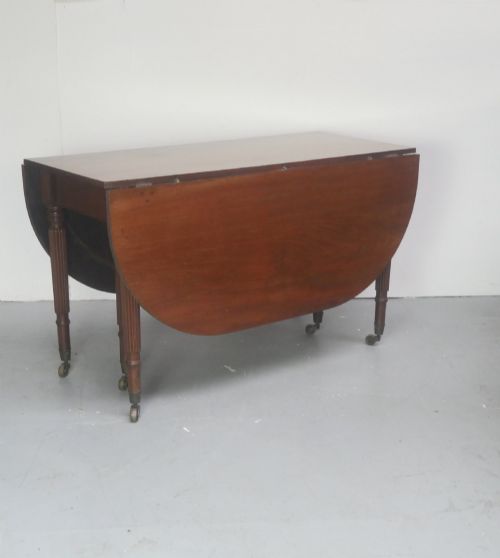
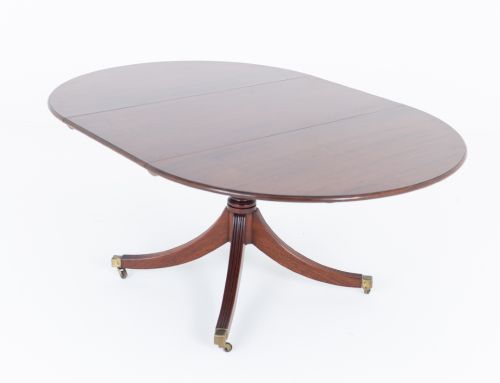
A vintage breakfast table brings solid timber construction and practical drop leaf or tilt top formats straight into a morning room.
Vintage Breakfast Table
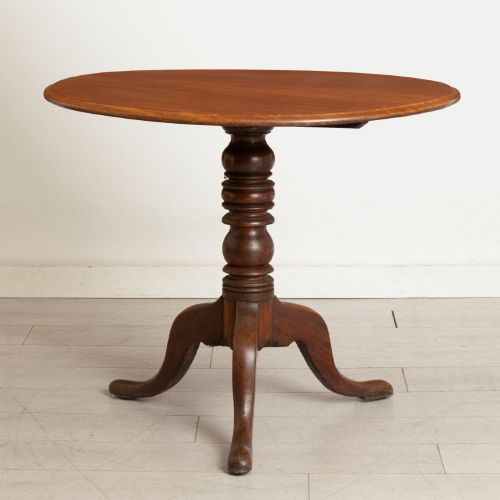
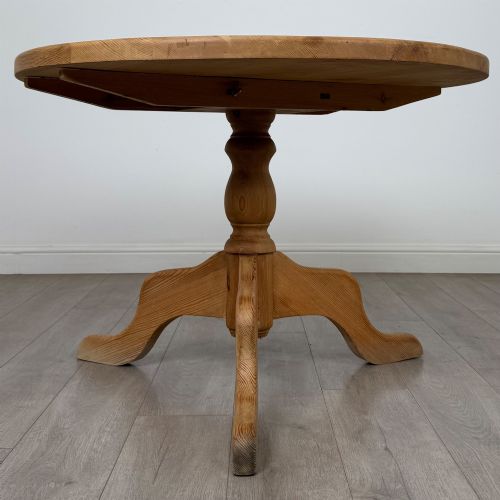
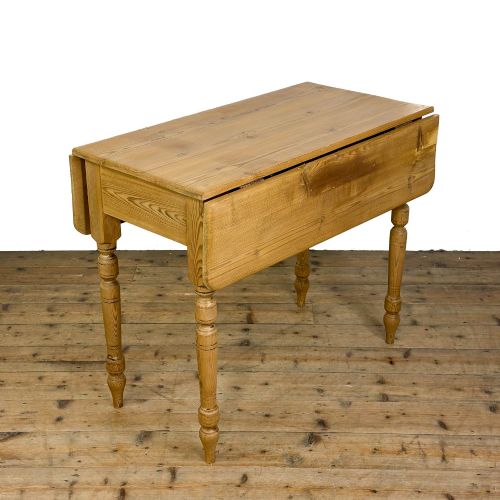
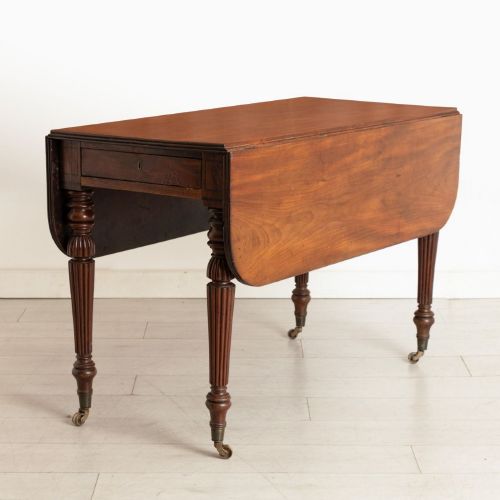
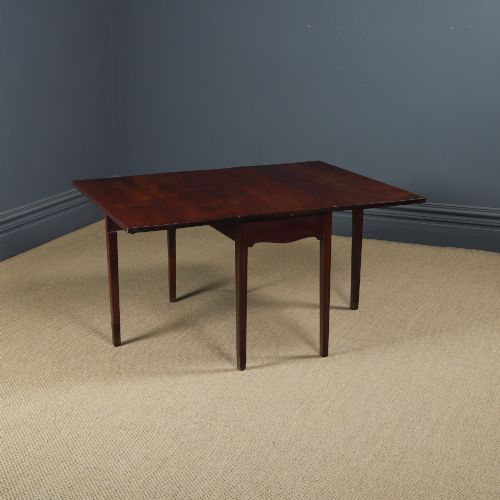
A vintage breakfast table encompasses timber furniture formats designed primarily for morning dining, ranging from compact circular tilt-top pedestals to larger drop-leaf and pembroke designs. The pieces found here span nineteenth century periods through to the Edwardian era and the early twentieth century.
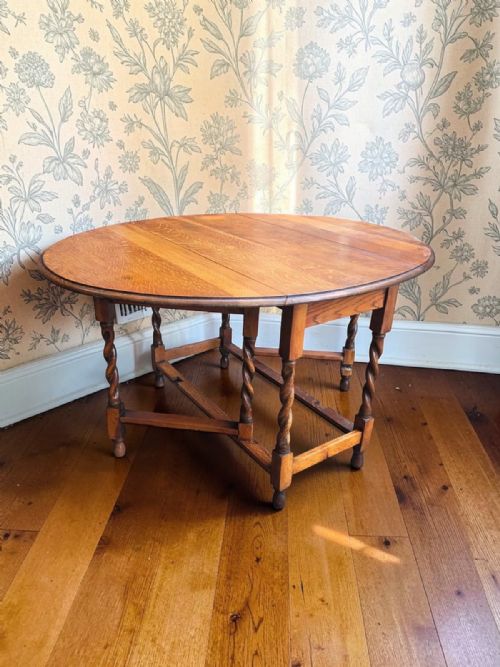
Buyers meet circular rosewood pedestal tables alongside rectangular mahogany drop-leaf dining tables, pine kitchen formats, and occasional oak gateleg tables. These items reflect the domestic routines of Georgian, Victorian, Regency, and William IV households.
Many examples utilise pivoting mechanisms or folding leaves to save space when not in use, demonstrating the clever functional design typical of antique dining furniture.
Materials and construction
Cabinet makers relied heavily on dense hardwoods such as mahogany, rosewood, oak, and walnut, often selecting figured timber veneers for prominent table tops. Softer woods like pine appeared frequently in utilitarian kitchen tables built for daily domestic service.
Structural stability was achieved through sturdy pillar and triform bases, octagonal columns, or traditional gateleg frames. Timber joints were pegged or mortised by hand, while tilting mechanisms utilised brass catches and pivots to hold heavy table tops securely in place.
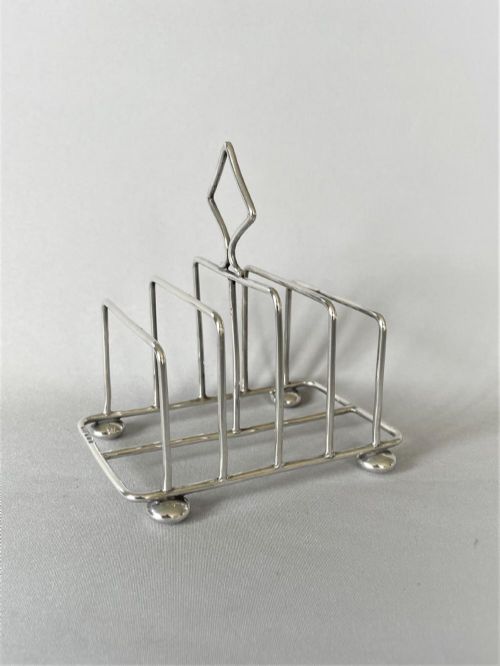
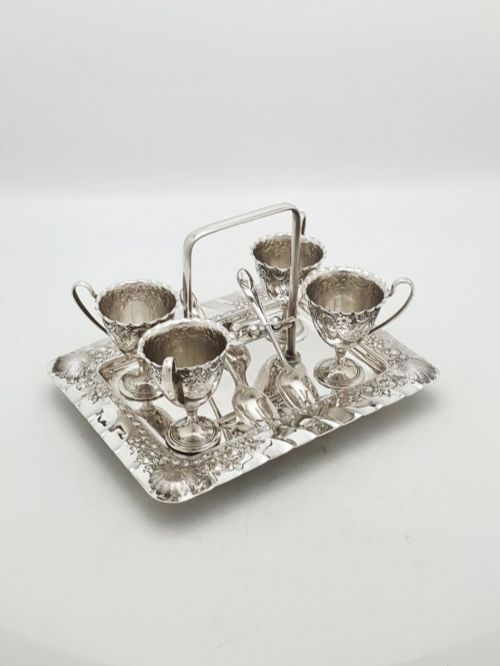
Several silver toast racks and egg cup stands keep breakfast company with the tables.
Factors influencing quality
The selection of timber grain largely dictates the standing of a piece, with highly figured mahogany and richly grained rosewood commanding greater attention than plain pine or standard oak. Figured veneers and intricate inlay work indicate skilled workshop execution.
Proportion and stability during the action of tilting or folding separate standard utility items from finer parlor examples. Original brass fittings, solid pedestals, and smooth turning mechanisms show the original standard of craftsmanship.
Roberts and Belk
The Vintage Breakfast Table Glossary
- Tilt top
- A table mechanism allowing the surface to pivot upright on its base for convenient storage against a wall.
- Pembroke table
- A small rectangular side table featuring two hinged drop leaves on opposing sides and typically one or more drawers.
- Drop leaf
- A hinged table leaf that lowers when not in use to reduce the overall footprint of the furniture.
- Triform base
- A three-sided pedestal foot arrangement commonly found supporting circular nineteenth-century centre and breakfast tables.
- Gateleg
- A dining table style where hinged legs swing outward to support folding leaves when opened.
Vintage Breakfast Table: Frequently Asked Questions
How do tilt-top tables work?
Tilt-top tables use a mechanical catch beneath the surface that releases the table top, allowing it to pivot ninety degrees into a vertical position. This clever engineering allowed owners to store large circular tables flat against room walls when floor space was required.
When lowered back down, heavy wooden pegs or brass latches secure the top firmly to the central pedestal base.
Where were breakfast tables used?
These tables typically occupied morning rooms, breakfast parlors, or smaller dining spaces in period homes where full-sized banquet tables proved too cumbersome. Their flexible formats accommodated intimate family gatherings.
Kitchen variants in pine served for food preparation and daily household tasks before moving into formal dining areas.
How do I care for antique timber?
Maintain antique timber by keeping tables away from direct heat sources and sudden temperature shifts that cause wood to dry and split. Regular dusting with a soft cloth preserves the natural finish without building up heavy chemical residues.
Applying occasional specialist wax feeds the grain and protects historical polished surfaces from everyday moisture.