

Vintage Brass Watch
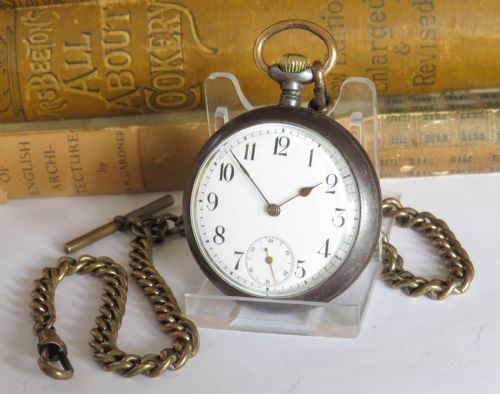
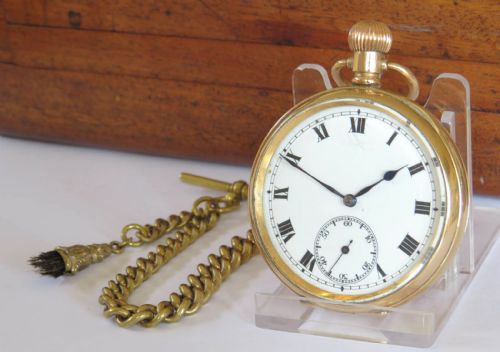
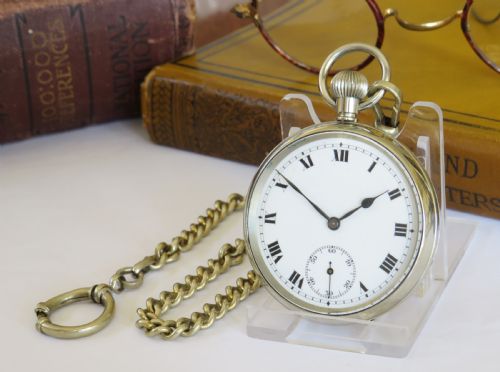
These vintage brass watch examples span pocket models, marine chronometers and scientific instruments built to keep time through demanding eras.
Vintage Brass Watch
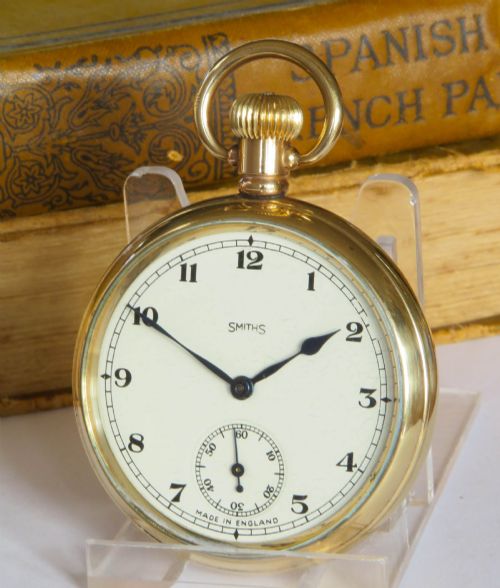
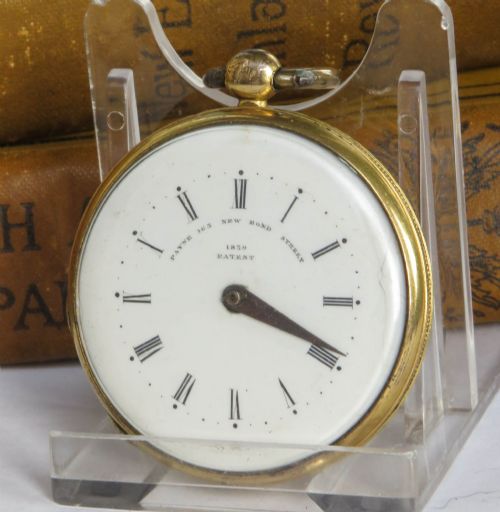
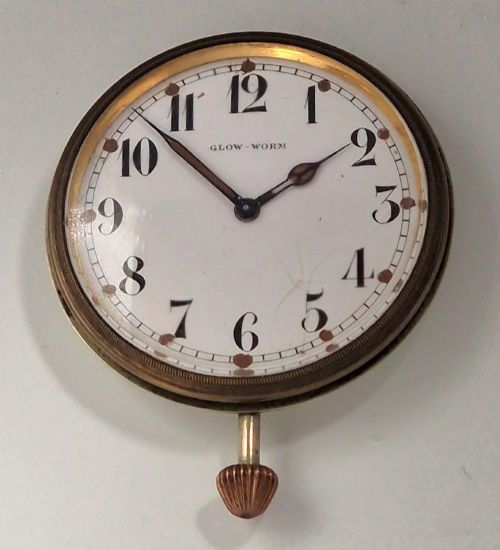
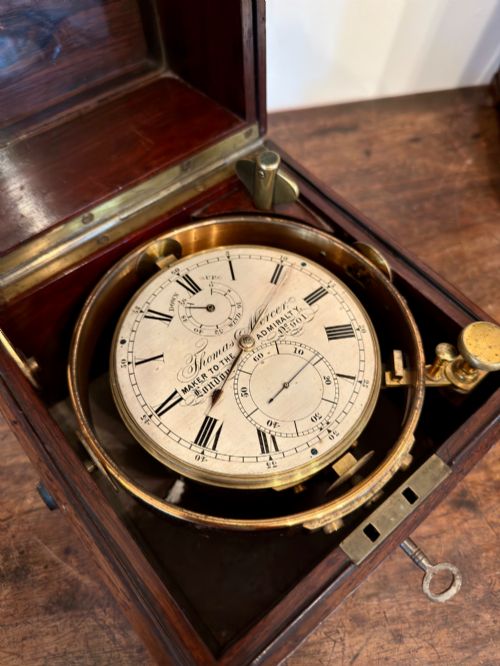
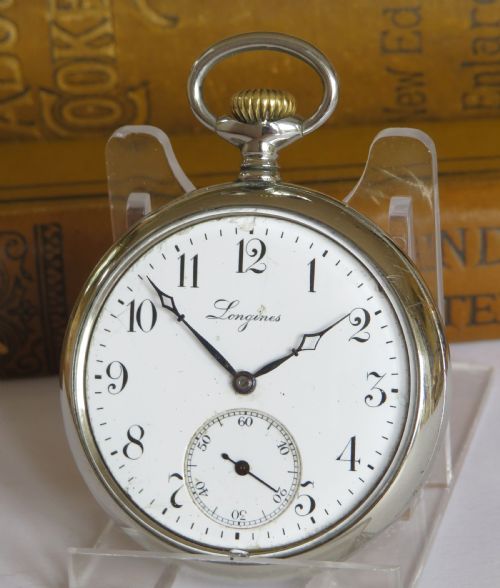
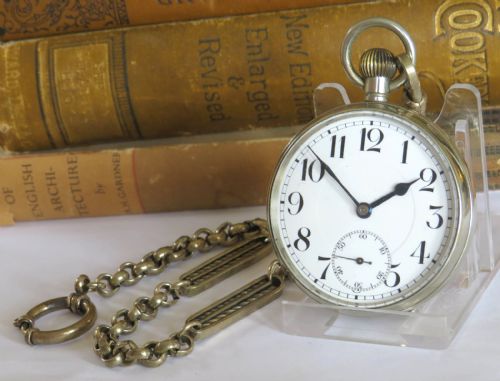
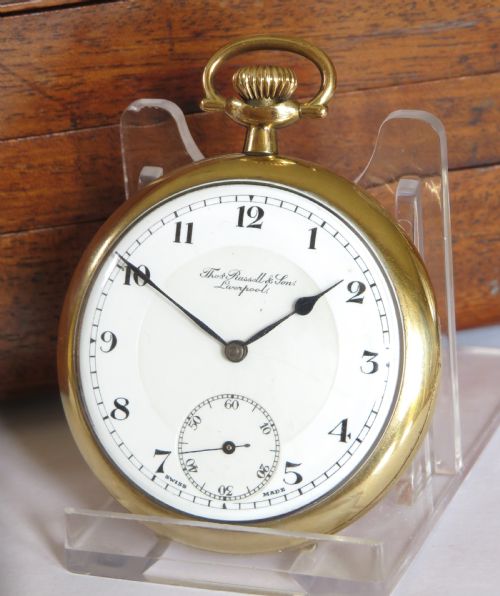
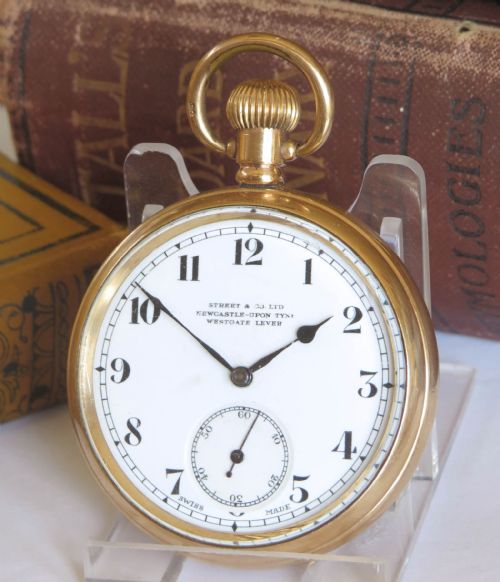
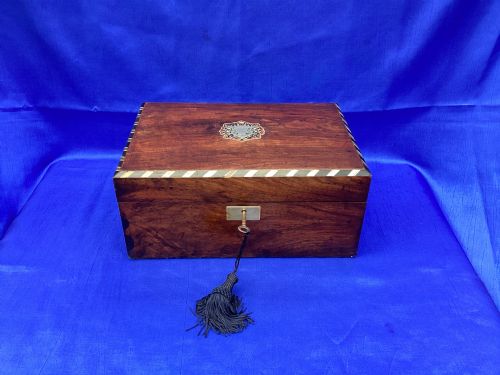
When you search for a vintage brass watch, you encounter an array of timepieces ranging from pocket watches and goliath cases to marine chronometers and scientific instruments. The listings encompass pieces from the eighteenth century, Victorian period, and early twentieth-century decades including the 1910s, 1920s, and 1930s up to the 1940s. Pocket watches dominate the selection, often accompanied by chains, albert mounts, and fitted storage boxes.
Makers and origins stretch across England, France, Switzerland, and Germany, reflecting diverse horological traditions. Alongside standard pocket forms, you find specialised objects such as pocket barometers, altimeters, desk clocks, and military-issued compasses housed in metal casings.
Materials and construction
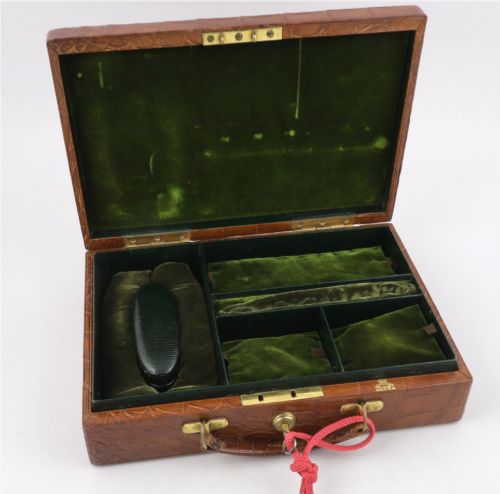
Brass serves as the primary structural metal, frequently paired with glass crystals, enamel dials, and steel components. Certain iterations incorporate gold plate, nickel, and gun metal finishes, while fitted protective housings utilise mahogany wood, horn, and crocodile leather.
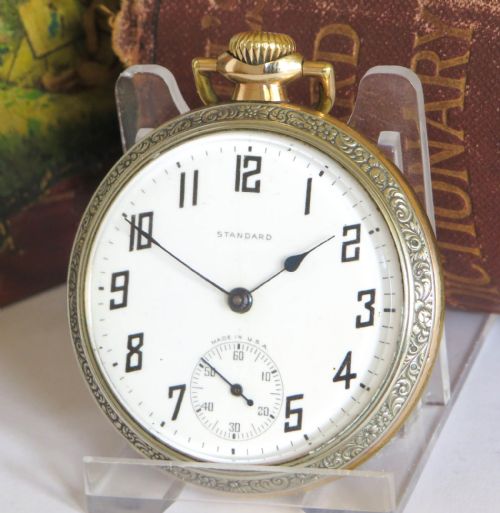
Movements rely on mechanical ingenuity, utilising stem winding mechanisms, button winds, and eight-day configurations. Dials often feature painted numerals and subsidiary seconds, secured within hinged case backs designed for durability in pocket or maritime environments.
Vintage Brass Watch Retail Price Guide 2026
Typical asking prices for vintage brass watch among the pieces listed under this phrase on Sellingantiques today, from the lower quarter to the upper quarter. They describe what is for sale here now, not the wider market.
Some pocket watches are so substantial they require their own miniature mahogany sea chest just to stay upright.
Assessing craftsmanship
Quality reveals itself in the crispness of dial printing, the integrity of enamel work, and the precision of the mechanical movement within. Finer examples retain their original components, clear maker signatures, and unpolished metal surfaces that show honest age rather than heavy restoration.
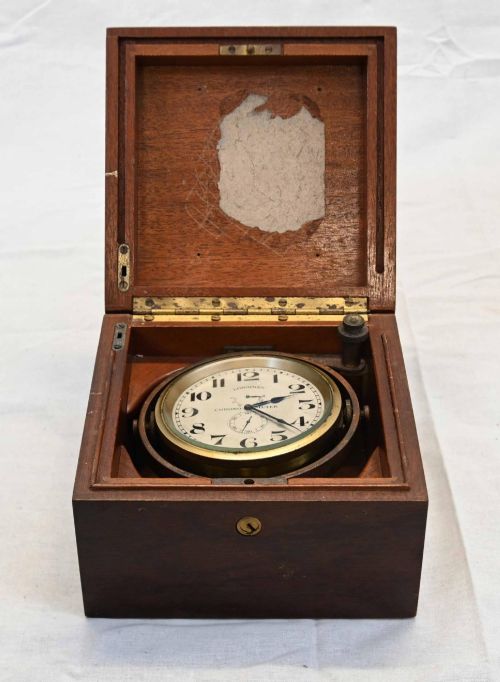
The sophistication of the housing also dictates distinction, distinguishing simple utility pieces from premium chronometers secured in gimballed mahogany boxes or specialised travel cases.
Longines·Henry-Lepaute·Mercer of London·Thomas Russell and Son·New York Standard·Omega·Octava·Minerva·Waltham·H Samuel·Smiths De Luxe·Wagner·Dennison·Globe Watch Co·Record·Zenith·Helvetia
The Vintage Brass Watch Glossary
- Goliath watch
- A pocket watch of substantially larger diameter than standard models, often designed for desk use or travel.
- Half hunter
- A pocket watch featuring a case with a glass or open aperture in the front cover, allowing the user to view the hands without opening the case.
- Chronometer
- A highly precise portable timekeeper often utilised in navigation and housed in a specialised box with gimbals.
- Stem winding
- A mechanism allowing the watch to be wound via the crown attached to the winding stem rather than a separate key.
- Albert
- A chain or fob attached to a pocket watch, traditionally secured to a waistcoat or jacket buttonhole.
Vintage Brass Watch: Frequently Asked Questions
How do I wind a vintage pocket watch?
Most models utilise a stem winding or button wind mechanism where you rotate the crown gently clockwise until resistance is felt.
Avoid over-winding historical movements, as the mainsprings require careful handling to maintain their tension over decades of use.
Were these watches used in the military?
Several pieces originate from military contexts, including WW1 and WWII service items issued to officers, navy personnel, and pilots.
These military variants often feature robust brass housings, luminous dials, and specific government broad arrow or serial markings.
How should I store a pocket watch?
Keep your timepiece in a dry environment away from direct sunlight, ideally resting in a dedicated watch box, jewellery case, or hung securely on an albert chain.
If the piece is housed in a mahogany gimbal box like a marine chronometer, ensure the locking mechanisms are engaged to protect the movement.
Can I wear a vintage pocket watch daily?
Pocket watches remain functional daily accessories provided they are handled with care and kept away from moisture and strong magnetic fields.
Pairing them with a suitable waistcoat or pocket chain ensures safe carriage while preserving the historical character of the item.