

Vintage Brass Trinket Box
A vintage brass trinket box brings small-scale metalwork and period charm to a dressing table or desk.
Vintage Brass Trinket Box
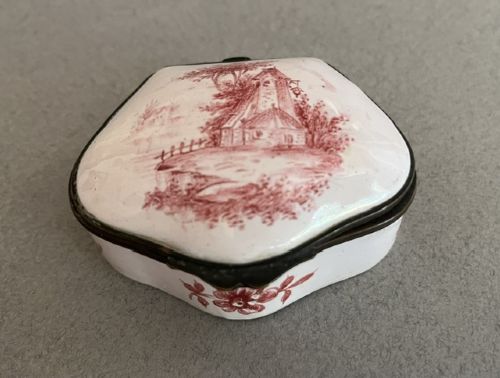
When you search for a vintage brass trinket box, you encounter small decorative containers designed to hold keepsakes, pins, and personal items. The pieces on this page span several centuries, including Victorian, Edwardian, and later periods.
While many examples are made entirely of metal, the category also encompasses boxes combining brass with wood, glass, leather, or velvet. These items appear in various forms, from table snuff boxes to fitted jewellery caskets.
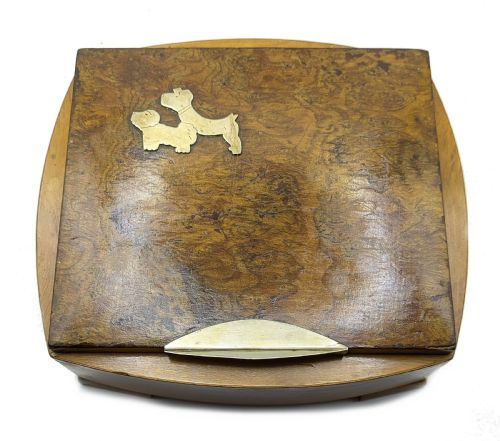
Originating from British, French, and other European workshops, these objects reflect shifting design movements such as Art Nouveau, Art Deco, and Rococo Revival.
Materials and construction
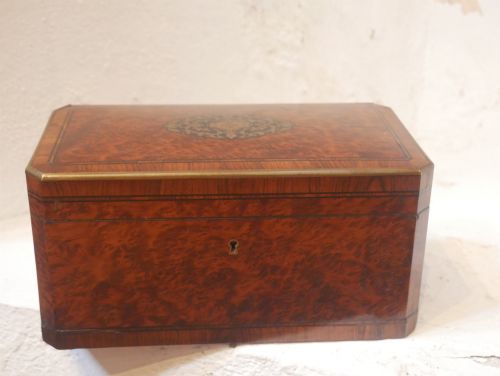
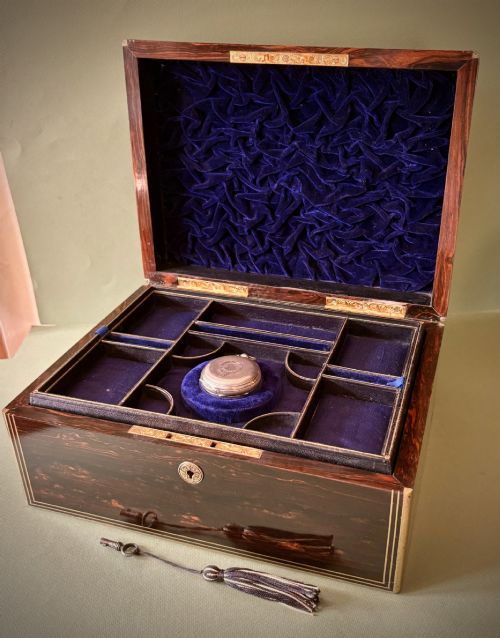
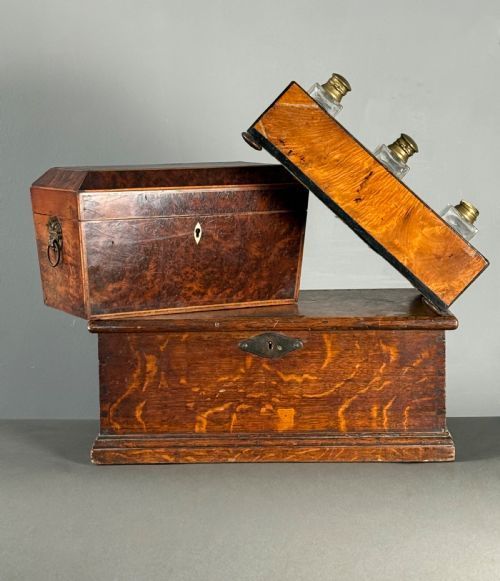
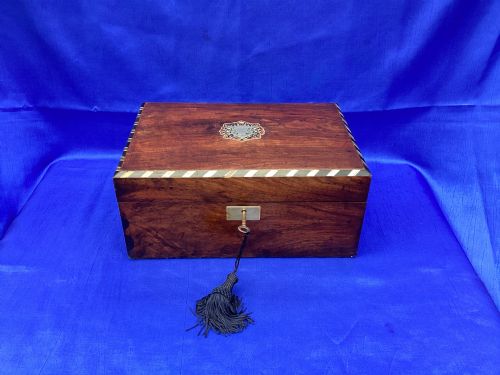
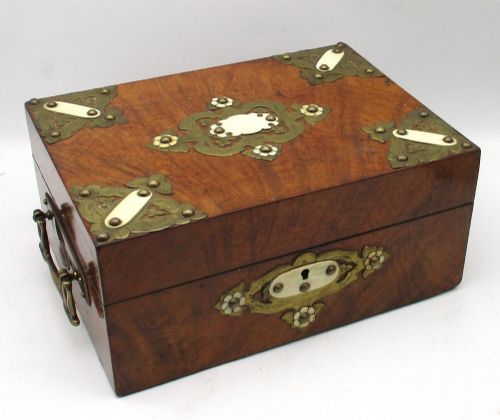
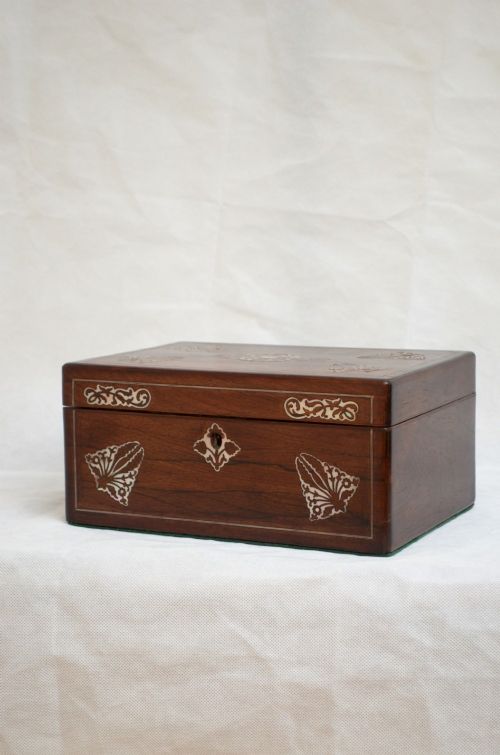
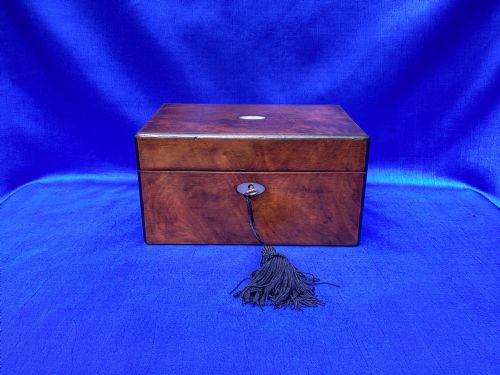
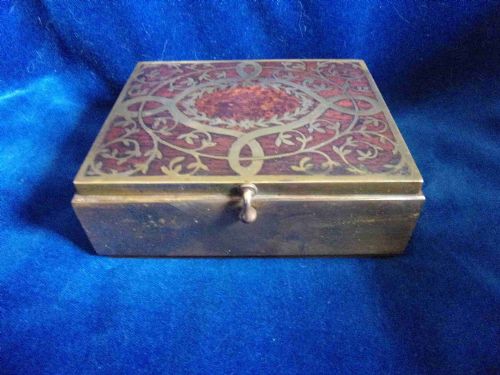
Makers utilised cast and sheet brass, frequently combining the metal with hardwoods like mahogany, rosewood, walnut, and satinwood. Many examples incorporate decorative linings of velvet or leather to protect delicate contents.
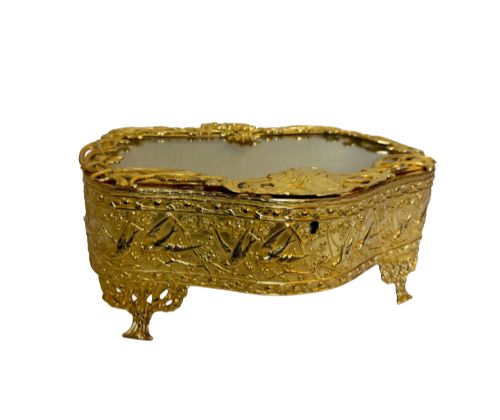
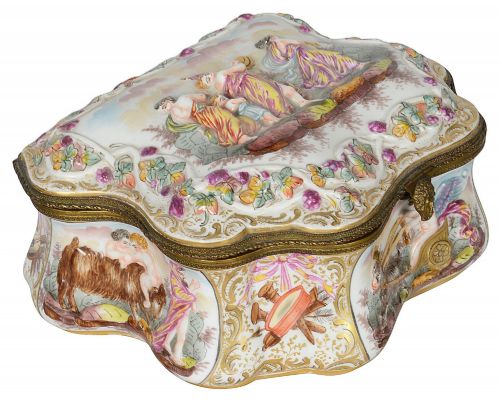
Surface decoration often involves engraving, embossing, or repoussé work, alongside applied details in bone, mother of pearl, or porcelain. French pieces frequently employ ormolu mounts and glass panels.
Construction techniques range from traditional joinery in wooden carcases to detailed metal casting and shaping seen in novelty and figural boxes.
Listed boxes cross multiple eras, extending from the eighteenth century through Victorian, Edwardian, and Art Deco periods.
Assessing the workmanship
The distinction between ordinary production and finer work lies in the crispness of the cast ornamentation and the precision of the engraving. Superior pieces exhibit clean lines and well-defined motifs rather than soft, blurred details.
Internal fitting also indicates standard; boxes with original fitted trays, intact silk or velvet linings, and working locks demonstrate higher initial cost and careful preservation.
The integration of mixed materials, such as secure bezel settings for glass or tight joints between wood and metal, separates robust items from lesser examples.
Tahan Paris·Erhard and Sohne
The Vintage Brass Trinket Box Glossary
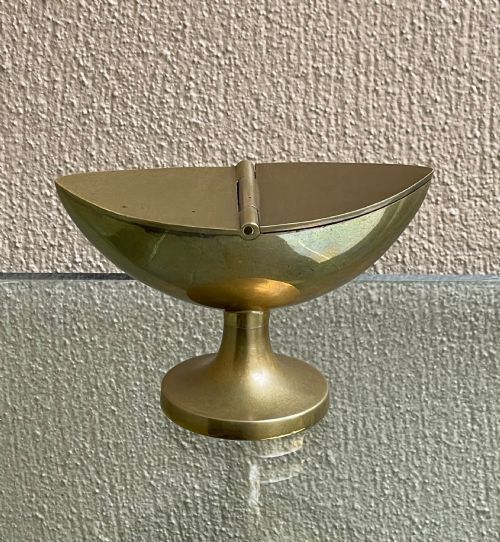
- Navette
- A boat-shaped decorative form with pointed ends, often seen on eighteenth and nineteenth-century snuff and trinket boxes.
- Ormolu
- Gilded bronze or brass applied as mounts or decorative feet on nineteenth-century boxes, particularly of French origin.
- Repoussé
- A metalworking technique where the design is hammered into relief from the reverse side of the brass or copper sheet.
- Cloisonné
- An enamelling method utilising metal wires to form compartments that hold coloured paste before firing.
- Shagreen
- Untanned leather with a granular surface, historically prepared from shark or ray skin and utilised on twentieth-century boxes.
Vintage Brass Trinket Box: Frequently Asked Questions
What were small metal boxes originally used for?
These containers served practical functions on desks, dressing tables, and in pockets. They held snuff, stamps, trinkets, or personal jewellery.
Over time, changing fashions transformed them from everyday utilitarian objects into decorative display pieces.
How do I date a brass box?
Dating relies on stylistic clues, construction methods, and materials. Victorian pieces often display heavy casting and elaborate ornamentation, while Edwardian examples can show lighter proportions.
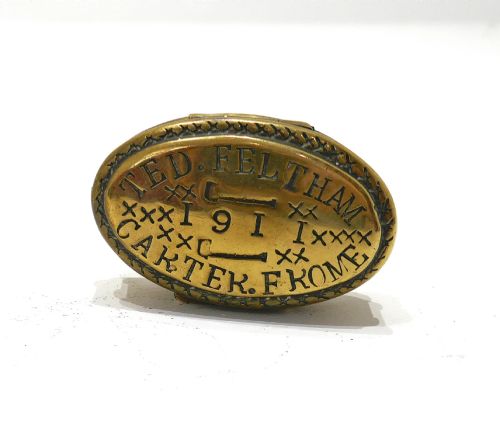
Makers' marks or engraved inscriptions on the metal surface frequently provide precise chronological clues.
Are these boxes suitable for daily use?
Many sturdy examples withstand regular handling for storing modern rings, cufflinks, or small keepsakes. Velvet or leather interiors help protect stored items from scratches.
Fragile items with delicate glass panels or worn hinges require more careful placement.
How should I clean antique brass?
Gentle dusting with a soft, dry cloth preserves the aged patina that collectors value. Aggressive metal polishes can strip away historical surface tones and damage inlaid materials.
If the piece incorporates wood or fabric, moisture must be kept entirely away from those areas.