
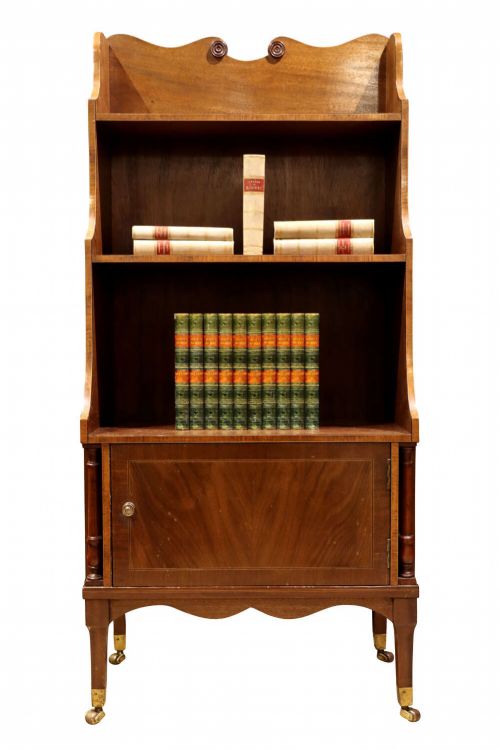


Vintage Brass Shelving Unit
A vintage brass shelving unit brings both functional display and enduring metalwork to a room, ranging from Edwardian etageres to bakers racks.
Vintage Brass Shelving Unit
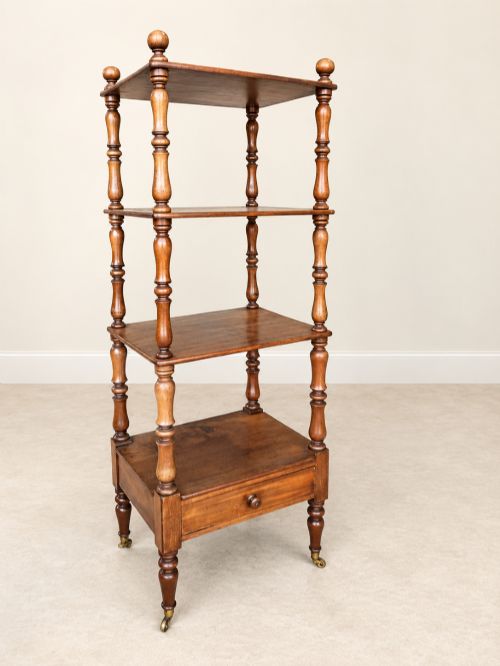
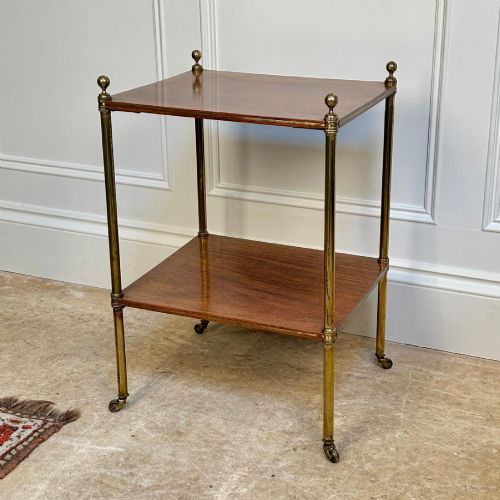
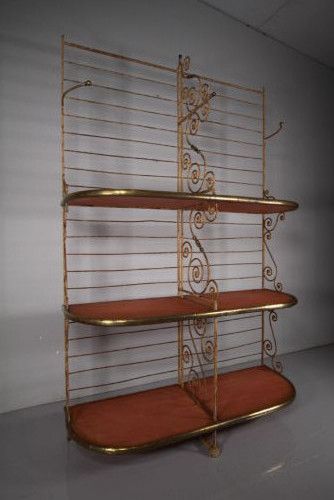
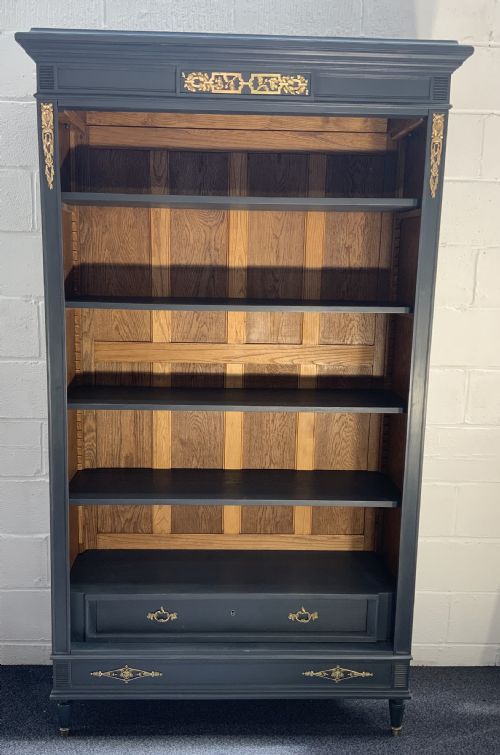
A vintage brass shelving unit encompasses various open display forms, from etageres and shop display stands to bakers racks and bookcase cabinets. The pieces seen on this page span the 19th century, Victorian, Edwardian, and Regency periods, alongside early 20th-century French boulangers bread racks.
Buyers will frequently encounter French and English examples that combine metal frameworks with wood or glass elements. Forms range from wall-mounted hanging shelves and waterfall bookcases to large Parisian bakers racks and patisserie racks.
The materials used extend beyond brass to include wrought iron, steel, cast iron, glass, rosewood, oak, and mahogany. These diverse material combinations reflect both domestic display cabinets and utilitarian commercial pieces adapted for modern interiors.
Materials and construction methods
The construction relies on structural metal frames forged from brass, wrought iron, cast iron, or steel, often paired with timber shelves made from rosewood, oak, or mahogany. Metal components include castors, embellishments, and hanging fixtures.
Cabinetry techniques involve wood inlay, painted finishes, and glazed glass panels, while bakers racks utilise open metalwork and wire mesh. Metal elements are shaped through casting and forging, frequently complemented by fine timber veneers.
Original Parisian bread racks once dusted in flour now hold books and ornaments without a croissant in sight.
Assessing quality in period shelving
Quality reveals itself in the integration of materials, such as the precision of wood inlay within mahogany or rosewood frameworks paired with solid brass fittings. The robustness of the underlying iron or steel structure dictates the durability of larger bakers racks.
The refinement of decorative details, from cast brass castors on Victorian cabinets to French empire style embellishments, separates standard utilitarian pieces from finer domestic furniture. Original finishes and patination on both the metal and the timber further distinguish superior examples.
The Vintage Brass Shelving Unit Glossary
- Etagere
- An open tiered shelving unit used for displaying small objects or ornaments. These pieces typically feature multiple levels supported by slender columns.
- Bakers Rack
- A utilitarian metal shelving frame originally used in French bakeries and patisseries for cooling bread. These sturdy pieces often incorporate brass and wrought iron.
- Waterfall Bookcase
- A stepped shelving unit where each tier is set back from the one below, resembling a cascading waterfall. This form often appears in mahogany with brass castors.
- Display Stand
- A commercial or domestic fixture designed to exhibit goods or collections clearly. They frequently utilise a combination of iron, brass, and glass.
Vintage Brass Shelving Unit: Frequently Asked Questions
What is a bakers rack?
A bakers rack is a heavy-duty metal shelving unit originally used in French commercial kitchens and bakeries for cooling bread. They are constructed from materials like wrought iron and brass.
Today, these utilitarian racks serve as decorative and practical storage units in kitchens, living rooms, and dining spaces.
How do I style an etagere?
An etagere provides open tiered shelving that works well for displaying collections of books, ceramics, and decorative objects. Because the structure is open on all sides, items can be viewed from multiple angles.
Keep the arrangement balanced by mixing taller vertical objects with lower, horizontal pieces across the various shelves.
What materials are used?
These shelving units incorporate a mix of metal and timber elements. Common structural metals include brass, wrought iron, cast iron, and steel.
Shelves and cabinet bodies are frequently fashioned from woods such as mahogany, oak, and rosewood, sometimes complemented by glass panels.
Are these pieces French or English?
The selection includes examples from both French and English origins, spanning various 19th-century and early 20th-century workshops. French pieces frequently take the form of boulangerie racks, patisserie stands, and empire style bookcases.
English examples often lean towards Victorian and Edwardian mahogany cabinets, etageres, and shop display stands.