




Glass Tier Display Stand
A glass tier display stand gives you structured vertical surfaces to arrange objects cleanly.
Glass Tier Display Stand
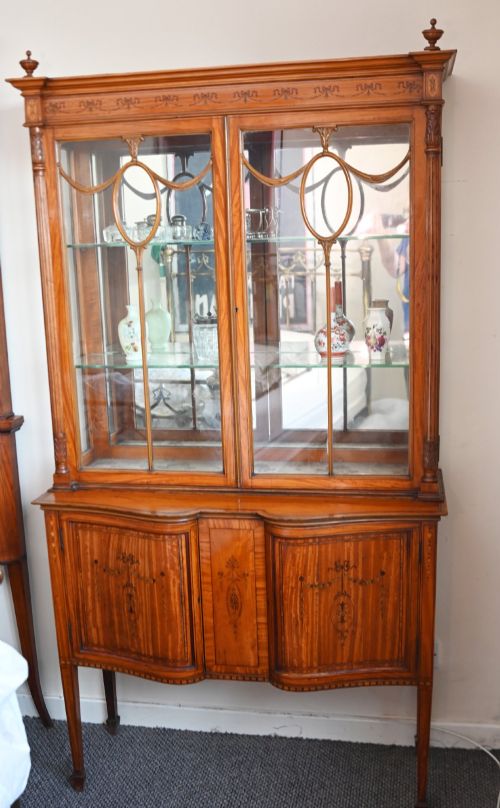
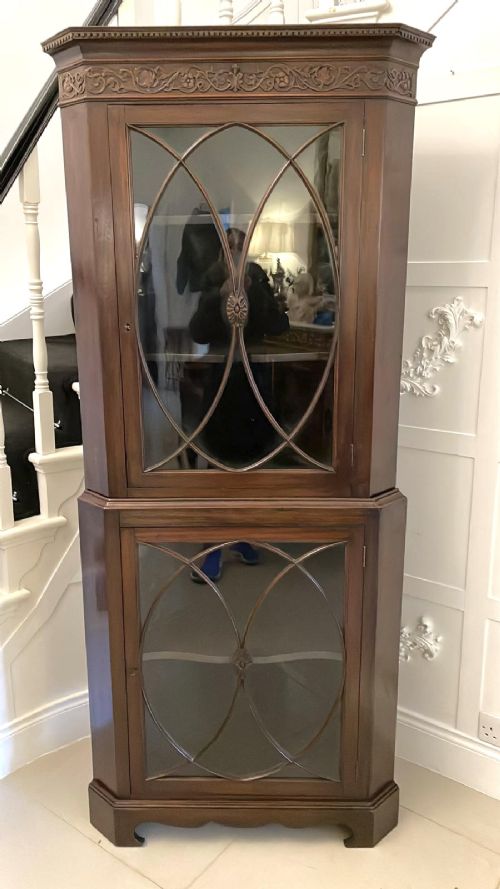
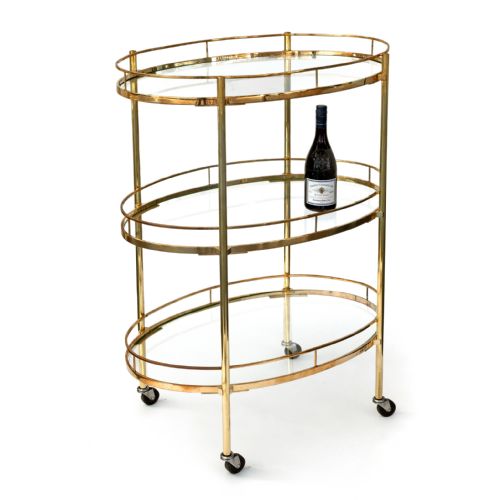
A glass tier display stand combines transparent surfaces with a sturdy frame to elevate objects across multiple levels. When you search for a glass tier display stand, you will encounter pieces spanning the nineteenth and early twentieth centuries, including Edwardian and Art Deco examples.
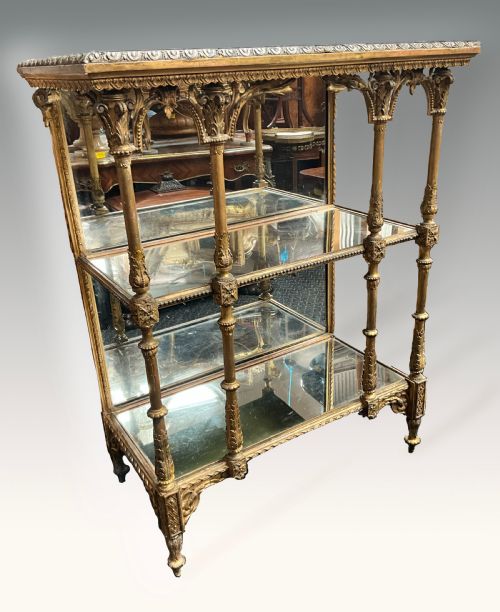
The selection here includes multi-tiered stands, etageres, and shelving units built from metal and timber. These tiered structures provide open visibility from all angles, making them practical for tabletop or floor placement.
How they were made
Makers built these pieces using structural frames of brass, cast iron, bronze, or timber such as mahogany and rosewood. Metal components often received polishing or casting, while wooden elements featured inlays and carved details.
Glass shelves and panels were fitted into brass or wooden frameworks, sometimes incorporating galleried edges to secure items. Craftspeople combined these materials to create stable frames capable of supporting transparent levels.
These stands let your prized possessions finally live their best lives on elevated platforms.
What varies in quality
Quality rests in the precision of the metal casting, the weight of the brass or bronze, and the choice of timbers like burr walnut or rosewood. Heavier gauges of metal and refined joinery distinguish finer stands from simpler utilities.
Detailing such as decorative gesso on frames, fine wood inlays, and cast brass galleries separate standard production from more ornate or bespoke examples.
The Glass Tier Display Stand Glossary
- Etagere
- A piece of furniture consisting of a set of open shelves for displaying small objects. This form provides multiple open tiers supported by slender uprights.
- Galleried
- Having a raised decorative rail or border along the edge of a shelf. This feature prevents items from sliding off the tier.
- Astragal
- A moulding attached to or run on the edges of doors or frames. It often forms a grid pattern on glazed cabinet doors.
- Gesso
- A plaster-like material applied to wood before gilding or painting. It provides a smooth surface for intricate decorative relief work.
Glass Tier Display Stand: Frequently Asked Questions
What is a glass tier display stand used for?
These stands provide elevated, open surfaces to arrange and exhibit small objects, decorative items, or collections. The multiple levels allow you to display items compactly while keeping them visible from surrounding angles.
They function well in living spaces as standalone floor units or tabletop additions. Their open construction ensures light passes through the tiers.
How do I identify an Edwardian display stand?
Edwardian pieces often feature lighter mahogany timbers, sometimes enhanced with subtle stringing or inlaid details. The overall proportions tend to feel refined and less heavy than earlier Victorian designs.
Look for refined joinery and classical revival influences that characterise the period around the turn of the twentieth century.
What materials are used in these stands?
Frames are constructed from metals like polished brass, cast iron, or bronze, alongside hardwoods such as mahogany, rosewood, and burr walnut. Transparent glass forms the horizontal tiers or shelving.
Some examples also incorporate fabric linings or gilt wood and gesso frames to add decorative contrast to the structure.
How do I care for a tiered display stand?
Dust the glass tiers regularly with a soft cloth and use appropriate metal polish sparingly on brass or bronze components to maintain their finish. Avoid abrasive cleaners that might scratch the glass or damage polished timber surfaces.
Ensure the stand rests on a level floor to maintain stability across the vertical tiers.