


Vintage Brass Seating
These vintage brass seating pieces combine metal frameworks with traditional upholstery, offering sturdy construction and period character for any room.
Vintage Brass Seating
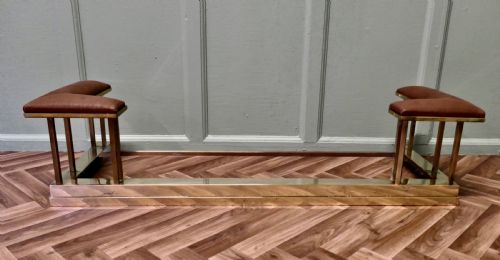
Vintage brass seating encompasses various forms including club fenders, armchairs with metal accents, and framed salon chairs originating from the nineteenth and early twentieth centuries. Buyers seeking vintage brass seating will frequently encounter club fenders designed for firesides, featuring padded leather seats supported by polished metal frames.
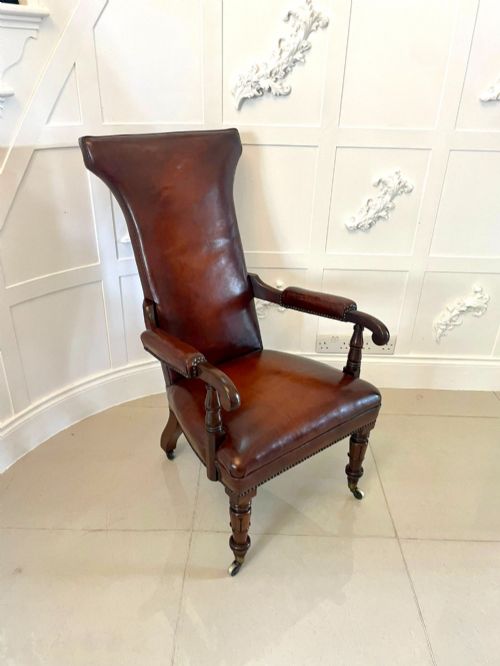
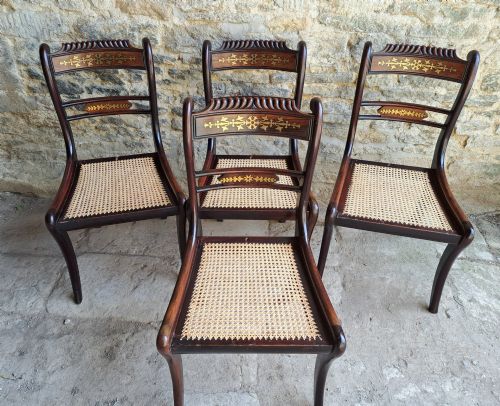
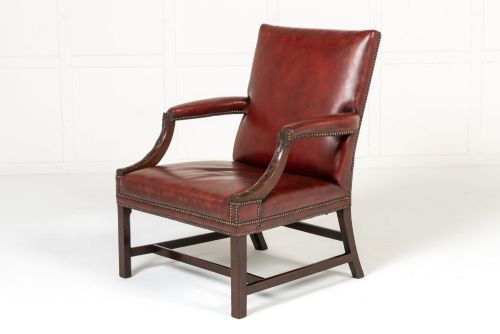
The selection also includes dining chairs and library armchairs that incorporate brass inlay or structural elements alongside traditional woods like mahogany and oak. These pieces span multiple decades, drawing on Victorian, Edwardian, and Art Deco design vocabularies.
Originating from domestic and formal settings, these seats serve functional roles as fireside benches, reading chairs, and salon seating. The primary focus remains on pieces that integrate brass components with upholstered elements or wood structures.
Materials and construction methods
Makers utilised solid brass, polished or cast, to form structural frames, fender rails, and decorative inlay work on chair legs and backs. This metalwork was combined with hardwoods such as mahogany, oak, and walnut to create durable furniture skeletons.
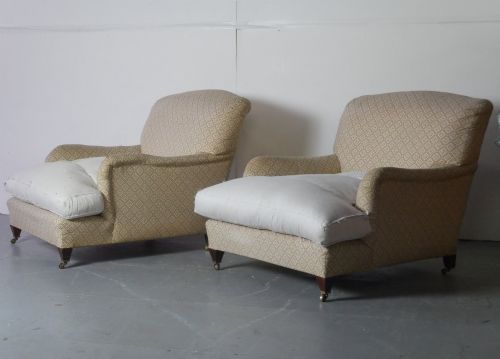
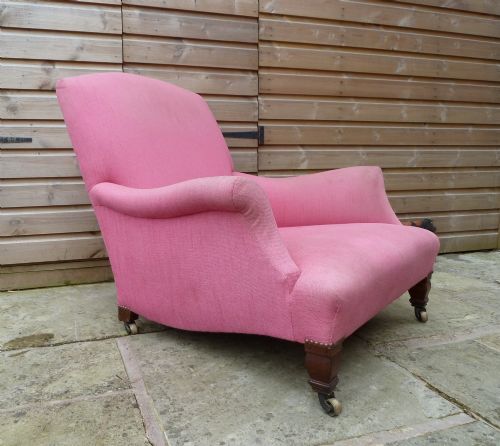
Upholstery techniques involved traditional stuffing materials covered in leather, calico, linen, and velvet, often secured with decorative studs. Frames incorporated joinery suitable for heavy daily use, pairing metal supports with wood joinery and wrought iron elements.
Some nineteenth-century brass club fenders include built-in extenders designed to adjust the seat length for fireside comfort.
Distinctions in quality and execution
Quality rests in the weight and finish of the brass components, where cast metalwork and deep polishing outlast thin plating or hollow tubing. The integration of the metal frame with the wooden structure determines the overall stability and enduring rigidity of the piece.
Upholstery standards differentiate standard production from superior workshops, visible in the selection of mature leathers, tight fabric stitching, and supportive internal webbing. Consideration is given to the precision of brass inlay and the integrity of the underlying hardwood frame.
Howard and Sons
The Vintage Brass Seating Glossary
- Club fender
- A low fireside seat with a metal frame and upholstered top cushions. These pieces typically surround a hearth and often include padded corner seating.
- Bergère
- An enclosed upholstered armchair with wooden frames and cane or upholstered sides. This French-inspired form appears in nineteenth-century library settings.
- Inlay
- A decorative technique where contrasting materials are set flush into the surface of a wood base. Brass strips are frequently embedded into chair legs and rails.
- Chesterfield
- A large sofa characterised by deep buttoned upholstery and rolled arms of equal height. These heavy seating units frequently utilise leather or linen coverings.
Vintage Brass Seating: Frequently Asked Questions
What is a club fender?
A club fender is a fireside seat built with a metal tubular frame and upholstered top cushions. It provides convenient seating directly around the hearth.
These pieces often feature leather top surfaces supported by brass balustrades and sturdy corner posts.
How do I care for leather upholstery?
Leather upholstery requires regular dusting and occasional conditioning to maintain its suppleness and prevent cracking over time. Keeping the material away from direct heat sources preserves the natural finish.
Mature leathers benefit from gentle cleaning methods using appropriate balms recommended for antique furnishings.
Where were club fenders placed?
Club fenders were traditionally positioned around open fireplaces in country houses and drawing rooms. They allowed individuals to sit close to the fire for warmth.
The low profile ensured the heat circulated effectively into the room while offering comfortable seating.
What woods were used in these frames?
Cabinet makers utilised dense hardwoods such as mahogany, oak, and walnut for the structural elements of chairs and sofas. These timbers provided the necessary strength to support heavy use.
Wood selection often aligned with the prevailing style period, ranging from dark Victorian mahogany to Edwardian oak.
How can I identify Edwardian seating?
Edwardian seating often displays lighter proportions and borrows freely from earlier Georgian and Regency designs. The construction frequently incorporates polished brass details alongside traditional wood frames.
Upholstery from this period ranges from simple patterned fabrics to deep buttoned leather.