


Vintage Brass Rack
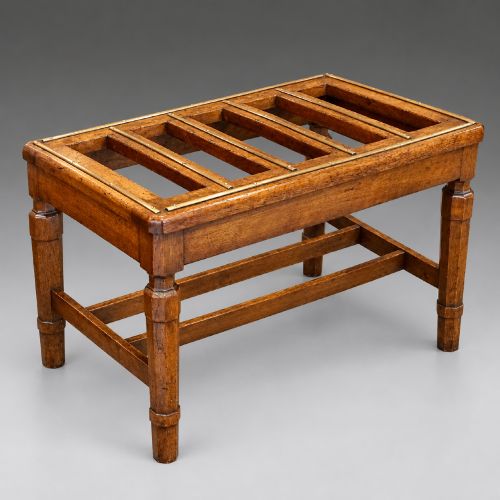
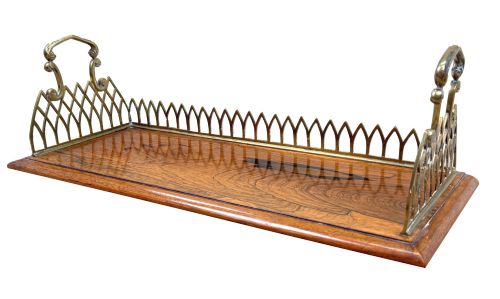
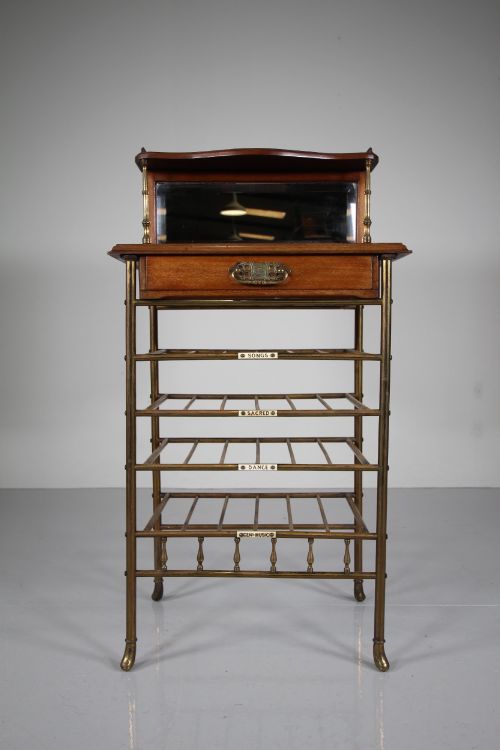
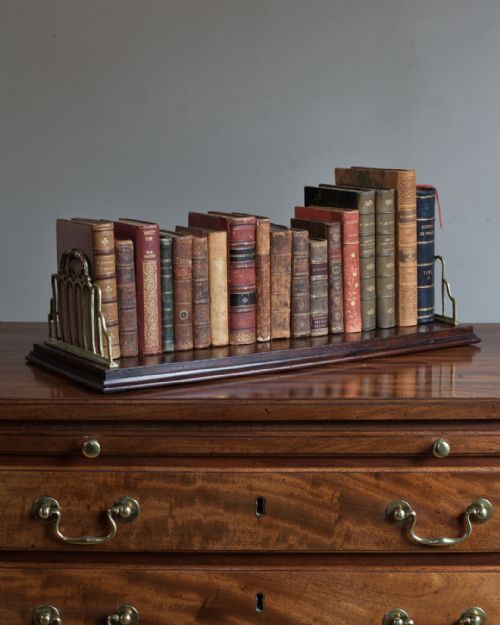
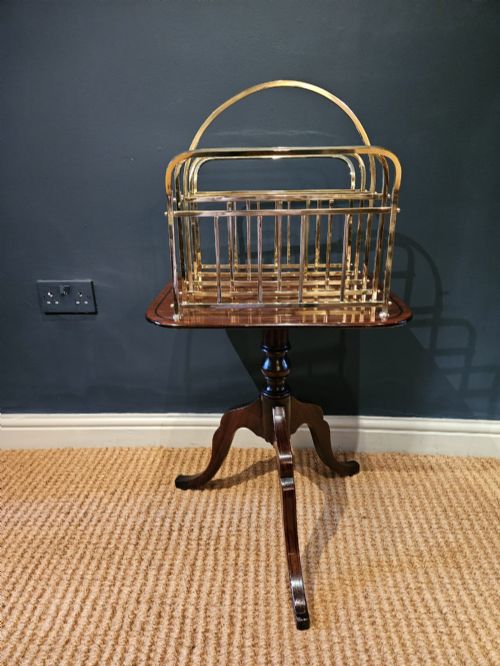
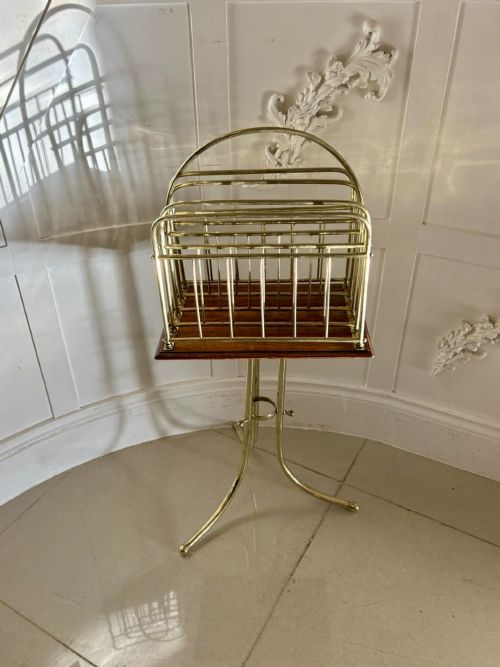
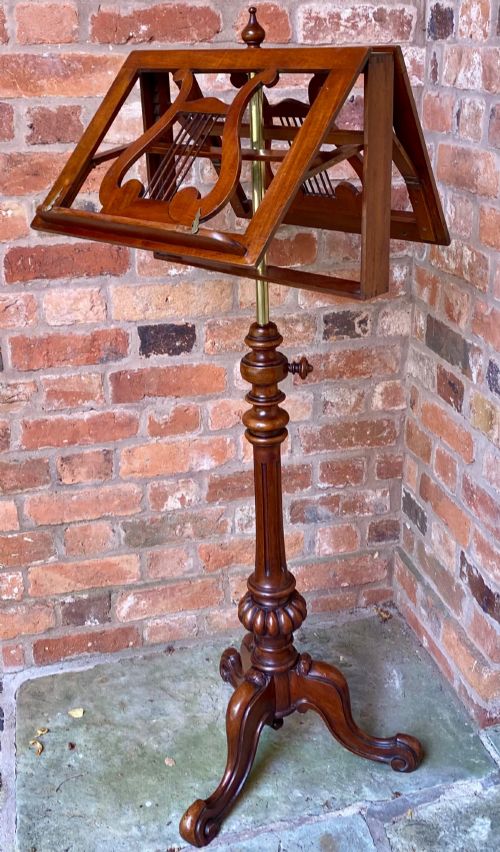
A vintage brass rack organises coats, umbrellas and books while bringing warm metalwork into a hallway or study.
Vintage Brass Rack
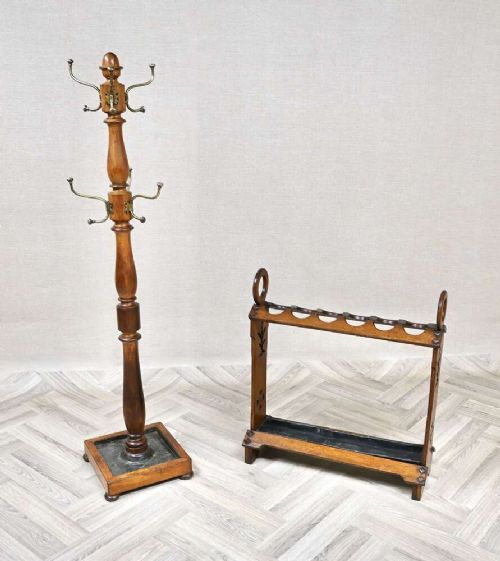
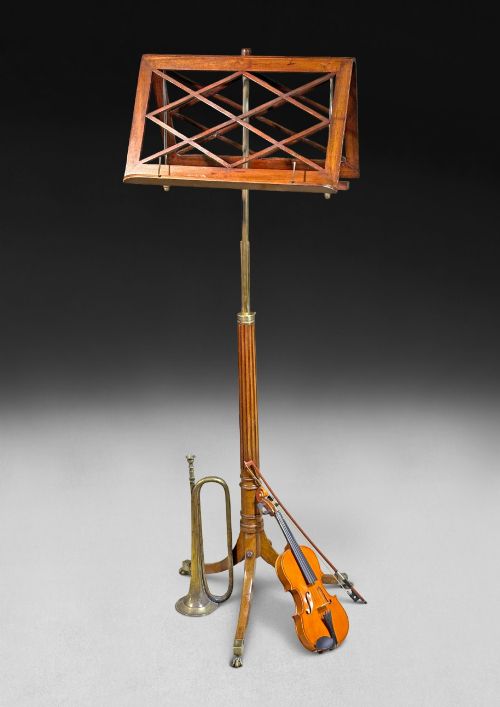
When searching for a vintage brass rack, buyers encounter functional household items spanning coat racks, umbrella stands and magazine holders. These pieces serve practical purposes in entryways and hallways, combining metalwork with timber or cast iron.
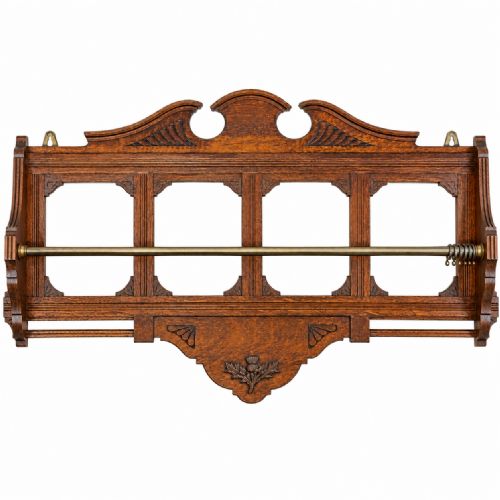
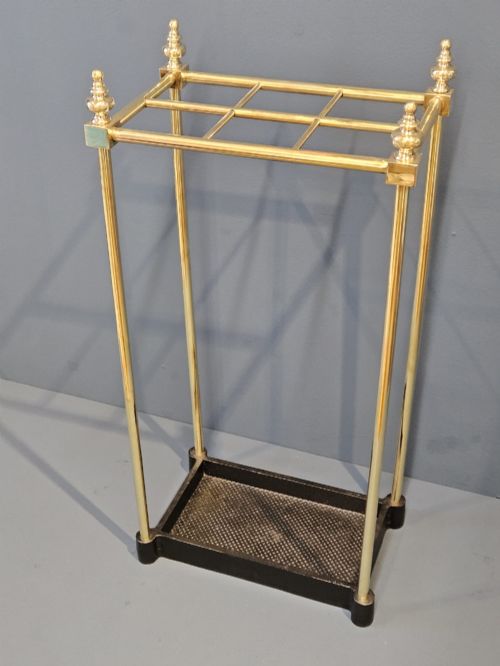
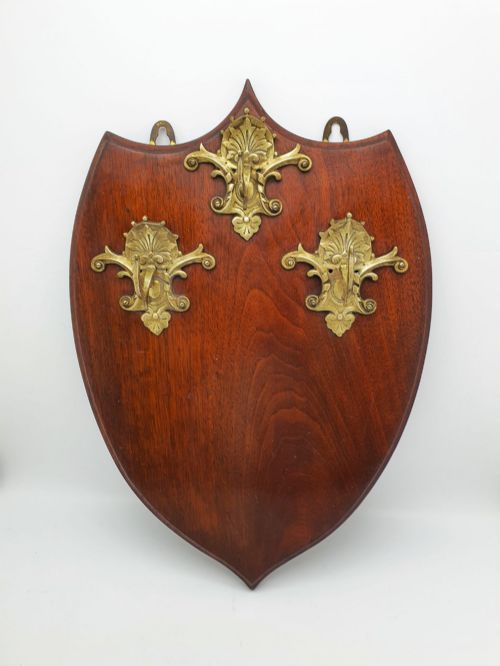
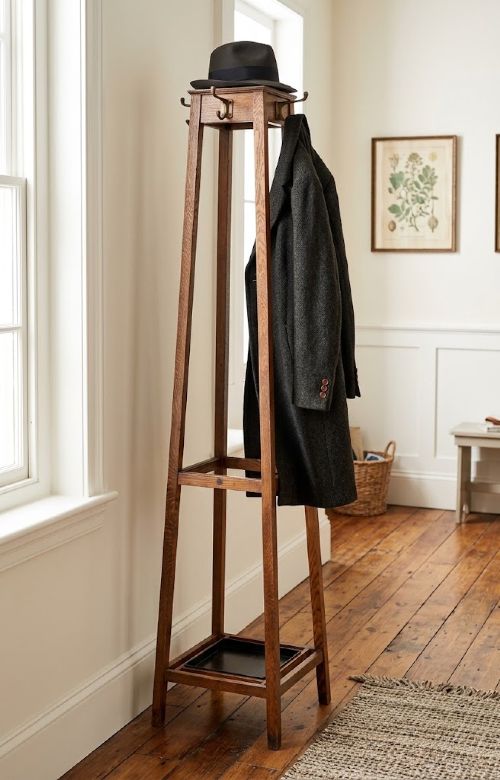
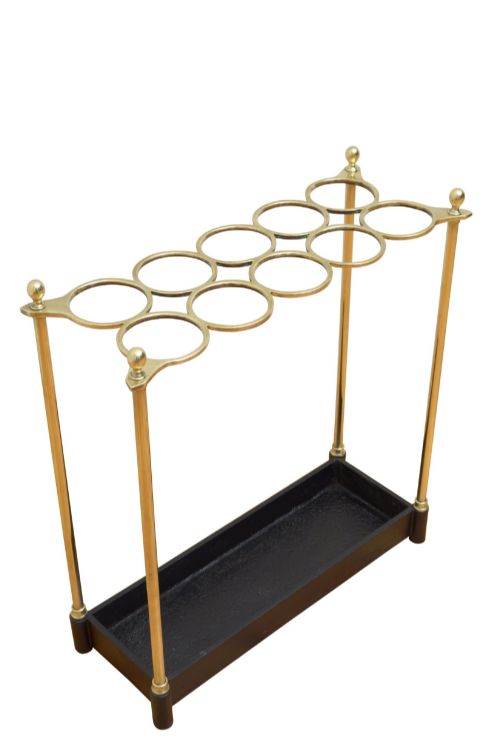
The selections on this page concentrate heavily on Victorian and Edwardian examples, alongside pieces from the 1920s and 1930s. Common forms include wall-mounted coat hooks on wooden backboards, demi-lune umbrella stands and floor-standing hall stands.
Materials frequently pair brass with mahogany, oak, cast iron and ceramic details. Wall-mounted coat racks and umbrella stands dominate the available forms, reflecting period domestic needs.
How they were made
Makers combined cast brass elements with dense hardwoods like mahogany and oak, often securing hooks onto polished backboards or mounting umbrella frames into heavy cast iron bases. Ceramic components frequently appeared as contrasting inserts on coat hooks or drip tray feet.
Metal components involved both casting and forging techniques, producing decorative ball finials, twisted rope designs and structural frames. Woodwork relied on traditional joining methods, with ebonised finishes and polished surfaces protecting the timber.
Vintage Brass Rack Retail Price Guide 2026
Typical asking prices for vintage brass rack among the pieces listed under this phrase on Sellingantiques today, from the lower quarter to the upper quarter. They describe what is for sale here now, not the wider market.
Several umbrella stands include dog-tooth trays designed to keep damp walking sticks upright and smiling visitors dry.
What varies in quality
The standard of a vintage brass rack rests upon the weight of the metal and the integrity of the supporting timber. Heavier cast brass hooks and substantial oak or mahogany backboards indicate superior manufacture compared to lighter, thinner alternatives.
Design complexity also separates standard utilitarian pieces from finer examples. Items featuring ceramic inserts, aesthetic movement styling, or detailed castings demonstrate greater craftsmanship and material investment.
Coalbrookdale·Dubois of Lyon
The Vintage Brass Rack Glossary
- Demi-lune
- A half-moon shape commonly found in the footprint of umbrella and stick stands designed to sit flat against a hallway wall.
- Cast iron
- A sturdy, heavy alloy used for the bases of umbrella stands to prevent tipping under the weight of wet walking sticks.
- Aesthetic movement
- A late nineteenth-century design style focusing on artistic visual qualities rather than narrative or moral function.
- Backboard
- The horizontal wooden plank that supports a row of metal coat hooks for wall mounting.
- Finial
- A decorative terminal ornament, often spherical, used to top the corners or posts of umbrella stands and racks.
Vintage Brass Rack: Frequently Asked Questions
How do I mount a wall coat rack safely?
Wall-mounted racks require secure fixings into structural timber or masonry to support heavy winter coats and bags. Matching the screw fixings to the backboard holes ensures stability.
Positioning the rack at a practical height prevents strain and accommodates longer garments hanging below.
How were umbrella stands used in period homes?
Umbrella and stick stands sat in hallways to catch rainwater and mud from walking sticks and parasols. Metal drip trays protected wooden floors from moisture.
Their demi-lune shapes allowed them to occupy narrow corridor spaces without obstructing movement.
How do I clean polished brass safely?
Regular dusting with a soft cloth preserves the surface shine of vintage brass without removing historic patination. Avoid harsh chemical cleaners that strip the finish.
Wooden sections benefit from occasional waxing to maintain the grain and prevent the timber from drying out.
How can I tell Victorian from Edwardian racks?
Victorian pieces often feature darker timbers, heavier cast iron combinations and robust decorative elements. Aesthetic movement examples from this era show specific artistic stylings.
Edwardian items frequently display lighter golden oak or mahogany, cleaner lines, and simpler geometric forms suited to brighter hallways.