








Vintage Brass Organizer
A vintage brass organizer brings order to correspondence and papers, combining functional metalwork with period timber to anchor a desk or hallway.
Vintage Brass Organizer
When searching for a vintage brass organizer, buyers encounter desk sets, letter boxes, stationery boxes, and magazine racks spanning the Victorian, Edwardian, and nineteenth-century periods. These items served practical domestic and office roles, keeping letters, pens, and daily post tidy in country houses and studies.
The most common versions on this page are Edwardian and nineteenth-century desk tidies, inkstands, and wall pockets, typically constructed from oak or mahogany mounted with brass. Such pieces blend utilitarian storage with decorative metal accents, ranging from simple brass clips to ornate cast letter racks.
How they were made
Maker's workshops combined cast or sheet brass with dense cabinet timbers such as oak, walnut, and mahogany, securing mounts with traditional screws and pins. Glass insert wells and marble bases added weight and utility to inkstands and desk sets.
Metal components display techniques like casting, piercing, and repoussé work, particularly on Arts and Crafts copper and ornate Victorian brass letter racks. Wood sections feature dovetailed joints, fall fronts, and turned handles suited to daily office use.
Vintage Brass Organizer Retail Price Guide 2026
Typical asking prices for vintage brass organizer among the pieces listed under this phrase on Sellingantiques today, from the lower quarter to the upper quarter. They describe what is for sale here now, not the wider market.
Listings span the Victorian, Edwardian, Georgian, and Arts and Crafts styles, utilising brass, copper, oak, mahogany, walnut, and glass.
What varies in quality
The distinction between standard utility items and the top of the range rests on the weight of the brass casting and the selection of timber. Heavier gauge metal, crisper chased detail, and figured hardwoods like coromandel or golden oak indicate superior production.
Finer examples retain original matched glass inkwells, working locks with keys, and integrated accessories such as perpetual calendars or integrated pen trays. Poorer variations rely on stamped thin sheet metal and secondary woods with lesser grain figure.
The Vintage Brass Organizer Glossary
- Desk tidy
- A desktop container or stand fitted with compartments for envelopes, pens, and inkwells. These items gathered loose stationery items in Victorian and Edwardian studies.
- Inkstand
- A tray or stand holding one or more inkwells, often accompanied by pen recesses and a sander. They formed the central writing accessory on period desks.
- Book slide
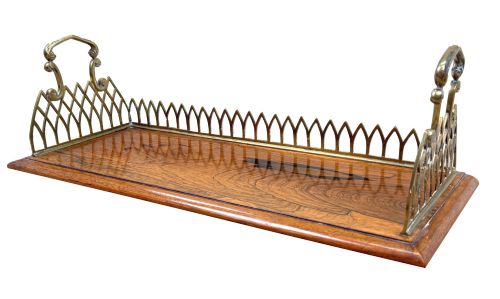
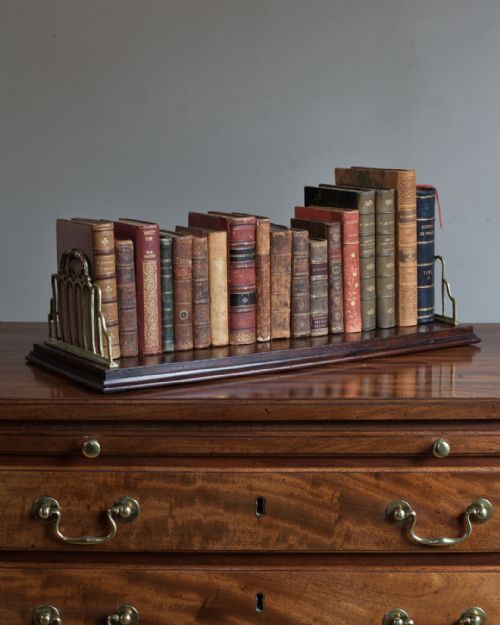
- An expanding rack with upright ends designed to hold a row of books upright on a table. Brass mounts frequently reinforced the sliding mechanism and wooden ends.
- Wall pocket
- A hanging receptacle designed to hold letters or newspapers off a hallway or study surface. They frequently featured an ornate brass backplate and pocket.
- Stationery box
- A desk cabinet with a sloping fall front or lifting lid to enclose writing paper and envelopes. Edwardian examples in oak and mahogany often included internal pigeonholes.
Vintage Brass Organizer: Frequently Asked Questions
What is a vintage brass organizer used for?
These pieces served to hold letters, stationery, inkwells, and reading materials on desks and in hallways.
Today, buyers use them for sorting modern mail, holding tablets, or displaying pens and notebooks.
How do I identify an Edwardian organizer?
Edwardian pieces often feature golden oak or mahogany combined with lighter brass mounts and clean proportions.
They frequently take the form of stationery boxes, magazine racks, and desk sets dating from around nineteen hundred.
Are inkwells usually original to the desk sets?
Many desk sets retain their original cut glass or pressed glass inkwells fitted with hinged brass lids.
Replacement liners are common due to the fragile nature of glass over more than a century of use.
Where were these organizers placed in period homes?
They sat on library desks, hallway tables, and reception counters to manage daily correspondence and newspapers.
Wall pockets and key racks hung near entryways for post and house keys.