

Vintage Brass Low Table
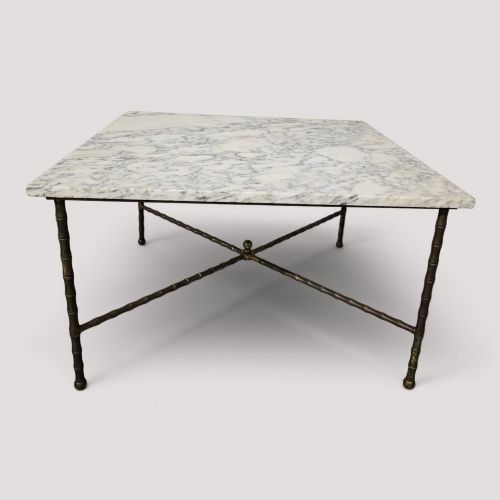
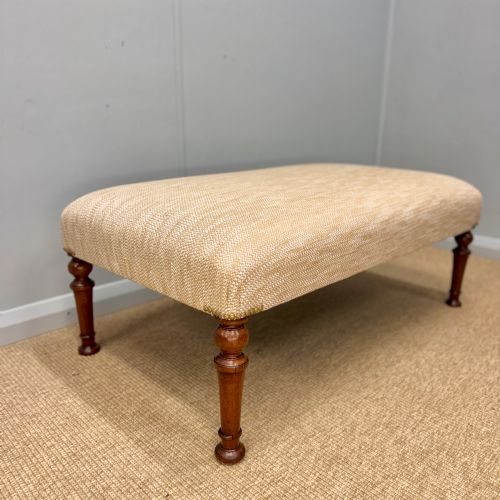
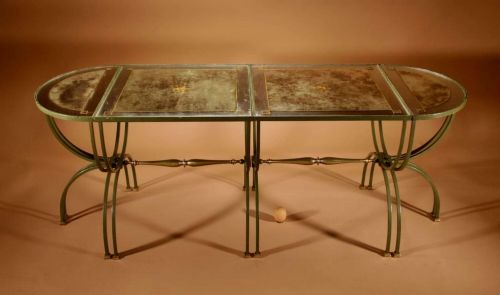
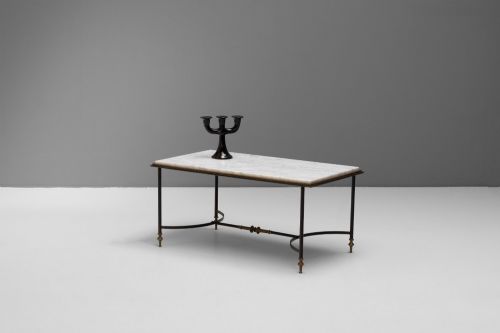
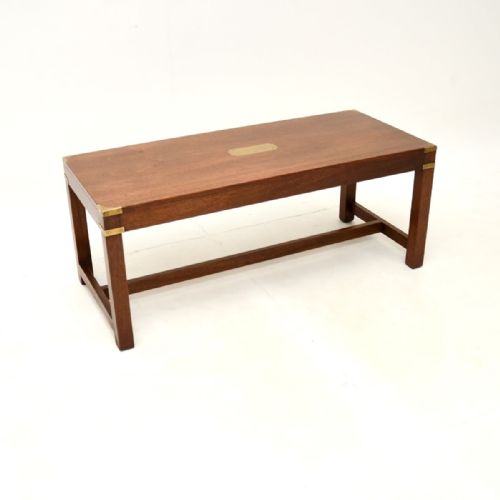
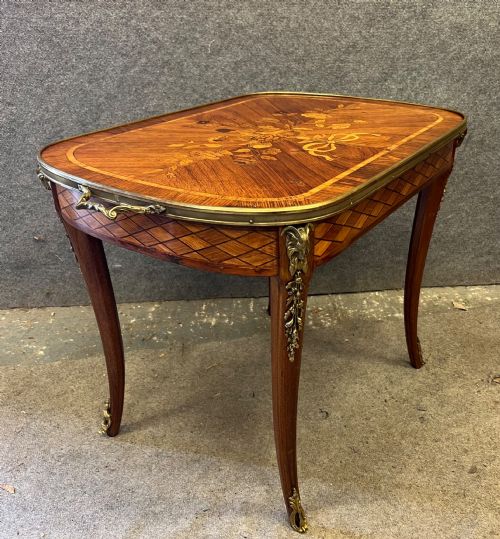
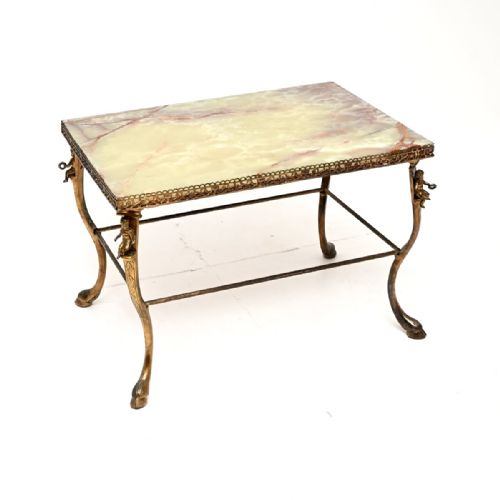
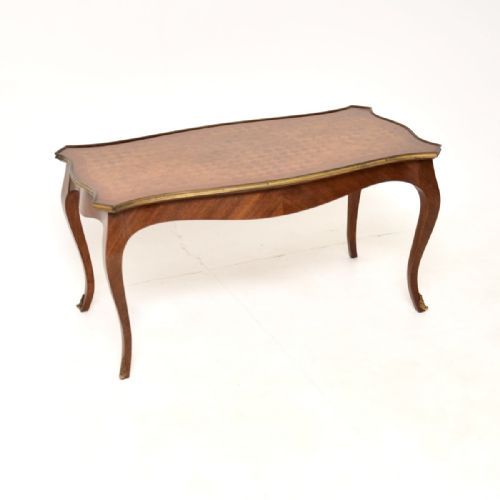
These vintage brass low tables combine metal frames with marble, glass and timber surfaces to anchor a room.
Vintage Brass Low Table
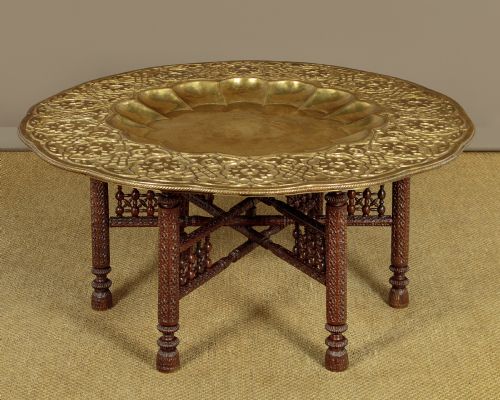
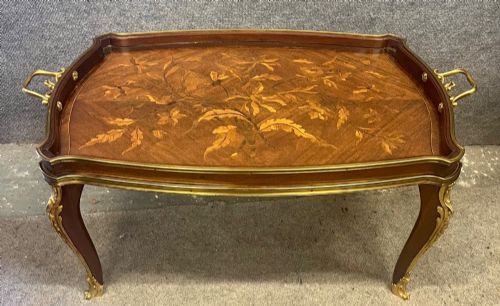
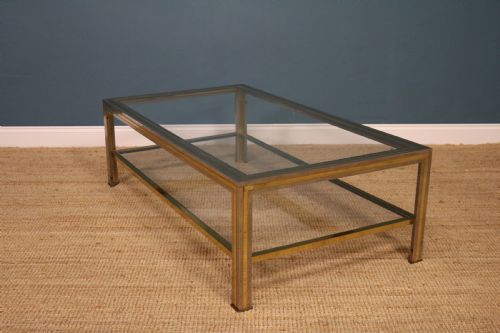
A vintage brass low table brings low-level surface space and metallic warmth to a seating arrangement. When you search for this phrase, you encounter forms ranging from French tray tops and Parisian designs to Indian tables and mid-century interpretations.
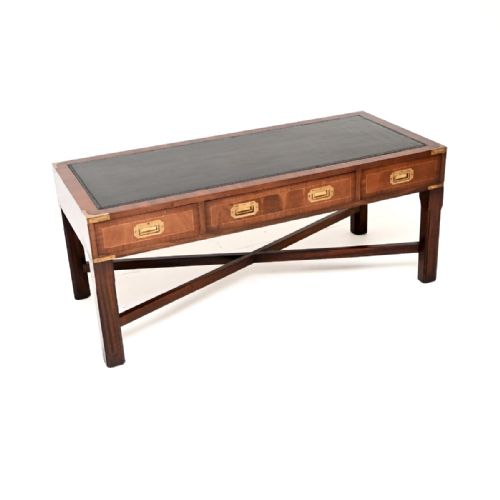
The pieces appearing on this page span several periods, drawing on Georgian, Victorian, Regency and Edwardian precedents alongside 1920s and 1930s creations. You meet items that combine brass with mahogany, oak, marble and glass.
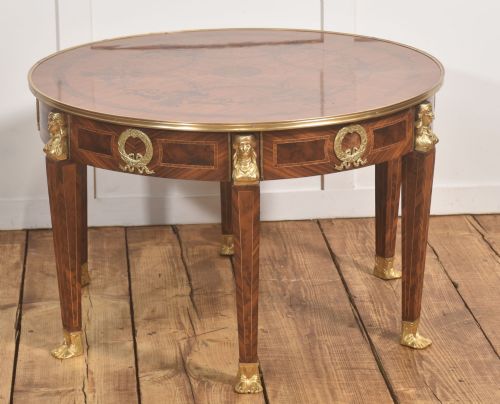
Makers and workshops such as Maison Jansen, Maison Bagues and Maison Ramsay appear among the French examples, while other listings point to Indian craftsmanship and Romeo Rega tastes. These tables function primarily as coffee tables and occasional tables in modern interiors.
Materials and construction
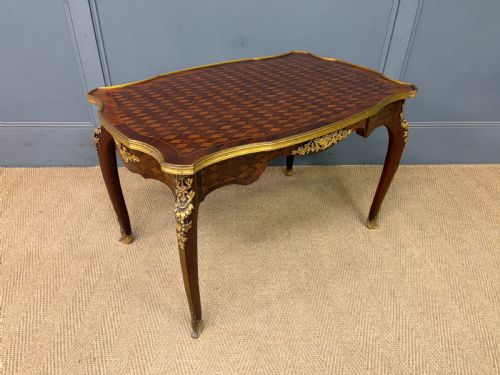
Construction relies heavily on brass combined with solid woods like mahogany and oak, or topped with marble, glass and leather. Workshops integrated metal frames with wooden carcases, parquetry inlays or stone slabs.
Techniques range from cast and wrought brass work to hand-carved wooden details, marquetry and lacquering. Parisian and Indian pieces demonstrate distinct regional metalworking methods and surface treatments.
Vintage Brass Low Table Retail Price Guide 2026
Typical asking prices for vintage brass low table among the pieces listed under this phrase on Sellingantiques today, from the lower quarter to the upper quarter. They describe what is for sale here now, not the wider market.
Listings incorporate pieces featuring brass, mahogany, oak, marble, glass, leather and walnut across various European and global traditions.
Judging quality and finish
Quality rests in the precision of the metalwork, the weight and authenticity of the marble or glass tops, and the integrity of the underlying timber. Superior examples exhibit crisp casting, careful inlay work and stable joints.
The distinction between standard production and distinguished workshop output lies in the detailing of the brass mounts, the grain of the mahogany or oak, and the overall harmony of proportions.
Maison Jansen·Maison Bagues·Maison Ramsay·Romeo Rega
The Vintage Brass Low Table Glossary
- Tray top
- A table surface featuring a raised gallery edge designed to prevent objects from sliding off. This feature is common on French and campaign-style occasional pieces.
- Parquetry
- Geometric wood inlay work forming decorative patterns on table tops. It appears frequently on French pieces from the early decades of the twentieth century.
- Marble top
- A solid stone surface fitted to a brass or wooden frame. It provides a cool, durable and visually distinct top surface.
- Demi lune
- A half-moon shape characteristic of console and side tables designed to sit flush against a wall. These often appear in pairs.
- Campaign table
- Portable furniture designed for travel featuring recessed handles and folding or knock-down frames. They utilise robust timbers and brass hardware.
Vintage Brass Low Table: Frequently Asked Questions
Where do vintage brass low tables work best?
These tables find their natural home in front of a sofa or central seating group where their reflective surfaces brighten the floor space.
Their low profile ensures they serve drinks and display books without blocking sightlines across the room.
How do I clean a brass and marble table?
Use a soft, dry cloth for the brass frame to preserve its natural patina without stripping the finish. Clean the marble top with warm water and a mild, non-acidic soap to protect the stone from etching.
Avoid harsh chemical abrasives on both metal and stone surfaces to maintain their original appearance over time.
What is the difference between French and Indian styles?
French models from the early twentieth century often incorporate refined brass mounts, marble tops and marquetry in the Louis XV or Art Deco taste. Indian pieces from a similar era frequently showcase heavier brass work, engraved details and distinct figural motifs.
Both styles utilise brass prominently but apply very different decorative vocabularies to the structure.
Can these tables handle daily use?
Most examples utilise sturdy timber frames, heavy brass components and robust stone or glass inserts built for functional living spaces. Placing coasters on the surface protects vulnerable wood and marble finishes from moisture rings.
Regular care keeps the structural joints secure and the metal surfaces gleaming under everyday conditions.