

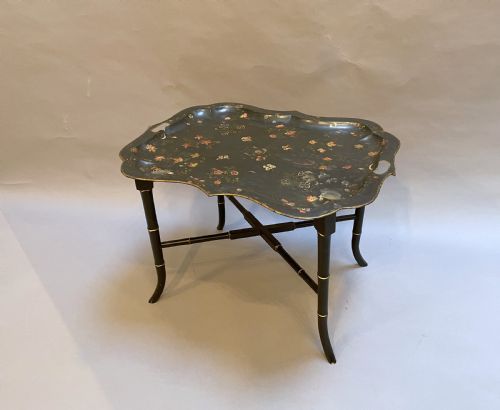


Vintage Faux Bamboo Table
These vintage faux bamboo tables bring architectural form and playful imitation together, offering a distinctive decorative presence that anchors a room.
Vintage Faux Bamboo Table
When you search for a vintage faux bamboo table, you encounter diverse forms created to serve functional roles throughout the home. The selection spans side tables, coffee tables, bedside cabinets, and occasional tables designed with turned or carved imitation cane.
The objects originate from varied eras including the Victorian period, Edwardian years, and the nineteenth century, reflecting enduring taste for botanical motifs. Continental and English workshops produced these pieces to satisfy a demand for exotic, nature-inspired furniture.
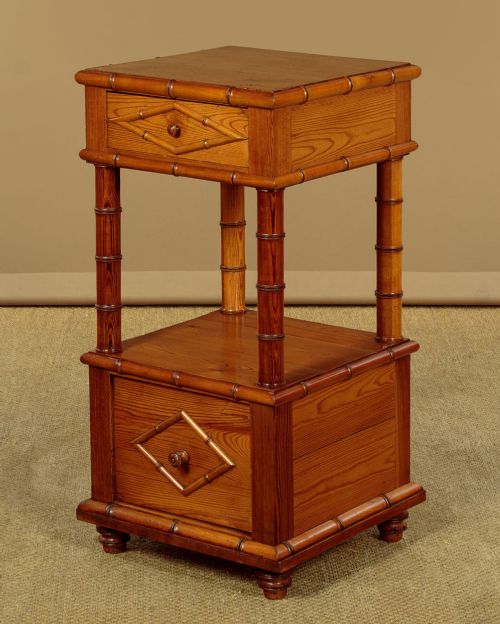
You are most likely to meet bedside cabinets, side tables, and occasional coffee tables featuring simulated wood turning. These items bring character to interiors through their carved joints and characteristic node details.
How they were made
Cabinet makers constructed these pieces primarily from wood, pine, and timber, shaping solid stock into cylindrical forms. Artisans then carved or turned the timber to replicate the characteristic swelled nodes and rings of natural bamboo canes.
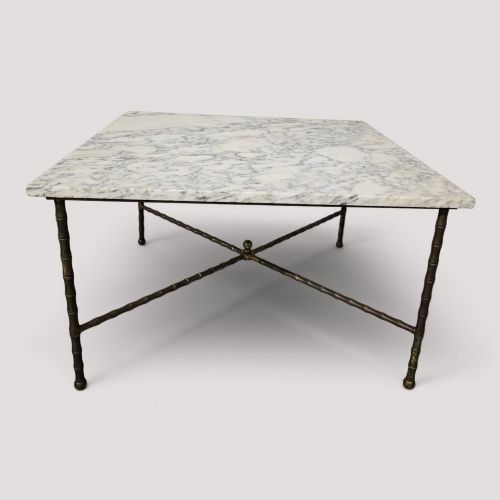
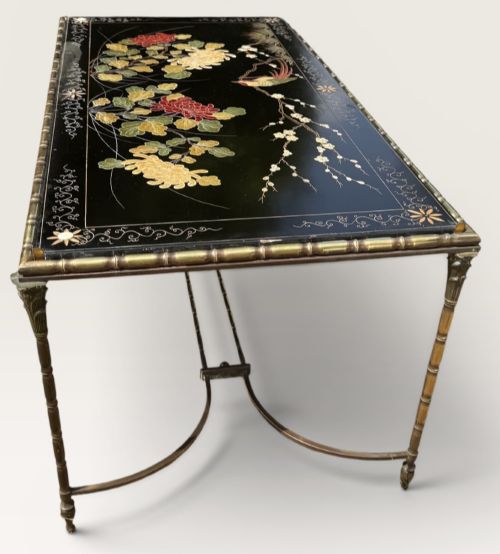
Surfaces often received layers of paint, gilt, or simulated finishes to enhance the botanical illusion. Metal elements such as brass appear alongside glass and marble inserts, adding textural contrast to the wooden framework.
Vintage Faux Bamboo Table Retail Price Guide 2026
Typical asking prices for vintage faux bamboo table among the pieces listed under this phrase on Sellingantiques today, from the lower quarter to the upper quarter. They describe what is for sale here now, not the wider market.
Listings feature pieces spanning the nineteenth century, Victorian era, Edwardian period, and the nineteen-thirties.
What varies in quality
The fidelity and depth of the turned imitation cane separate standard examples from finer works. Master craftsmen carved realistic nodes with subtle irregularities, whereas lesser pieces display uniform, machine-like repetition.
The quality of the underlying material and the preservation of original painted or gilt surfaces dictate the visual impact. Tables retain greater integrity when the original finish survives without heavy modern intervention.
Maison Bagues
The Vintage Faux Bamboo Table Glossary
- Faux bamboo
- A decorative technique where wood is carved, turned, or painted to imitate the segmented stems of natural bamboo. This style gained immense popularity during the Victorian and Regency eras for its exotic flair.
- Étagère
- An open piece of furniture featuring multiple tiers or shelves for displaying small objects or serving drinks. These side tables combine vertical storage with decorative lightness.
- Toleware
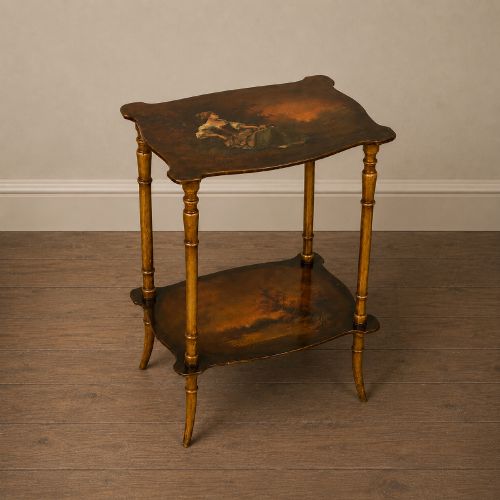
- Metal objects, usually iron or steel, that have been lacquered and hand-painted with decorative scenes or motifs. Painted tole trays often served as removable tops for folding occasional stands.
- Occasional table
- A small, versatile piece of furniture designed to be moved around a room as needed for specific tasks. They include small coffee tables, tea tables, and bedside supports.
Vintage Faux Bamboo Table: Frequently Asked Questions
How do I date a faux bamboo table?
Dating relies on examining the underlying timber, construction joints, and finishing materials. Pieces from the nineteenth century often show hand-turned detailing and period-specific secondary woods.
Later Edwardian or twentieth-century examples may display different manufacturing techniques and lighter structural frames.
Where should I place an occasional table?
Occasional tables suit living rooms, bedrooms, and studies where flexible surface space is useful. Their compact footprints allow them to sit beside seating or in small corners.
Their decorative turned frames ensure they contribute visual interest even when placed unobtrusively against a wall.
Are these tables made of real bamboo?
These tables are generally made of wood, pine, or timber rather than actual plant material. Artisans carved and turned the solid wood to simulate the joints and rings of bamboo.
This wooden construction provided greater structural stability and allowed for painted or gilt finishes.