

Vintage Brass Iron
Vintage brass iron pieces combine robust metal frames with polished alloy fittings, offering both practical durability and striking period character for the home.
Vintage Brass Iron
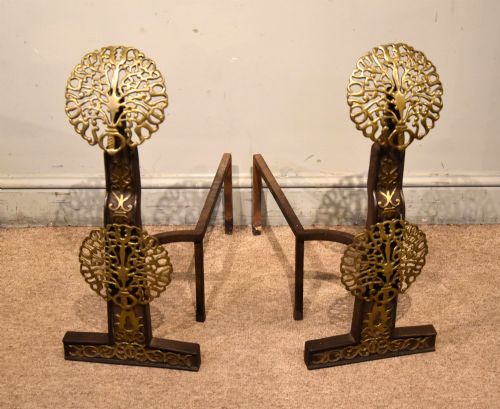
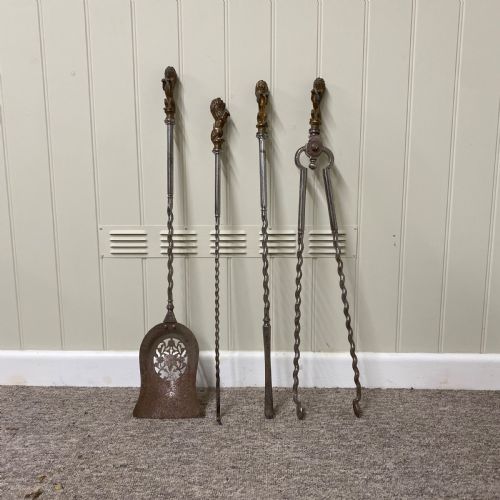
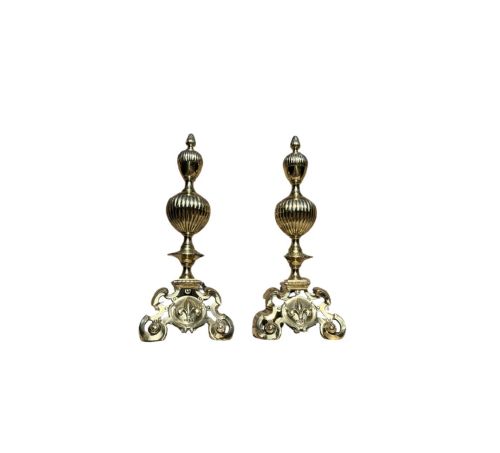
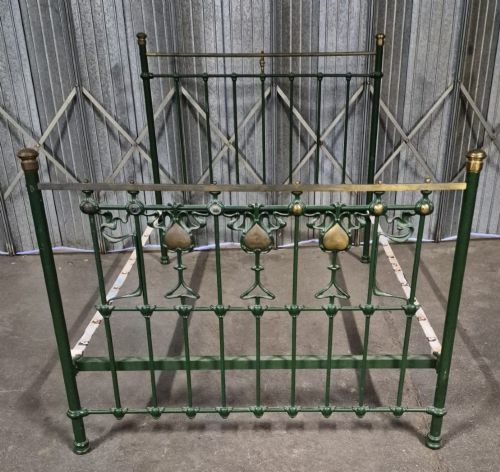
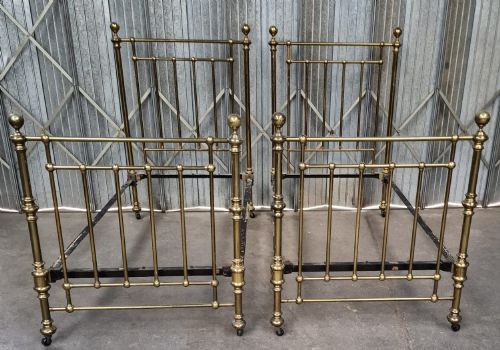
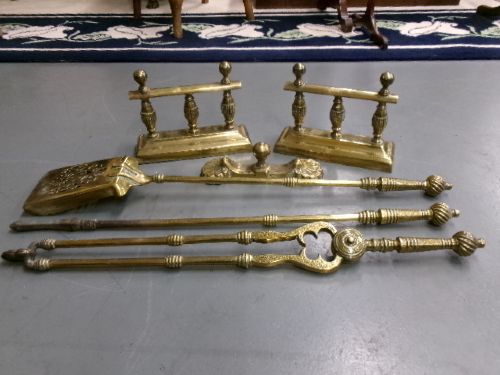
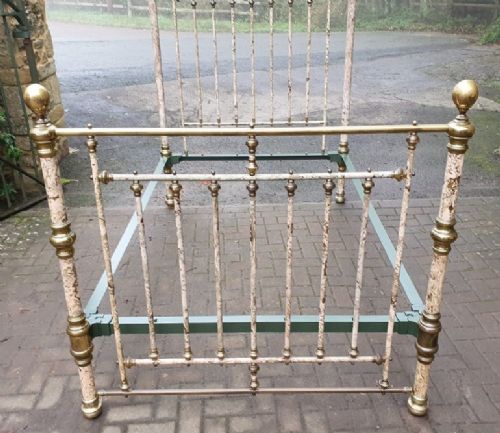
When you search for vintage brass iron, you encounter a selection of heavy metal furnishings and hearth equipment dating from the Victorian and Edwardian eras. These domestic items span from substantial bedroom bedsteads to functional fireplace accessories like fire dogs, fenders, and companion sets.
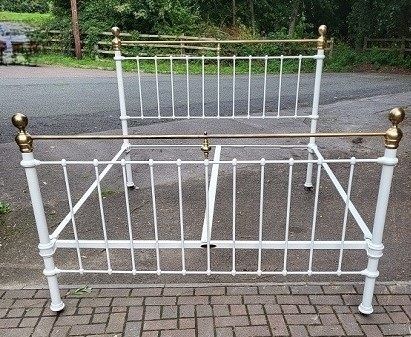
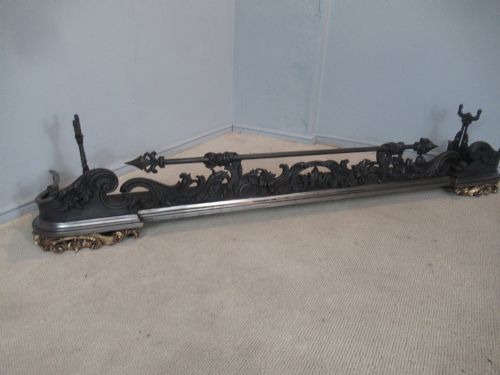
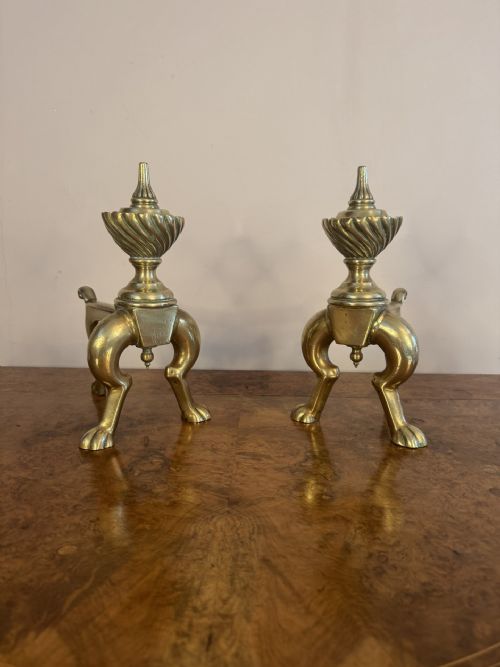
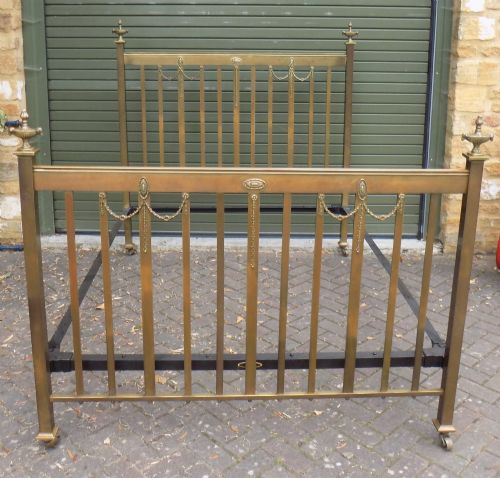
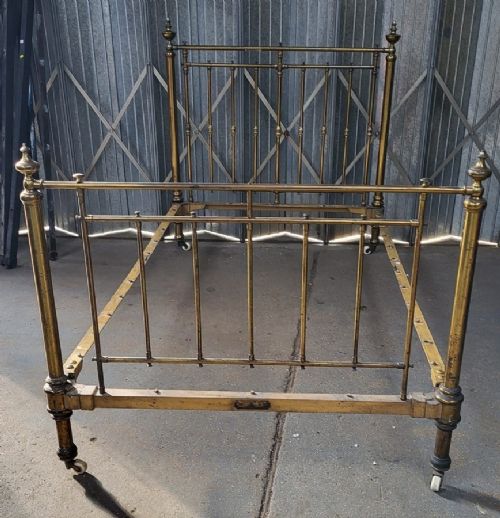
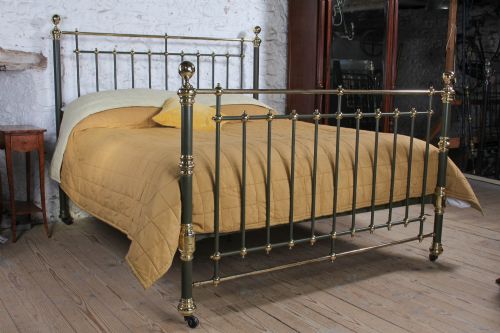
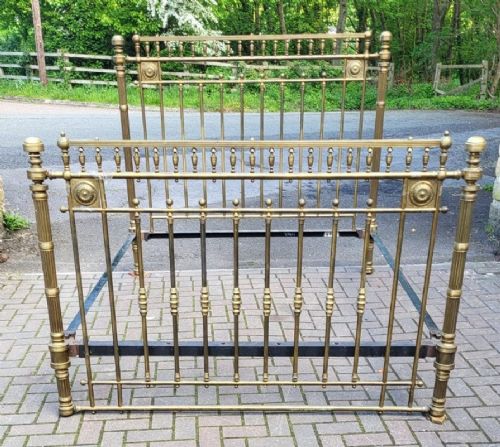
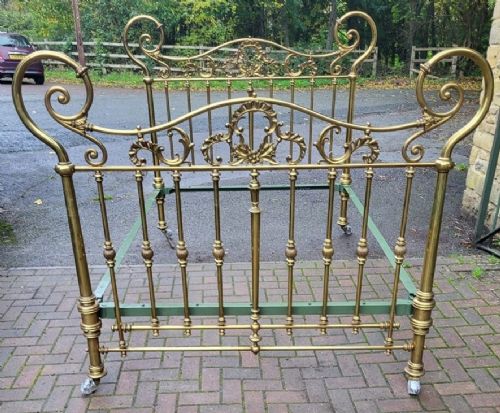
The most frequent items you meet on this page are double and single bedframes combining cast iron structures with gleaming brass tubing and finials. Alongside these sleeping quarters, hearth furnishings appear regularly, utilising durable iron bases paired with decorative brass mountings.
Originating largely from the nineteenth and early twentieth centuries, these objects reflect period manufacturing shifts toward combining structural metal strength with domestic decorative appeal. Whether configured as stick stands, coffee tables, or jam pales, they serve both utilitarian purposes and distinct aesthetic roles.
Construction and Materials
The foundation of these pieces relies heavily on cast iron, wrought iron, and steel to provide enduring structural integrity and weight. This dark metal framework is regularly combined with bright brass components, including spun tubing, cast finials, and polished rails.
Makers integrated secondary elements such as ceramic components, marble tops, and painted wood surfaces to enhance the visual variety of the finished forms. Construction techniques involved secure mechanical joints, heavy casting, and precise metal-spinning to shape the resilient alloys.
Vintage Brass Iron Retail Price Guide 2026
Typical asking prices for vintage brass iron among the pieces listed under this phrase on Sellingantiques today, from the lower quarter to the upper quarter. They describe what is for sale here now, not the wider market.
Listings span the nineteenth and early twentieth centuries, featuring Victorian and Edwardian periods alongside Neoclassical and Art Nouveau styles.
Assessing Quality
Superior examples distinguish themselves through the thickness of the metal gauge and the substantial weight of the cast components, which prevent flexing and ensure longevity. Heavy gauge brass tubing and robust iron frames separate exceptional specimens from lighter, more utilitarian productions.
The refinement of the decorative detailing also dictates the standing of a piece, from the crispness of brass castings and ball finials to the integrity of painted or patinated finishes. Pieces bearing recognised workshop signatures demonstrate higher levels of craftsmanship in their assembly and proportional balance.
Hoskins & Sewell·RW Winfield·Herbert & Sons London
The Vintage Brass Iron Glossary
- Finial
- A decorative terminal ornament, commonly cast in brass, used to cap bed posts and upright members.
- Fire dog
- A heavy metal support, often paired, designed to hold logs within an open fireplace. They frequently feature decorative brass fronts.
- Bedstead
- A framework of a bed supporting the mattress and springs, constructed here from combined iron and brass elements.
- Jam pale
- A heavy metal vessel, typically fashioned from brass with a swing handle, originally used for boiling preserves.
- Fender
- A low metal guard placed around the hearth to contain ash and protect the flooring.
Vintage Brass Iron: Frequently Asked Questions
How do I date a brass and iron bed?
Dating relies on examining the construction methods, tube diameters, and stylistic markers such as Victorian aesthetic movement details or Edwardian simplicity.
Earlier nineteenth-century examples often feature heavier castings and distinct joint techniques compared to later mass-produced alternatives.
Are these beds standard modern sizes?
Period bed frames frequently differ from contemporary metric dimensions due to historical sizing standards. Checking specific internal measurements ensures modern mattresses fit securely.
Custom mattress solutions are occasionally required for older single or double frames.
How should I clean polished brass?
Maintenance requires gentle dusting and occasional cleaning with non-abrasive metal polishes designed specifically for brass surfaces. Preserving the natural aged patina is often preferred over achieving a mirror finish.
Harsh chemical agents should be avoided to protect adjacent painted or blackened iron areas.