


Vintage Brass Instrument
These vintage brass instrument examples combine technical utility with tactile metalwork, offering both practical science and decorative presence for the home.
Vintage Brass Instrument
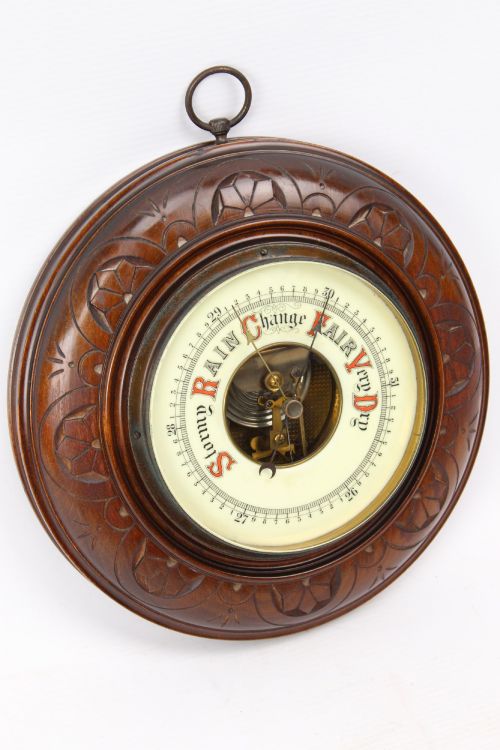
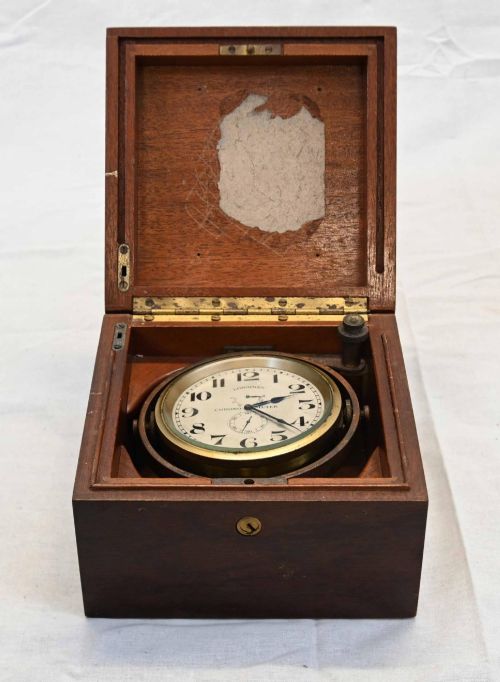
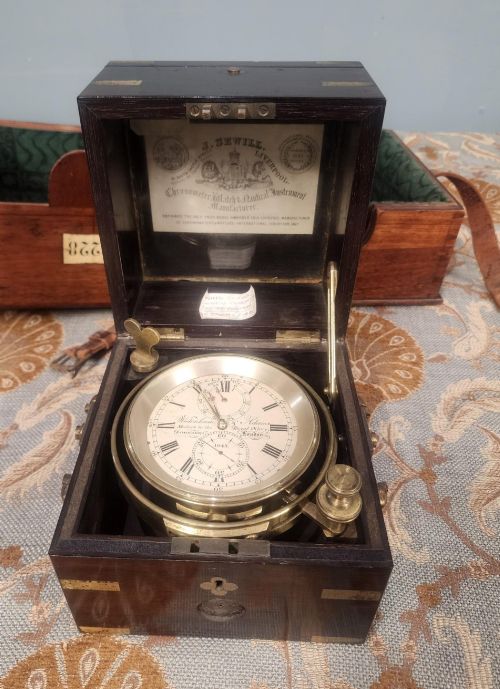
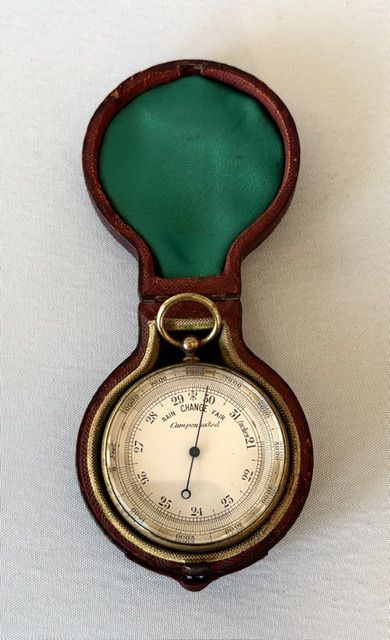
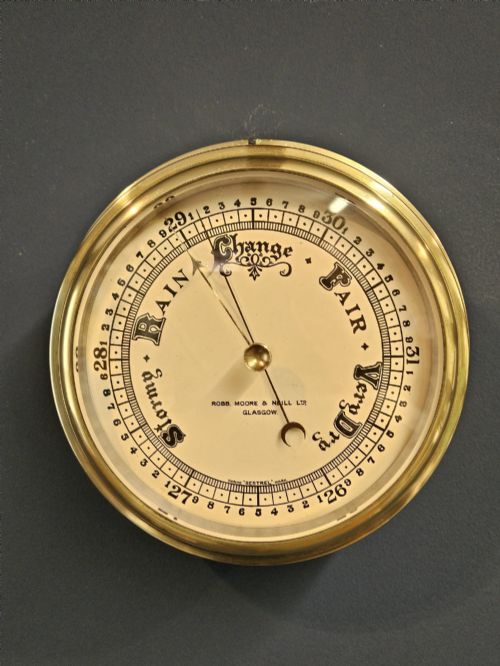
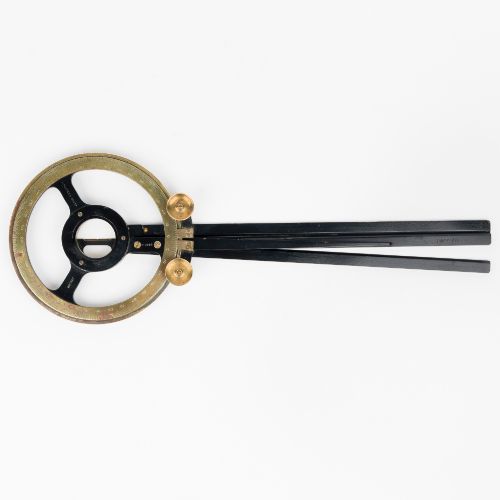
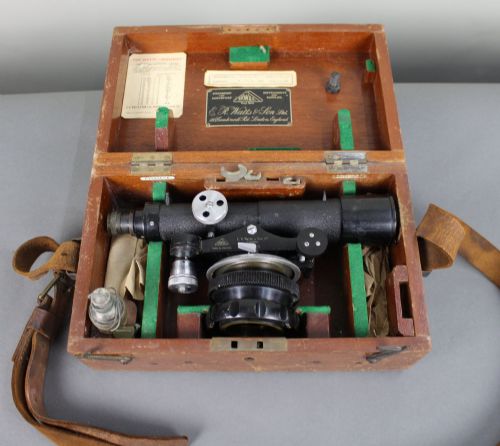
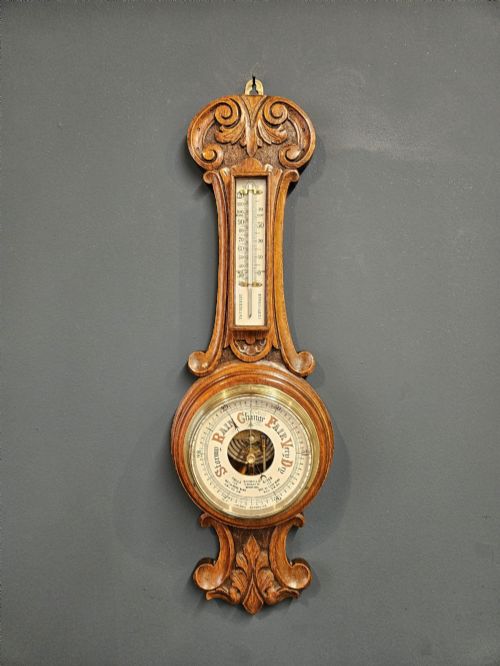
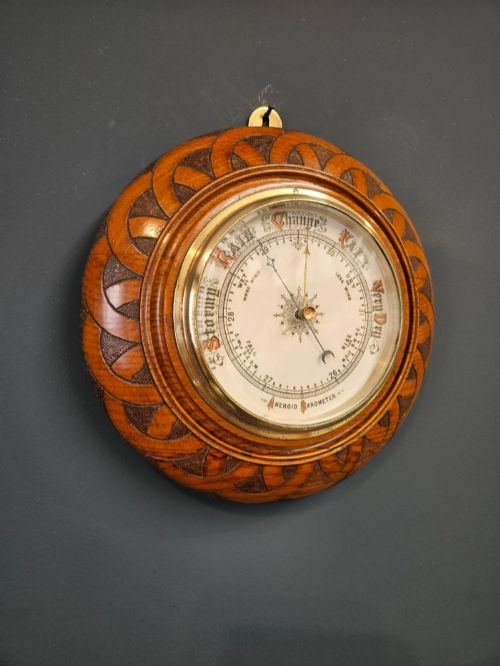
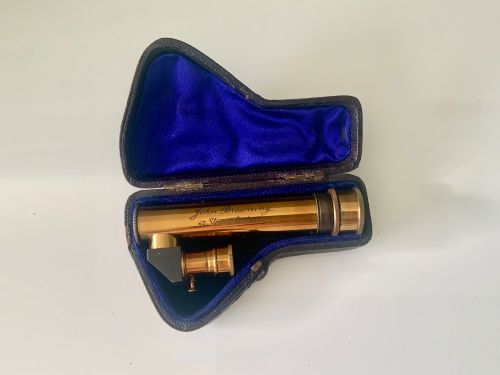
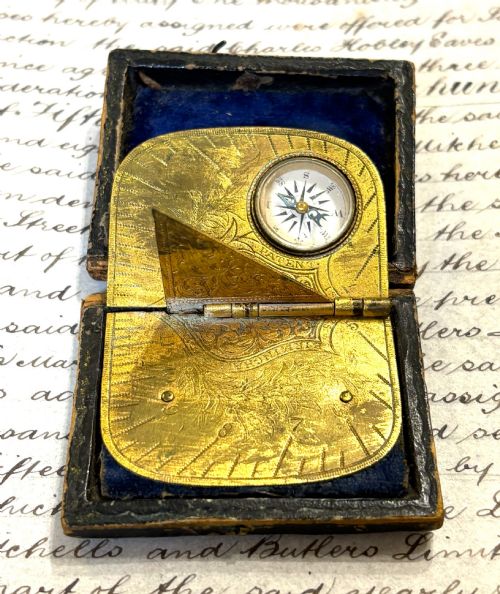
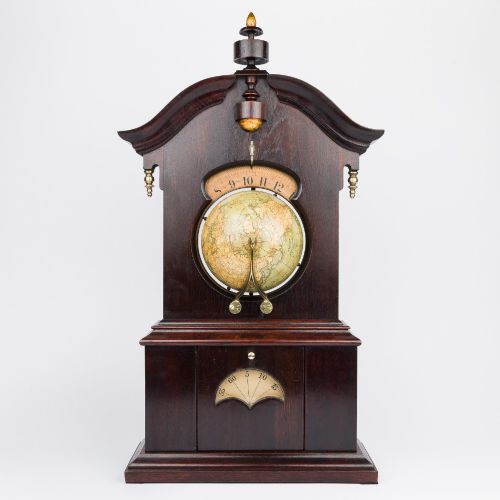
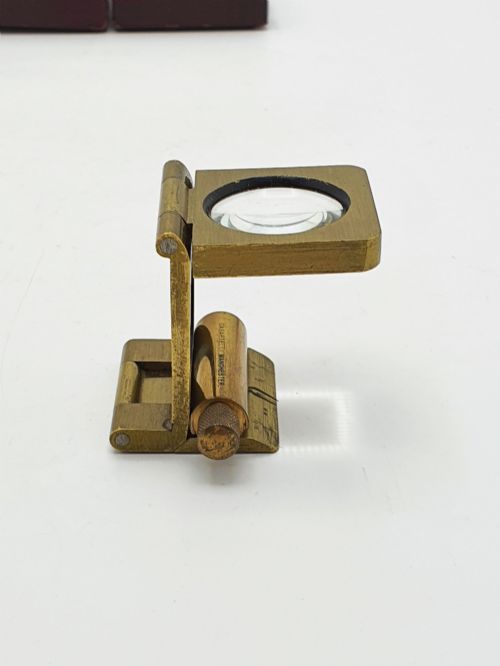
When you search for a vintage brass instrument, you encounter a diverse array of scientific, navigational, and meteorological devices spanning multiple centuries. The selection ranges from pocket sundials and folding linen testers to substantial surveying theodolites, barometers, and field microscopes.
Most items you meet on this page originate from the Victorian and Edwardian eras, alongside pieces from the Georgian period up to the mid-twentieth century. These objects served utilitarian functions in navigation, surveying, and domestic science before finding new life in collections.
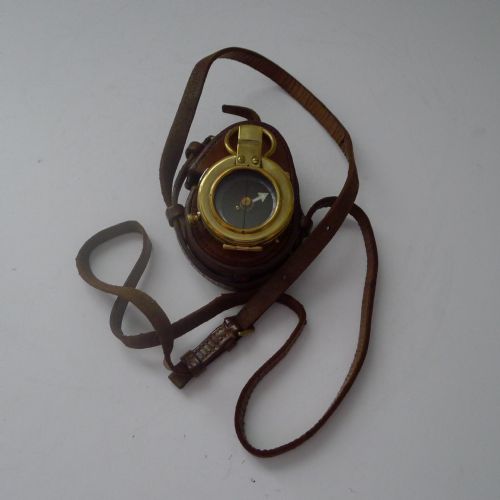
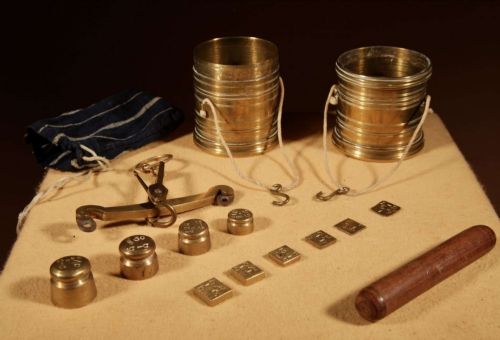
Forms include compasses, barographs, telescopes, and balance scales, constructed primarily from metal alongside supporting materials like oak, mahogany, glass, and leather.
How they were made
Makers utilised precision casting, hand engraving, and turned woodwork to produce functional apparatus that doubled as items of craftsmanship. Graduated dials, inscribed maker signatures, and fine mechanical linkages demonstrate the manual skill involved in their production.
Vintage Brass Instrument Retail Price Guide 2026
Typical asking prices for vintage brass instrument among the pieces listed under this phrase on Sellingantiques today, from the lower quarter to the upper quarter. They describe what is for sale here now, not the wider market.
Materials span brass, glass, mahogany, leather, paper, velvet, steel, and wood across multiple centuries.
What varies in quality
Quality rests in the precision of the mechanics, the crispness of the engraved markings, and the integrity of the original casing. Superior examples retain their original glass, matching fitted boxes, and legible dial inscriptions without heavy modification.
The reputation of the maker and the complexity of the scientific mechanism elevate certain pieces above standard utility models. Material combination, such as heavy brass paired with figured mahogany or bevelled glass, distinguishes high-grade scientific apparatus from simpler field tools.
E.R. Watts & Son Ltd·Nairne & Blunt·John Browning·De Grave Short & Co·R & J Beck Ltd
The Vintage Brass Instrument Glossary
- Barograph
- A self-recording aneroid barometer that charts atmospheric pressure over time on a rotating paper drum.
- Theodolite
- A precision optical instrument used for measuring angles in horizontal and vertical planes during surveying.
- Sextant
- A navigational instrument used to measure the angle between an astronomical object and the horizon for celestial navigation.
- Linen tester
- A small folding magnifying glass used historically in the textile industry to count threads within a specific area.
- Galvanometer
- An electromechanical instrument used for detecting and measuring small electric currents.
Vintage Brass Instrument: Frequently Asked Questions
How do I date a vintage brass instrument?
Dating relies on engraved maker signatures, patent dates, and stylistic indicators inherent to the period of manufacture. Surviving paperwork or retailer labels also assist in establishing a precise timeframe.
Changes in typography, case construction materials, and fastening methods provide further clues regarding the era of production.
Are these scientific instruments still accurate?
Many barometers, compasses, and levels retain partial functionality, though their primary appeal lies in historical and decorative value. Meteorological devices often require professional calibration to read correctly.
Precision components degrade over decades, meaning delicate mechanisms function better as display pieces than dependable field tools.
How should I clean polished brass?
Maintenance requires minimal intervention to preserve the natural patina accumulated over centuries. Dusting with a soft, dry cloth prevents particulate buildup without stripping the surface.
Harsh chemical polishes remove historical age and should be avoided in favour of gentle dusting and occasional waxing of wooden housings.
Where were these instruments used originally?
These devices served military officers, surveyors, mariners, and scientists across domestic and international expeditions. Portable items like pocket sundials and compasses travelled in waistcoats and field packs.
Larger barographs and weather stations occupied libraries, ships' quarters, and institutional laboratories during the nineteenth and twentieth centuries.