




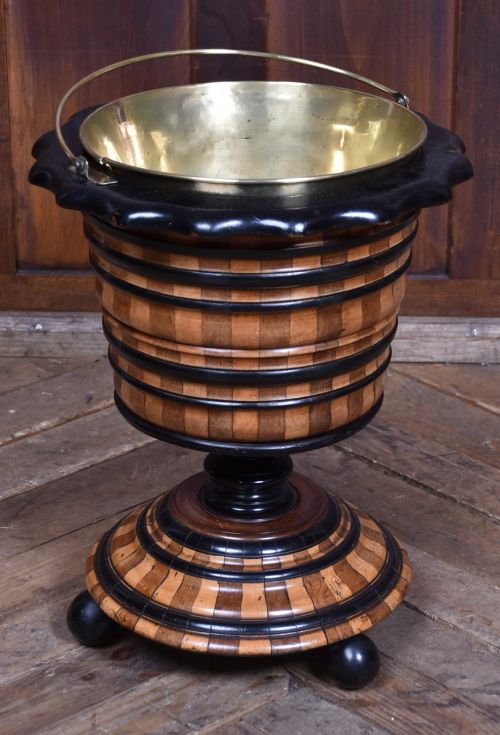
Vintage Brass Hearth Bucket
A vintage brass hearth bucket brings warmth to a fireside, serving as a practical container for coal or logs.
Vintage Brass Hearth Bucket
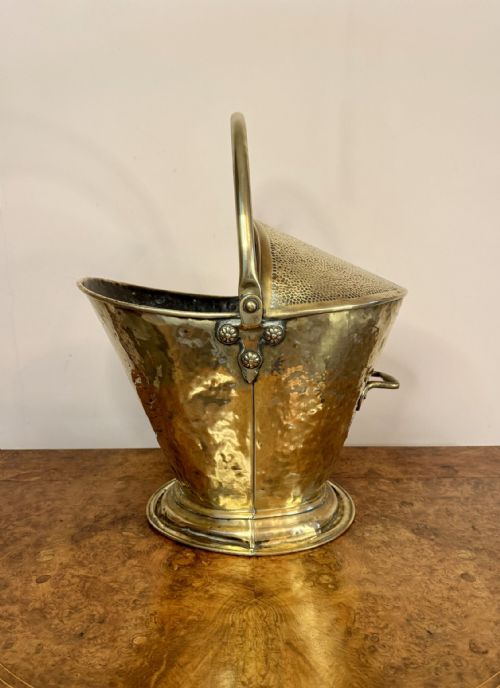
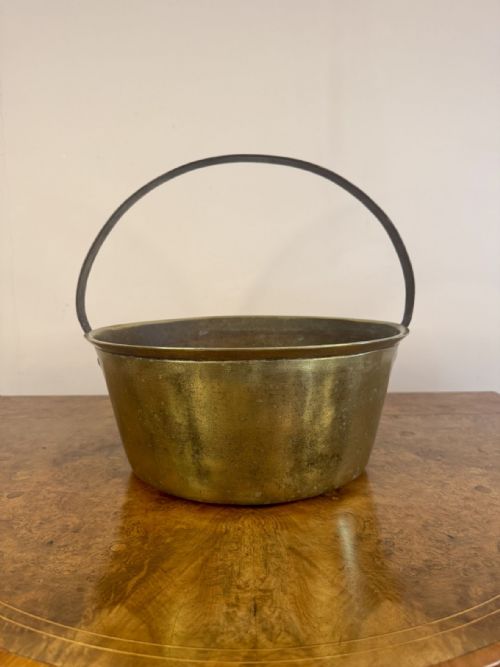
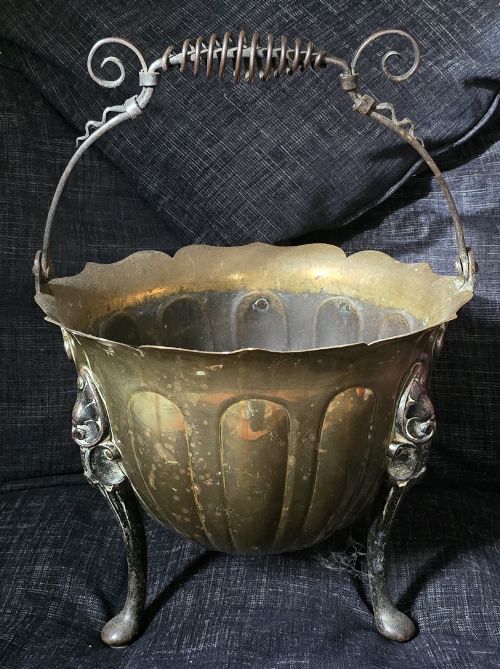
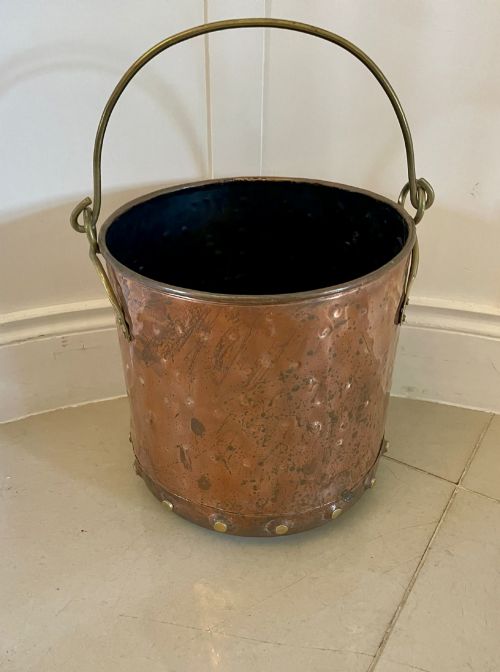
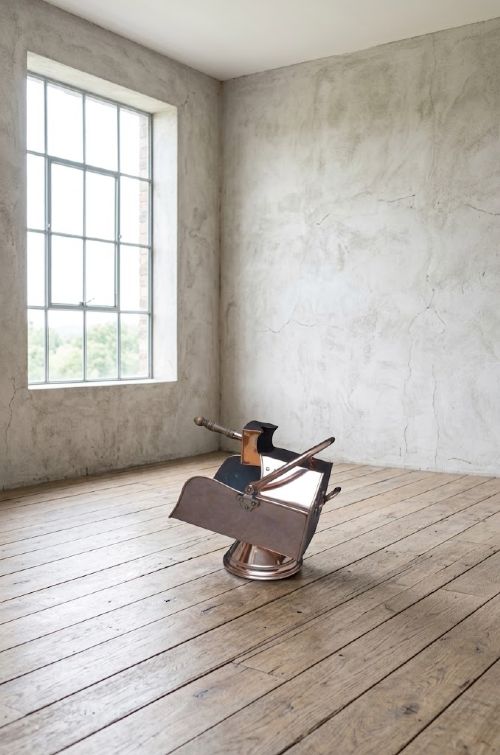
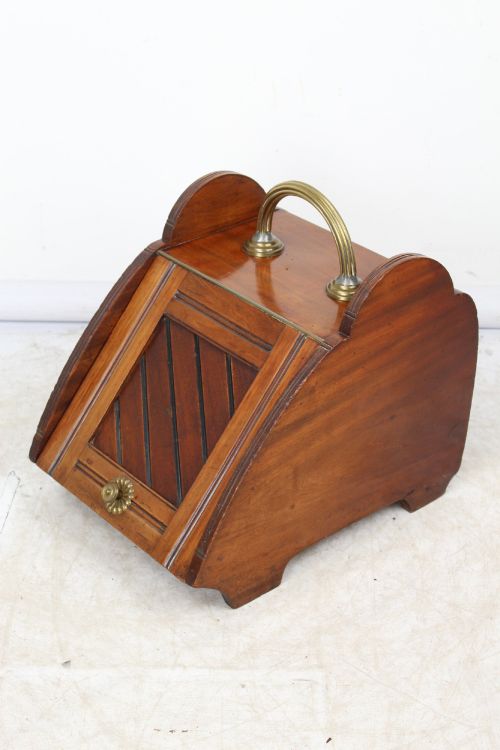
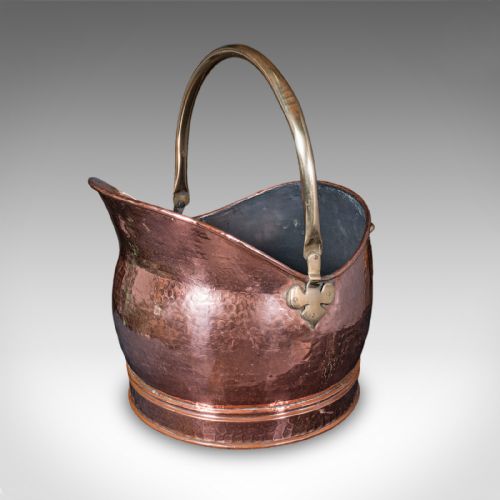
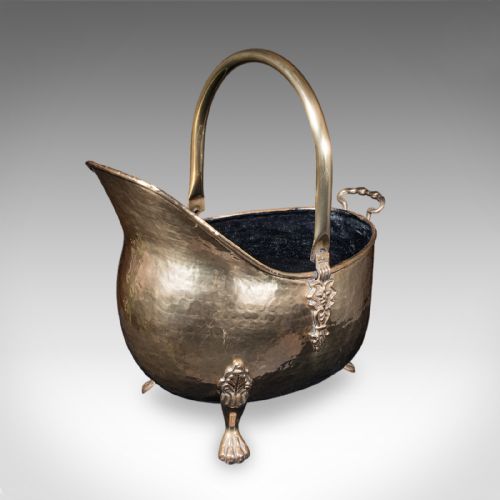
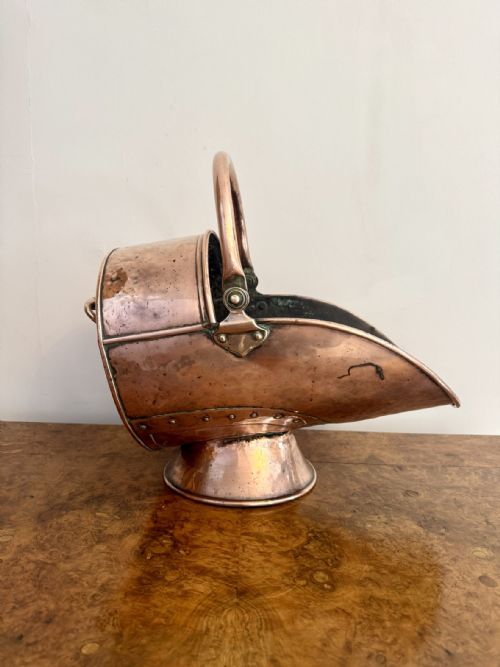
A vintage brass hearth bucket is a fireside accessory designed to hold fuel such as coal, logs or peat near an open fire. These functional pieces appear in various forms, including helmet shapes, cylindrical bins, cauldrons and coal scuttles.
The selections span multiple periods, with Victorian and Edwardian examples appearing frequently alongside earlier Georgian items. Makers utilised durable metals and timber to construct receptacles that combined utility with domestic decoration.
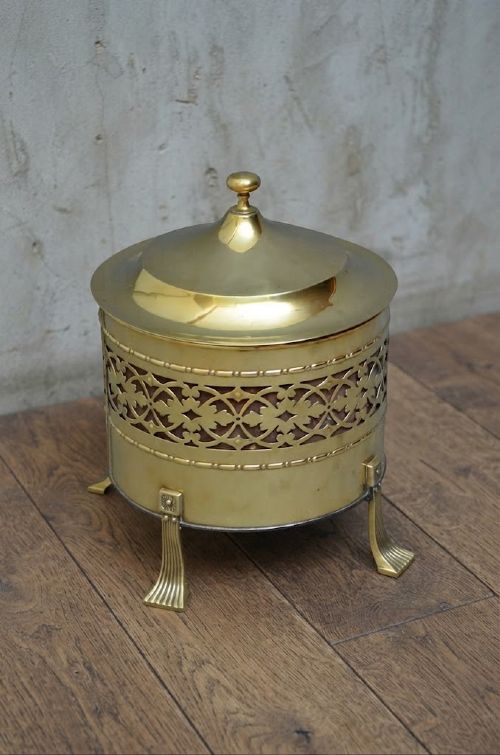
Many items incorporate swing handles, riveted seams or decorative fretwork. Some double as planters or display pans, reflecting the adaptable nature of these household objects through successive centuries.
Materials and construction
The primary construction relies on brass and copper sheets, often shaped by hand, joined with visible rivets and finished with swing handles or fixed grips. Makers frequently combined these metals with wood elements such as oak, mahogany and ebonised timber.
Some items employ coopered wooden staves bound with brass bands, creating sturdy circular vessels suited for holding heavy loads of logs or peat. Surface finishes range from polished brass gleams to hand-finished patinas developed over generations of use.
Vintage Brass Hearth Bucket Retail Price Guide 2026
Typical asking prices for vintage brass hearth bucket among the pieces listed under this phrase on Sellingantiques today, from the lower quarter to the upper quarter. They describe what is for sale here now, not the wider market.
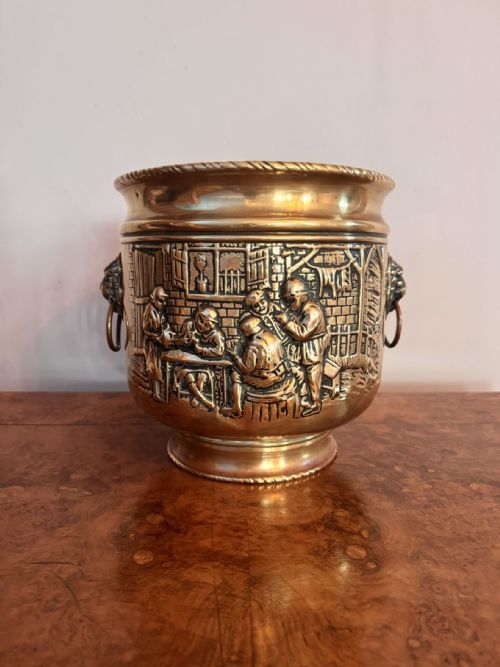
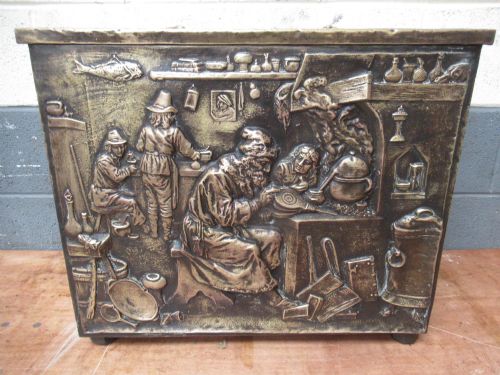
Some Victorian brass coal buckets feature spirited tavern scenes hammered into the metal, bringing a lively local pub atmosphere directly to the fireside.
Judging quality
Quality rests upon the weight of the metal, the integrity of the riveted or soldered joints and the presence of original components like shovels and liners. Heavier gauge brass and copper resist denting and hold their shape better beside the hearth.
Details such as crisp fretwork, maker marks, dovetailed or coopered wooden bodies and balanced swing handles distinguish standard utility vessels from more refined examples produced by established workshops.
Benham and Froud
The Vintage Brass Hearth Bucket Glossary
- Coal scuttle
- A container specifically shaped for carrying and storing coal by a fireplace. They often feature a wide mouth and a hinged or fixed handle for pouring.
- Log bin
- A deep cylindrical or bucket-shaped receptacle used for stacking firewood by the hearth. These often incorporate sturdy metal bands and robust base construction.
- Purdonium
- A specialised coal box, typically made of wood with metal linings, designed to keep fuel enclosed and tidy. They often house a removable inner metal bucket.
- Cauldron
- A round metal vessel with a rounded base and swing handle, often utilised beside the fire for fuel storage. Their form echoes traditional cooking pots of earlier eras.
- Teestoof
- A traditional Dutch warming vessel, sometimes fitted with a metal liner. These items demonstrate continental European hearthside metalwork.
Vintage Brass Hearth Bucket: Frequently Asked Questions
What is a vintage brass hearth bucket used for?
These vessels serve as practical storage containers for solid fuels like coal, logs and peat next to an open fireplace. They keep the hearth tidy while keeping fuel within easy reach.
Beyond utility, their polished metal surfaces reflect firelight and add decorative character to period and traditional interiors.
How do I clean a brass hearth bucket?
Maintenance depends on the desired appearance, as some owners prefer a dark, aged patina while others polish the metal to a bright shine. Gentle cleaning with a soft cloth removes dust and soot accumulated near the fire.
Avoid abrasive cleaners that can scratch the soft brass or copper surface and remove historical character.
Are these buckets only for firesides?
While originally made for solid fuel, many of these metal and wooden vessels adapt well to modern domestic uses. They frequently function as umbrella stands, magazine holders or indoor plant containers.
Their robust construction and waterproof metal liners make them suitable for holding potted house plants.
How do I identify the period of a hearth bucket?
Dating relies on observing construction techniques, materials, and stylistic cues associated with periods like Georgian, Victorian, and Edwardian. Hand-beaten surfaces, specific handle mounts, and dovetailed wooden components offer clues to the date of manufacture.
Makers' marks stamped into the base or rim can also help confirm the workshop origin.