




Traditional Fireside Accessory
These pieces for a traditional fireside accessory bring authentic warmth and practical utility to a hearth.
Traditional Fireside Accessory
A traditional fireside accessory serves the practical duties of a working hearth, encompassing coal scuttles, log bins, bellows, tool sets, and chestnut roasters. These items form the backbone of functional coal and wood management by the fireplace, keeping fuel and implements close at hand.
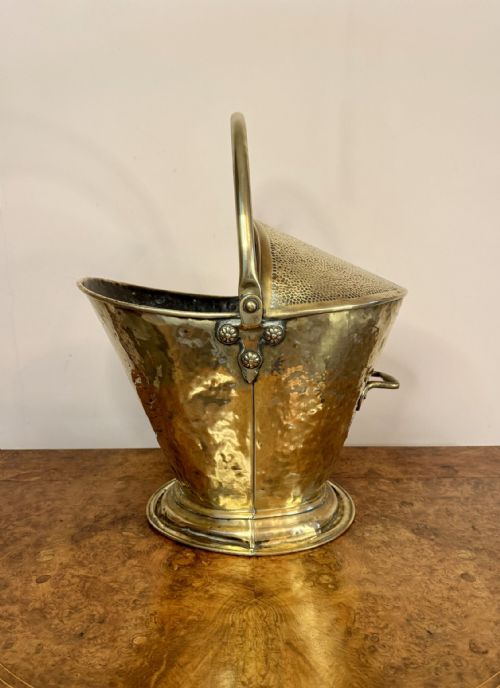
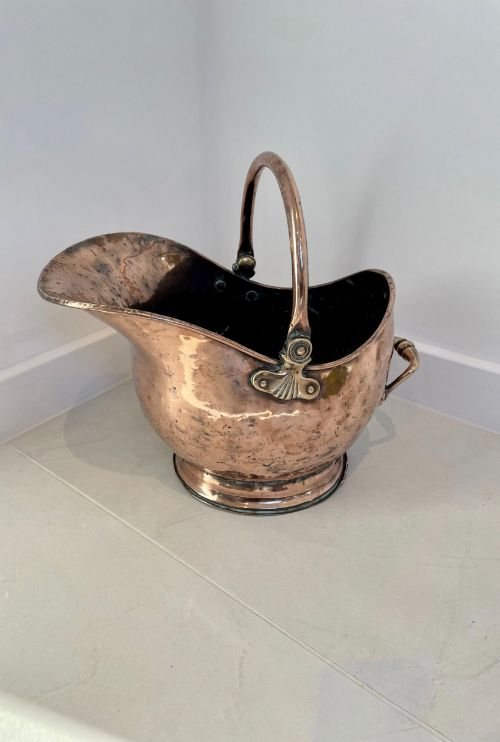
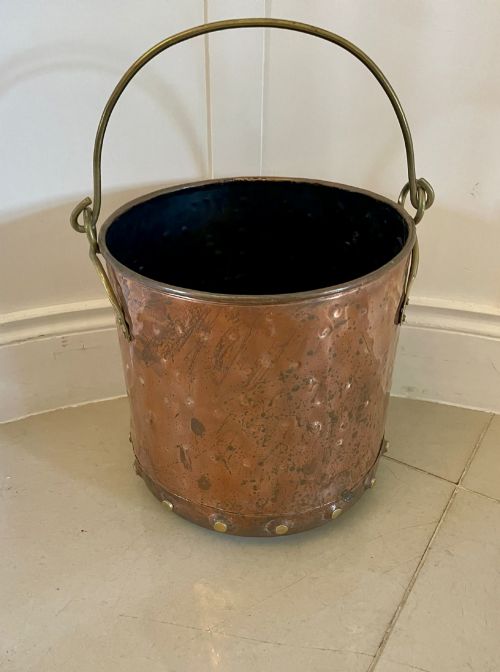
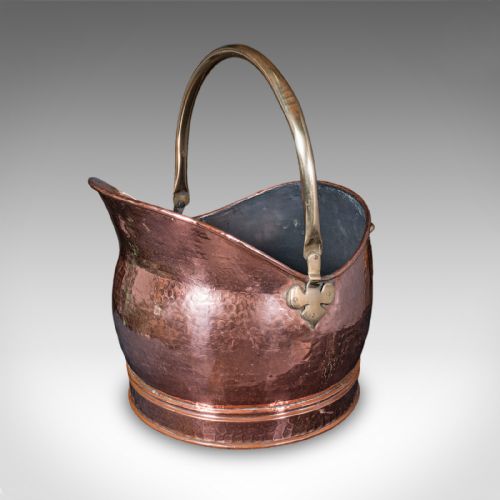
The selections span the Georgian, Victorian, and Edwardian eras, with a strong representation of Victorian brass helmet scuttles and copper coal buckets. Alongside these metal vessels, buyers find coopered oak fire buckets and cast iron tool rests originating from English workshops.
The forms vary from simple cylindrical bins to helmet-shaped scuttles and companion sets complete with shovels. Each object reflects the domestic requirements of period rooms where coal and wood heated the home.
How they were made
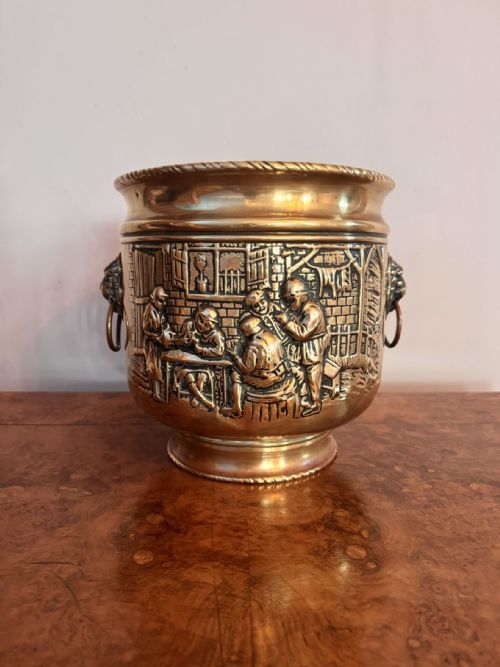
Metal vessels rely heavily on sheet brass and copper, shaped by hand-hammering and joined with rivets or seams. Handles and mounts often incorporate cast brass or iron, providing durable lifting points for heavy loads of coal.
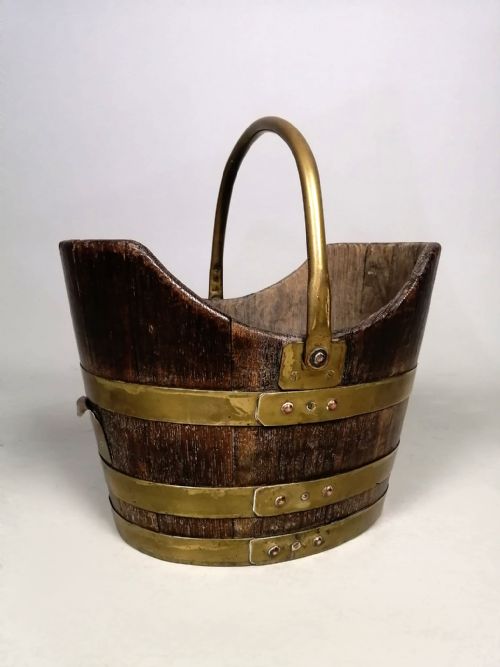
Wooden items utilise traditional joinery and cooperage techniques, visible in the stave construction of oak fire buckets and log bins. Bellows combine turned wood with leather sides and brass tack detailing to deliver a steady stream of air to the grate.
Traditional Fireside Accessory Retail Price Guide 2026
Typical asking prices for traditional fireside accessory among the pieces listed under this phrase on Sellingantiques today, from the lower quarter to the upper quarter. They describe what is for sale here now, not the wider market.
A shepherd boy carved into the bellows reminds us that even humble fire tools once carried charming pastoral scenes.
What varies in quality
Quality rests on the weight of the metal and the integrity of the construction, distinguishing robust vessels from thinner utilitarian versions. Substantial gauge copper and brass hold their shape better over decades of lifting and filling.
Detailing and original components separate standard examples from finer pieces, such as matching shovels, hand-finished brass banding, and untouched wooden surfaces. Maker choices and refined proportions elevate an ordinary fuel container into a decorative statement.
The Traditional Fireside Accessory Glossary
- Helmet scuttle
- A coal container featuring a flared mouth reminiscent of a classical helmet, designed for pouring fuel cleanly onto the fire. This shape is common among Victorian brass and copper examples.
- Companion set
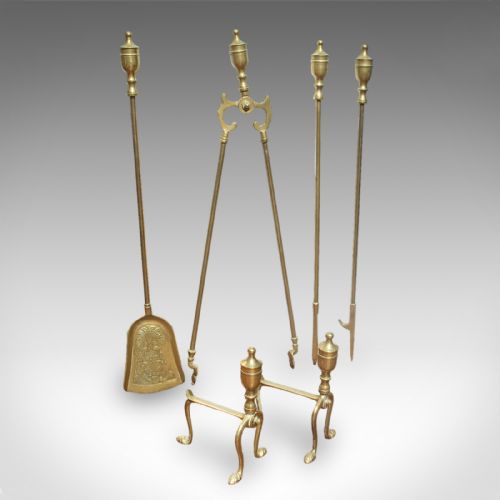
- A collection of fireside tools, typically including a poker, tongs, and shovel, suspended from a matching stand or rest. These sets organise implements beside the hearth.
- Coopered
- A method of construction where narrow staves of wood are fitted together and bound with metal hoops, used to build cylindrical buckets and log bins. Oak is a frequent material for this technique.
- Chestnut roaster
- A long-handled metal utensil with a lidded pan, designed for roasting nuts over an open hearth. These feature in period collections as specialised cooking accessories.
Traditional Fireside Accessory: Frequently Asked Questions
What is a coal helmet?
A coal helmet is a metal bucket with a high, sloping rim designed to direct coal onto the fire without spilling.
They appear frequently in brass and copper from the Victorian period onwards.
How do I clean brass and copper?
Most dealers recommend gentle cleaning that preserves the aged surface rather than polishing it to a bright shine.
Leaving the natural patina intact maintains the historical character of the metal.
What are companion sets used for?
Companion sets group essential hearth tools like pokers and shovels together on a stand.
They keep the fireplace tidy and ensure the tools remain accessible for tending the fire.
Are wooden fire buckets waterproof?
Wooden fire buckets often feature internal linings or tight coopered stave construction designed to hold dry fuel rather than water.
They serve primarily as decorative storage for logs and peat.