

Vintage Brass Furniture
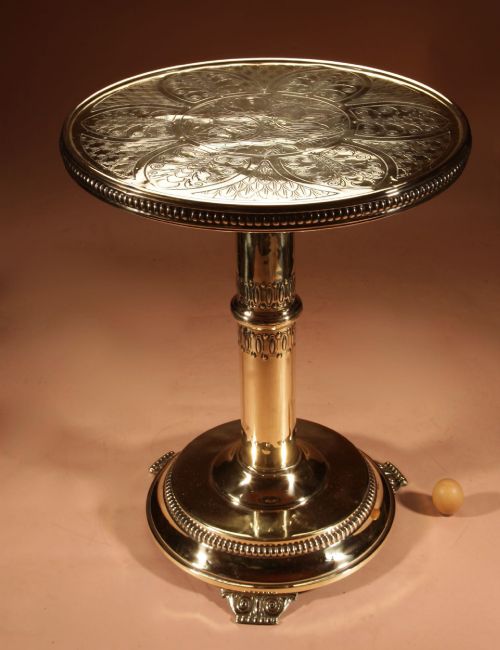
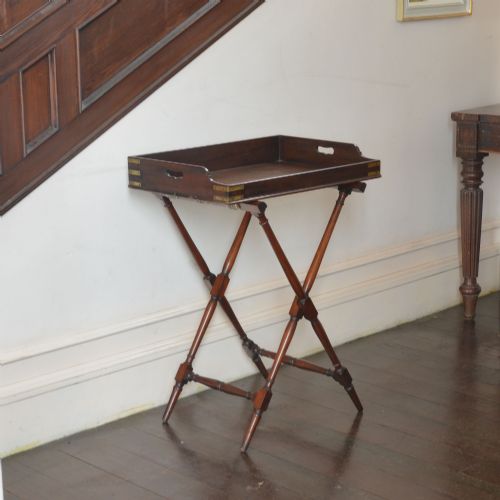
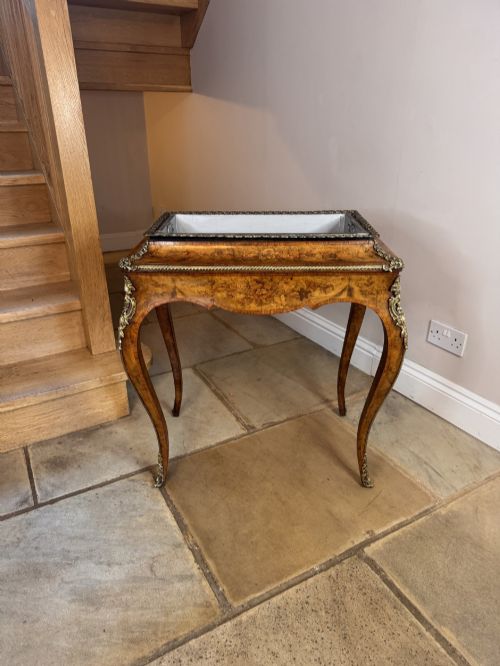
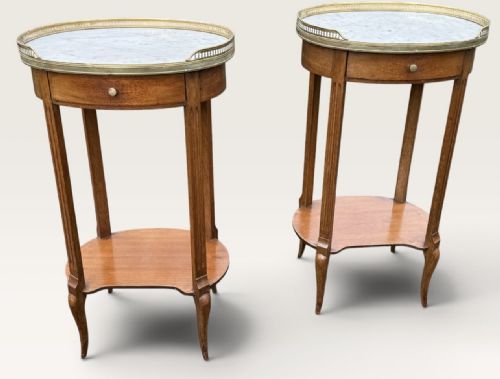
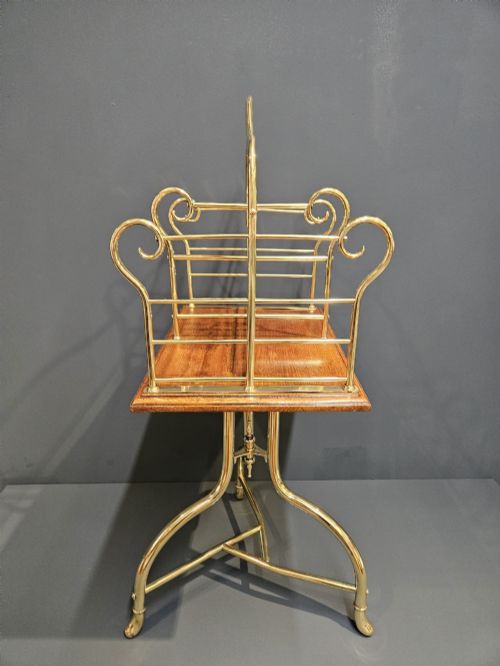
Vintage brass furniture brings substantial timber forms together with gleaming metal mounts, handles, and campaign fittings across Georgian, Victorian, and Art Deco periods.
Vintage Brass Furniture
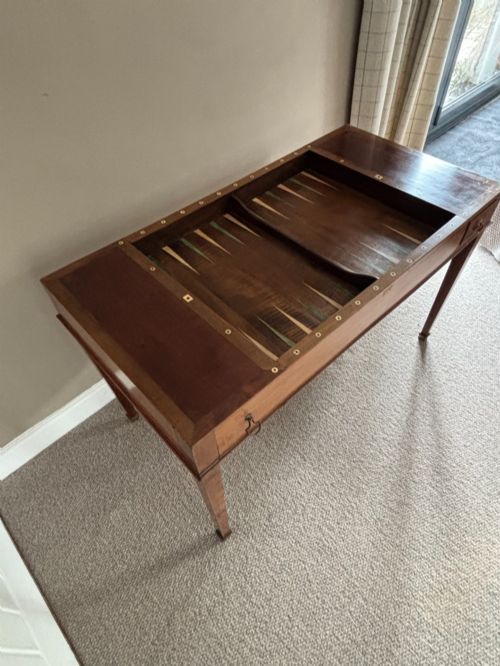
When you search for vintage brass furniture, you encounter chest of drawers, desks, beds, and filing cabinets spanning the eighteenth century to the 1930s. The selection relies heavily on mahogany, oak, and walnut timber carcasses accessorised with metallic hardware.
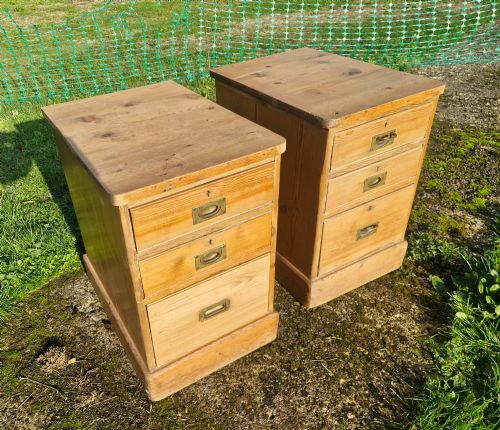
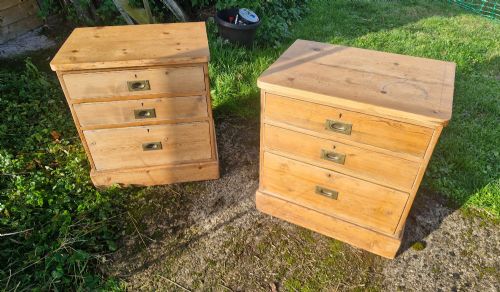
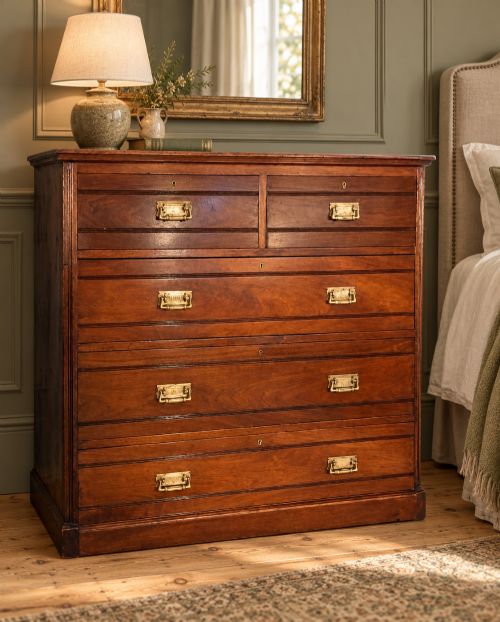
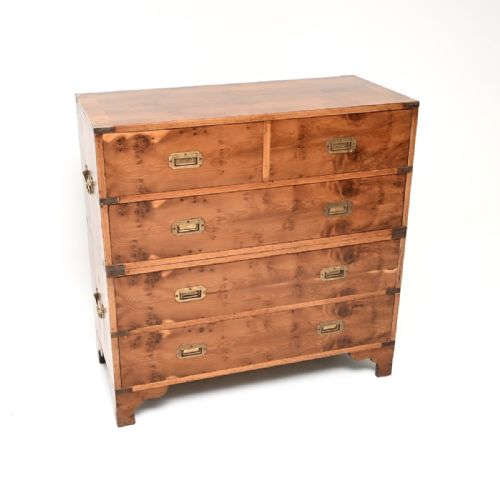
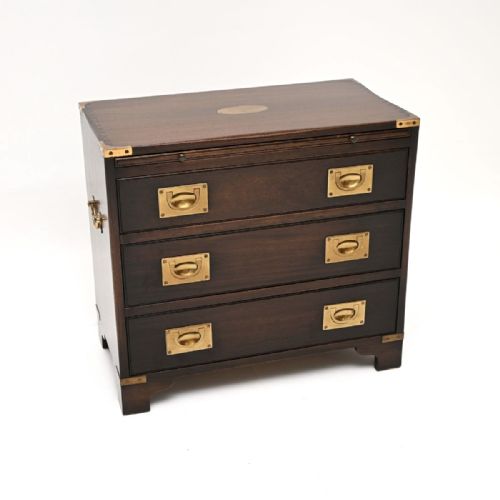
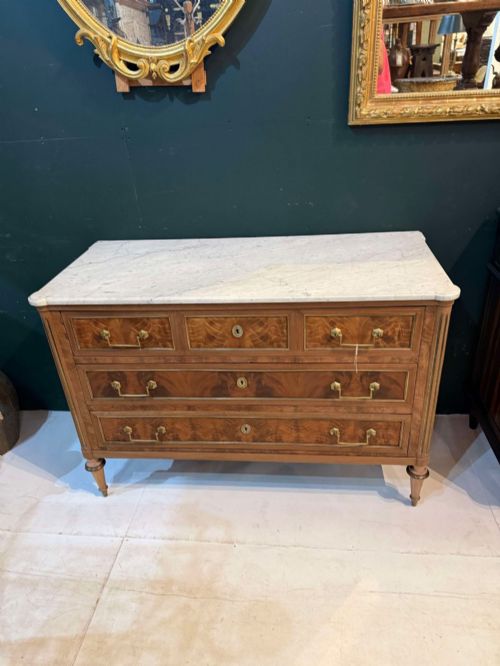
The most frequent examples on this page are chests of drawers, ranging from Georgian oak and mahogany designs to Edwardian and Art Deco variations. Campaign items and military chests also appear, featuring recessed metal fittings designed for transport.
Pieces stretch across distinct stylistic revivals, including Queen Anne, George III, and Arts and Crafts movements. Each era imparts specific structural proportions and timber treatments to the underlying wooden forms.
Materials and construction methods
Makers built these pieces primarily from solid and veneered timbers such as mahogany, oak, walnut, and burr walnut, joined by traditional methods. Structural integrity depends on dense hardwoods capable of supporting heavy drawer loads and structural frames.
Brass serves as the primary contrasting material, cast and hammered into handles, cup handles, bracket feet, and inset corner braces. Metal components secure corners on campaign items or ornament drawer fronts on bow-front and serpentine chests.
Vintage Brass Furniture Retail Price Guide 2026
Typical asking prices for vintage brass furniture among the pieces listed under this phrase on Sellingantiques today, from the lower quarter to the upper quarter. They describe what is for sale here now, not the wider market.
Camphor wood boxes arrived from distant shores carrying the sharp scent of moth-repellent timber straight into British campaign tents.
Judging the quality of construction and metalwork
Quality rests in the precision of the timber joinery and the integrity of the original brass hardware rather than surface sheen alone. Superior examples retain matching period handles and tight drawer tolerances that operate smoothly without binding.
Finer items display thoughtful timber selection, such as figured mahogany or burr walnut veneers matched symmetrically across drawer faces. The weight and casting crispness of the brass fixtures further distinguish high-grade workshop output from standard production.
Whytock and Reid
The Vintage Brass Furniture Glossary
- Campaign furniture
- Portable pieces built in sections with recessed brass handles and corner brackets to withstand military transport.
- Bow front
- A convex curved cabinet or chest front popular in Georgian and later mahogany designs.
- Bracket foot
- A structural support foot shaped like a bracket, often found on eighteenth-century chests of drawers.
- Serpentine
- A gently undulating front profile featuring a convex centre flanked by concave curves.
- Wotnot
- A set of open shelves standing on legs, utilised for display and storage in the nineteenth century.
Vintage Brass Furniture: Frequently Asked Questions
What is vintage brass furniture?
These pieces consist primarily of wooden chests, desks, and beds incorporating brass handles, hinges, or corner braces. The category spans Georgian, Victorian, Edwardian, and Art Deco eras.
Hardware functions both as structural reinforcement on portable campaign items and as decorative enrichment on formal domestic cabinetry.
How do I identify campaign pieces?
Campaign items feature inset brass handles, flush corners, and sectional construction intended for easy dismantling during military travel. Timber carcasses are typically robust mahogany or camphor.
Metal fittings protect vulnerable edges from heavy handling while keeping surfaces flat for stacking and transport.
Which timbers are most common?
Mahogany, oak, and walnut dominate the listings, frequently enhanced by burr walnut or inlaid veneers. Cabinetmakers selected these dense hardwoods for durability and rich grain patterns.
Timber choice often signals the period, with oak favoured in earlier vernacular pieces and mahogany or walnut prevailing in formal Georgian and Victorian designs.
How should I care for timber surfaces?
Maintain wooden surfaces with appropriate waxes and avoid placing furniture in direct sunlight or near heat sources. Gentle cleaning preserves the natural patina of the wood.
Brass hardware requires minimal intervention beyond dusting, ensuring patinated metal retains its historical character over decades of domestic use.