
Vintage Brass Double Frame
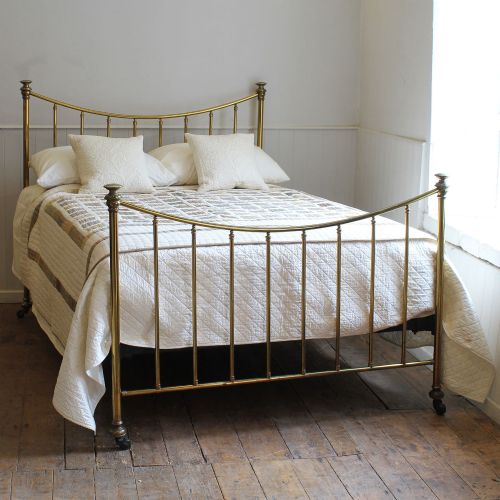
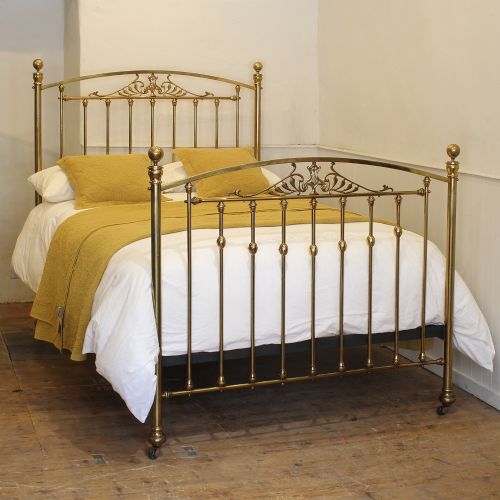
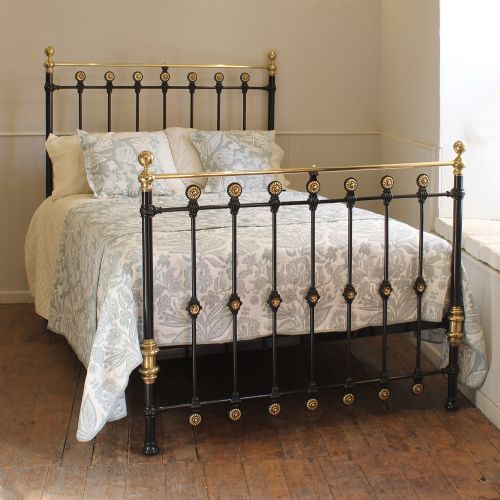
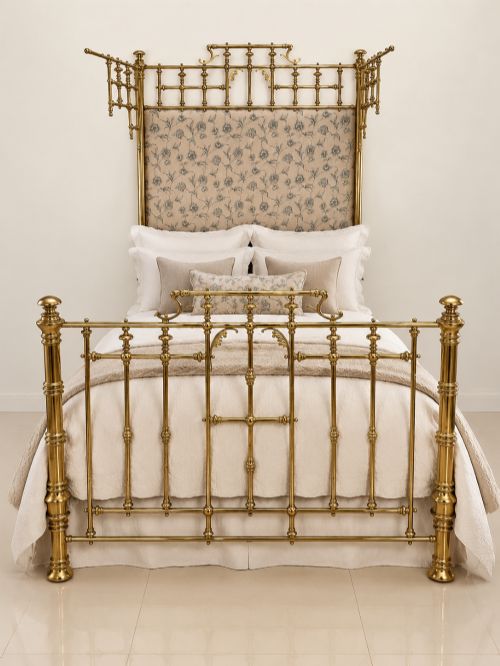
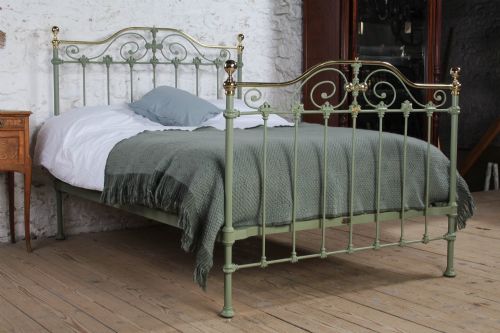
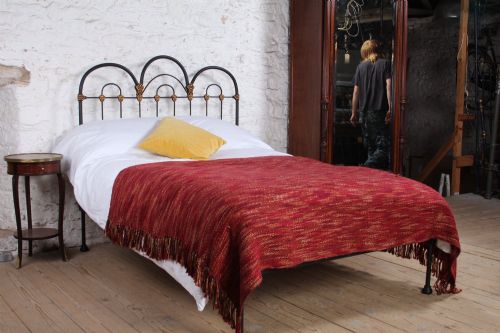
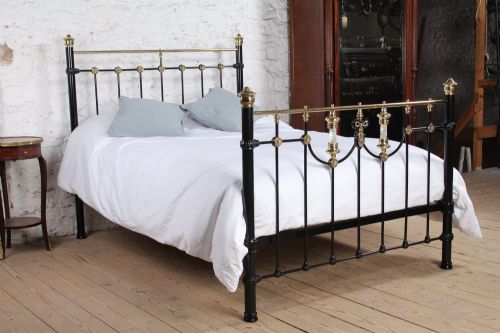
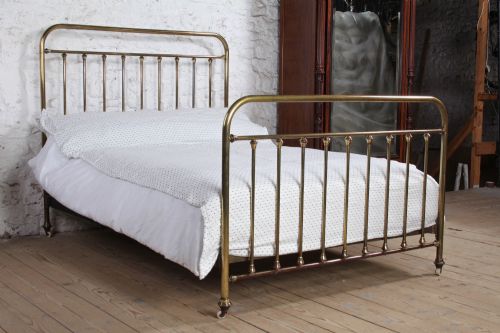
A vintage brass double frame grounds a bedroom with heavy nineteenth-century presence and warm, polished metal.
Vintage Brass Double Frame
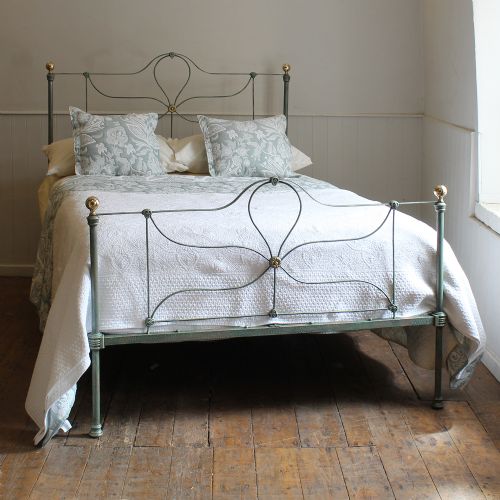
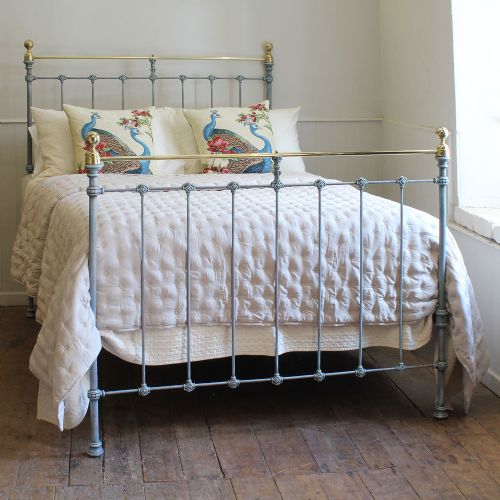
When you search for a vintage brass double frame, you are looking at substantial nineteenth-century and early twentieth-century bedstead framing designed for double mattresses. These pieces span Victorian and Edwardian periods, combining structural iron components with prominent brass tubing, castings, and decorative rails.
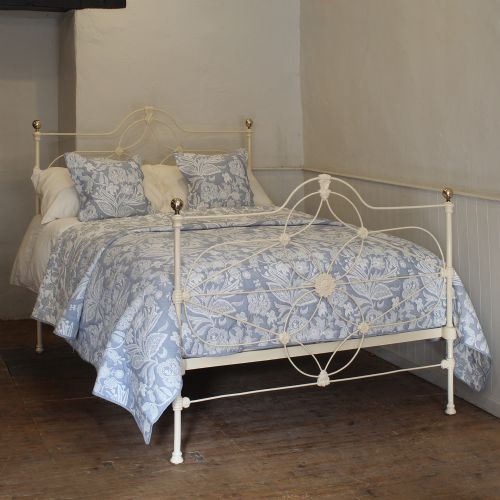
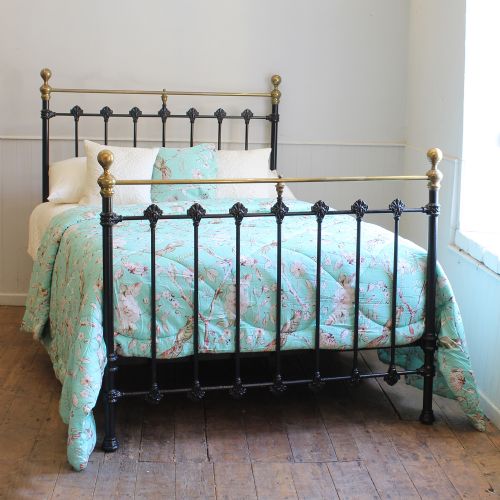
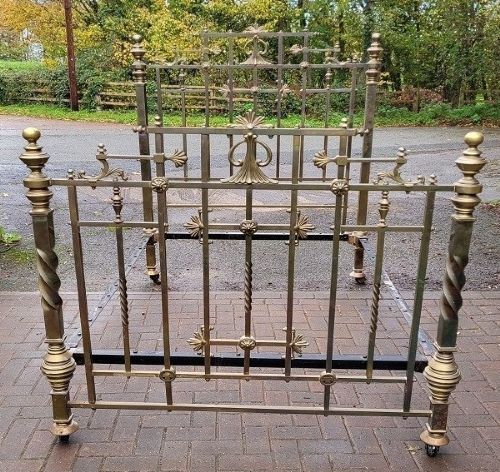
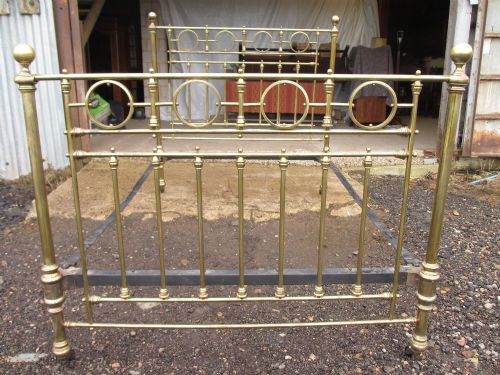
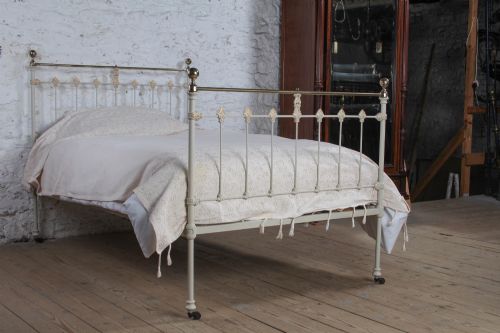
The version most likely to meet you on this page is the Victorian double size brass and iron bedstead, often incorporating vertical spindles, cast iron side rails, and decorative brass mounts or ceramic elements.
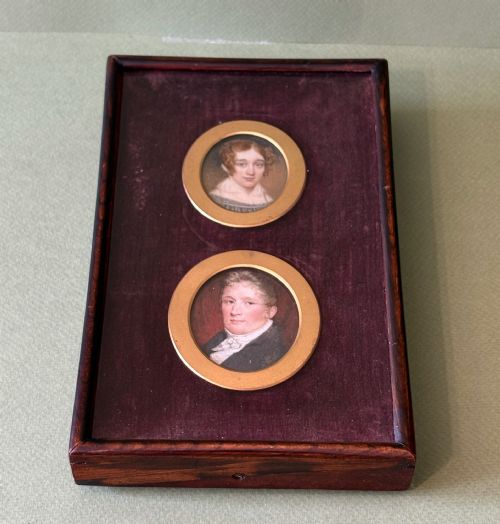
Beyond bedroom furniture, the broader selection occasionally accommodates smaller domestic metalwork from the same era, including cast or ormolu picture frames designed for dual portraits.
How they were made
Maker workshops built these frames using heavy cast iron for internal structural strength combined with thick sheet brass casings spun or drawn over iron cores. Foundries joined components through mechanical slot-in joints, dovetail brackets, and threaded iron bolt assemblies designed for dismantling.
Decorative detailing relied on sand-cast brass ornaments, turned finials, and applied brass collars soldered or pinned to the main structural rails. Makers frequently integrated contrasting materials such as iron painted in black or green, alongside mother of pearl insets or wooden side rails.
Listings span the Victorian and Edwardian periods, uniting brass, cast iron, wrought iron, mahogany, glass, velvet, and ormolu.
What varies in quality
The distinction between ordinary production and exhibition pieces rests in the weight of the castings and the complexity of the brass ornamentation. Superior examples display crisp, deeply chased floral or geometric brass mounts and substantial heavy-gauge tubing rather than thin sheet plating.
Construction methods also separate standard commercial bedsteads from workshop pieces, visible in the precision of the slot-in iron joints and the integrity of the original castors and dovetail fittings.
RW Winfield·Maple and Co·Harrods
The Vintage Brass Double Frame Glossary
- Bedstead
- The complete framework of a bed, including headboard, footboard, and side rails. These metal structures rely on iron side irons to lock the head and foot pieces together.
- Half Tester
- A canopy bed style where a partial tester projects from the wall or headboard over the upper portion of the bed. This form provides overhead drapery support without enclosing the entire bed.
- Ormolu
- Gilt-bronze or gilded brass ornamentation applied to furniture and smaller frames. The technique involves treating metal with a mercury-gold amalgam to achieve a durable golden finish.
- Castor
- A small wheel mounted on a swivel attached to the base of bed posts. These allowed heavy iron and brass frames to move across floor surfaces during cleaning.
- Finial
- A decorative terminal ornament mounted on top of bed posts or frame corners. They are typically cast in brass and screwed directly into the vertical tubing.
Vintage Brass Double Frame: Frequently Asked Questions
How do I assemble an antique metal bed?
Most nineteenth-century metal beds utilise a simple slot-in wedge system where the side irons drop directly into cast sockets on the headboard and footboard posts. Tightening the joints relies on the weight of the frame and occasionally concealed tension bolts.
Ensuring stability requires checking that the side rails sit square in their slots and that any floor castors remain aligned to prevent twisting the iron frame.
Will a vintage double frame fit modern mattresses?
Victorian and Edwardian double frames were built to nineteenth-century sizing standards, which often differ slightly from contemporary mattress dimensions. Checking the exact internal length and width between the side irons before sourcing a mattress is essential.
Many buyers pair these antique frames with modern slatted wooden bases or custom base boards designed to drop securely inside the existing iron rails.
How should I clean antique brass frames?
Maintaining vintage brass involves dusting with a soft, dry cloth and avoiding harsh chemical metal polishes that strip original patination. Gentle cleaning preserves the natural aged surface developed over decades of domestic use.
If polishing is necessary, use a mild non-abrasive paste applied sparingly around decorative castings, taking care to avoid contact with painted iron or wooden components.
Are iron and brass beds structurally sturdy?
The combination of cast iron frames and heavy brass tubing provides exceptional structural rigidity. These pieces were engineered to support heavy domestic use over generations without warping.
Routine maintenance involves periodically checking the bolted joints and ensuring the side rails remain firmly seated within the corner brackets.