


Victorian Double Picture Frame
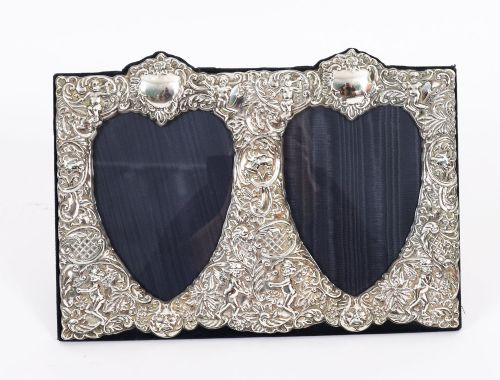
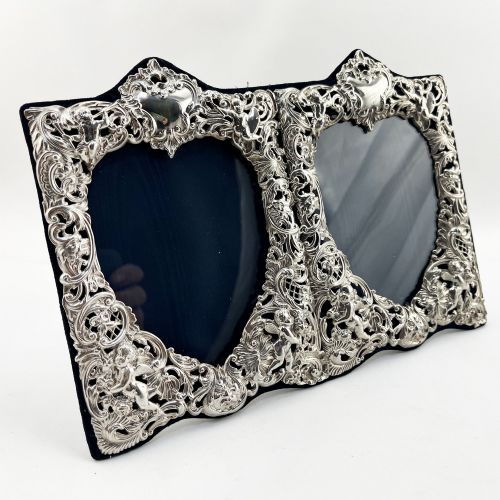
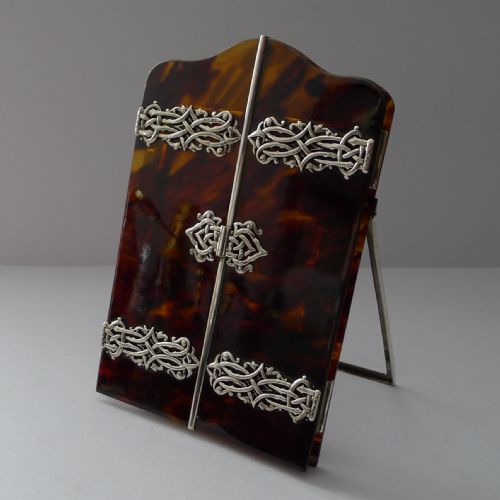
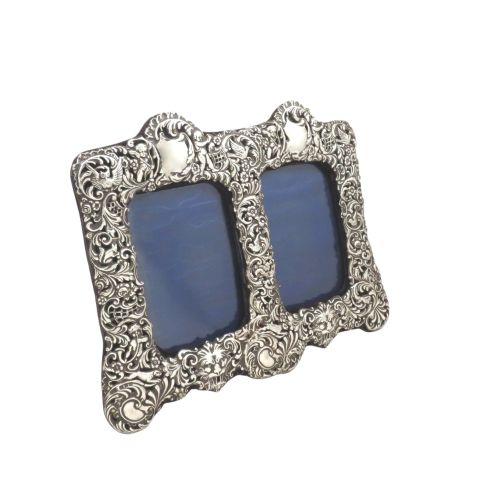
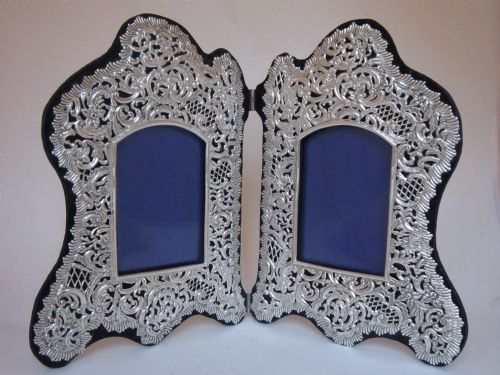
These Victorian double picture frame pieces display two hinged or joined openings for photographs or prints, offering a practical way to display paired portraits.
Victorian Double Picture Frame
When you search for a Victorian double picture frame, you are looking at hinged or joined dual-aperture surrounds designed to hold two separate photographs, watercolours or prints side by side. These pieces typically originate from the nineteenth century, spanning periods from the eighteen-eighties through the turn of the twentieth century.
The versions you are most likely to meet on this page include sterling silver mounted designs, solid brass easel stands, ormolu frames, and handcrafted tramp art wooden constructions. Some examples incorporate velvet backings and interior glass panels to protect the portraits or watercolours held within.
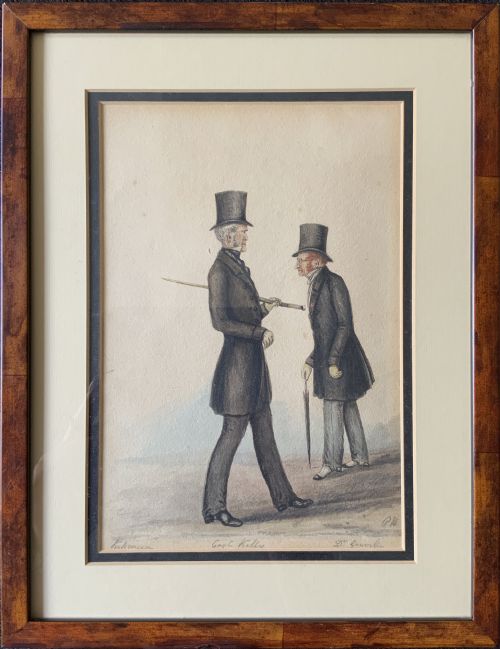
While many items function purely as tabletop photo frames with hinged joints, others appear as wall art, framed prints, or delicate gold lockets. The scale ranges from compact desk accessories to larger decorative frames designed to showcase Vanity Fair prints or caricatures.
Judging quality and craftsmanship
Quality in these pieces depends upon the substance of the primary material, whether heavy sterling silver, cast brass, or finely carved wood, set against flimsy or pressed alternatives. Finer examples display crisp detail in metal ornamentation and secure, well-fitted hinges that hold the double apertures firmly without sagging.
The integrity of the internal elements also matters, including clear glass, intact velvet linings, and original backing materials. Superior items maintain their structural balance when opened as a pair, whereas lesser examples show uneven wear at the joining points.
Some frames fold up like tiny books, hiding family secrets in miniature.
Hardy Brothers
The Victorian Double Picture Frame Glossary
- Ormolu
- A gilded bronze or brass finish applied to decorative metalwork. This technique imparts a bright golden appearance popular on nineteenth-century French frames.
- Tramp art
- A woodwork style created by chip-carving small pieces of scrap wood and layering them together. It appears on folk art frames from the nineteenth century.
- Chromolithograph
- A colour lithographic printing process used to produce multi-coloured images. These prints frequently appear in Victorian double frames and periodicals.
- Easel back
- A hinged support attached to the reverse of a frame allowing it to stand upright on a desk or table. This mechanism is common on nineteenth-century photo frames.
- Locket
- A small hinged case designed to hold miniature portraits close to the body. Gold versions from this period often incorporate glass panels for dual photographs.
Victorian Double Picture Frame: Frequently Asked Questions
How do I clean a silver frame?
Use a soft microfibre cloth to gently remove dust from the sterling silver surface without disturbing any mounted glass or velvet backing.
Avoid applying harsh chemical dips directly to the metal, particularly near delicate hinge mechanisms or aged paper inserts.
Can I replace the original glass?
Original glass panes often show minor bubbles or irregularities typical of nineteenth-century production methods. It is best to retain them whenever possible.
If replacement is essential, select thin glass that fits securely into the rebate without putting pressure on the frame structure.
How were these displayed?
Most double frames sat upright on writing desks, mantelpieces, or tables using integrated brass or metal easel supports. Some variations included rings or chains for wall mounting.
The hinged design allowed families to close the frame protectively or angle the two portraits toward each other.
Are prints included with the frames?
Some selections retain their original contents, such as period watercolours, caricatures, or chromolithograph prints. Other pieces are supplied empty.
Check the individual listing details to confirm whether photographs, prints, or backing papers remain inside the apertures.