

Vintage Brass Dial
These vintage brass dial timepieces are working clocks and instruments built to keep time with substance.
Vintage Brass Dial
When you search for vintage brass dial, you encounter clocks and timepieces drawn from Victorian, Georgian, Edwardian, and later periods.
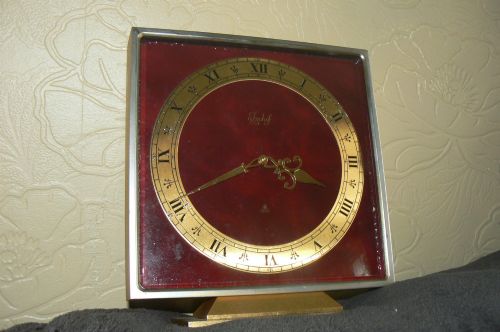
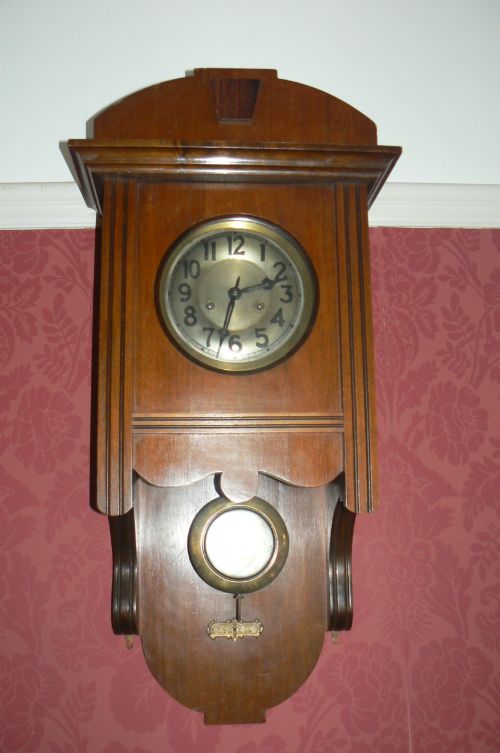
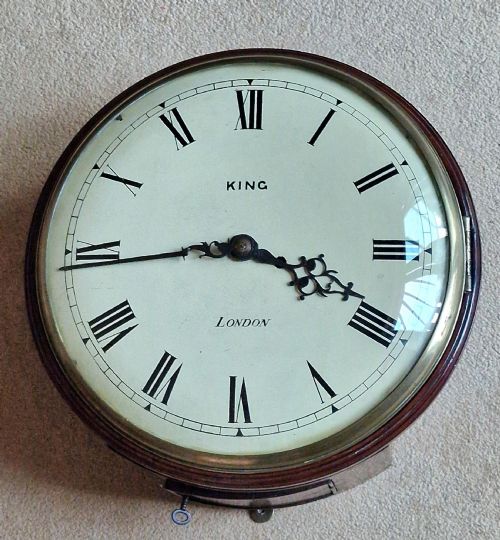
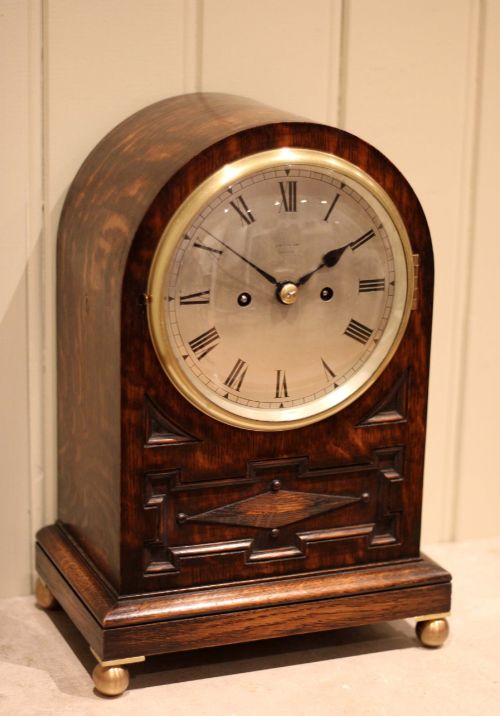
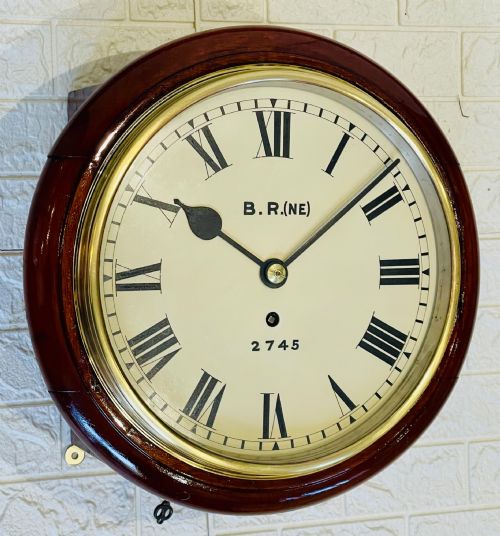
The selections on this page range from wall clocks and railway timepieces to mantel bracket clocks and longcase grandfather clocks.
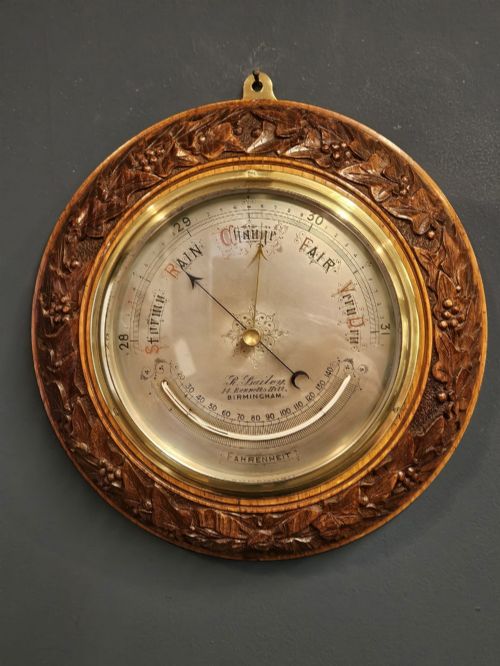
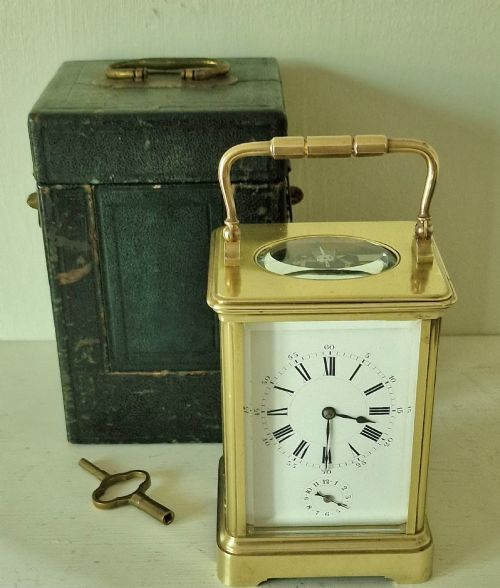
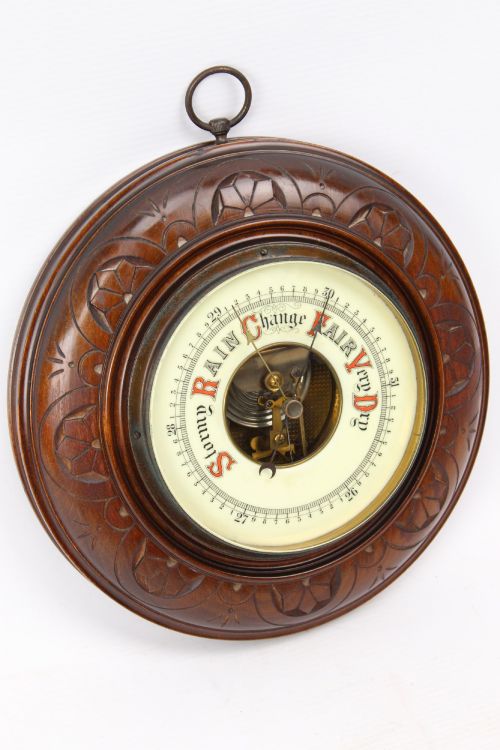
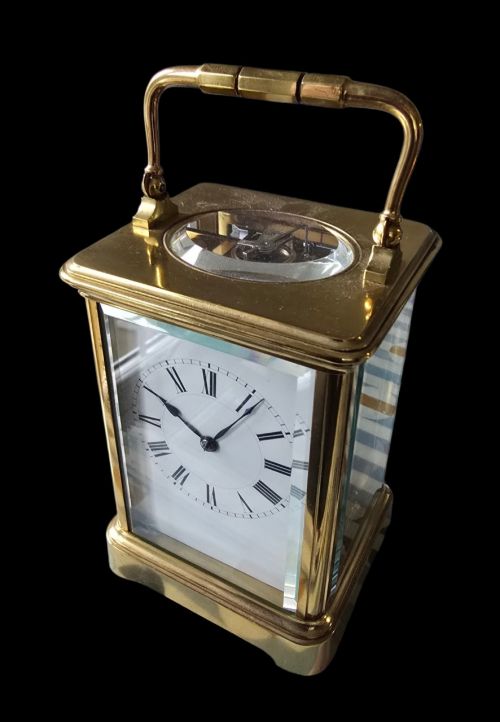
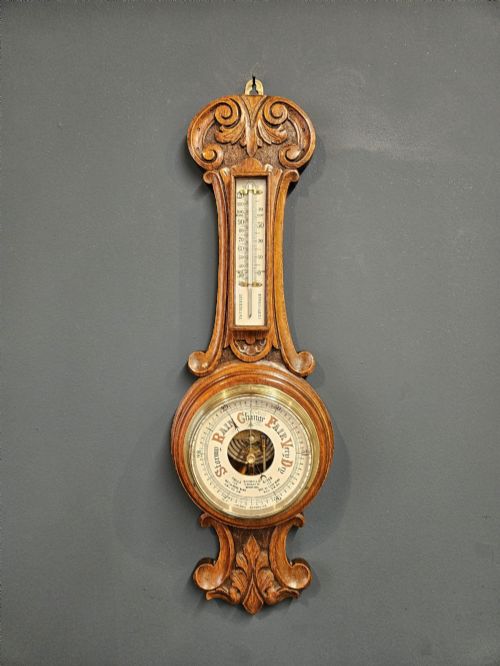
Mahogany, oak, and walnut cases house these metallic faces, alongside carriage clocks and barometers.
How they were made
Makers formed the dials from brass, often pairing them with glass, steel, and iron components within wooden cabinetry.
Cabinetmakers housed the movements in mahogany, oak, and walnut, applying carving, inlay, and ebonising techniques.
Clockmakers fitted fusee movements, anchor escapements, and strike-repeat mechanisms behind the metal faces.
Vintage Brass Dial Retail Price Guide 2026
Typical asking prices for vintage brass dial among the pieces listed under this phrase on Sellingantiques today, from the lower quarter to the upper quarter. They describe what is for sale here now, not the wider market.
Object forms span wall clocks, longcase clocks, carriage clocks, barometers, and pocket watches.
What varies in quality
The refinement of the brass engraving and the crispness of the dial markings separate standard pieces from finer examples.
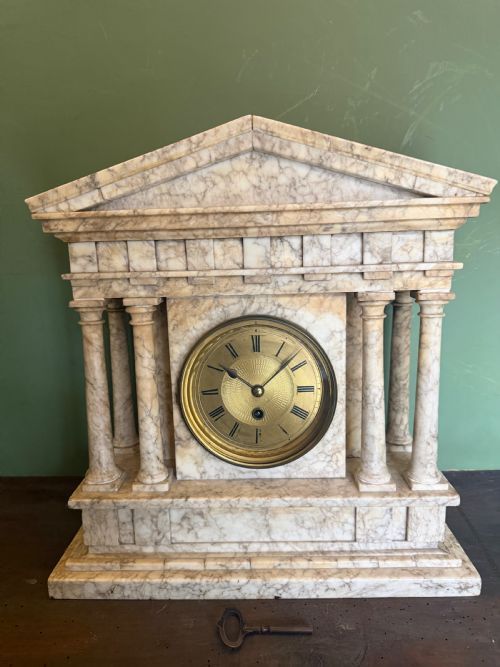
Cabinetwork complexity, from simple drop dial surrounds to architectural temple porticos and inlaid longcase hoods, dictates the tier.
The reputation of the maker signing the movement, such as Henri Jacot or Drocourt, marks the distinction in the range.
Jones London·Drocourt·Henri Jacot·Henry Lepaute·Lenzkirch·Gillett and Johnston
The Vintage Brass Dial Glossary
- Fusee
- A conical pulley used in spring-driven clocks to maintain even power as the mainspring unwinds. This mechanism ensures more accurate timekeeping throughout the duration of the wind.
- Carriage clock
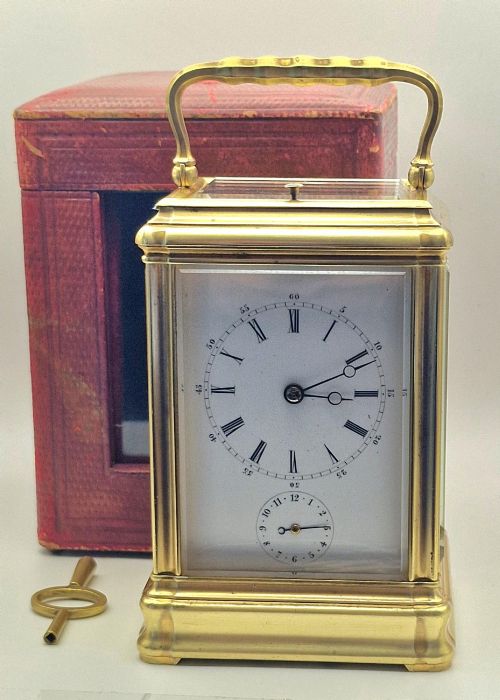
- A small, portable spring-driven clock designed for travelling during the nineteenth century. These pieces usually feature brass frames with glass panels allowing the movement to be seen.
- Bracket clock
- A portable table or mantel clock originating from a time when clocks sat upon wall brackets. They typically feature fine wood cases and carrying handles.
- Grandmother clock
- A slender, scaled-down version of the traditional longcase clock standing shorter in height. They emerged in the twentieth century, often housing reliable mechanical movements.
- Dial clock
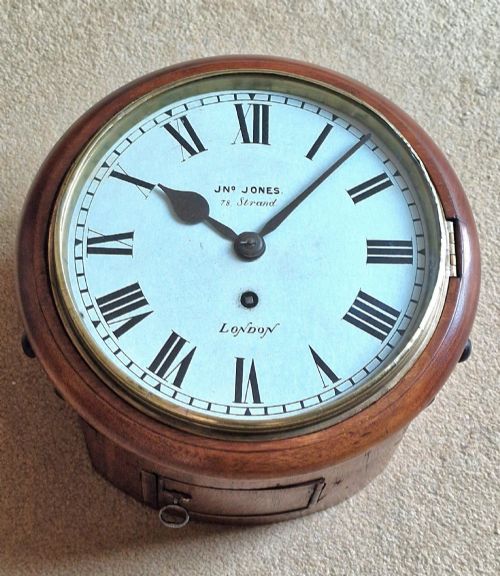
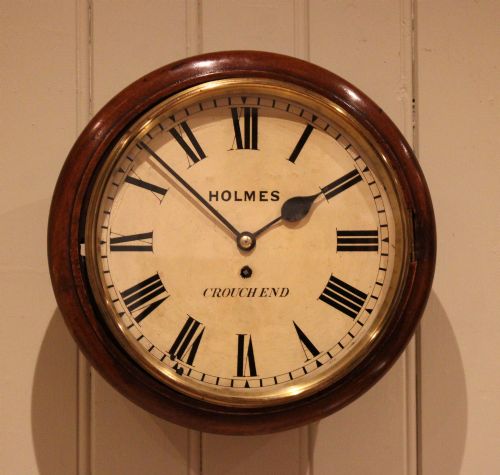
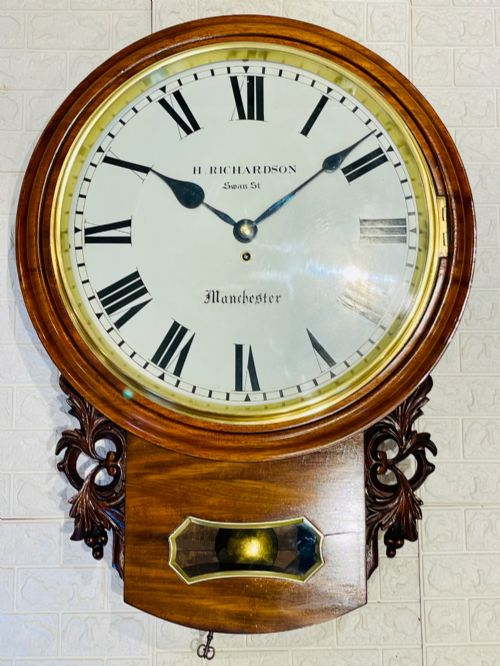
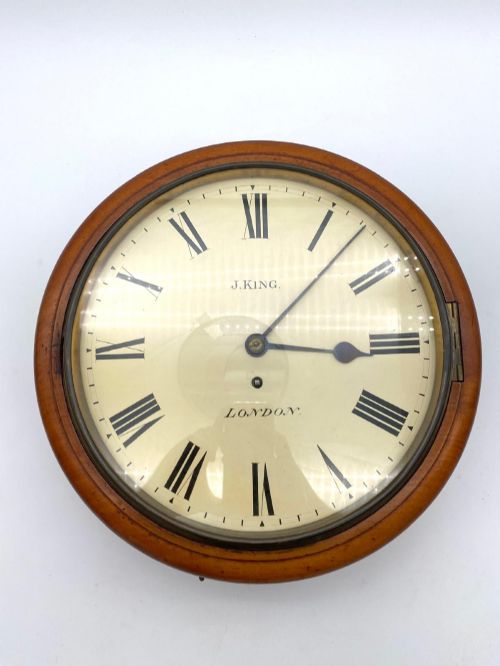
- A wall-mounted clock dominated by a prominent circular face surrounded by a wooden rim. Railway companies and institutions utilised these clear, legible timepieces extensively.
Vintage Brass Dial: Frequently Asked Questions
What is a fusee dial clock?
A fusee dial clock is a wall timepiece governed by a fusee movement, which regulates the pull of the mainspring for steady timekeeping.
These clocks were standard in railway offices, stations, and homes during the Victorian and Georgian eras.
How do I wind a mechanical clock?
Winding requires inserting a key into the winding holes on the brass dial and turning it gently until resistance is felt.
Care must be taken not to overwind the mainspring, ensuring the movement continues to run smoothly.
Where were carriage clocks used?
Carriage clocks were originally built for travellers to carry in carriages during the nineteenth century.
Their robust brass and glass cases protected the delicate spring movements from the vibrations of travel.
How do I date a wooden longcase clock?
Dating involves examining the style of the wood case, the shape of the hood, and the signature engraved on the brass dial.
Georgian and Victorian examples often display distinct regional cabinetmaking traits and specific dial lettering.