





Vintage Brass Cross
These vintage brass cross pieces are metal devotional and decorative items that bring traditional weight and history into an interior.
Vintage Brass Cross
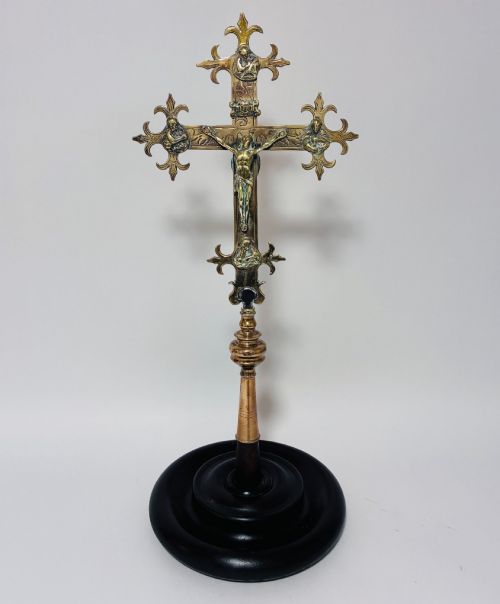
A vintage brass cross encompasses a range of devotional and decorative metal objects spanning the Victorian era through the early twentieth century. When searching for this phrase, a buyer encounters altar crosses, processional crosses, and wall-mounted crucifixes made primarily from brass and bronze.
The selections available here lean towards nineteenth-century examples and items dated from the 1900s to the 1940s. Alongside traditional ecclesiastical forms, the inventory occasionally includes related scientific apparatus and door knockers bearing cross motifs.
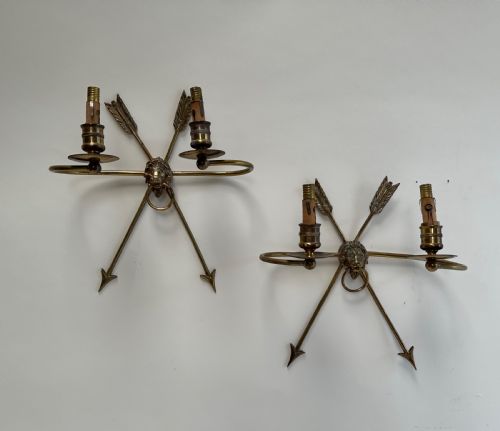
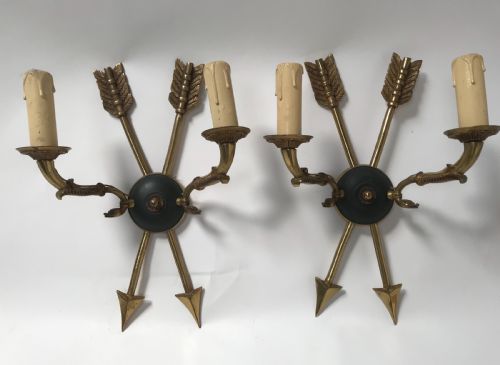
These items serve both religious and decorative functions, reflecting historical styles from Gothic Revival to French Empire. The variety ranges from simple cast brass items to complex pieces set with stones like lapis lazuli.
How they were made
The construction of these items relies heavily on casting techniques using brass, bronze, and gilt metal. Workshops shaped the metal through traditional founding methods, often producing components that were subsequently assembled and finished with patination.
Many examples incorporate mixed materials to enhance their visual impact. Artisans combined brass with glass, silver, and semi-precious stones such as lapis lazuli, while other pieces utilised patinated metal finishes.
What varies in quality
Quality in these metal objects depends largely on the crispness of the cast detailing and the integrity of the surface finish. Superior examples display sharply defined motifs and careful chasing, whereas lesser items show softer contours and simpler production methods.
The incorporation of secondary materials also dictates the standing of a piece. Items featuring genuine lapis lazuli, silver elements, or complex patination demonstrate a higher level of craftsmanship than plain cast metal variants.
Max Kohl Germany
The Vintage Brass Cross Glossary
- Altar cross
- A freestanding cross designed to stand upon a church altar, usually featuring a substantial base. These pieces form a significant portion of devotional metalwork.
- Crucifix
- A cross bearing the figure of the body of Christ, known as the corpus. This form appears across various historical periods in both large altar sizes and smaller wall-mounted formats.
- Patinated metal
- Metal that has undergone a chemical or natural process to alter its surface colour and appearance. This finish adds depth and historical character to vintage pieces.
- Gothic Revival
- An architectural and decorative style popular during the nineteenth century that mimics medieval forms. Objects in this style often feature pointed arches and ornate tracery.
Vintage Brass Cross: Frequently Asked Questions
What is a vintage brass cross used for?
These items were originally created for ecclesiastical use, serving as focal points for prayer and church services. Today, collectors often display them as decorative wall hangings or tabletop centrepieces.
Their substantial metal construction and historical designs also appeal to those looking to add traditional character to domestic interiors.
How do I identify the age of a brass cross?
Dating relies on examining the casting quality, the specific style of the metalwork, and any accompanying hallmarks or stamps. Nineteenth-century examples often display heavier casting and distinct Gothic or classical revival motifs.
Twentieth-century pieces from the 1920s to the 1940s may show different patination techniques and simpler manufacturing methods characteristic of later production.
What materials are used in these crosses?
The primary material is brass, though bronze and patinated metal also appear frequently in this category. Some pieces incorporate gilt metal or silver plating to enhance the surface appearance.
More elaborate examples feature contrasting inlays such as lapis lazuli or glass elements set directly into the metal frame.
How should I clean antique brass?
Cleaning antique metal requires a gentle approach to preserve the historical patina that develops over decades. Harsh chemical polishes can strip away desirable ageing and reduce the visual depth of the piece.
Dusting with a soft, dry cloth is usually sufficient for regular maintenance, avoiding abrasive materials that might scratch the surface.