


Vintage Brass Candle Light
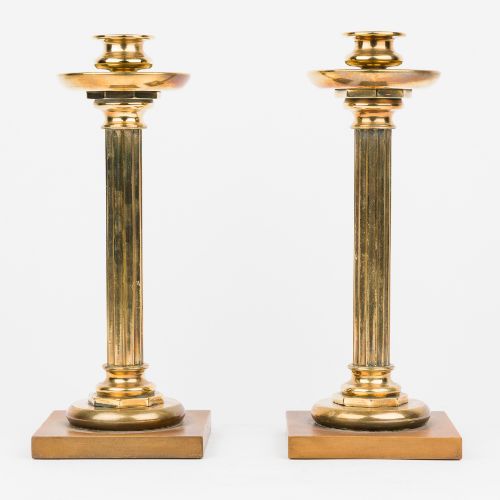
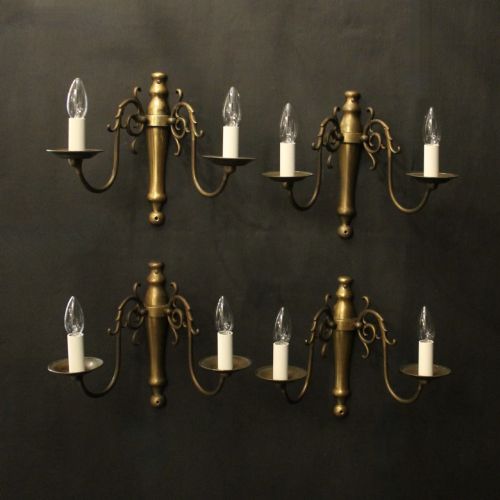
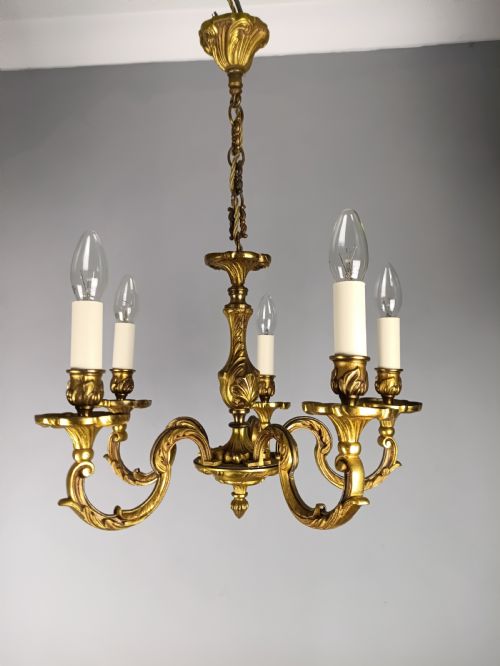
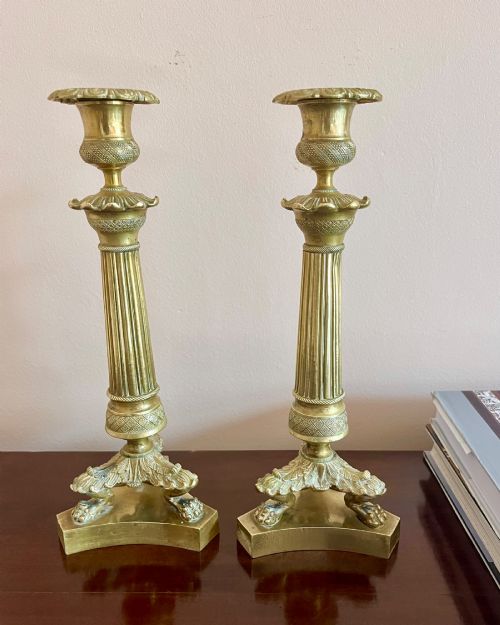
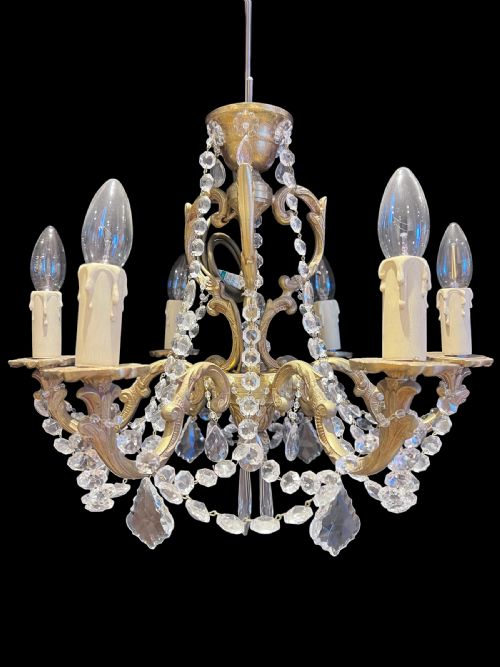
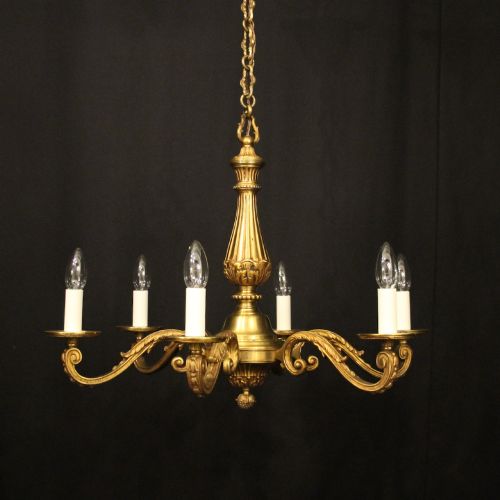
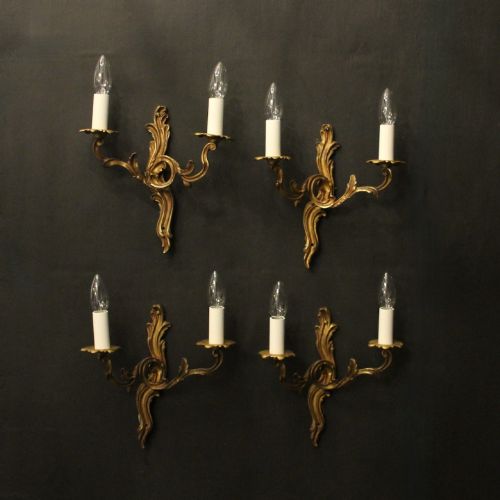
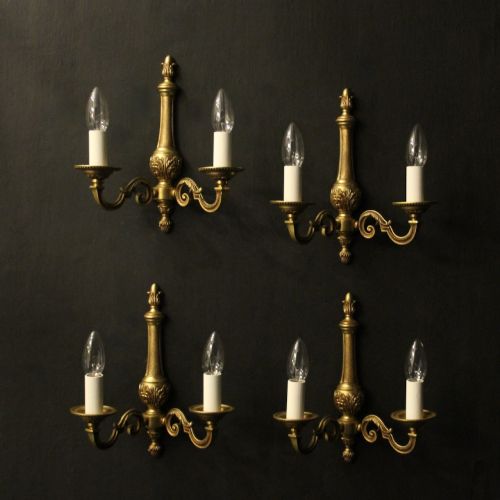
These vintage brass candle light pieces bring heavy metal and crystal illumination to a room, spanning French chandeliers, wall sconces and heavy Georgian candlesticks.
Vintage Brass Candle Light
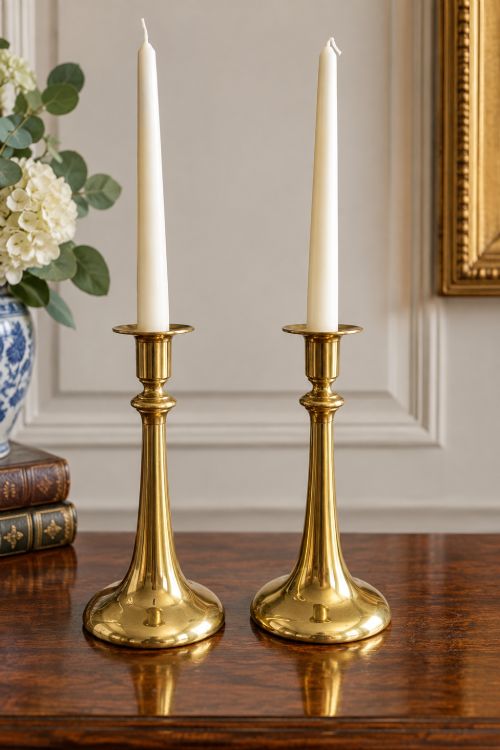
A vintage brass candle light encompasses a wide variety of lighting fixtures and candlesticks rooted in past centuries. The selection here leans heavily towards French chandeliers, wall lights and heavy brass candlesticks from periods such as the Georgian era, Victorian times and the early twentieth century.
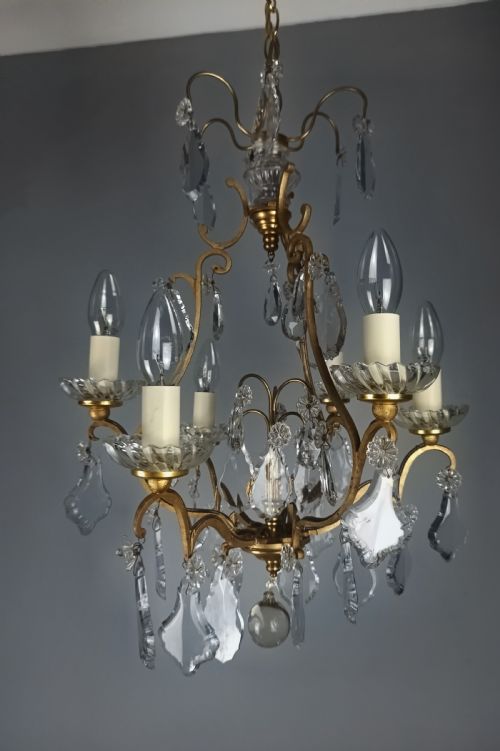
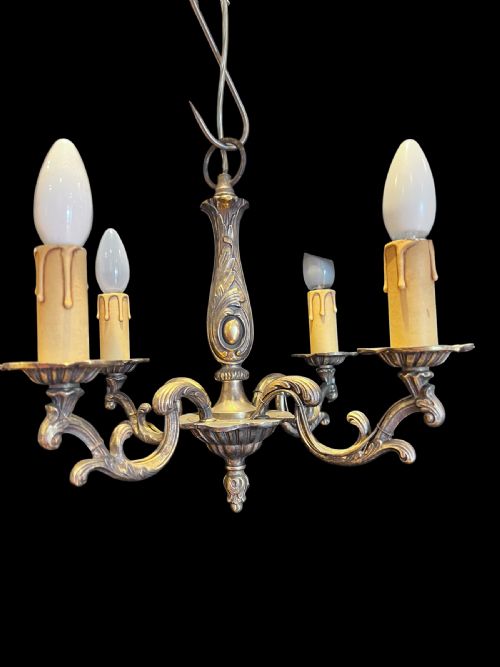
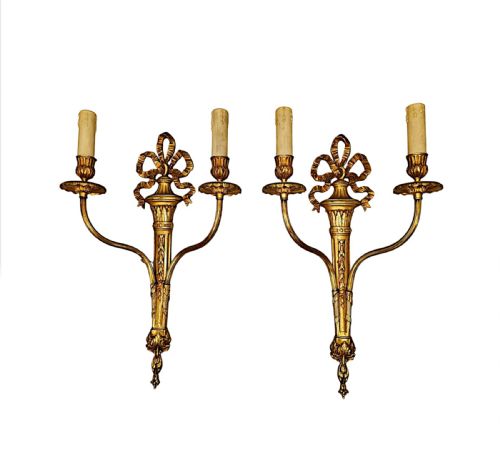
Buyers will encounter multi-arm chandeliers hung with crystal lustres, alongside pairs of heavy church candlesticks and wall sconces featuring French rococo or neoclassical styling. Desk lamps and hall lanterns also appear among the offerings.
Originating largely from France and England, these items show considerable diversity in scale, from small pairs of domestic candlesticks to large eight-light chandeliers designed for grand spaces.
How they were made
Makers utilised cast brass, gilt bronze, ormolu and metal as the primary structural foundations for these items. Gilded finishes and applied ormolu provide the characteristic metallic sheen seen across many of the French and English pieces.
Glass and crystal elements frequently accompany the metalwork, appearing as hanging lustres, cut glass components and crystal droplets on chandeliers and wall sconces. Toleware also surfaces occasionally in specific desk lamps.
Listings feature items spanning the 17th century style up through the 1930s, utilising brass, gilt bronze, crystal and toleware.
What varies in quality
Quality separates objects by the crispness of the cast metal detailing and the intricacy of the decorative motifs such as ribbon crests or acanthus leaves. Heavy gauge brass and fire-gilt ormolu display a depth of finish that lighter, flat-cast pieces simply lack.
The integration of cut crystal lustres and the complexity of multi-arm arrangements distinguish standard domestic lighting from the substantial, ornate chandeliers and candelabra produced for larger residences.
The Vintage Brass Candle Light Glossary
- Ormolu
- Finely chased gilt bronze, widely utilised on decorative mounts and candelabra during the eighteenth and nineteenth centuries. The technique involves applying a gold-mercury amalgam to bronze.
- Pricket candlestick
- A candle holder featuring a central spike upon which a large candle is impaled, common in ecclesiastical settings and older styles. These often appear in seventeenth-century revival designs.
- Bouillotte lamp
- An adjustable desk or table lamp featuring a central shaft and a toleware shade. Originating in France, it typically holds two or more candle arms.
- Crystal lustre
- A cut glass pendant or droplet hung from chandeliers and wall sconces to refract the light. Their presence significantly enhances the visual complexity of the fixture.
- Candelabra
- A branched multi-light candlestick holder designed to hold several candles simultaneously. They often exhibit elaborate neoclassical or rococo revival styling.
Vintage Brass Candle Light: Frequently Asked Questions
What is a bouillotte lamp?
A bouillotte lamp is a traditional French desk or table lamp featuring an adjustable metal shade, usually made of painted toleware. It provides directional light suitable for reading or card games.
These lamps typically incorporate twin candle arms stemming from a central column, combining brass or bronze construction with functional height adjustment.
How do I identify a French chandelier?
French chandeliers from the periods represented here often display specific stylistic cues like rococo curves, neoclassical symmetry, and extensive use of gilt bronze or ormolu. They frequently incorporate hanging crystal lustres.
Originating from various early twentieth-century and nineteenth-century French workshops, their metalwork tends to feature ornate casting and multiple light branches.
What are crystal lustres?
Crystal lustres are cut glass pendants or drops hung from the arms and crowns of chandeliers and wall lights. They are designed to catch and multiply the illumination from candles or early electric conversions.
Their inclusion adds substantial weight and visual sparkle to fixtures, particularly those originating from French chateau or neoclassical traditions.
Where were church candlesticks used?
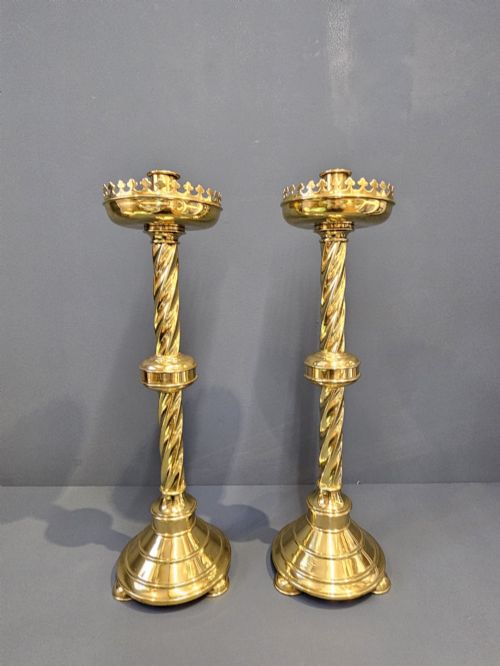
Church candlesticks were manufactured on a large scale for ecclesiastical interiors, serving on altars or in large halls. Their notable height and heavy brass construction distinguished them from domestic table pieces.
Victorian and earlier examples often feature robust bases and sometimes include pricket spikes rather than standard sockets.