
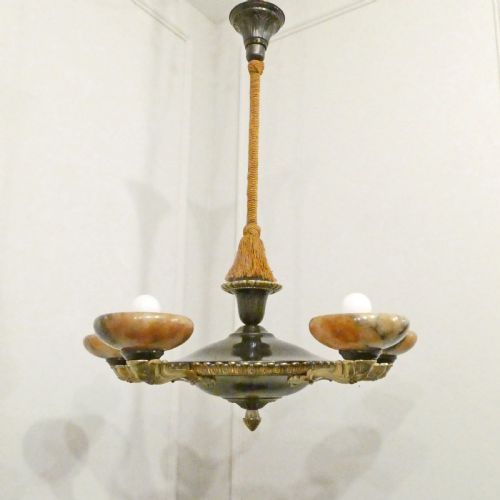
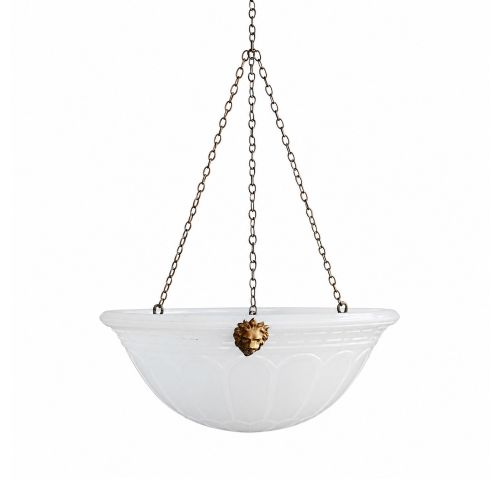
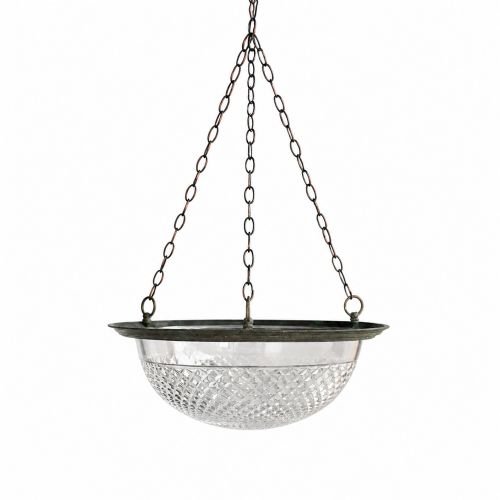
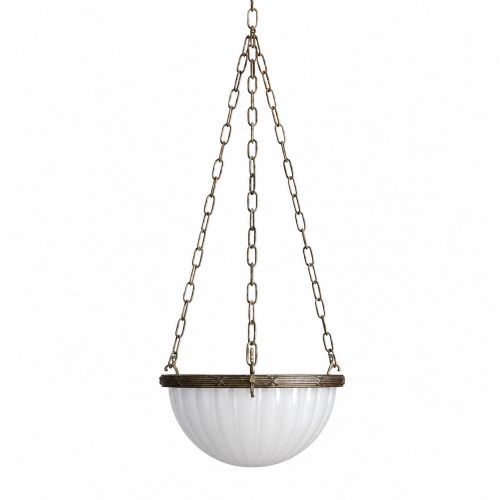


Vintage Brass Bowl Light
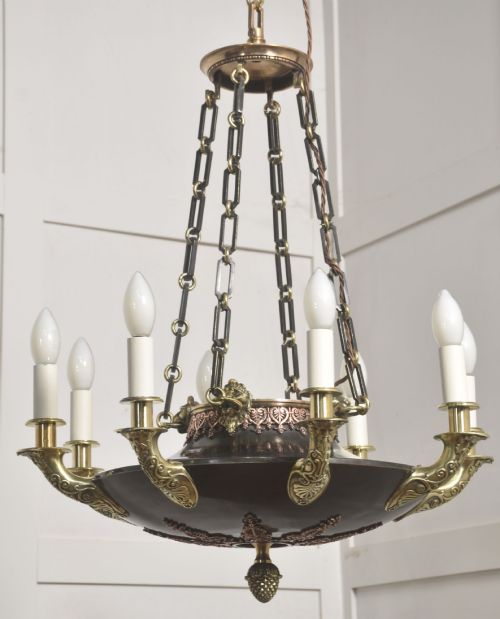
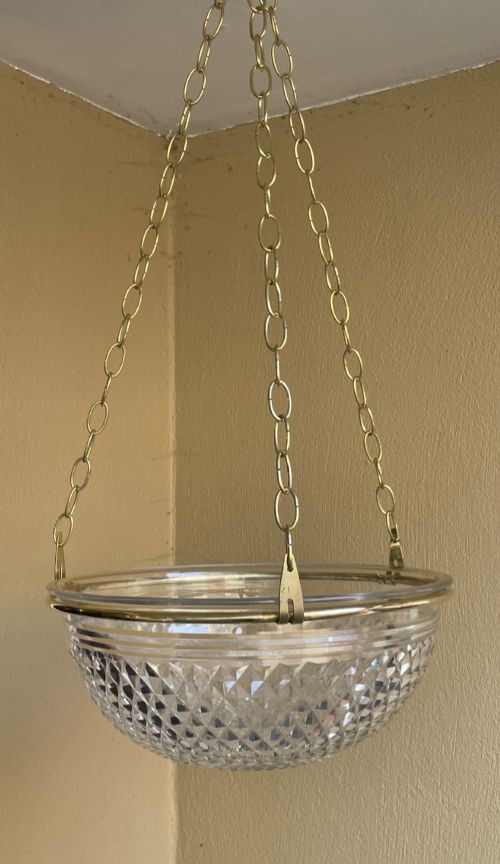
These vintage brass bowl light pieces are ceiling-hung fixtures designed to cast warm illumination across a room.
Vintage Brass Bowl Light
When you search for a vintage brass bowl light, you find a collection of ceiling-hung fixtures that use metal and glass to diffuse illumination across a room. These pieces include ceiling lights, pendant lights, chandeliers, and specific bowl-shaped shades suspended from above.
The objects span multiple periods, covering Victorian, Edwardian, and Art Deco eras alongside nineteenth-century works and pieces from the nineteen-tens and twenties. Common forms range from simple plafonniers and dish lights to multi-light chandeliers and converted oil lamps.
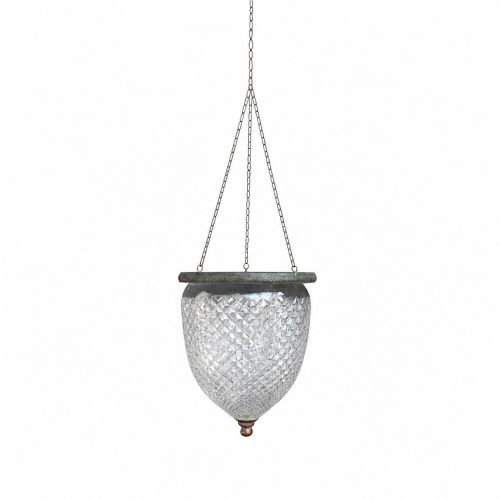
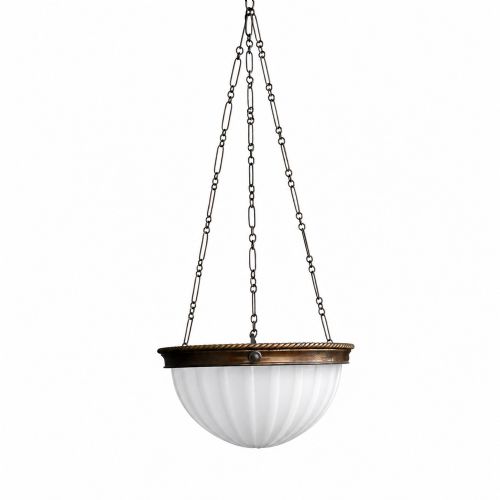
Most examples combine a metallic upper structure with a glass or stone lower bowl. You encounter frosted glass, cut glass, crystal, moonstone, opalescent glass, painted glass, and white alabaster paired with brass, bronze, copper, and mirrored glass.
How they were made
Makers constructed these fixtures using cast or sheet metals for the structural frames, suspension rings, and galleries. Brass, bronze, and copper form the visible metalwork, paired with suspension chains and ceiling roses.
The bowls and shades utilise glass-forming techniques such as moulding, cutting, frosting, and opalescent colouring. Alternatively, artisans shaped natural stone such as white alabaster into heavy, light-diffusing suspension dishes.
Materials appearing across the inventory include brass, bronze, copper, cut glass, crystal, frosted glass, opalescent glass, and alabaster.
What varies in quality
The distinction between simpler iterations and finer examples lies in the depth of hand-finishing on the metal and the clarity of the glass. Heavy cast bronze or brass mounts with crisp detailing separate superior pieces from standard production items.
Material choice also dictates the tier of the piece, with solid alabaster bowls, thick cut crystal, and layered opalescent glass representing more ambitious manufacturing than thin pressed glass or plain metal.
Jefferson Light
The Vintage Brass Bowl Light Glossary
- Plafonnier
- A ceiling-mounted light fixture with a bowl-shaped shade that sits close to the ceiling surface. These shades direct light downwards and outwards.
- Alabaster
- A fine-grained, translucent stone used to carve heavy ceiling bowls. It diffuses light with a soft, uniform glow.
- Opalescent glass
- Glass that exhibits a milky, iridescent appearance with shifting colour tones. This material scatters light softly to reduce glare.
- Chandelier
- A branched hanging light fixture designed to hold multiple bulbs or candles. They often feature crystal drops and elaborate metal framing.
- Cut glass
- Glass decorated by grinding facets and patterns into the surface. This technique creates sparkling reflections when illuminated.
Vintage Brass Bowl Light: Frequently Asked Questions
How do I hang a bowl light?
These fixtures suspend from ceilings using chains, rods, or cords attached to a matching ceiling rose. You secure the weight of the metal and glass bowl directly to ceiling joists.
Professional electrical installation is recommended to support the weight of heavy brass, bronze, and stone components safely.
What rooms suit a bowl light?
Pendant bowl lights work well in hallways, dining rooms, and living spaces with adequate ceiling height. Their downward-facing bowls provide focused general illumination.
Shallow plafonnier versions suit rooms with lower ceilings where hanging chandeliers obstruct movement.
How do I clean the glass bowls?
Remove glass and alabaster bowls from their metal frames carefully to wash them in lukewarm soapy water. Avoid harsh abrasives that scratch frosted or painted surfaces.
Polish brass and bronze components gently with a dry cloth to preserve their aged appearance.
How do I date these lights?
Dating relies on stylistic clues such as geometric Art Deco lines, Edwardian cut glass patterns, or Victorian bronze casting styles. Materials like opalescent glass and moonstone point towards early twentieth-century production.
Wiring methods and metal patina provide additional clues to the age of the fixture.