



Vintage Brass Bound Tubs
Vintage brass bound tubs bring rugged timber and bright metalwork together to hold plants, wine or walking sticks in any room.
Vintage Brass Bound Tubs
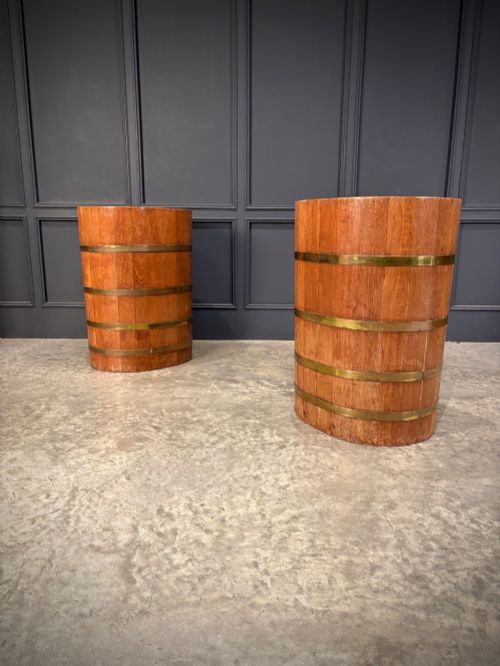
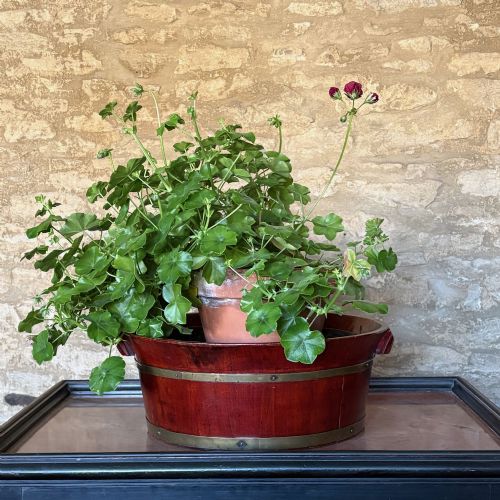
Vintage brass bound tubs are coopered vessels made from timbers such as oak, mahogany, walnut and general wood, secured with sturdy metal bands. These pieces span from the eighteenth century through the Victorian and Edwardian eras up to the nineteen-thirties, reflecting traditional cooperage methods.
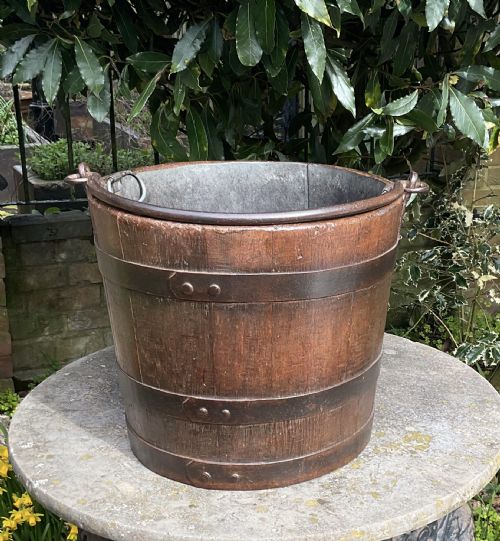
Origins stretch from the George III period into twentieth-century traditional workshop output, encompassing both round and oval shapes. Some examples retain interior liners made from zinc or copper, preserving their original function for water or ice.
How they were made
Makers built these vessels using traditional cooperage techniques, shaping individual wooden staves of oak, mahogany or walnut to form tight-fitting sides. These staves are held firmly in place by heavy brass bands or hoops, sometimes accompanied by iron or copper elements.
Vintage Brass Bound Tubs Retail Price Guide 2026
Typical asking prices for vintage brass bound tubs among the pieces listed under this phrase on Sellingantiques today, from the lower quarter to the upper quarter. They describe what is for sale here now, not the wider market.
Current listings feature pieces spanning the 18th century, the Victorian and Edwardian eras, up to the 1930s.
What varies in quality
The distinction between ordinary and exceptional tubs lies in the choice of timber and the precision of the cooperage. Dense, figured hardwoods like eighteenth-century mahogany or walnut command greater attention than plain utility woods from later decades.
Quality also shows in the weight and hand-fitting of the brass bands and the survival of original interior liners made of copper or zinc. Clean lines in the stave construction and crisp joinery separate standard workshop pieces from finer formal examples.
The Vintage Brass Bound Tubs Glossary
- Coopered
- Made by a cooper using shaped wooden staves bound together with metal hoops. This construction method ensures watertight strength for barrels, buckets and tubs.
- Cellarette
- A lockable container used for storing wine bottles in the dining room. Eighteenth-century versions often feature lead or zinc linings.
- Stave
- One of the narrow tapered pieces of wood that form the sides of a barrel or tub. The tightness of the staves defines the vessel's integrity.
- George III
- The period of British history from seventeen sixtyजन्य to eighteen twenty. Furniture and decorative items from this era are noted for refined mahogany construction.
Vintage Brass Bound Tubs: Frequently Asked Questions
What were vintage brass bound tubs used for originally?
These vessels served various domestic purposes including cooling wine with ice, holding water, and storing household items or walking sticks.
Over time, many of these coopered pieces transitioned into decorative planters and jardiniere stands for living spaces.
How can I tell an eighteenth-century tub from a nineteen-thirties one?
Earlier pieces from the eighteenth century typically utilise rich timbers like mahogany and walnut with finer joinery details.
Twentieth-century examples often display simpler oak construction or follow Georgian revival styles with less patinated hardware.
Are these tubs waterproof for live plants?
Many examples feature original zinc or copper liners designed to hold moisture without damaging the wooden staves.
If a liner is absent, placing a separate plastic pot inside will protect the timber from damp soil and water.
How do I care for the brass bands on the wood?
Dust the brass gently with a soft cloth to maintain its finish without stripping the natural age and oxidation.
Feed the timber periodically with appropriate wax to keep the oak or mahogany nourished and prevent drying.