


Vintage Brass Bound Box
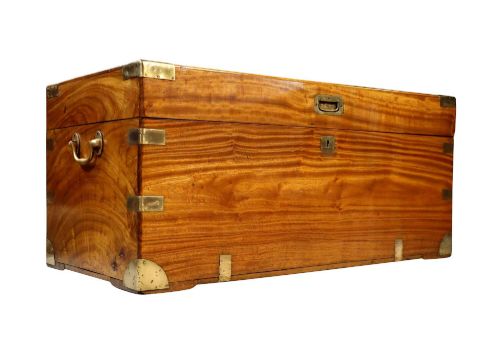
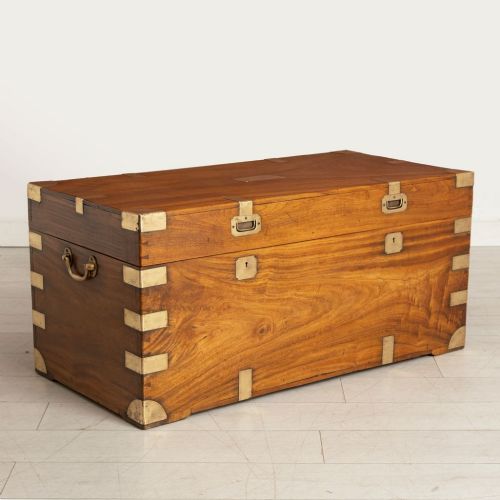
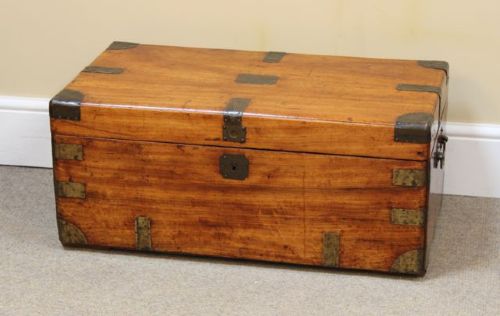
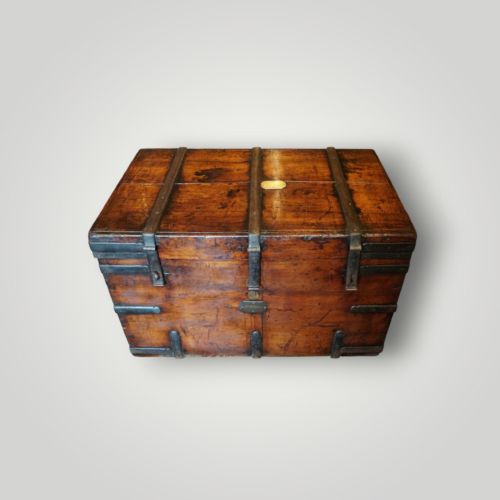
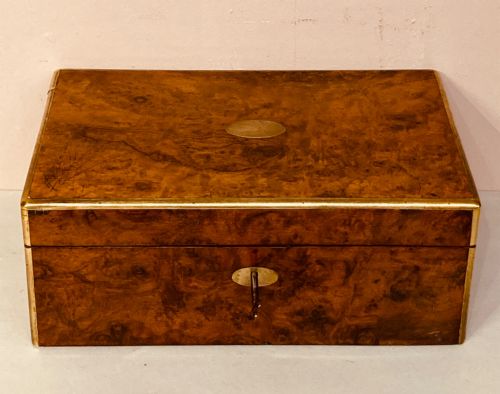
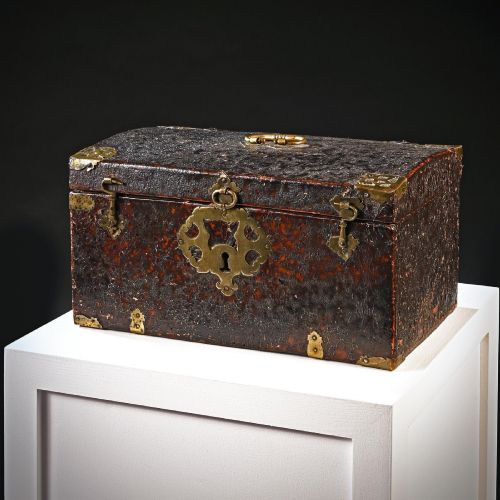
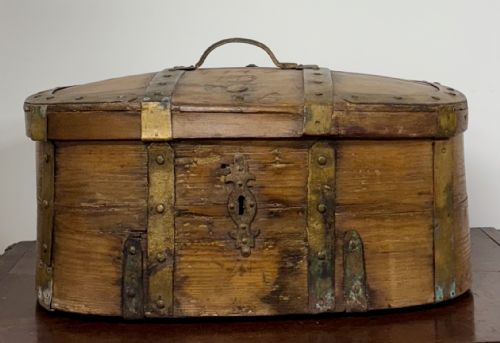
A vintage brass bound box is a portable piece of antique storage designed to endure travel and display craftsmanship.
Vintage Brass Bound Box
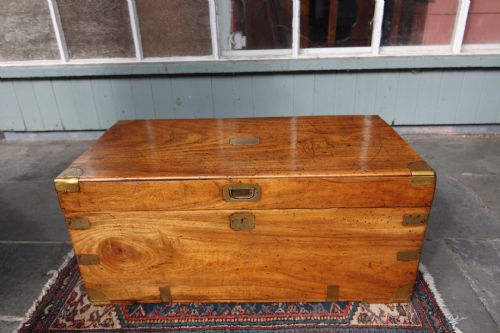
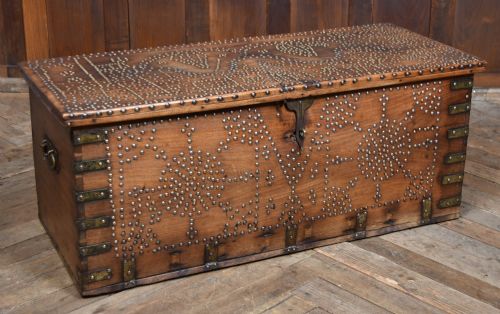
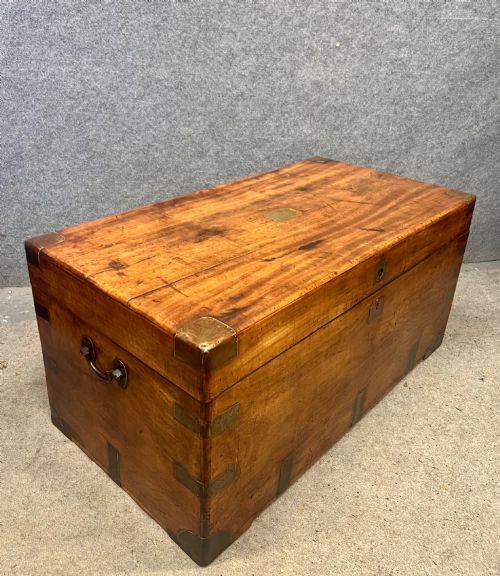
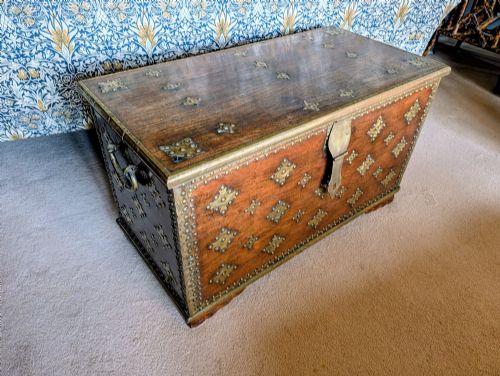
A vintage brass bound box serves as sturdy travelling luggage or desk equipment, constructed for officers, merchants, and gentlemen on the move. When searching for a vintage brass bound box, a buyer typically encounters large camphor wood trunks, dense mahogany writing slopes, and padouk blanket chests from the nineteenth century.
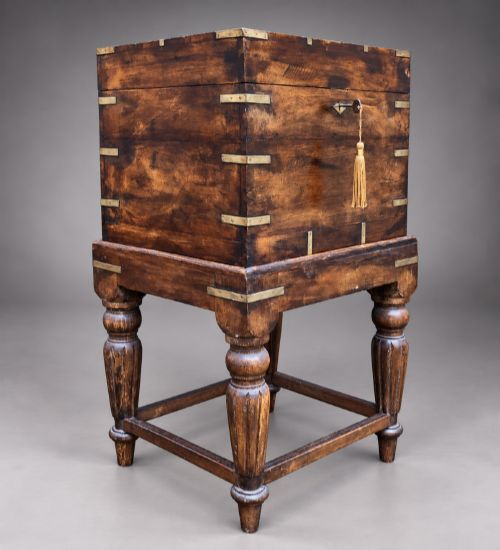
The objects span military campaign chests, travelling boxes, and cellarettes originating from Georgian, Victorian, and Anglo-Indian colonial contexts. Most examples rely on durable hardwoods fitted with protective metal corners and strapwork designed to withstand long journeys across the sea.
Smaller tabletop formats include correspondence boxes, gentleman's vanity boxes, and leather-bound writing slopes meant for stationary domestic use. These pieces combine secure compartmentalised interiors with robust exterior hardware.
How they were made
Cabinetmakers constructed these pieces using dense tropical and domestic timbers such as camphor wood, padouk, mahogany, teak, and rosewood. Camphor wood provided a fragrant interior naturally repellent to insects during tropical transit, while dense hardwoods like mahogany and padouk resisted warping and heavy impacts.
Workers inset heavy brass corners, strapwork, and flush-fitting drop handles directly into the wood to prevent snagging during transit. Screws and iron or brass bands reinforced the structural joints of trunks and chests against the rigours of campaign life.
Several camphor wood trunks still retain a faint, unmistakable scent of spice after more than a century of travel.
What varies in quality
Quality separates through the selection of timber grain, the precision of the brass inlay work, and the integrity of internal fittings. Superior items display tightly dovetailed corner joints and hand-beaten brass secured with uniformly matched fixings rather than rushed machine stamping.
The presence of original working locks, functional keys, and complete interior stationery partitions or secret drawers elevates the standing of a writing slope or chest. Better execution shows in the crispness of carved details and the unwarped alignment of heavy hinged lids.
Samuel Pratt·Austin·William IV
The Vintage Brass Bound Box Glossary
- Campaign chest
- A modular chest of drawers built in sections with recessed brass pulls and corner brackets so it could travel safely on military expeditions. These pieces stack securely and dismantle easily for transport.
- Writing slope
- A portable desk featuring a slanted hinged lid that opens to reveal compartments for ink, pens, and paper, often lined with leather or velvet. Many incorporate secret drawers hidden beneath internal partitions.
- Camphor wood
- An aromatic Asian timber prized for its insect-repellent properties and distinct scent, frequently utilised for campaign trunks built for tropical service. The wood ranges in tone from pale honey to rich golden brown.
- Cellarette
- A lockable container designed to store bottles of wine or spirits securely during travel or dining use. These containers often feature internal dividers and sturdy brass carrying handles.
- Padouk
- A heavy, durable reddish-brown tropical hardwood utilised in Anglo-Indian furniture and campaign boxes for its exceptional resistance to moisture and decay. The timber deepens in colour over time.
Vintage Brass Bound Box: Frequently Asked Questions
What is a campaign chest?
A campaign chest is a set of drawers built in two or more stackable sections, fitted with recessed brass handles and corner brackets. This design allowed British military officers to transport their belongings easily during postings abroad.
The modular construction protected the corners from heavy knocks and enabled the furniture to be packed securely onto carts or ships.
Why use camphor wood?
Camphor wood was chosen for military trunks because its natural aromatic oil repels moths and insects, protecting uniforms and papers in humid climates. The timber is also lightweight yet resilient.
Boxes made from this wood retain their distinct herbal scent long after manufacture, which historically helped keep stored textiles fresh.
How do you date a writing slope?
Dating a writing slope involves examining the brass inlay, the construction of the interior pigeonholes, and the style of the wood. Georgian examples often feature simpler escutcheons and mahogany carcasses, while Victorian versions frequently display more elaborate brass strapping.
The presence of maker stamps, paper maker labels, and the evolution of lock mechanisms also help narrow down the decade of production.
Were these boxes waterproof?
While fitted with tight lids and solid hardwood panels, these boxes were designed primarily for transit security and dust protection rather than total submersion. The heavy brass banding kept the joints rigid and sealed against rough handling.
Rubber seals did not exist in the period, so tight-fitting wooden lips and dry storage environments provided the main defence against damp air.