





Vintage Brass Basin
A vintage brass basin brings warmth and utility into a room, spanning jardiniere planters, preserve pans, and wash bowls.
Vintage Brass Basin
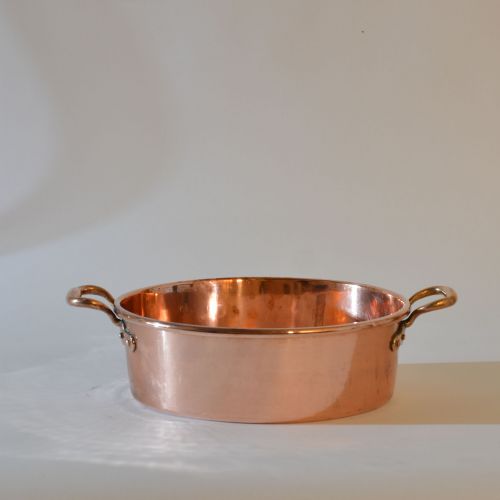
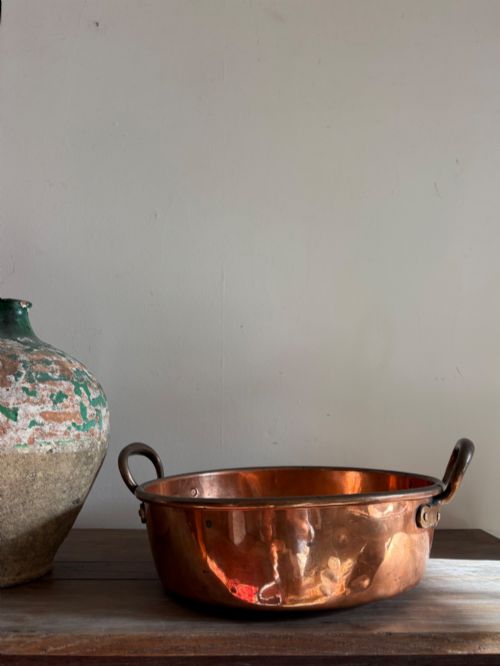
A vintage brass basin encompasses functional vessels and decorative bowls, drawing from periods such as the nineteenth century, Edwardian era, and early nineteen-hundreds. Buyers seeking a vintage brass basin often encounter domestic copper and brass cookware, alongside plant holders and jardiniere vessels.
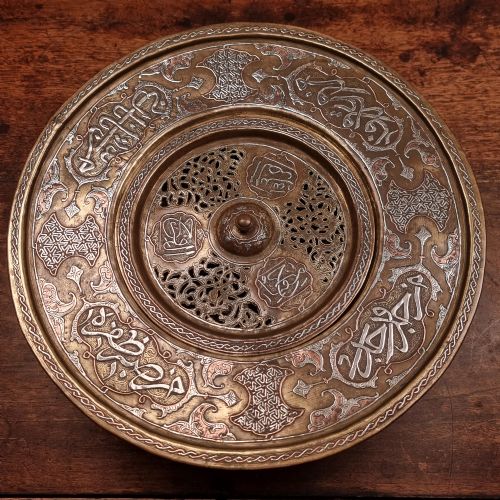
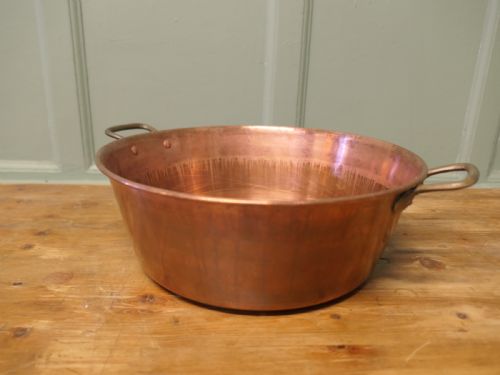
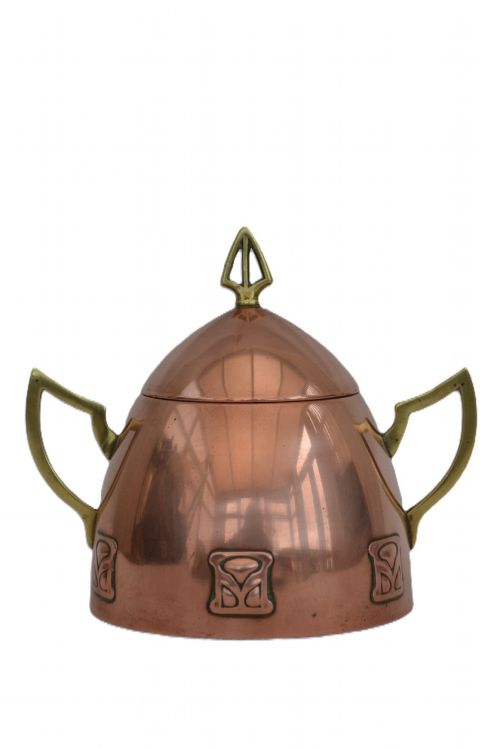
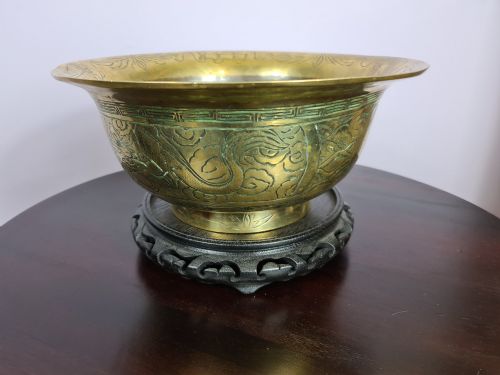
The forms range from heavy preserve pans and jam pots with brass handles to embossed planters, wash bowls, and occasional sinks. Origin styles span Victorian, Art Nouveau, Mamluk Revival, and Chinese aesthetics, reflecting utilitarian and decorative uses across different decades.
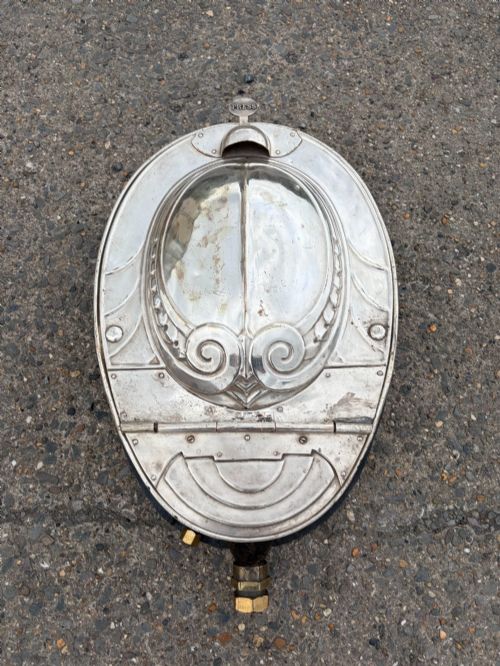
Many examples combine brass elements with copper bodies, iron handles, or silver plating. These pieces serve equally as practical kitchenware and as striking ornamental bowls or log bins within contemporary spaces.
How they were made
Construction relies heavily on hammered and riveted sheet copper and brass, frequently featuring applied brass handles fixed securely to heavy-gauge metal bodies. Rivets line the seams of boilers and large pans, demonstrating durable construction methods designed for heavy kitchen or industrial labour.
Decorative pieces utilise repoussé embossing, silver inlay, and mixed metal techniques to create textured surface patterns. Workshops combined spinning, beating, and casting methods, pairing solid brass fittings with copper, bronze, or wooden framing components.
Vintage Brass Basin Retail Price Guide 2026
Typical asking prices for vintage brass basin among the pieces listed under this phrase on Sellingantiques today, from the lower quarter to the upper quarter. They describe what is for sale here now, not the wider market.
What varies in quality
Metal weight and gauge thickness define the structural integrity of these vessels, separating utilitarian pans built for heavy heat from lighter decorative items. Thicker walls and robust, securely riveted handles indicate superior manufacture intended for enduring service.
The crispness and depth of surface decoration set finer examples apart, particularly in repoussé work, Islamic silver inlay, and mixed metal cairoware bowls. Superior craftsmanship shows in the balanced proportions of handles, feet, and rims, as well as the deliberate integration of brass details upon copper bodies.
Hodges & Sons
The Vintage Brass Basin Glossary
- Jardiniere
- An ornamental pot or stand for holding plants or flowers. These items appear in ceramic, copper, and brass.
- Repoussé
- A metalworking technique where the metal is beaten from the reverse side to form a raised design in relief. This method creates textured floral or animal motifs.
- Preserve pan
- A wide, shallow cooking vessel traditionally used for boiling fruit and sugar jams. They frequently feature strong brass handles and heavy copper bodies.
- Dinanderie
- Objects made of beaten brass or copper, often associated with liturgical vessels or decorative domestic containers. The term stems from the town of Dinant in Belgium.
- Cairoware
- Metalwork produced in Cairo and the Middle East, typically featuring intricate brass surfaces inlaid with silver and other metals. These bowls showcase geometric and calligraphic motifs.
Vintage Brass Basin: Frequently Asked Questions
How do I clean a brass basin?
Maintenance depends on whether you prefer a bright polished shine or an aged patina with dark oxidation.
Gentle washing with warm soapy water removes dust without disturbing the historic surface of the metal.
Can I use these for cooking?
Many preserve pans and cooking pots were originally manufactured for kitchen use over open heat sources.
Modern utility varies depending on interior linings and past wear, so check each piece's condition before culinary application.
What is a jardiniere used for?
These decorative containers serve primarily as planters for housing indoor foliage and floral arrangements.
Their substantial metal construction also suits use as umbrella stands or fireside log bins.
How do I date an old basin?
Dating relies on observing manufacturing marks, handle styles, construction seams, and prevailing design movements like Art Nouveau.
Hand-riveted joints and specific patination traits often point toward nineteenth-century origins.