





Vintage Brass Apparatus
Vintage brass apparatus brings laboratory instruments and industrial engineering into the home as striking decorative objects.
Vintage Brass Apparatus
When you search for vintage brass apparatus, you encounter a diverse collection of scientific instruments, industrial machinery, and demonstration models dating from the nineteenth and early twentieth centuries.
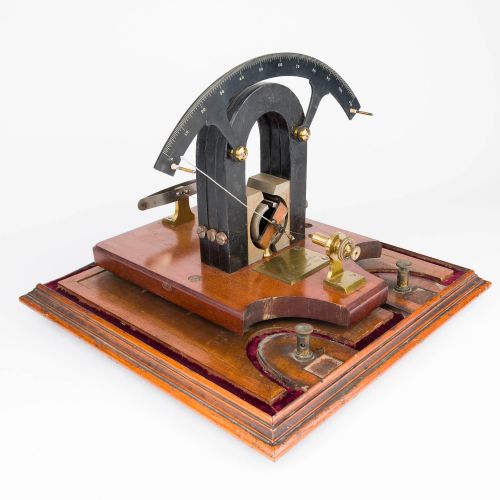
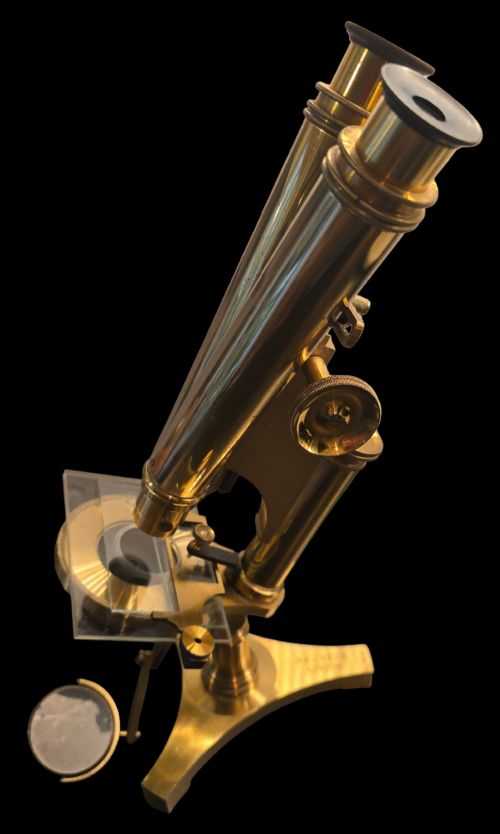
The most common forms on this page include cased microscopes, barographs, galvanometers, and various testing devices originating from British, French, and German makers.
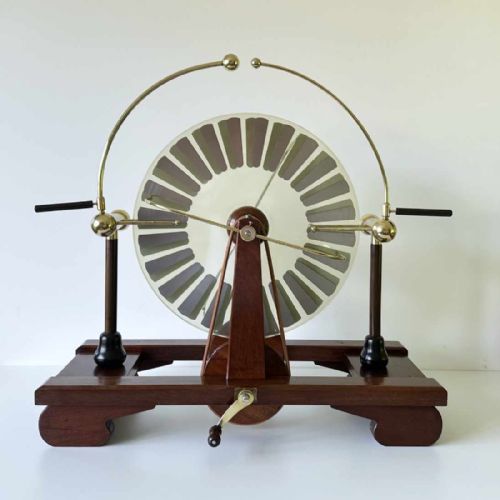
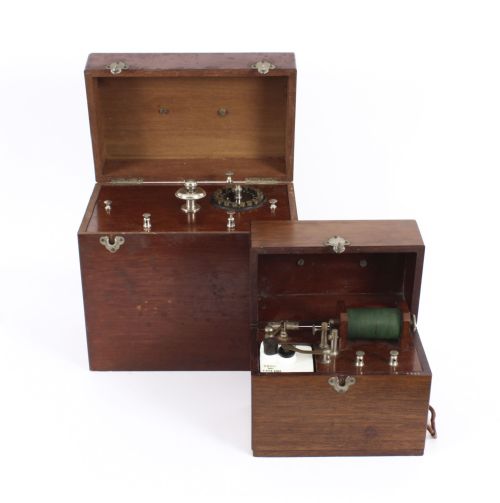
These pieces range from precision meteorological tools like barometers and anemometers to large electrical demonstration machines housed in mahogany cases.
Materials and construction
Makers utilised polished brass for the primary structural components and delicate mechanisms, combining it with cast iron and steel for added stability and function.
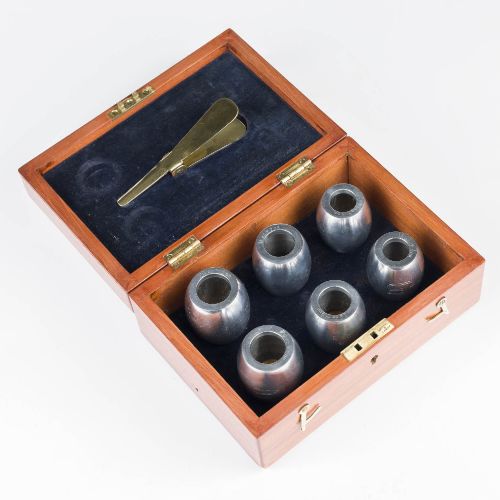
Housings and fitted storage boxes were constructed from dense timbers such as mahogany and wood, frequently lined with velvet to protect sensitive glass tubes and lenses.
Hair hygrometers rely on human hair to measure humidity, expanding and contracting with the moisture in the room.
Factors of quality
The distinction between standard items and exceptional pieces rests upon the precision of the engraved maker signatures, the integrity of the original glass components, and the survival of fitted wooden cases.
Makers who supplied institutional laboratories produced apparatus with finer graduations, superior optical clarity, and more robust mechanical linkages than simpler commercial models.
De Grave Short & Co·G. Adam·W&S Jones·R. & J. Beck·Negretti & Zambra·Goodbrands·Casella London·Watkins & Hill·Max Kohl·Heinrich Daniel Ruhmkorff·William Ladd
The Vintage Brass Apparatus Glossary
- Barograph
- A recording aneroid barometer that plots atmospheric pressure onto a rotating paper chart over time. These units are usually mounted within glazed mahogany cases with drawer storage for spare charts.
- Geissler tube
- An early sealed glass discharge tube used to demonstrate electrical principles. They display colourful light patterns when high voltage passes through the contained gas.
- Theodolite
- A precision optical instrument for measuring horizontal and vertical angles in surveying. It relies on internal brass leveling screws and telescopic sights.
- Hygrometer
- An instrument utilised for measuring the humidity content of the air. Saussure patterns employ human hair to detect moisture changes.
Vintage Brass Apparatus: Frequently Asked Questions
What is vintage brass apparatus used for today?
These items serve primarily as decorative display pieces in studies, libraries, and modern interiors. Their intricate mechanics and warm metallic tones provide strong focal points.
Collectors also acquire them to study the history of Victorian and Edwardian scientific instrumentation and engineering design.
How do I clean brass scientific instruments?
Dusting with a soft, dry microfibre cloth is generally sufficient for regular maintenance. Avoid harsh chemical polishes that remove historic patination and damage delicate engraved inscriptions.
If the brass requires deeper cleaning, use a specialised non-abrasive metal cleaner applied sparingly with a cotton bud.
Are these scientific instruments still in working order?
Many mechanical items retain their basic functionality, such as rotating drums on barographs or focusing mounts on microscopes. However, electrical devices like induction coils and electrostatic machines are sold primarily as historical artefacts rather than operational laboratory equipment.
Buyers should consult professional conservators before attempting to power historical electrical apparatus.
How can I tell the age of an instrument?
Makers often inscribed their company name, trading address, or patent dates directly onto the brass plates or dials. Comparing these details against known working periods of the firm establishes a reliable timeframe.
The style of the fitted mahogany cabinetry and the complexity of the internal gearing also offer clear indicators of Victorian or Edwardian manufacture.