


Cased Optical Instrument
These cased optical instruments are precision brass and glass pieces built to magnify, measure, and reveal, housed in fitted mahogany or leather cases.
Cased Optical Instrument
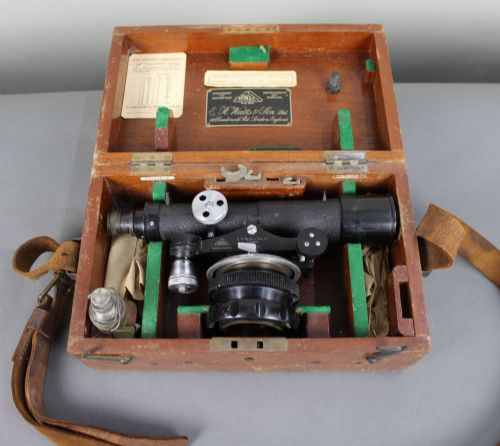
When you search for a cased optical instrument, you encounter a diverse array of scientific and medical apparatus spanning the eighteenth, nineteenth, and early twentieth centuries. These pieces encompass microscopes, telescopes, opticians' examination sets, lens kits, and magnifying glasses designed for professional, domestic, or military use.
The most common examples on this page are nineteenth-century microscopes and optometrists' test sets housed in fitted wooden boxes. These items reflect the burgeoning scientific curiosity and precise medical requirements of the Victorian and Edwardian eras.
Originating predominantly from English makers and workshops, these instruments combine functional utility with robust craftsmanship. They range from portable field equipment like campaign telescopes to desk accessories intended for stationary study.
How they were made
Makers constructed these instruments using heavy brass for the optical bodies, mounts, and mechanisms, ensuring rigid alignment of lenses and focus. Glass formed the critical optical components, shaped into lenses, prisms, and mirrors to achieve magnification and clarity.
Cases and cabinets utilised dense timbers such as mahogany, frequently lined with velvet or paper to cushion the delicate apparatus during transport. Leather covered portable items like binoculars and campaign telescopes, offering protection against field conditions.
Materials across these listings span brass, glass, mahogany, leather, wood, paper, cast iron, and velvet.
What varies in quality
The sophistication of the optical system and the precision of the mechanical adjustments separate standard production items from superior scientific apparatus. Finer instruments feature complex rack-and-pinion focusing and multiple interchangeable objective lenses.
The quality of the housing matches the instrument within, evident in dovetailed joints on wooden cases, custom-fitted interior blocks, and original trade papers or maker labels. Completeness of accessory sets and lens kits also defines the desirability of the piece.
Charles Lincoln·R. & J. Beck·H Hughes & Son London·Ross London·Swift & Son·Chadburn Brothers of Sheffield·Francis West·CW Dixey London·WF STANLEY
The Cased Optical Instrument Glossary
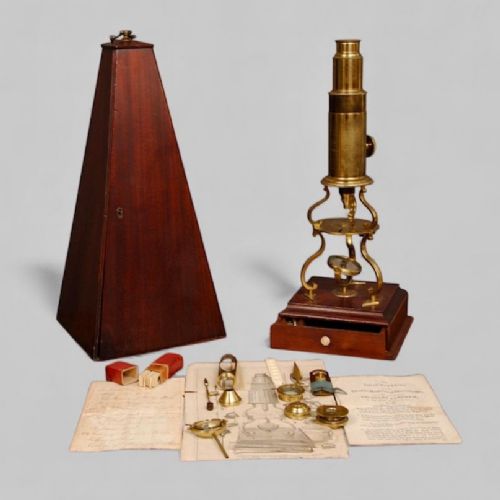
- Culpepper microscope
- An eighteenth-century microscope design featuring a tripod base supporting a body tube and stage. This form represents an early configuration in domestic scientific instruments.
- Stanhope lens
- A small cylindrical optical device offering high magnification of microscopic photographs or specimens. Francis West produced notable examples of these lenses in London.
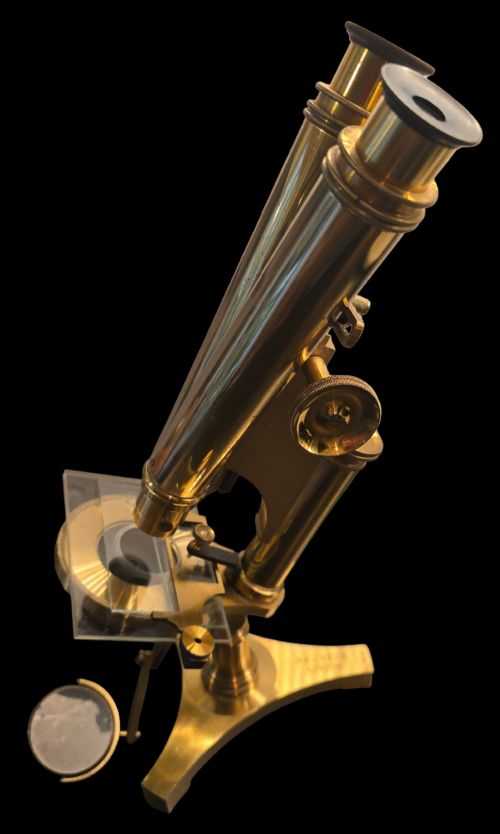
- Binocular microscope
- An optical instrument utilising two eyepieces connected to a single objective system for three-dimensional viewing. R. & J. Beck manufactured notable improved national versions of these.
- Campaign telescope
- A portable telescope constructed with multiple sliding draws for field use by military officers. These instruments typically fold down compactly into wooden or leather housings.
Cased Optical Instrument: Frequently Asked Questions
What is a cased optical instrument?
A cased optical instrument is a scientific device designed for viewing or measuring, accompanied by its original fitted storage box. These range from microscopes and telescopes to optometrist lens kits.
The inclusion of the original case protects the delicate glass and brass components while indicating the item was intended to be preserved as a complete set.
How do I date a microscope?
Dating typically relies on mechanical style, engraved maker signatures, and accompanying trade papers found inside the case. Victorian examples often display heavier cast brass and specific architectural foot designs.
Later nineteenth-century models introduced standardised screws and more compact packing arrangements, reflecting advances in manufacturing precision.
Were these items used by professionals?
Many items on this page served working professionals such as physicians, opticians, architects, and military officers. Optometrists utilised test glass sets for examining patients' vision.
Other instruments, such as desk magnifiers and smaller opera glasses, were intended for domestic study and leisure pursuits among the middle classes.
How should I clean brass instruments?
Original brass surfaces often display dark patination accumulated over decades or centuries of handling. Aggressive polishing removes this historical character and can erase fine maker signatures.
Light dusting with a dry microfiber cloth and preserving the fitted wooden case with appropriate furniture wax is generally the safest approach.