
Vintage Bowfront Cabinet
A vintage bowfront cabinet brings curved elegance and practical storage to a room, spanning periods from the eighteenth century to the twentieth.
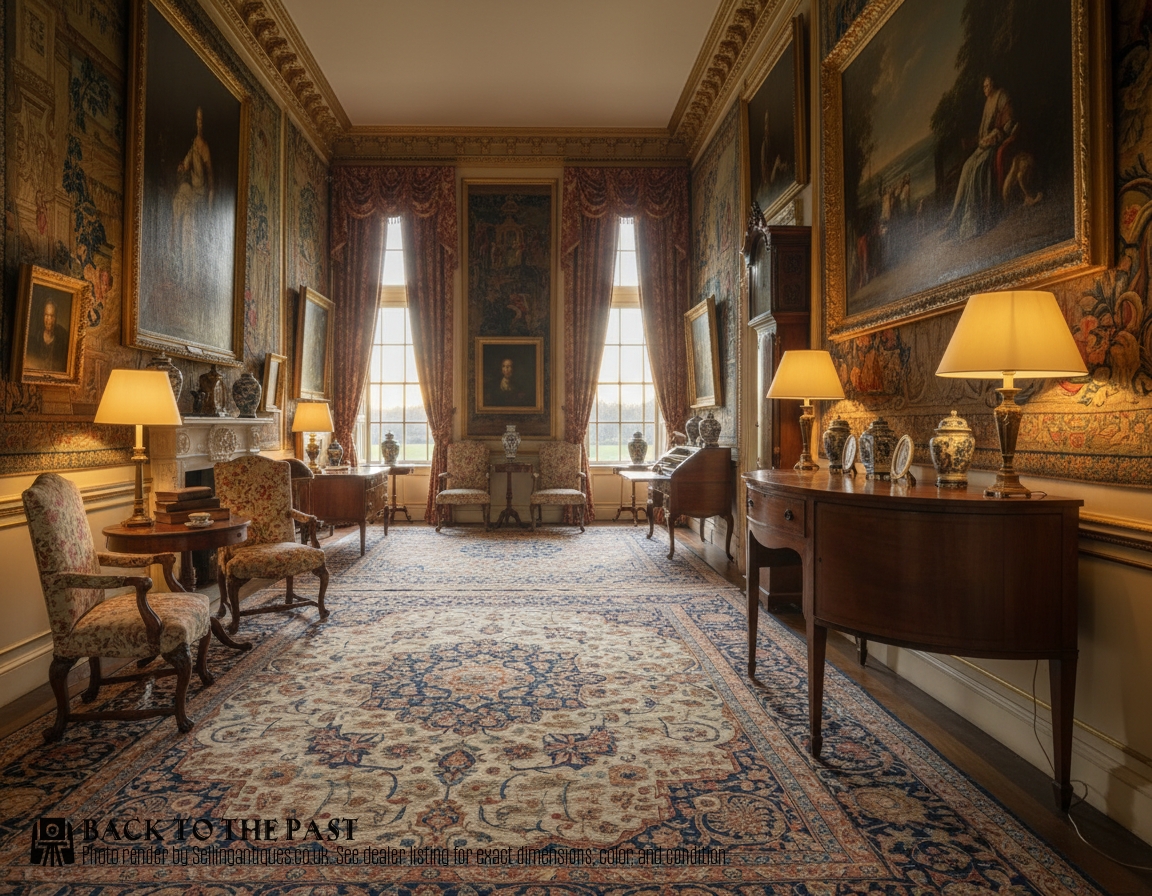
Vintage Bowfront Cabinet
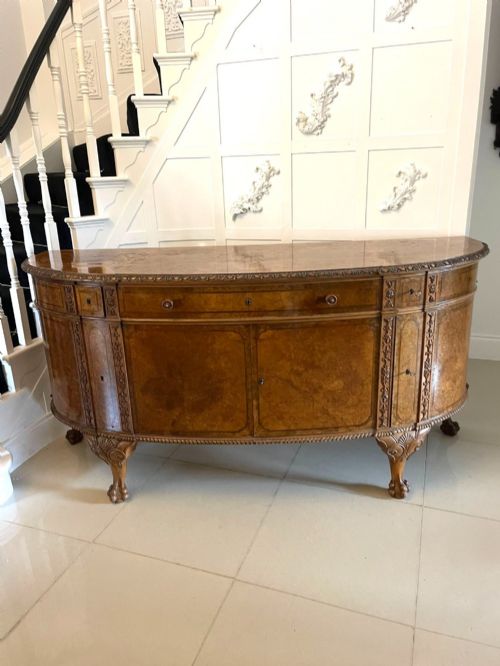
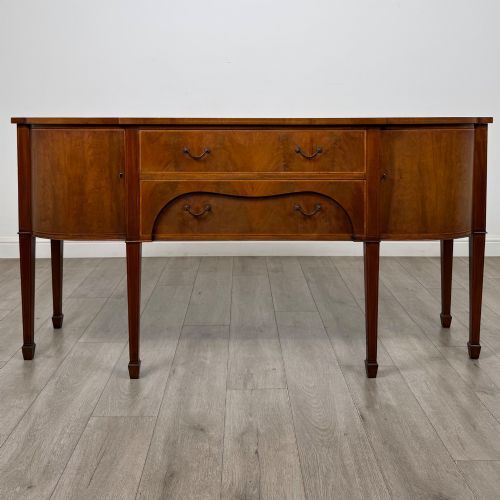
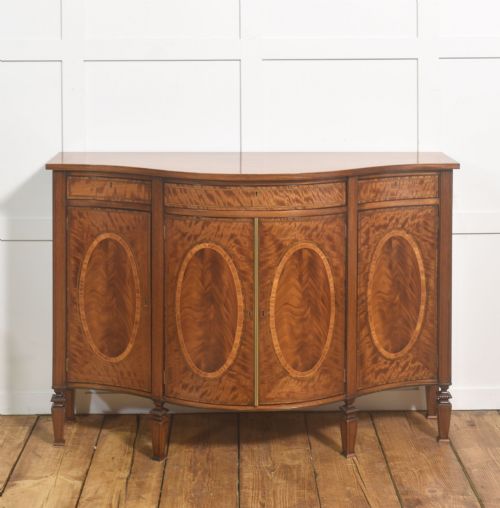
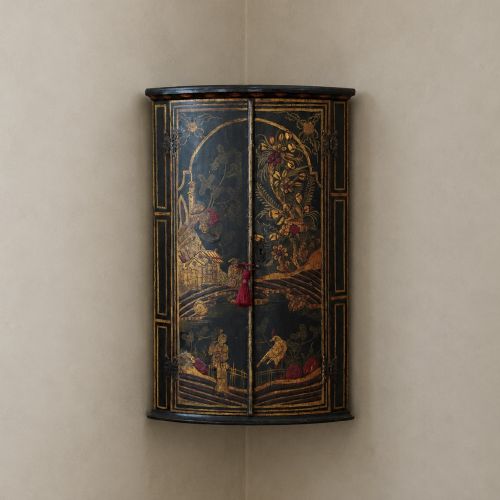
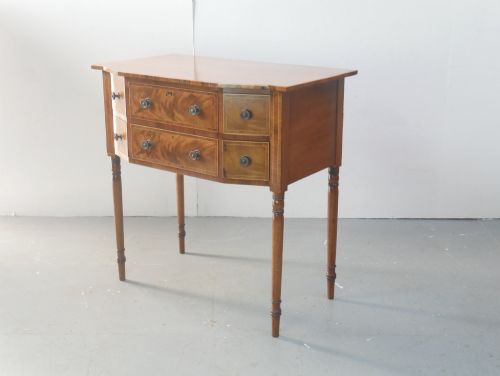
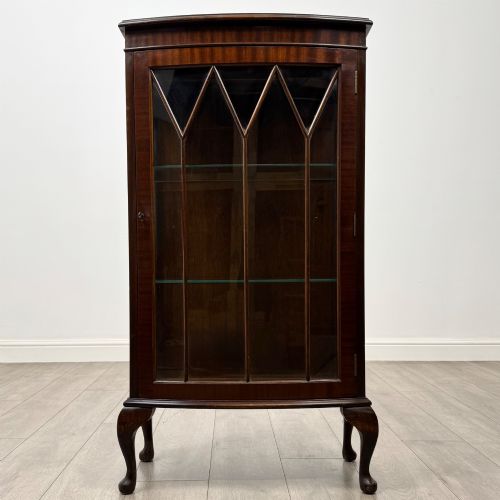
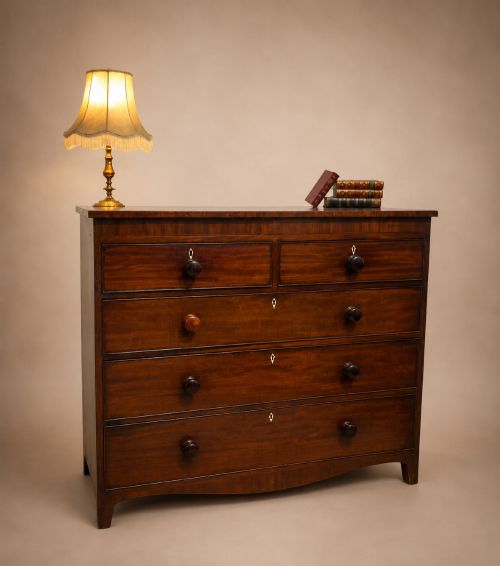
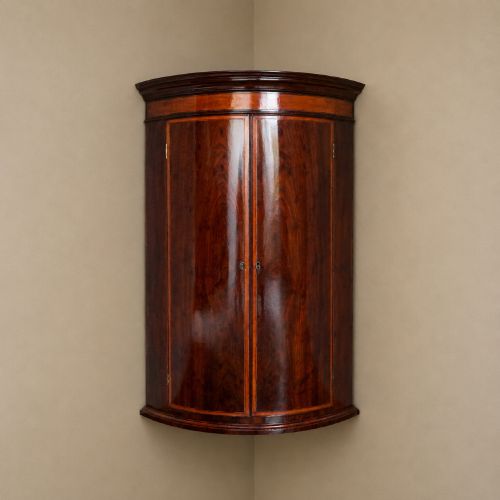
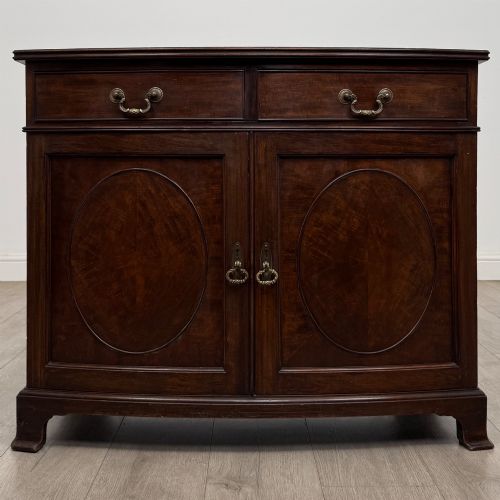
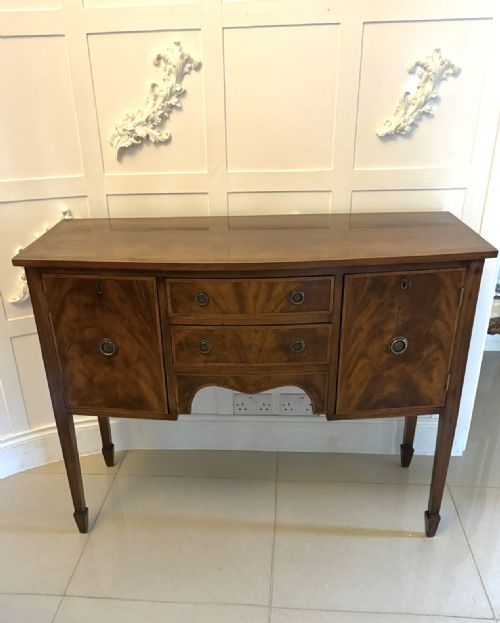
A vintage bowfront cabinet presents a distinctive convex curving front that softens the angles of a room while offering substantial storage. When you search for a vintage bowfront cabinet, you encounter forms ranging from compact corner cupboards and display cabinets to large sideboards and chests of drawers.
The pieces on this page span several centuries, drawing heavily on Georgian designs alongside Edwardian, Victorian, and later revivals. Mahogany forms the backbone of these listings, accompanied by walnut, satinwood, and oak in various configurations.
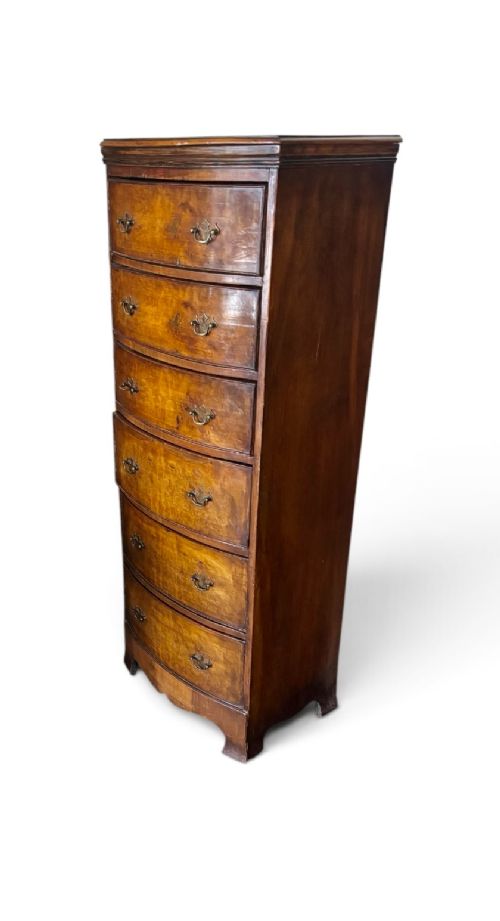
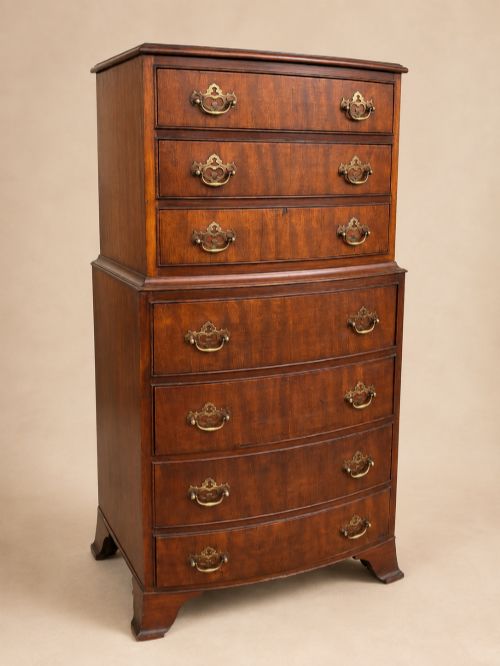
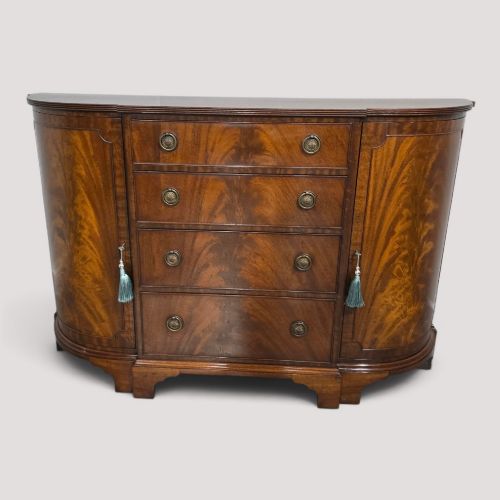
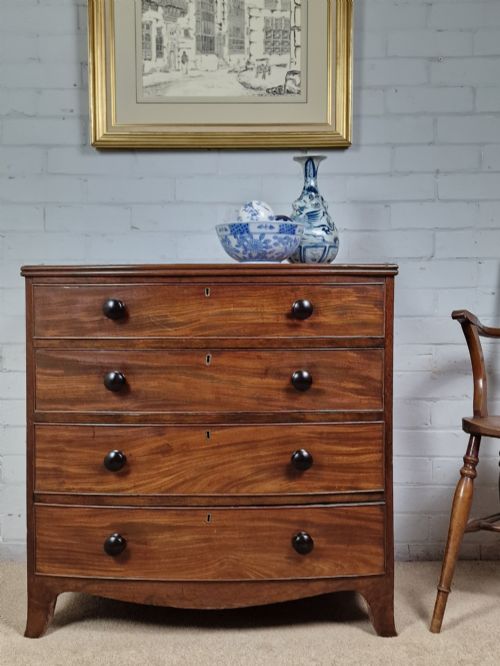
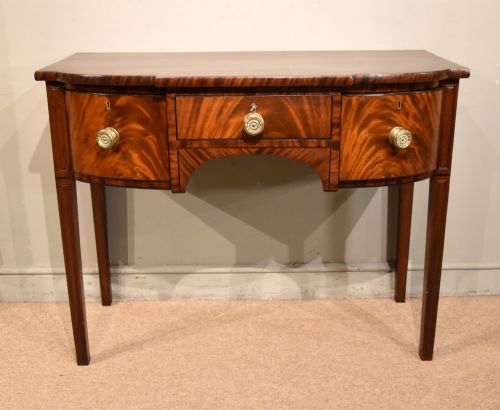
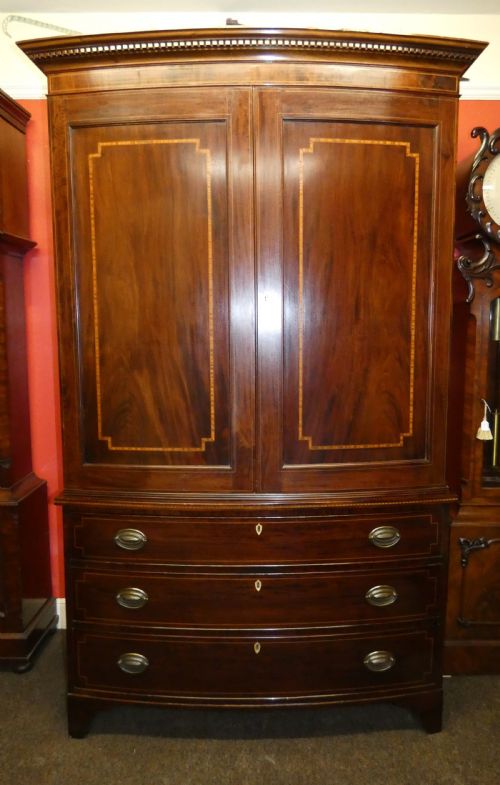
Sideboards and chests of drawers dominate the larger furniture types, whilst hanging and corner cupboards provide options for smaller spaces. Each piece displays the characteristic rounded sweep that defines the style across different eras of manufacture.
Materials and construction methods
Cabinetmakers relied heavily on mahogany as the primary timber, often selecting flame mahogany or incorporating burr walnut for rich figuring. Satinwood inlay and boxwood stringing frequently highlight the curved drawer fronts and borders.
Constructing a successful curve required specialist joinery to bend or shape solid timber and veneers without splitting. Brass handles and escutcheons complete the physical structure, anchored firmly to the timber doors and drawers.
The selection includes mahogany, satinwood, burr walnut, and oak applied across sideboards, chests, and corner cupboards from the eighteenth to the twentieth century.
Distinguishing quality across pieces
The quality of a piece rests largely on the choice of timber veneer and the precision of its inlay work. Finer examples display carefully matched grain patterns across curved drawer fronts that flow continuously.
Secondary woods used inside drawers and backboards also indicate the standard of production. Smooth operation of the curved drawers and well-fitted doors distinguish superior cabinetmaking from more utilitarian workshop output.
The Vintage Bowfront Cabinet Glossary
- Bowfront
- A furniture front that curves outward in a convex sweep. This shape gained popularity in the late eighteenth century and remained a staple of revival styles.
- Tallboy
- A tall chest of drawers made in two sections, placing one smaller chest on top of a larger one. This form maximises vertical storage space.
- Linen press
- A tall cupboard originally designed to store folded clothes and linens on sliding trays inside. Many surviving examples feature drawers in the lower section.
- Inlay
- A technique where pieces of contrasting wood, such as satinwood or boxwood, are fitted into the surface to create decorative patterns. It frequently outlines the curved edges of drawers.
- Chinoiserie
- European decorative art imitating Chinese artistic styles, often featuring hand-painted motifs on lacquered surfaces. Some corner cupboards employ this decorative finish.
Vintage Bowfront Cabinet: Frequently Asked Questions
Where should I place a bowfront cabinet?
These cabinets suit dining rooms, hallways, and living spaces where a curved front softens surrounding straight architectural lines.
Smaller corner cupboards and hanging cabinets utilise unused wall space efficiently in compact rooms.
How do I identify a Georgian piece?
Georgian pieces generally exhibit solid mahogany construction with hand-cut dovetails and period brass hardware.
Later Edwardian and twentieth-century revivals often incorporate machine-cut elements and lighter satinwood inlays.
Are these cabinets difficult to maintain?
Routine dusting with a soft, dry cloth protects the polished timber surfaces from everyday wear.
Occasional application of appropriate wax preserves the sheen of mahogany and walnut veneers.
What is the difference between a sideboard and a chest?
Sideboards serve dining and living areas with a combination of cupboards and drawers designed for serving and storage.
Chests of drawers focus strictly on stacked drawer storage for clothing and household items.