
Vintage Botanical Flower Art
Vintage botanical flower art brings natural forms indoors through works created across the nineteenth and twentieth centuries.
Vintage Botanical Flower Art
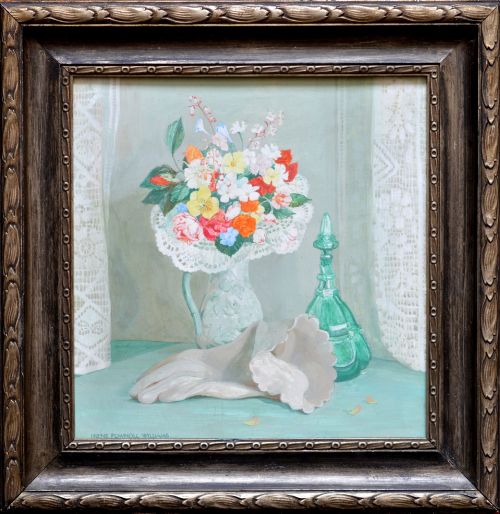
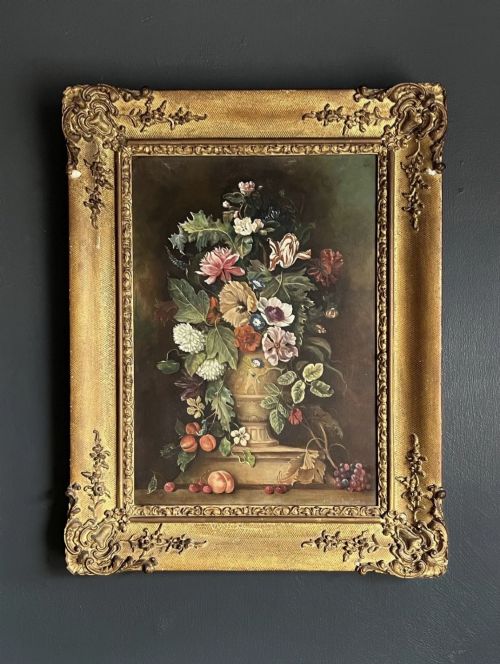
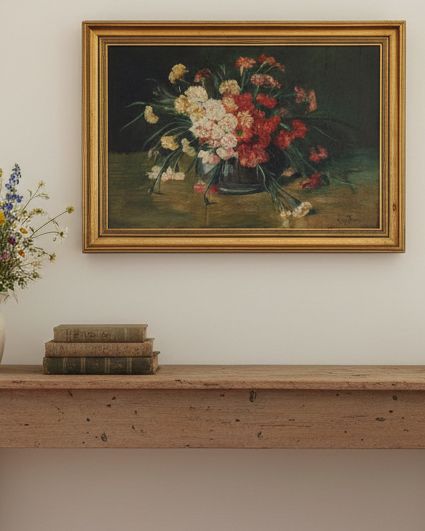
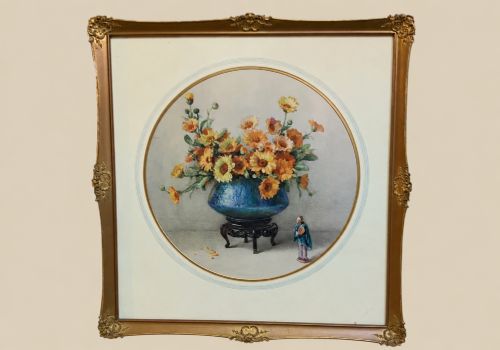
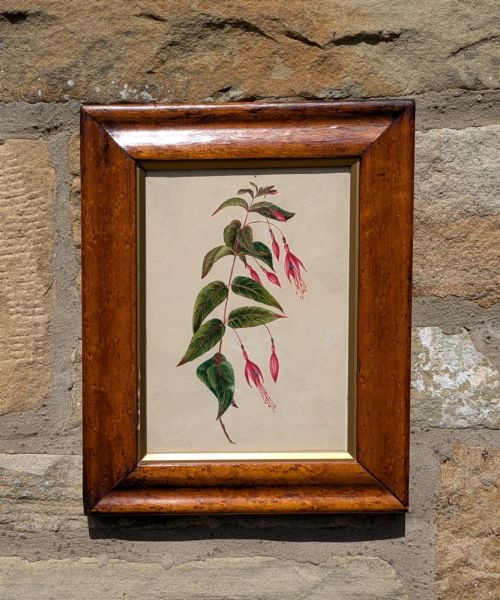
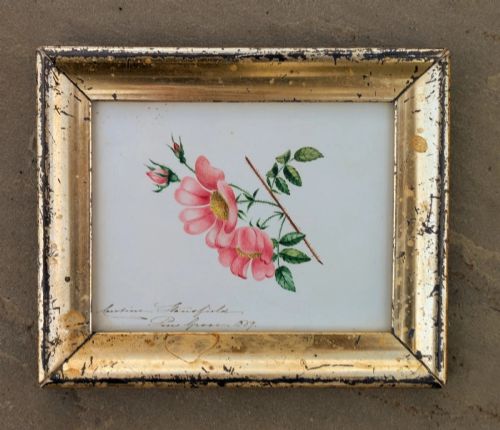
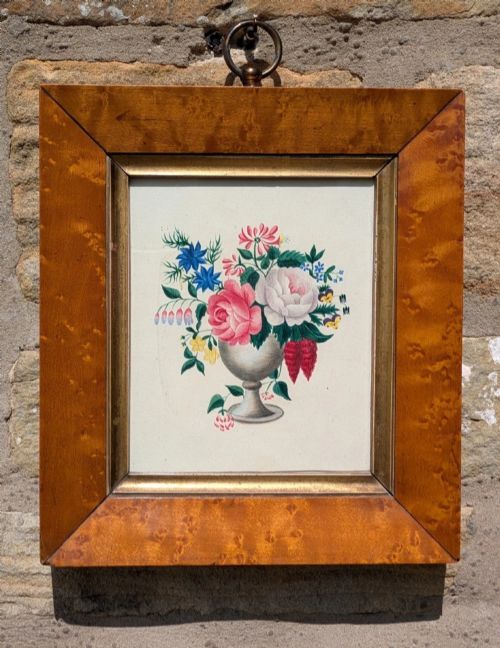
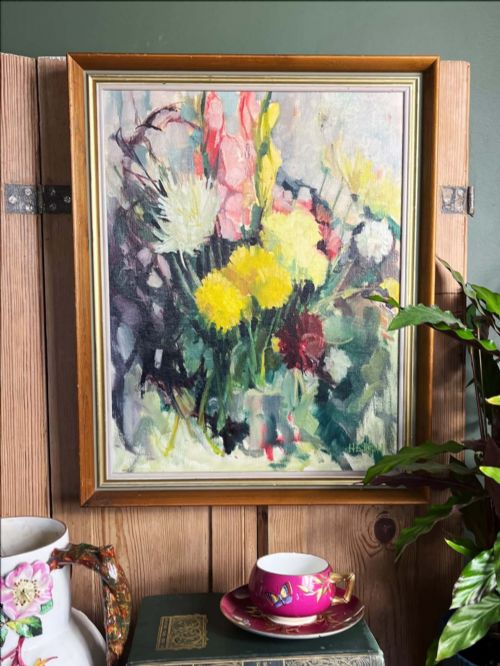
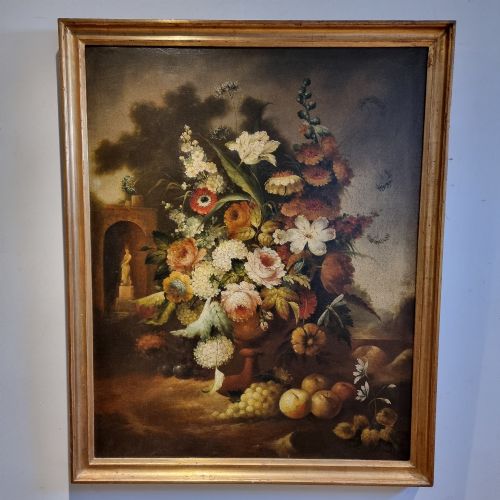
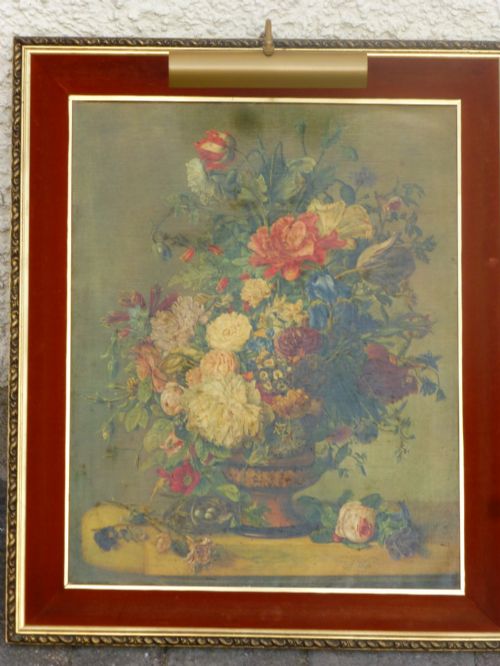
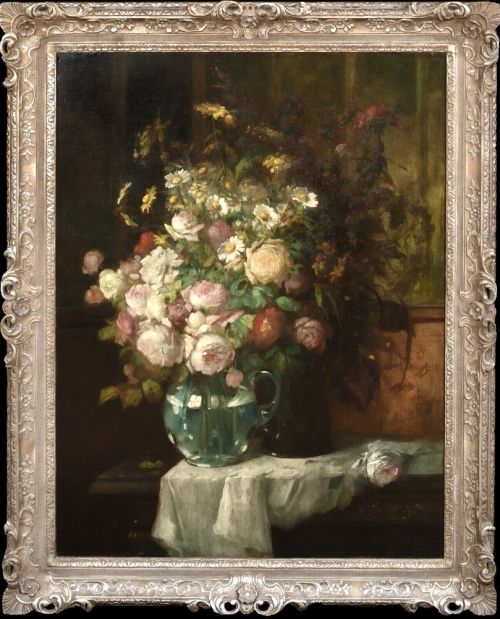
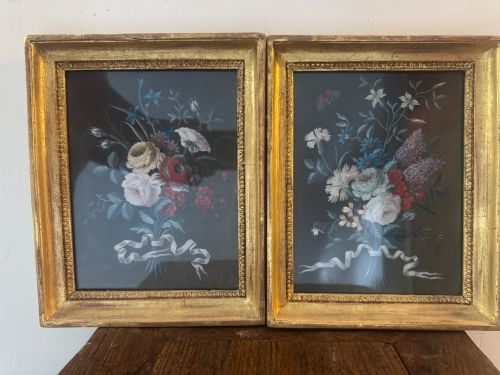
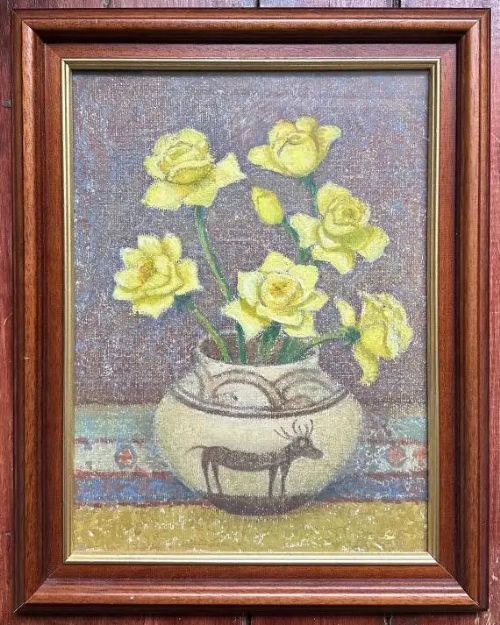
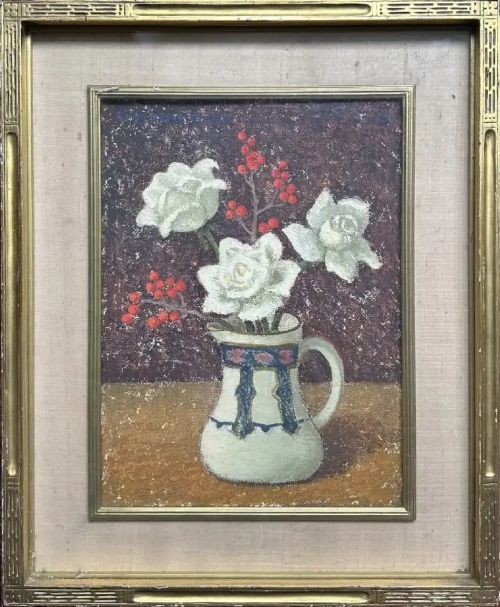
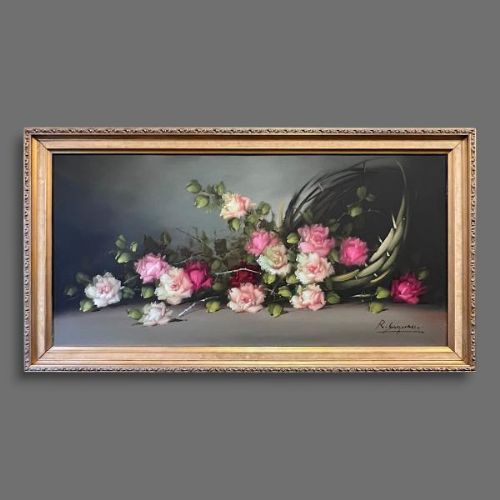
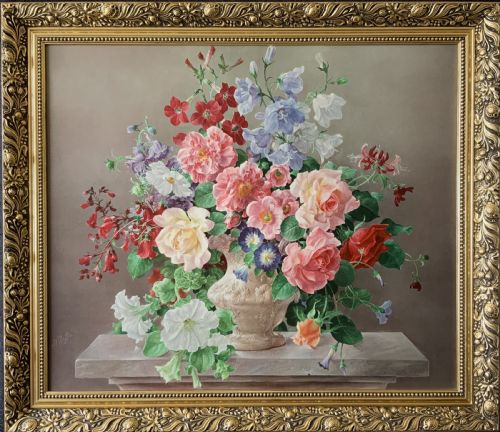
Vintage botanical flower art encompasses framed paintings, watercolours, and illustrations depicting floral subjects from various historical periods. Pieces range from detailed nineteenth-century studies to mid-century impressionist oil paintings and decorative vases.
Watercolours on paper and oil paintings on canvas or panel dominate the selections found in this category. Buyers also encounter gouache works, pastels, and oleographs that capture floral displays in diverse styles.
Origins span British, European, and American makers who worked in Victorian, Edwardian, Art Deco, and mid-century modern aesthetics. These items function primarily as wall art or decorative display pieces for domestic interiors.
Materials and Techniques
Artists utilised traditional supports such as canvas, wood panels, and heavyweight paper for their compositions. Pigments were applied using oil paint, watercolour, gouache, and pastel to build depth and colour within each botanical study.
Many original paintings are housed within period frames constructed from wood and embellished with gesso. Decorative objects integrate materials like glass, copper, and sterling silver to present floral motifs in three dimensions.
Materials recorded across current items include oil paint, watercolour, canvas, wood, glass, and gesso.
Distinctions in Quality
Superior examples demonstrate confident brushwork, accurate botanical observation, and harmonious colour relationships that elevate a piece beyond a simple illustration. The skill of the hand behind the work determines the artistic merit of each canvas or paper support.
The integrity of the physical materials, including stable paint layers, well-preserved paper, and original period framing, distinguishes finer pieces. Condition and historical provenance contribute significantly to the standing of individual works.
Irene Christobelle Pownoll Williams·Anton Weiss·Konstantin Stoitzner·Emma Fordyce MacRae·Harold Clayton·Manuela Bonati·Owen Bowen·James Tower·Gertrude Hayes·Emile Galle·Simon Pietersz Verelst·Winifred Turner·Harry Wanless·Henrietta Creswell·Amile Coppieters·William Edward Fox
The Vintage Botanical Flower Art Glossary
- Oleograph
- A mechanical print produced to imitate an oil painting using lithographic techniques. These prints often replicate well-known artist compositions on canvas or textured paper.
- Gesso
- A plaster-like mixture applied to wood or canvas as a prepared base for painting or moulded to create decorative relief on frames. It provides a smooth or textured surface for gilding and finishing.
- Gouache
- An opaque water-based paint that dries to a matte finish, allowing artists to achieve solid areas of vibrant colour. It is frequently used in botanical works for precise detail.
- Panel
- A flat piece of wood used as a rigid support for paintings instead of stretched canvas. Artists often utilised panels for smaller, detailed still life studies.
- Provenance
- The documented history of ownership and origin for an artwork. It establishes authenticity and traces the journey of a piece through time.
Vintage Botanical Flower Art: Frequently Asked Questions
How do I date vintage botanical art?
Dating relies on stylistic markers, framing materials, and artist signatures recorded on the work. Nineteenth-century pieces often feature delicate watercolour techniques, while mid-century works display bolder impressionist brushwork.
Paper quality, ageing processes on canvas, and handwritten inscriptions on the reverse provide further clues to the decade of creation.
What is the difference between an oil painting and a watercolour?
Oil paintings utilise pigment suspended in drying oils applied to canvas or wood panels, offering rich textures and deep colour layering. Watercolours employ water-soluble pigments on paper, resulting in a transparent, luminous quality.
Watercolours require protective glass framing, whereas oil paintings on canvas remain open to the air.
Are these pieces original works or prints?
The selection includes both unique hand-painted originals and vintage reproduction prints such as oleographs. Individual listings specify whether a piece is a signed original oil, a watercolour, or a printed study.
Examining the surface under magnification reveals the brush texture of original paint versus the dot matrix or lithographic pattern of a print.
How should I care for antique works on paper?
Works on paper require protection from direct sunlight to prevent fading of watercolour pigments and yellowing of the support. Acid-free mounting and framing under UV-filtered glass safeguard the piece from environmental damage.
Maintaining stable indoor humidity levels prevents warping or mould growth on historic paper supports.