
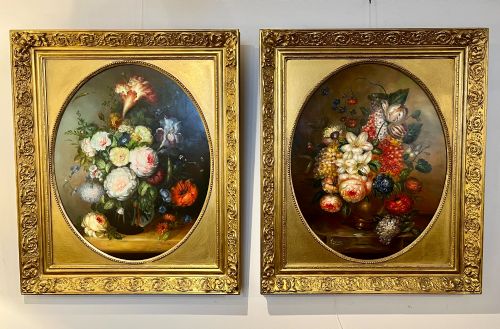
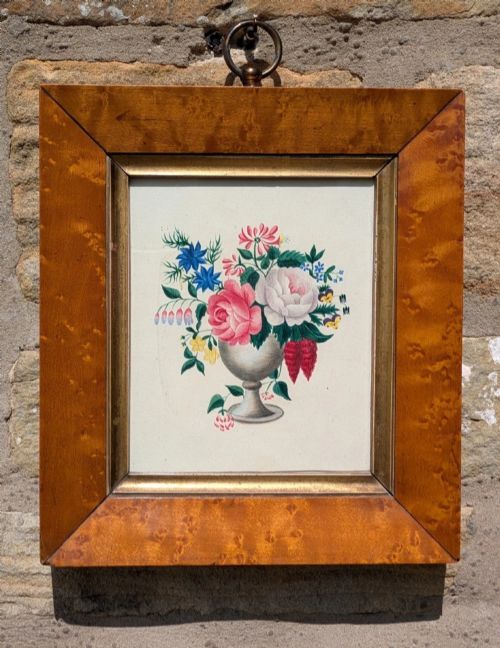
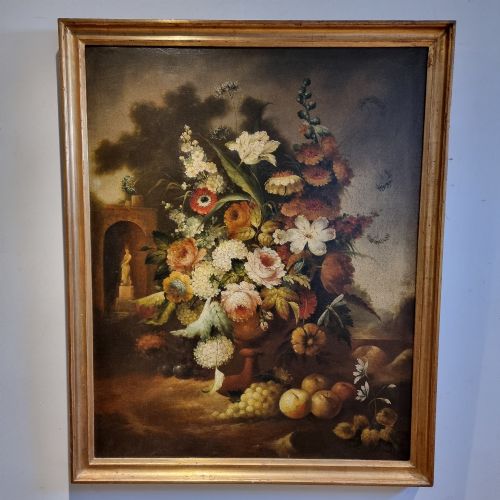
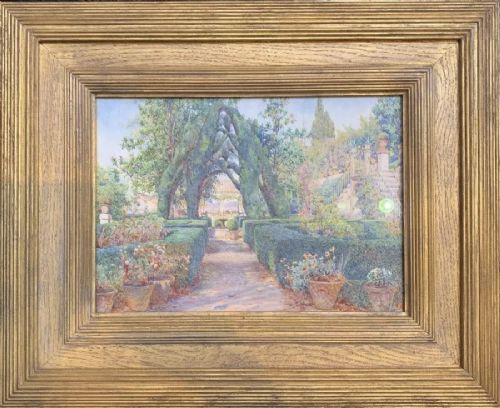
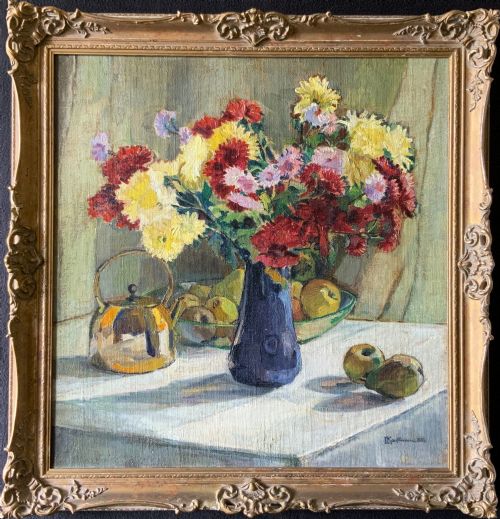

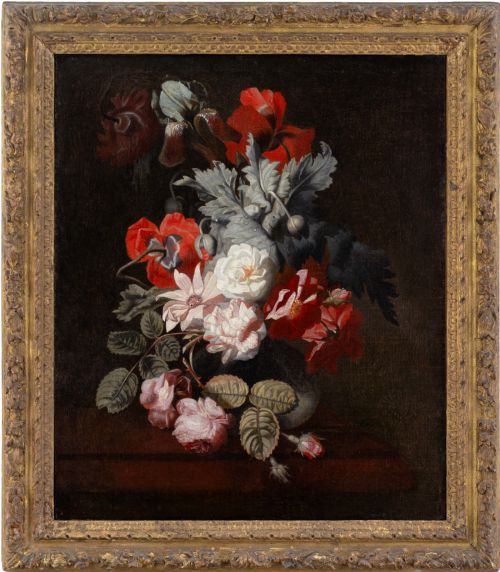

Gilded Frame Botanical Painting
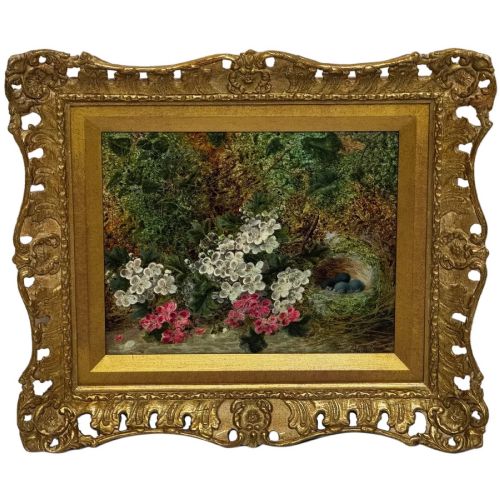
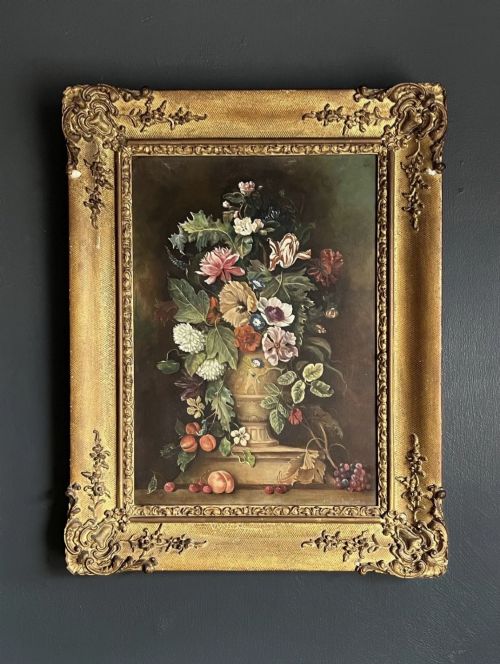
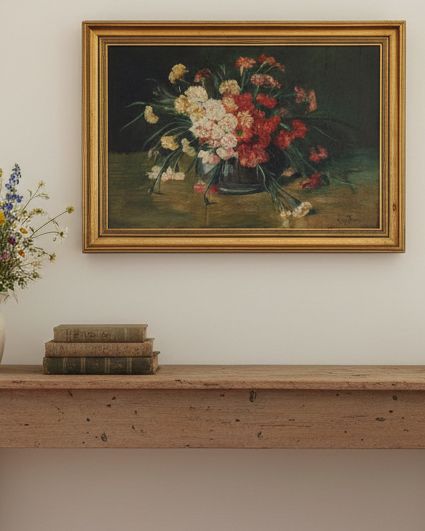
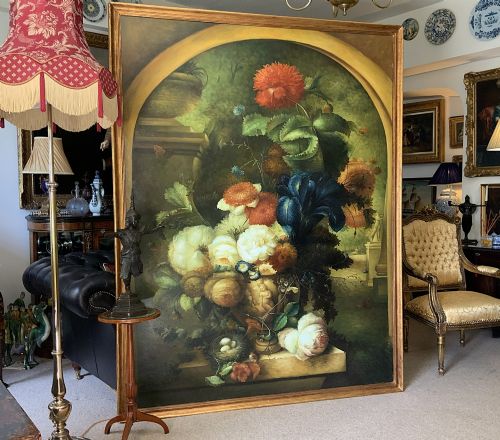
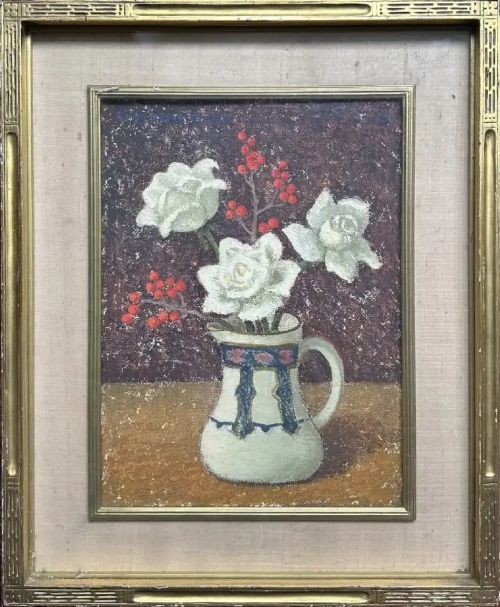
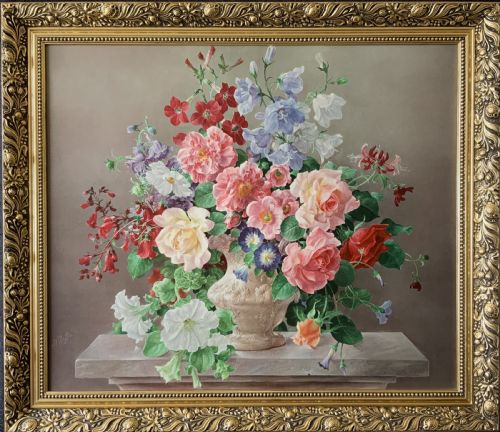
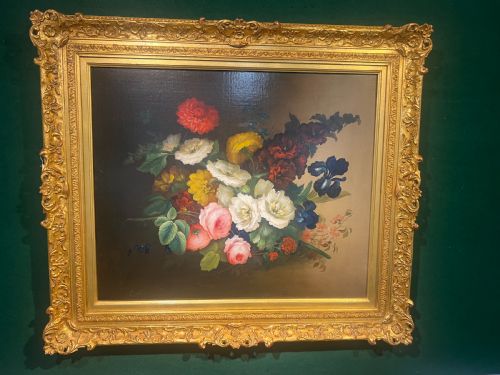
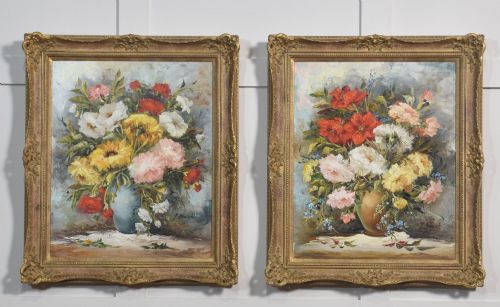
A gilded frame botanical painting brings the quiet study of garden flowers and woodland flora directly onto the interior wall.
Gilded Frame Botanical Painting
A gilded frame botanical painting combines detailed study of floral subjects with ornamental surrounds of gold leaf and wood. When you search for this phrase, you encounter works spanning from the Regency period through to the mid twentieth century, capturing everything from wild meadow blossoms to formal Dutch style still life arrangements.
The selection here encompasses both delicate watercolours on paper and substantial oil paintings on canvas or board. Victorian depictions of roses and birds nests sit alongside modernist compositions and nineteenth century studies, reflecting diverse traditions of botanical representation.
How They Were Made
Painters applied oil paint or watercolour to canvas, paper, or board, using fine brushes to render petals, leaves, and stems with botanical precision. Canvases received layers of pigment and oil, while watercolours often incorporated gouache on paper to build up rich colour.
Surrounding the artwork, the frames utilised carved wood built up with gesso before the application of gold leaf. This gilded treatment provided a reflective border that framed the natural subject matter.
Several botanical scenes quietly smuggle in birds nests, blue tits, or stray peaches among the roses and anemones.
What Varies in Quality
The level of detail in the brushwork distinguishes different examples, with superior hands capturing the translucency of petals and the varied textures of foliage and fruit. Finer paintings show careful attention to light and shadow across the floral arrangement.
The execution and condition of the surrounding woodwork also differ significantly across the range. Superior frames feature intricate gesso moulding and intact gold leaf gilding that complements the palette of the painting within.
Oliver Clare·Ernest Arthur Rowe·Emma Fordyce MacRae·Edwin Steele·Manuela Bonati·Alice Anne Renshaw·William Duffield·Vincent Clare·William Andrews Nesfield·Owen Bowen·Arthur Wardle·Alice Macallan Swan·Emily Selinger·Kershaw Schofield
The Gilded Frame Botanical Painting Glossary
- Gesso
- A plaster mixture applied to wood frames as a base for gilding. It provides a smooth surface for carving and ornament before the application of gold leaf.
- Gold Leaf
- Metal beaten into extremely thin sheets used to gild picture frames. It creates a reflective metallic surface around the painted canvas.
- Still Life
- An artwork depicting mostly inanimate subject matter, typically commonplace objects such as flowers, fruit, or vases. Botanical examples focus specifically on plants and blossoms.
- Watercolour
- Paint consisting of colour suspended in a water soluble vehicle, typically applied to paper. It yields transparent washes well suited to delicate floral studies.
- Oil on Canvas
- Pigment mixed with drying oil applied to a woven fabric support stretched over a wooden frame. This medium allowed artists to build rich layers of colour and texture.
Gilded Frame Botanical Painting: Frequently Asked Questions
How do I hang a heavy framed painting?
Heavy works require secure picture hooks fixed directly into wall studs or appropriate wall anchors capable of supporting the weight of the wood and gesso frame.
Ensure the hanging wire and D rings on the reverse are robust and properly fastened to the frame structure before mounting.
Where should I place these paintings?
These pieces suit reception rooms, studies, or hallways where natural light can illuminate the details of the flowers and the shine of the gold leaf.
Avoid locations with direct sunlight or high humidity to protect both the painted surface and the wooden frame over time.
How do I distinguish watercolours from oils?
Watercolours are painted on paper and typically displayed behind glass to protect the delicate pigments from dust and moisture. Oil paintings utilise canvas or board supports and remain unglazed, showing the textured weave of the fabric or the brush marks in the dried paint.
Examining the surface closely under good light reveals whether a protective glass layer is present.
What periods do these paintings cover?
The available works span several centuries, including Regency watercolours, Victorian oil studies, and later twentieth century interpretations of traditional floral subjects.
Each era brings distinct framing styles and painting techniques to the botanical genre.