



Vintage Bookmatched Cabinet
A vintage bookmatched cabinet brings symmetrical wooden grain patterns into a room, offering practical storage alongside striking twentieth-century design.
Vintage Bookmatched Cabinet
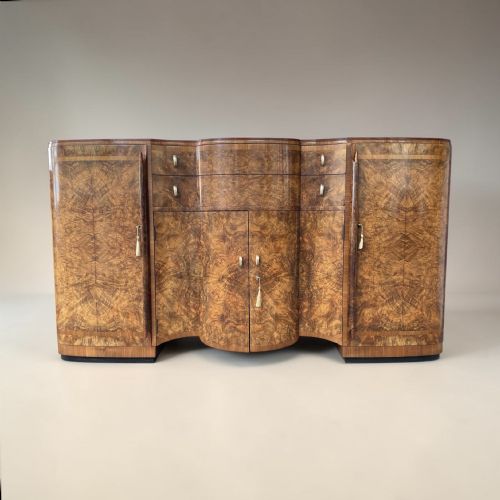
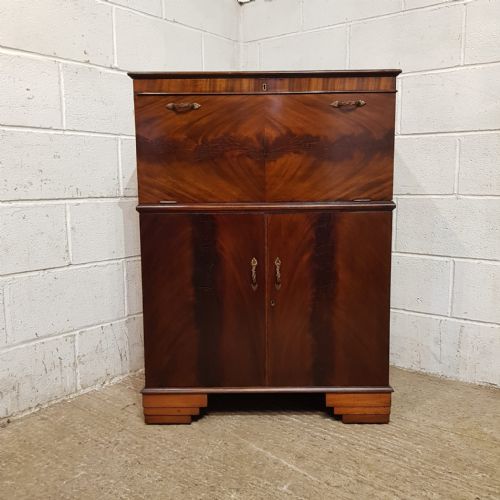
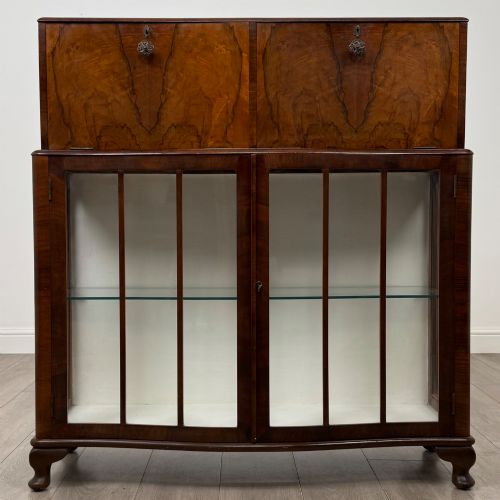
A vintage bookmatched cabinet centres on timber surfaces where adjacent veneer leaves mirror one another precisely. These pieces predominantly emerge from the Art Deco period, alongside Edwardian examples and designs spanning the nineteen-twenties through to the nineteen-forties.
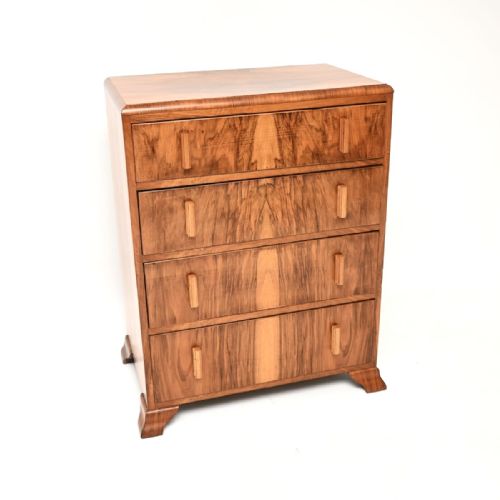
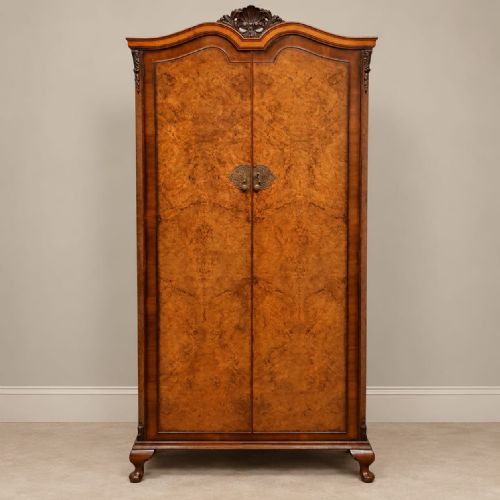
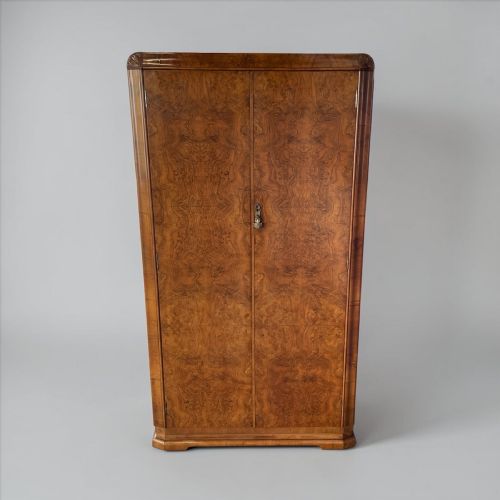
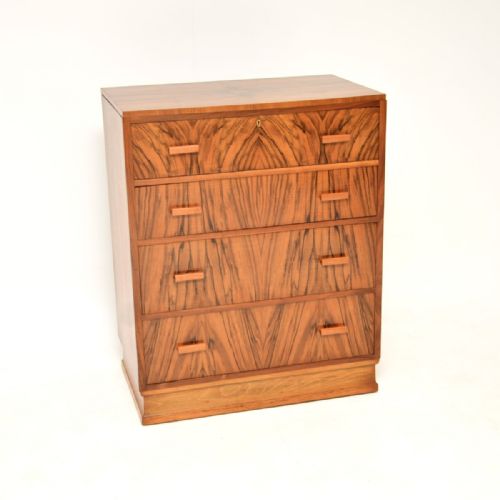
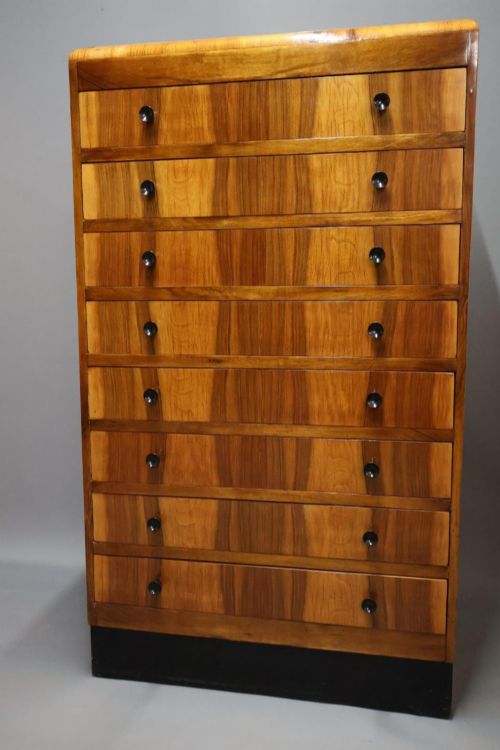
The selection ranges widely in form across the listings. Buyers encounter cocktail cabinets, bedside cabinets, sideboards, wardrobes, tallboys, and chests of drawers.
Origins vary between English workshops, French ateliers, and Scandinavian makers. The overriding aesthetic relies heavily on the natural decorative qualities of wood rather than applied ornamentation.
Materials and construction methods
Cabinetmakers utilised walnut, burr walnut, and figured walnut veneers applied over solid wood foundations. Scandinavian birch and elm also appear among the selections.
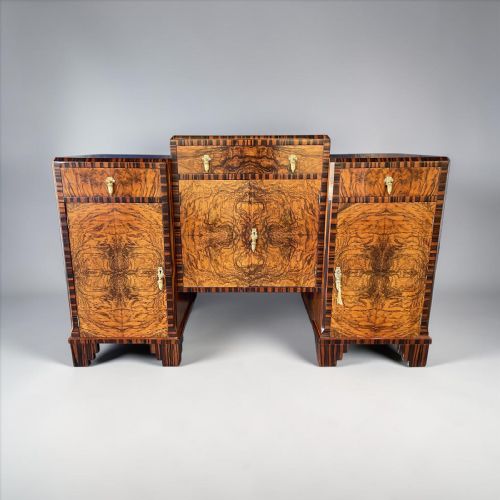
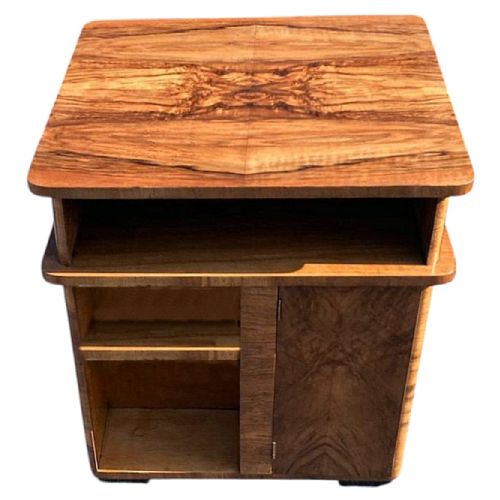
The defining bookmatching technique involves slicing thin veneer sheets and opening them like a book so that the grain patterns create a symmetrical reflection. Brass hardware often complements the rich brown tones of the timber.
Listings feature walnut, burr walnut, and figured walnut veneers across pieces dated from Edwardian times through to the nineteen-forties.
Assessing quality in construction and grain
Quality rests upon the precision of the veneer symmetry and the choice of timber figure, with burr walnut commanding particular visual depth. The handling of curves and edges in Art Deco forms indicates the maker's skill.
Fitted interiors, such as those found in cocktail cabinets and wardrobes, demonstrate higher standards of internal joinery and material selection. The cohesion of matched panels across large surfaces dictates the overall visual success of the piece.
Maurice Adams·Harry and Lou Epstein·Whytock and Reid
The Vintage Bookmatched Cabinet Glossary
- Bookmatching
- A technique where two adjoining veneer slices are placed side by side to mirror each other, creating a symmetrical pattern. This method highlights the natural grain of the wood.
- Burr walnut
- A prized timber harvested from growths on walnut trees, yielding swirling, knotty patterns. It is frequently used for decorative cabinet fronts.
- Tallboy
- A tall chest of drawers, often combining cupboard space with smaller drawer configurations. These pieces maximise vertical storage.
- Compactum wardrobe
- A fitted wardrobe designed to hold multiple types of clothing within a single compartment. They often include internal shelving, hanging space, and drawers.
- Cocktail cabinet
- A drinks cabinet equipped for entertaining, typically featuring mirrored interiors, glass holders, and drop-down serving surfaces.
Vintage Bookmatched Cabinet: Frequently Asked Questions
How do I style a vintage bookmatched cabinet?
Allow the symmetrical timber grain to act as the visual focus of the room by keeping surrounding walls relatively neutral. Pairing the wood tones with simple metallic accents or minimalist decor highlights the craftsmanship.
Position the cabinet where adequate lighting strikes the veneered surfaces to reveal the natural patterns. These pieces function well as standalone statements in living rooms, bedrooms, or dining spaces.
What is the difference between a cocktail cabinet and a sideboard?
Cocktail cabinets specialise in beverage storage, featuring drop-down flaps, mirrored compartments, and spaces for glassware. Sideboards focus on general dining storage with cupboards and long surfaces.
Both forms utilise prominent wood veneers, but their internal layouts serve distinct domestic purposes.
How do I care for walnut veneer surfaces?
Keep wooden surfaces away from direct sunlight and heat sources to prevent the veneer from drying or fading. Dust regularly with a soft, dry cloth and avoid harsh chemical polishes.
Treat the timber gently to preserve the original finish and the integrity of the glued veneer.
Which periods are common for these cabinets?
The nineteen-thirties dominates the available selections, capturing the height of Art Deco design and figured walnut furniture. Earlier Edwardian examples and pieces from the nineteen-twenties also appear.
Production extends into the nineteen-forties, maintaining an emphasis on streamlined wooden forms.