
Vintage Bookcase Furniture
Vintage bookcase furniture brings together practical shelving and period character, offering sturdy storage for libraries and display spaces.
Vintage Bookcase Furniture
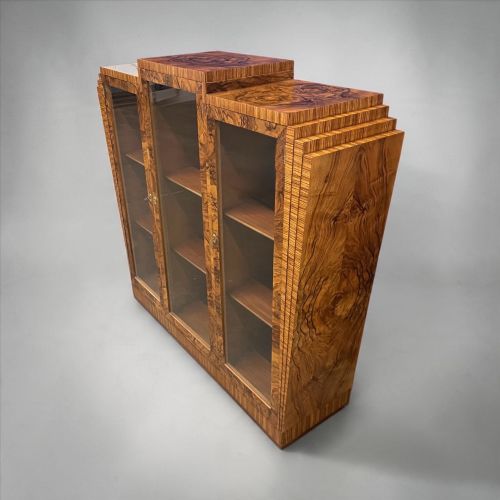
Vintage bookcase furniture encompasses a broad spectrum of timber storage pieces designed to hold books, ceramics and decorative objects within domestic and institutional settings. When exploring vintage bookcase furniture, buyers frequently encounter Edwardian and Victorian examples alongside later Art Deco and 1930s designs.
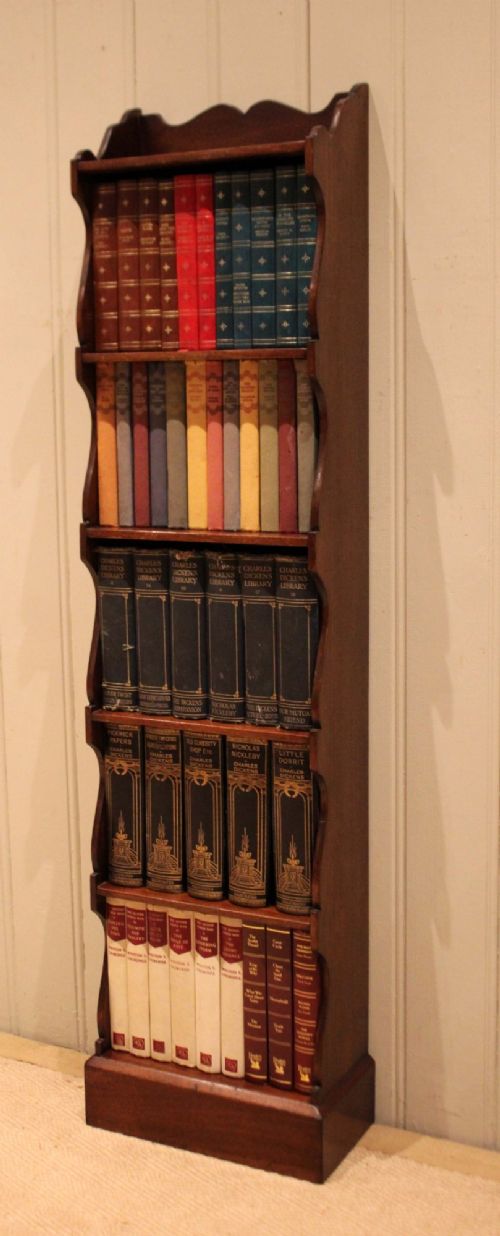
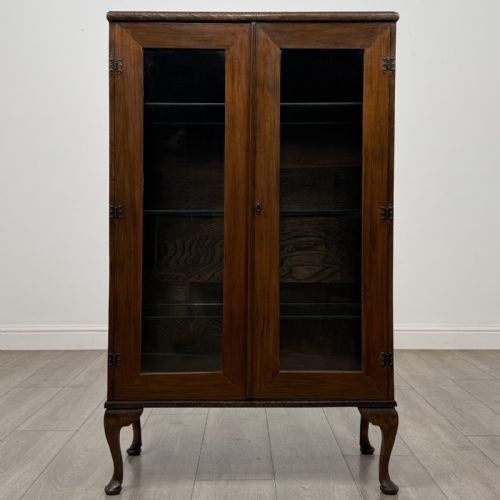
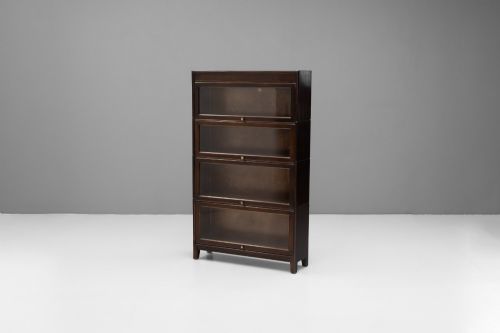
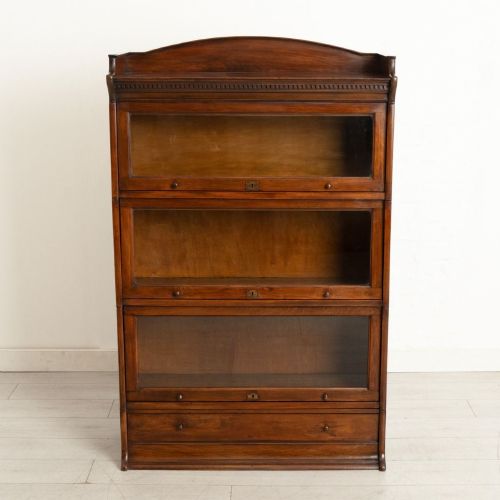
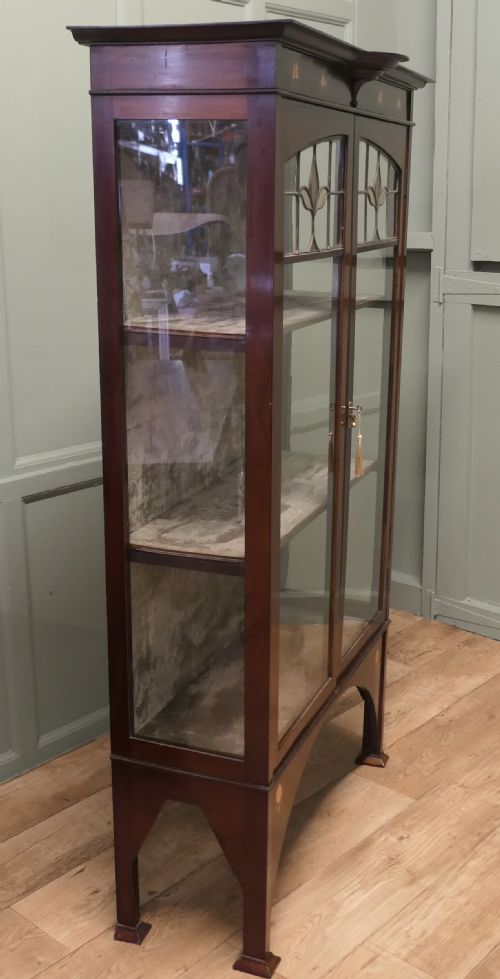
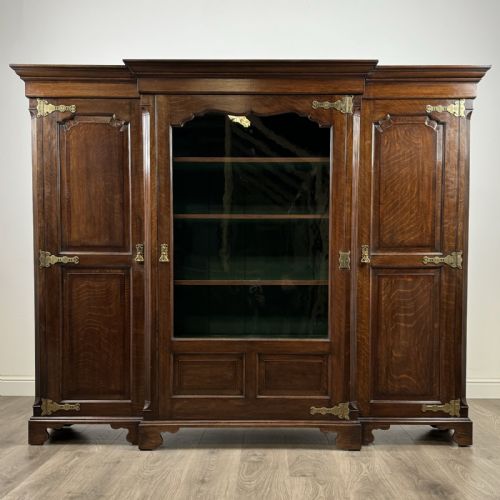
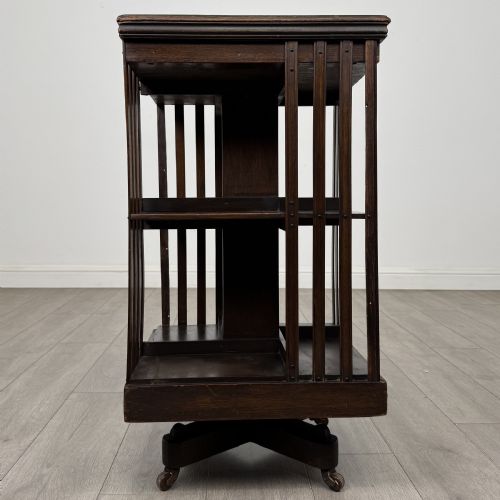
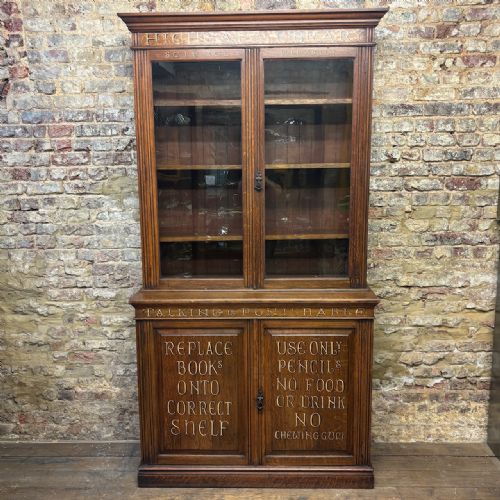
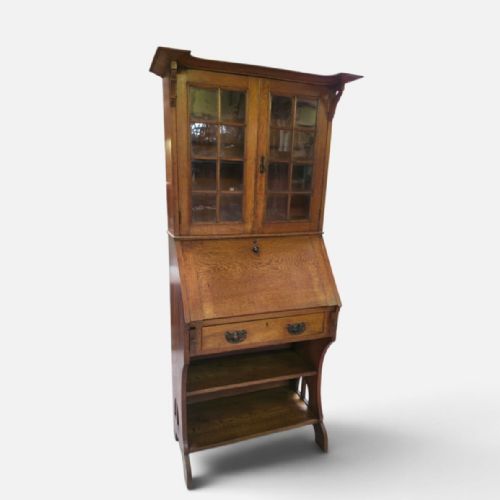
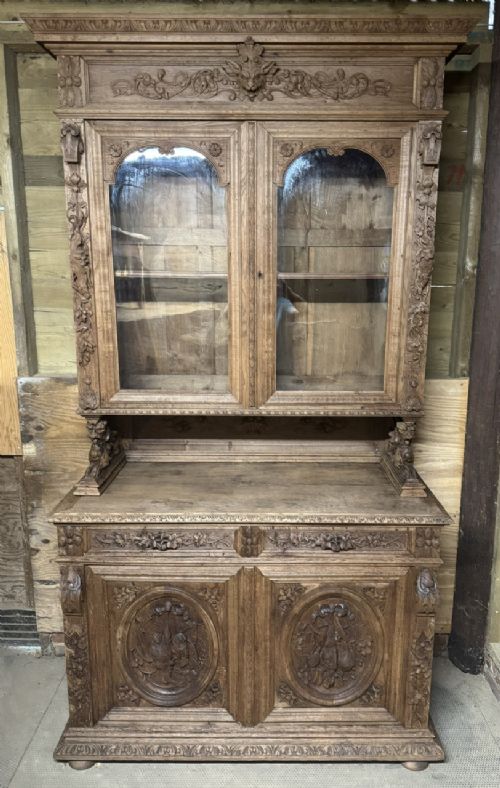
The selection ranges from open shelving units and revolving bookcases to glazed display cabinets, bureau bookcases and wall-hanging shelves. Edwardian oak and mahogany iterations appear frequently, often featuring glazed doors, slatted sides or raised galleries.
Earlier 19th Century and Regency variants showcase refined timbers such as satinwood, mahogany and burr walnut, sometimes configured in tall library formats, cascading tiers or multi-shelf what-nots.
How they were made
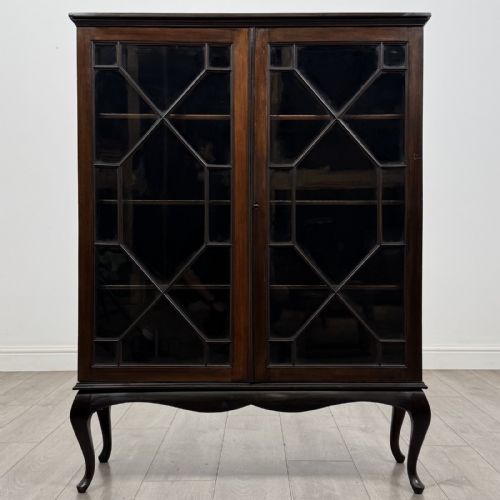
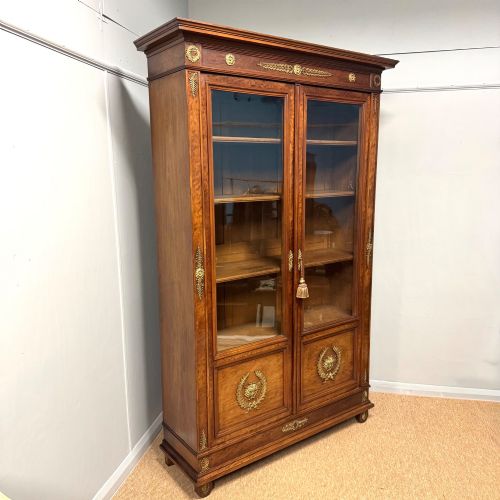
Cabinet makers utilised a variety of solid timbers and veneers, primarily relying on oak, mahogany, walnut and satinwood to construct carcases, shelves and frames. Brass hardware, leaded glass and intricate astragal glazing bars frequently complemented these wooden structures.
Construction techniques balanced structural utility with decorative refinement, incorporating hand-carved details, inlaid stringing and specialised mechanics such as revolving platforms and adjustable shelving systems.
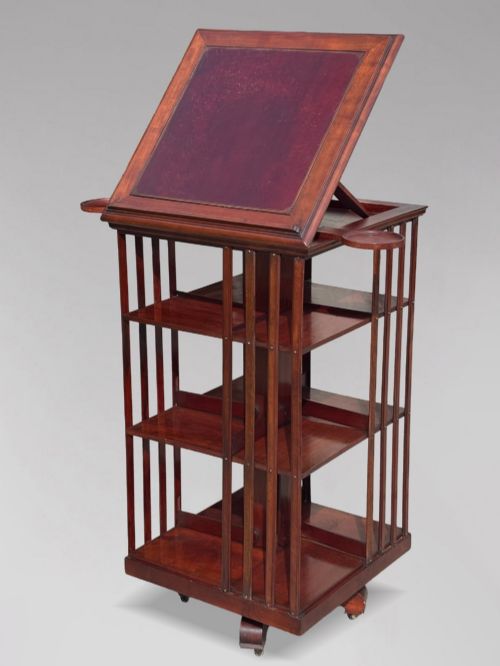
School libraries and Victorian reading rooms demanded heavy-duty timber spinning units so scholars could consult multiple heavy volumes without leaving their chairs.
What varies in quality
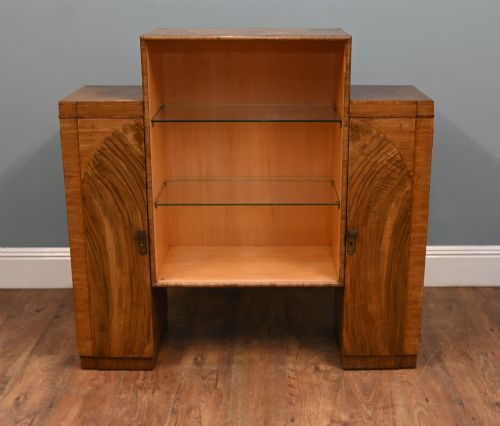
The grade of timber selection and veneer figuring dictates much of the visual distinction between standard production and exceptional pieces, particularly in burr walnut and figured mahogany surfaces. Finer examples display harmonious grain matching across large cabinet doors and precise joinery in structural joints.
The sophistication of integrated mechanics, such as smooth-turning revolving bases or finely threaded adjustable shelf brackets, separates basic utility items from superior workshop output. Original glass panels, intact painted decoration and specialised hardware further elevate the standing of a piece.
Gunn Furniture·Lebus·Bowman Brothers·Hille·Edwards & Roberts
The Vintage Bookcase Furniture Glossary
- Astragal glazing
- Framework of narrow bars holding small panes of glass within a cabinet door. These wooden strips form geometric patterns across display windows.
- Bureau bookcase
- A combination piece featuring a sloping writing flap that drops down above lower shelving or cabinet storage. It typically includes internal pigeonholes and small drawers.
- What-not
- An open shelving unit with multiple tiers supported by slender columns or uprights. It was traditionally utilised for displaying ornaments and books in principal rooms.
- Vitrine
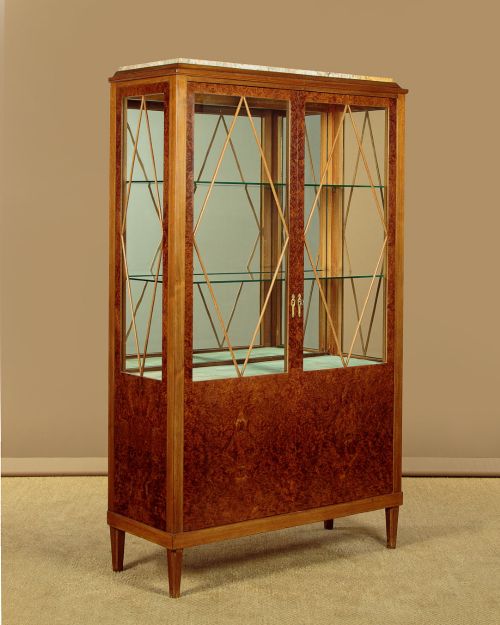
- A glass-fronted cabinet designed specifically for displaying porcelain, curiosities and fine books. The term often denotes a piece with glass on multiple sides for maximum visibility.
- Revolving bookcase
- A freestanding tabletop or floor-standing unit built upon a concealed pivot mechanism. This allows the user to spin the book compartments for easy access.
Vintage Bookcase Furniture: Frequently Asked Questions
What styles define vintage bookcase furniture?
The available pieces span multiple distinct design movements, ranging from the architectural proportions of the 19th Century and Regency eras to the linear simplicity of Arts and Crafts workshops. Edwardian iterations frequently utilise solid oak with glazed doors or slatted sides.
Later decades introduced Art Deco modernist forms and geometric figured walnut surfaces. Each period brought specific material preferences and construction methods to the category.
How do revolving bookcases function?
Floor-standing and tabletop revolving bookcases operate on a central internal pivot and bearing system hidden beneath the base. This mechanism allows the slatted or solid compartments to turn smoothly in either direction.
Such designs were developed to maximise storage capacity within compact spaces, granting direct access to reference volumes without requiring repositioning.
Where were bureau bookcases placed?
Bureau bookcases typically served as dual-purpose workstation and library storage units within studies, libraries and principal living rooms. The fold-down writing flap provided a stable surface for correspondence and record-keeping.
The upper shelving section kept frequently referenced volumes close at hand while protecting delicate bindings behind timber or glazed doors.
How do you distinguish open bookcases from display cabinets?
Open bookcases feature unobstructed front access with fixed or adjustable shelves designed primarily for everyday book storage. Their exteriors rely entirely on exposed timber framing.
Display cabinets incorporate glazed doors, glass side panels and sometimes internal painted interiors to protect delicate china, glassware and fine bindings from dust while maintaining visibility.