




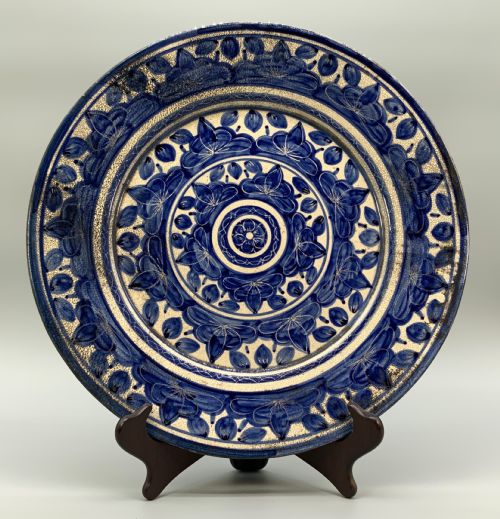
Vintage Blue Platter
A vintage blue platter brings cobalt depth and narrative pottery to a table, offering centuries of transferware, Delft, and Imari serving forms.
Vintage Blue Platter
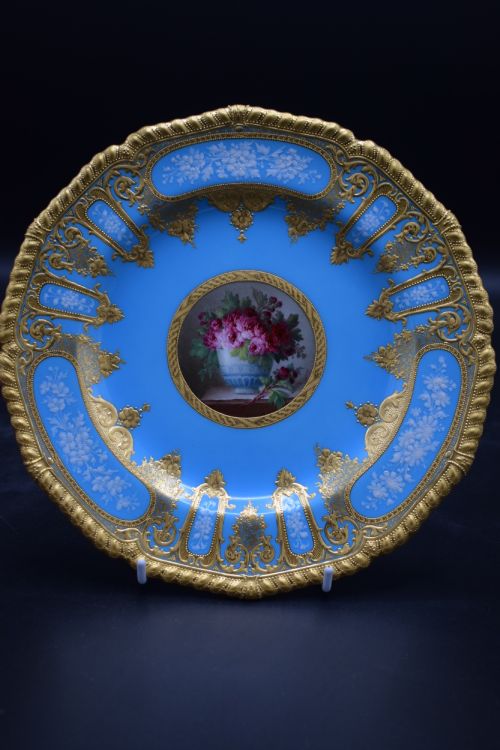
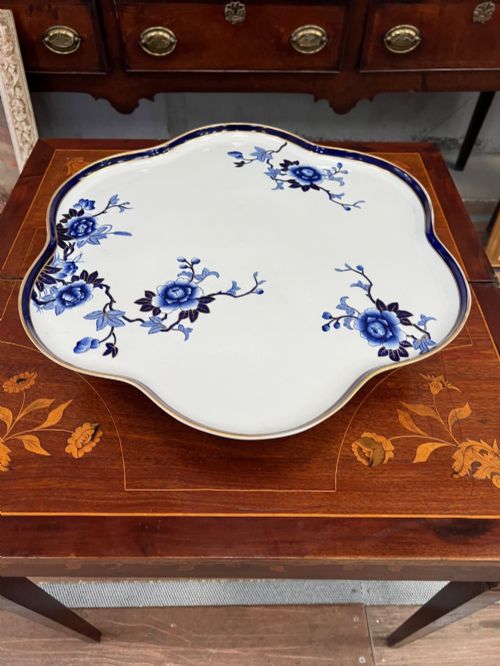
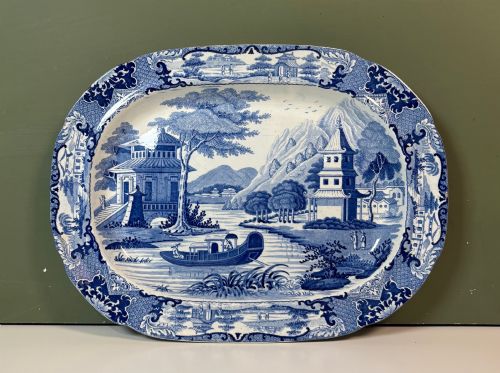
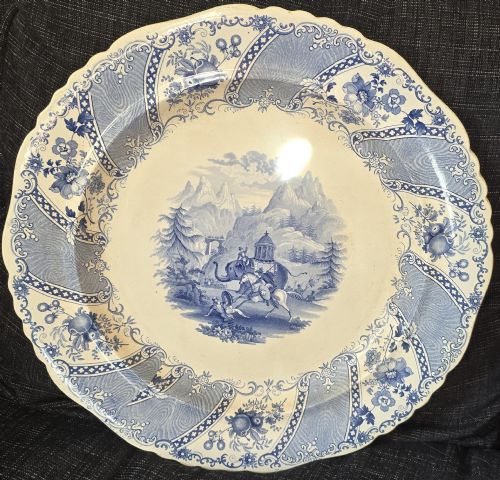
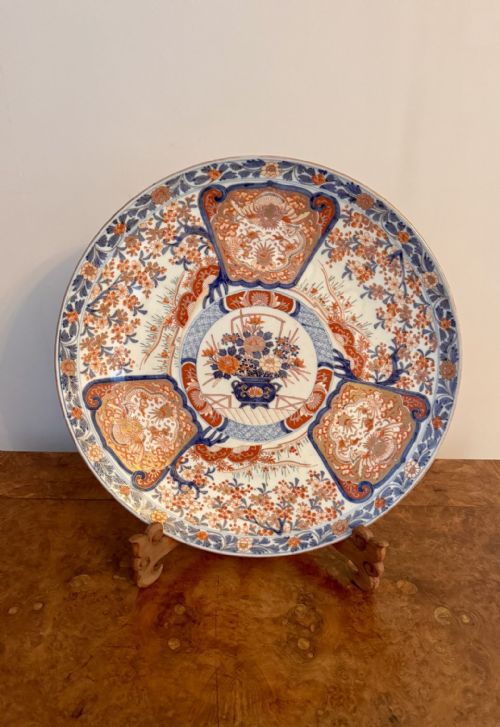
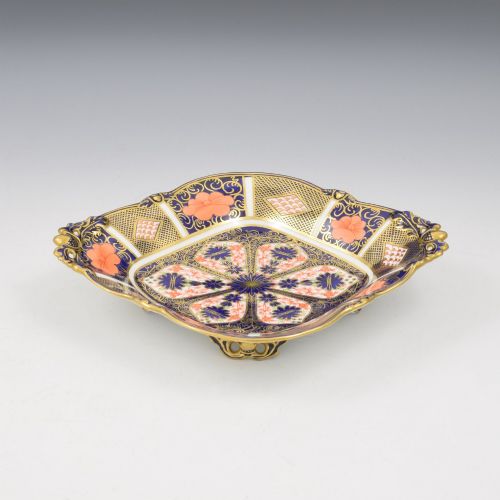
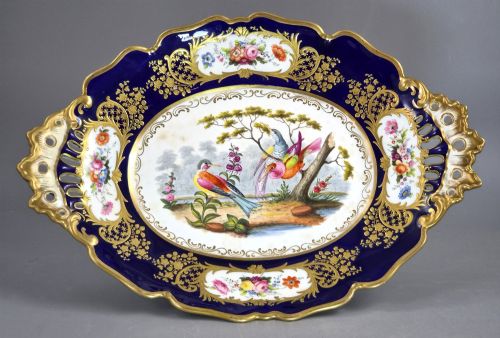
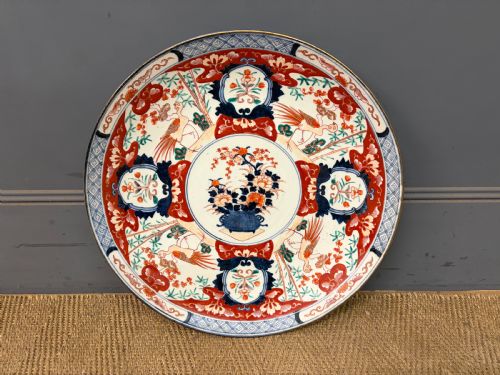
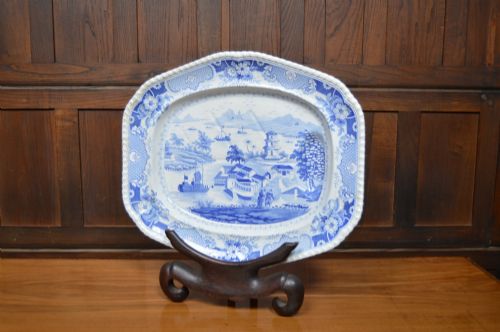
A vintage blue platter encompasses large serving pieces, meat plates, and heavy chargers produced across the eighteenth, nineteenth, and early twentieth centuries. Buyers searching for a vintage blue platter encounter English transferware, Japanese Imari porcelain, and European tin-glazed earthenwares designed for both display and service.
The domestic meat platters and large Victorian serving trays sit alongside dramatic oriental chargers and Dutch Delft dishes. These pieces represent a long tradition of blue-and-white table ceramic artistry spanning varied global kilns.
Makers ranged from major English potteries producing narrative transfer scenes to Japanese Arita workshops and continental faience makers. Each form utilises cobalt decoration to anchor a dining room sideboard or wall display.
How They Were Made
Potters built these vessels using porcelain, earthenware, and ceramic bodies shaped into heavy oval platters, round chargers, and square dishes. Cobalt oxide pigments applied beneath or over the glaze provided the characteristic deep blue coloration during high-temperature kiln firings.
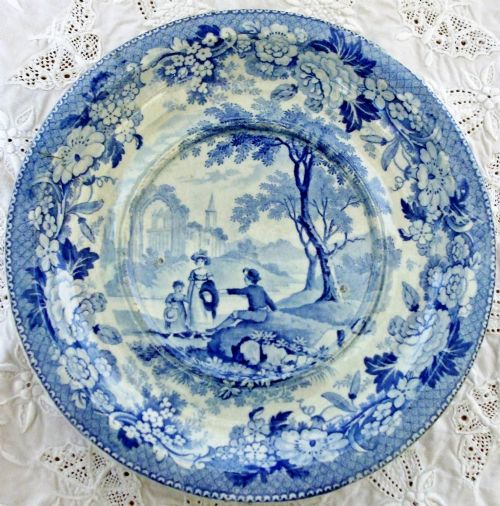
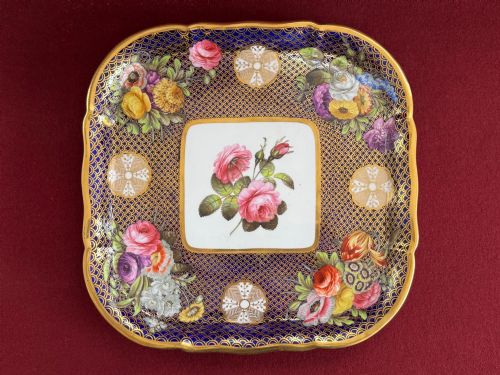
Transferware pieces relied on copperplate printing to transfer detailed topographical and narrative engravings onto the clay body before glazing. Enamel additions, gilding, and hand-painting frequently augmented the blue transfer or tin glaze.
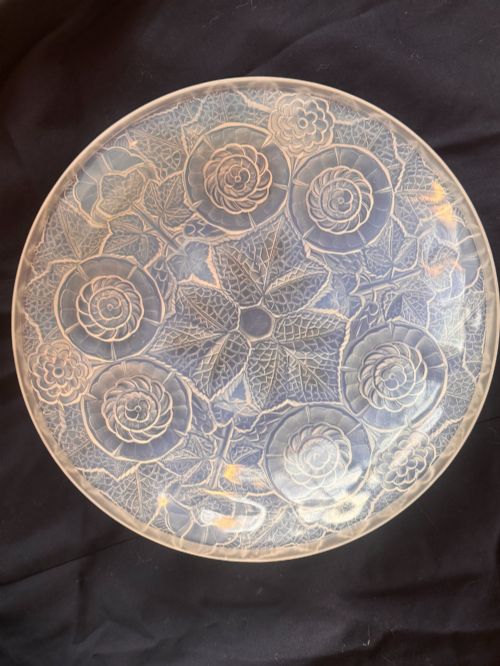
Cloisonne examples utilised metal wire cells soldered to a base to hold coloured enamels depicting birds and koi, while moulded glass pieces achieved opalescence through specialised cooling techniques.
Vintage Blue Platter Retail Price Guide 2026
Typical asking prices for vintage blue platter among the pieces listed under this phrase on Sellingantiques today, from the lower quarter to the upper quarter. They describe what is for sale here now, not the wider market.
Listings feature porcelain, earthenware, enamel, and copper across periods from the 18th century to the 1940s, spanning English, Japanese, and continental origins.
What Varies in Quality
The clarity and depth of the cobalt transfer or hand-painted brushwork dictate the visual impact of each dish. Crisp details in complex scenes, such as architectural transfer prints or feathered birds, separate superior pieces from blurred or muddy examples.
Surface preservation, including the stability of the glaze and the retention of delicate overglaze gilding or enamel colours, marks the distinction between heavily worn utility wares and well-preserved display items.
The weight, throwing skill, and symmetry of the ceramic body reveal the original maker's ambition, with larger chargers and moulded serving trays demanding advanced kiln management to prevent warping.
Spode Porcelain Tray·William Smith And Co·Royal Crown Derby·George Jones·John Rogers And Son·Royal Worcester·Rene Lalique
The Vintage Blue Platter Glossary
- Transferware
- Earthenware or porcelain decorated by pressing a paper engraving dusted with metallic oxide onto the biscuit fired clay. This mechanical method allowed intricate scenic patterns to be replicated reliably across large production runs.
- Imari
- Japanese porcelain decorated in underglaze blue and overglaze iron red, supplemented by gold and other enamel colours. Originating in Arita, these export wares traditionally favored densely patterned floral and symbolic motifs.
- Charger
- A large decorative plate or platter intended for ceremonial dining display rather than direct food service. These expansive surfaces provided makers with a broad canvas for pictorial and geometric designs.
- Delft
- Tin-glazed earthenware originating in the Netherlands and influenced by imported Chinese porcelain. The opaque white glaze serves as a ground for painted blue designs featuring landscapes and floral sprays.
- Cloisonne
- Metalwork technique where thin wires form raised barriers on a surface to create compartments filled with enamel paste. Firing fuses the glass paste into vibrant decorative illustrations across trays and plates.
Vintage Blue Platter: Frequently Asked Questions
How were large platters used historically?
Large platters served roasted meats, fish, and heavy courses at the centre of formal dining tables. They functioned primarily as functional kitchen and dining equipment before transitioning to wall display and sideboard decoration.
Servants brought food to the table on these heavy ceramic surfaces, utilising built-in wells and drainage grooves on meat platters to collect juices.
How do I distinguish transferware from hand-painted pieces?
Transferware exhibits a fine, repeating dotted matrix or thin unbroken outline visible under close magnification, corresponding to the engraved copperplate. Hand-painted dishes show variable brush strokes, pooling pigment, and slight irregularities in the linework.
Transfer-printed designs provided uniform narrative scenes, whilst hand-painted examples like Imari or Delft display individual artist brush decisions.
Can antique platters still hold food?
Historic ceramics with stable, lead-glazed or vitreous surfaces can safely present dry foods or cold items. Crazed or heavily worn soft earthenwares absorb moisture and require careful hand washing rather than dishwasher immersion.
Most collectors prefer to use these pieces for display, dry service, or holiday gatherings rather than daily heavy dining.
What indicates an eighteenth century origin?
Eighteenth century pieces typically display heavier ceramic bodies, thicker tin glazes, and softer paste compositions without modern industrial markings. The pigment application shows deeper cobalt pooling beneath softer, less uniform glaze layers.
Stylistic cues such as early Delft motifs or sparse Arita compositions help differentiate these early examples from nineteenth century revival wares.