





Vintage Blue Bowl
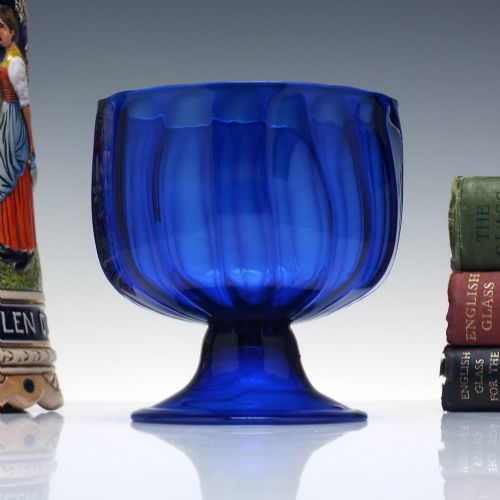
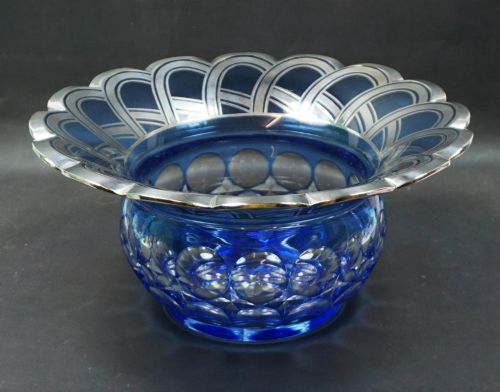
These vintage blue bowl examples range from eighteenth-century Chinese punch bowls to Art Deco pressed glass, bringing deep cobalt and soft turquoise tones straight to the table.
Vintage Blue Bowl
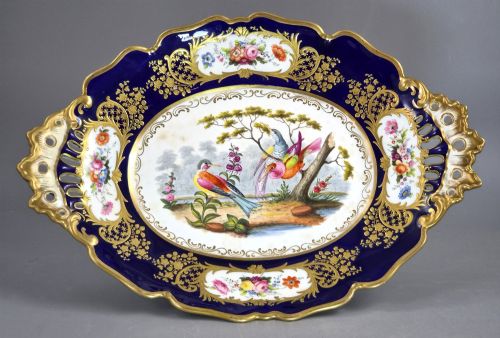
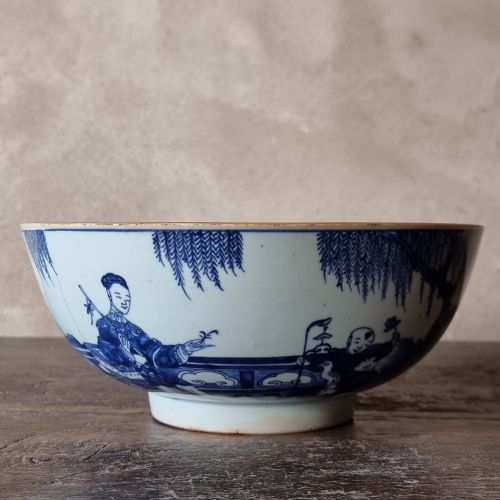
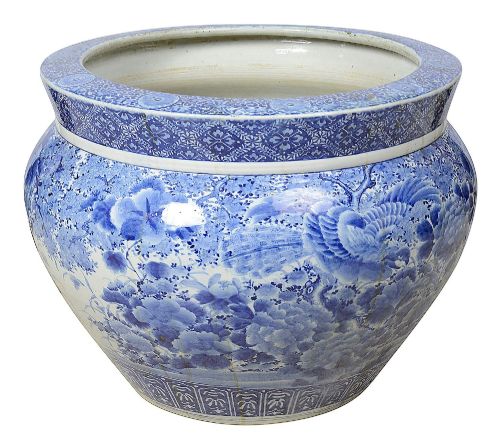
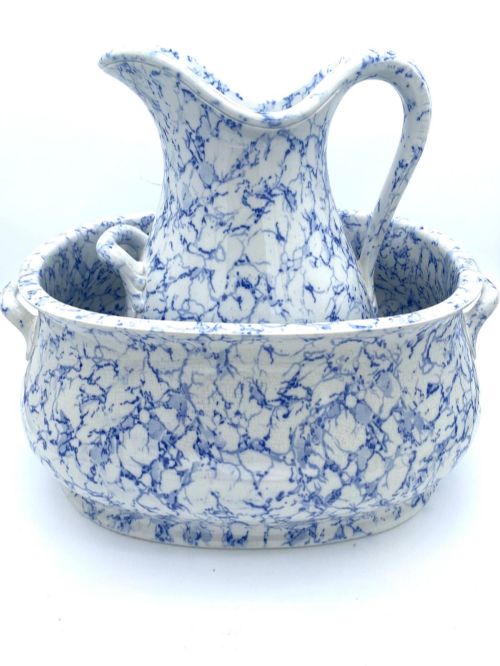
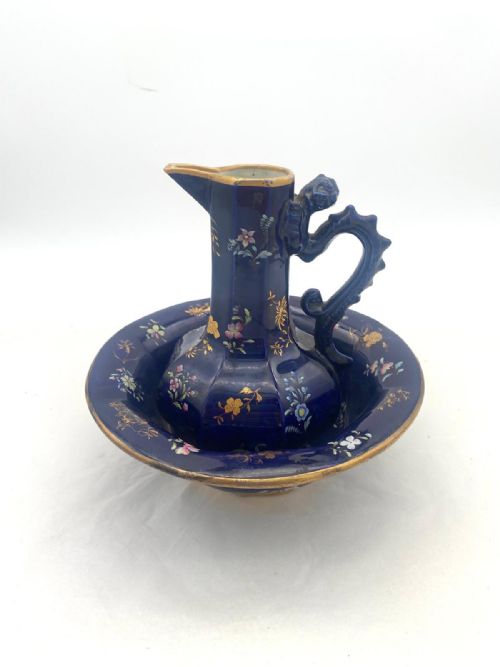
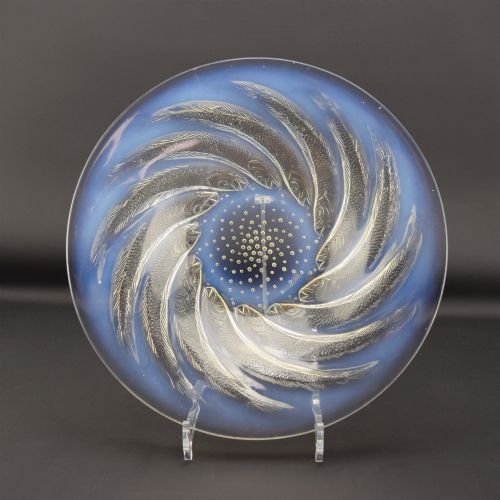
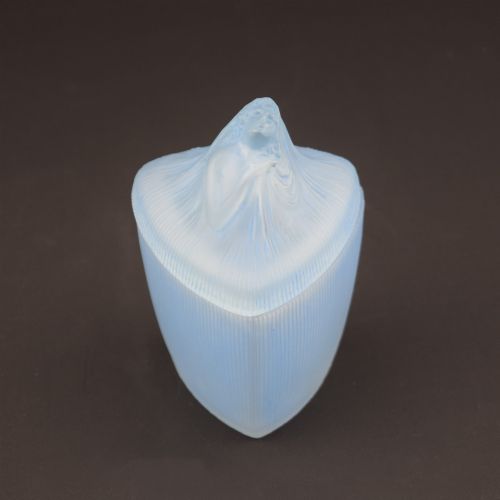
When searching for a vintage blue bowl, collectors encounter a diverse group of objects spanning centuries of domestic and decorative craftsmanship. The selection includes eighteenth-century Chinese export porcelain, nineteenth-century Japanese Imari earthenware, and early twentieth-century opalescent glass vessels.
Most entries belong to broad categories such as decorative dishes, washstand sets, and table bowls. Pieces range from large porcelain punch bowls and footbaths to small silver-rimmed glass trinket jars.
How they were made
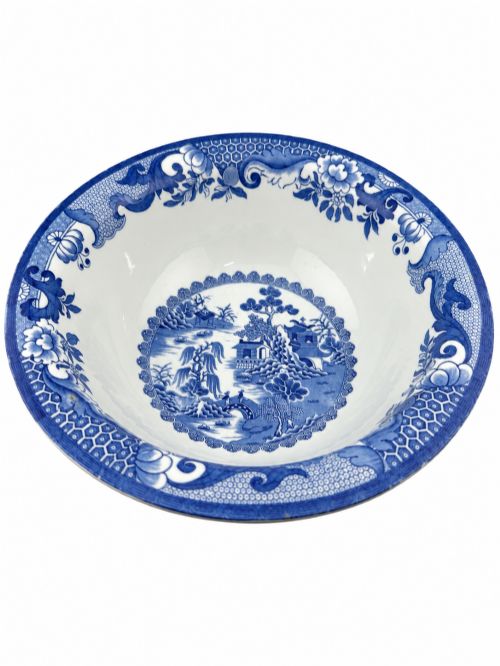
Makers utilised traditional ceramic techniques, applying cobalt blue pigments under the glaze or via transfer printing to create intricate transferware patterns. Ironstone and earthenware bodies provide heavy, durable forms, while porcelain yields thinner, translucent walls.
Glass pieces incorporate moulding, cutting, and enamelling techniques. Artisans also combined sterling silver mounts and gilt bronze with cast iron, earthenware, and crystal glass components.
Vintage Blue Bowl Retail Price Guide 2026
Typical asking prices for vintage blue bowl among the pieces listed under this phrase on Sellingantiques today, from the lower quarter to the upper quarter. They describe what is for sale here now, not the wider market.
The listings span multiple centuries, incorporating eighteenth-century Delftware, Victorian ironstone wash basins, and 1930s Art Deco enamel glass.
What varies in quality
Quality rests in the crispness of the transfer print, the depth of the cobalt glaze, and the precision of hand-painted enamel details. Superior items exhibit smooth glaze surfaces without firing blemishes and maintain intact gilding or silver mounts.
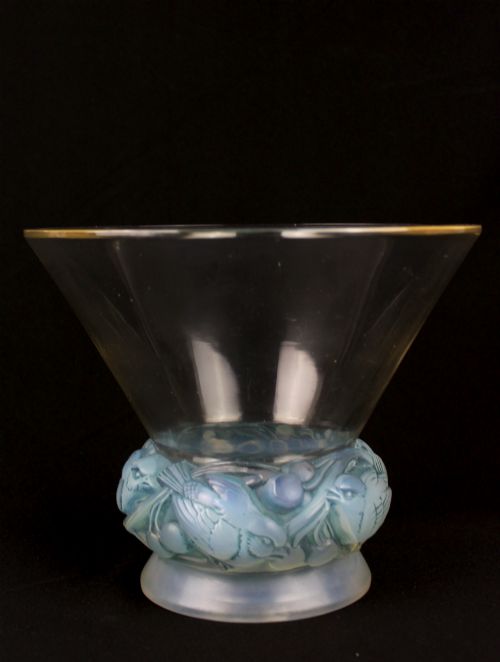
Artistic execution dictates value, seen clearly in the complexity of Japanese Imari scallop designs or the fine moulding of opalescent glass bowls.
Mason’s Ironstone·Coalport·Minton·Rene Lalique·Wedgwood·T G Green Pottery
The Vintage Blue Bowl Glossary
- Imari
- A style of Japanese export porcelain characterised by cobalt blue underglaze and iron red overglaze, often highlighted with gold.
- Ironstone
- A durable type of heavy earthenware patented in the nineteenth century as an affordable alternative to porcelain.
- Transfer printing
- A method of applying detailed decorative patterns to ceramics by pressing a printed paper design onto the biscuit ware before glazing.
- Opalescent glass
- Glass containing ingredients that cause it to diffuse light and display milky, iridescent blue or orange highlights.
- Jardiniere
- A large decorative ceramic or metal pot or bowl designed to hold a plant or floral arrangement.
Vintage Blue Bowl: Frequently Asked Questions
What is a vintage blue bowl used for?
These vessels served various functions historically, from eighteenth-century punch service to nineteenth-century bedroom washstand sets and table presentation.
Today, they suit decorative display, table centerpieces, or holding small household items.
How do I date a blue and white ceramic bowl?
Dating relies on identifying the pottery mark on the underside, the manufacturing body such as ironstone or porcelain, and the style of the blue transfer print.
Earlier eighteenth-century pieces often feature hand-painted underglaze cobalt, while nineteenth-century items frequently utilise industrial transfer printing.
Are Japanese Imari bowls antique?
Many Imari bowls found in these collections date from the nineteenth century, including the Meiji period, featuring traditional iron red and cobalt blue palettes.
Earlier examples originate in the eighteenth century during the Edo period.
What makes opalescent glass different from standard glass?
Opalescent glass contains chemical agents that create a milky, semi-translucent quality, capturing light with subtle blue and orange shifts.
Twentieth-century makers such as Rene Lalique utilised this technique for decorative bowls and plates.