


Vintage Bird Paintings
Vintage bird paintings capture ornithological detail and natural motion on paper, canvas, and panel, offering character for domestic walls.
Vintage Bird Paintings
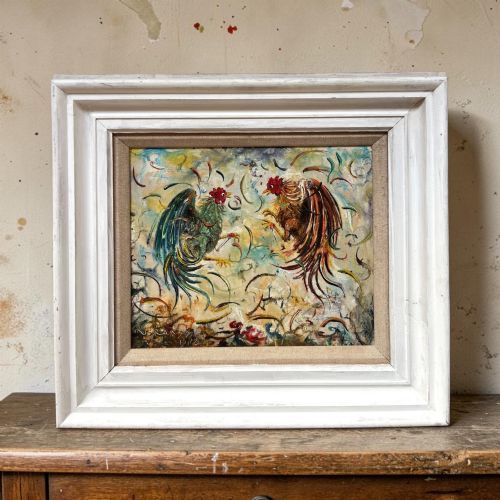
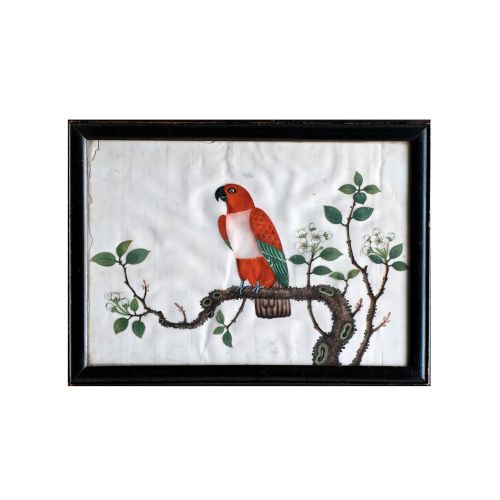
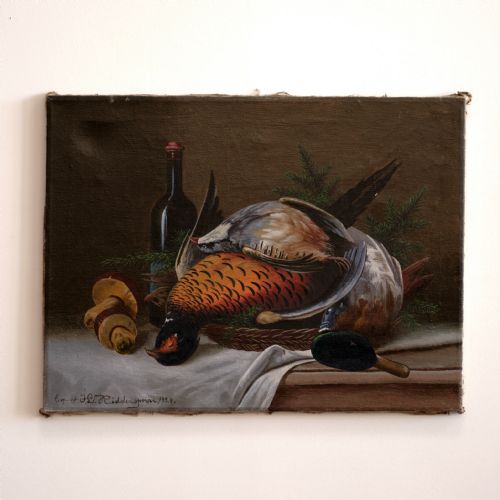
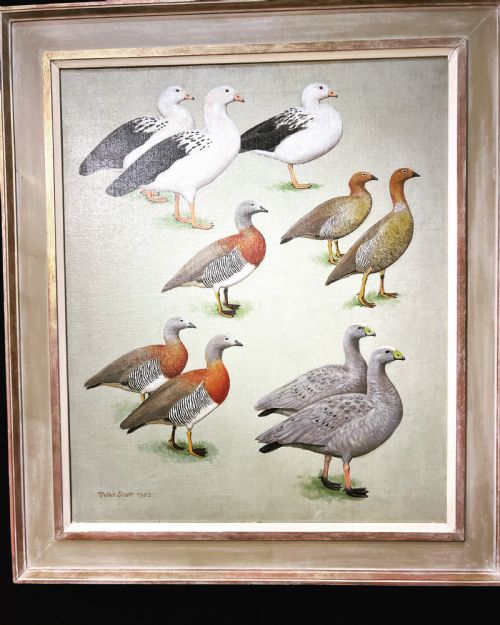
Vintage bird paintings encompass works executed across the nineteenth and twentieth centuries, featuring subjects from garden species to game birds and exotic parrots. These depictions range from scientific natural history illustration and naive studies to expressive mid-century compositions.
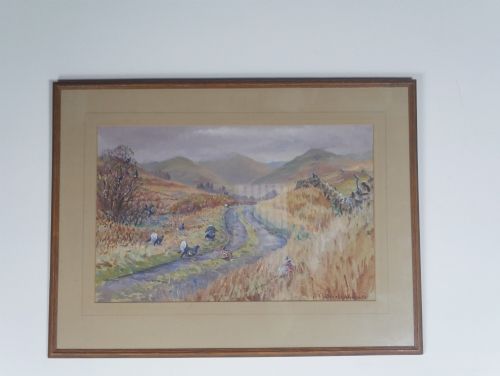
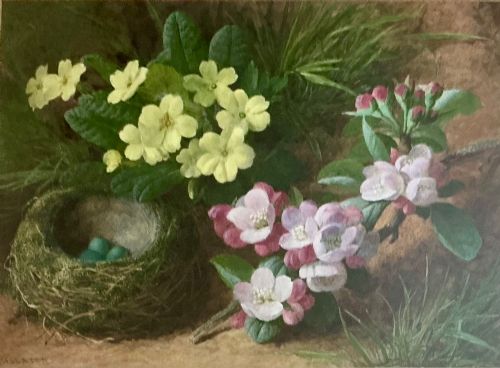
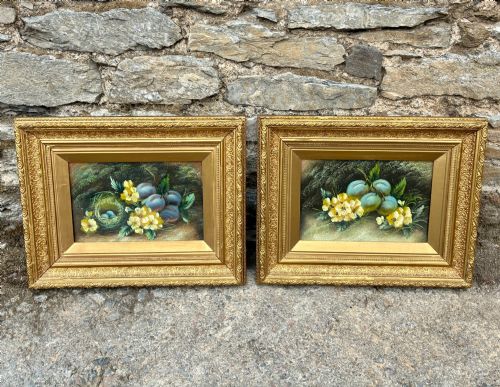
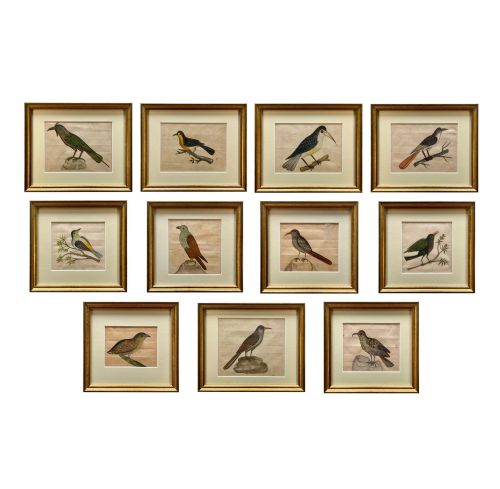
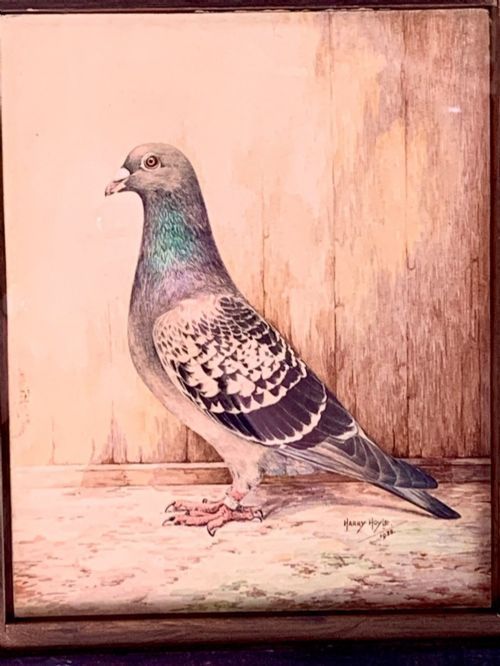
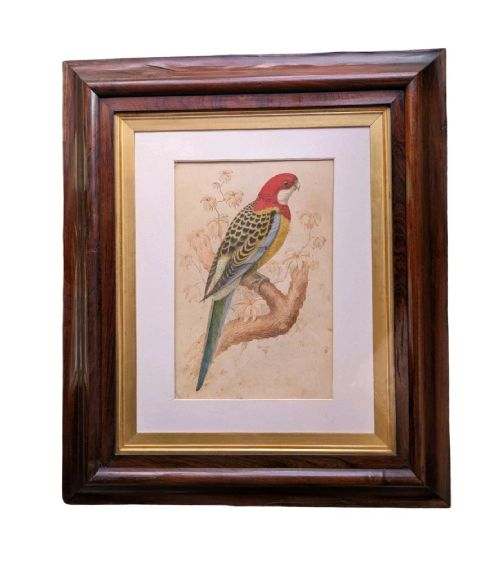
The pieces on this page appear in various formats, including delicate watercolours under glass, framed oils on canvas, and panels. Natural history watercolours and mid-century works dominate the selection, often preserved in period wood frames with gilt mounts.
How They Were Made
Artists applied watercolour paint to paper or worked with oil paint on canvas, panel, and tin. Supporting materials include gold leaf accents, silk textile grounds, and maple or ebonised wood framing.
Techniques span precise illustrative rendering found in natural history watercolours alongside looser brushwork seen in expressionist and impressionist oil paintings. Framing often incorporates deep giltwood mounts and protective glass to preserve the pigment.
Vintage Bird Paintings Retail Price Guide 2026
Typical asking prices for vintage bird paintings among the pieces listed under this phrase on Sellingantiques today, from the lower quarter to the upper quarter. They describe what is for sale here now, not the wider market.
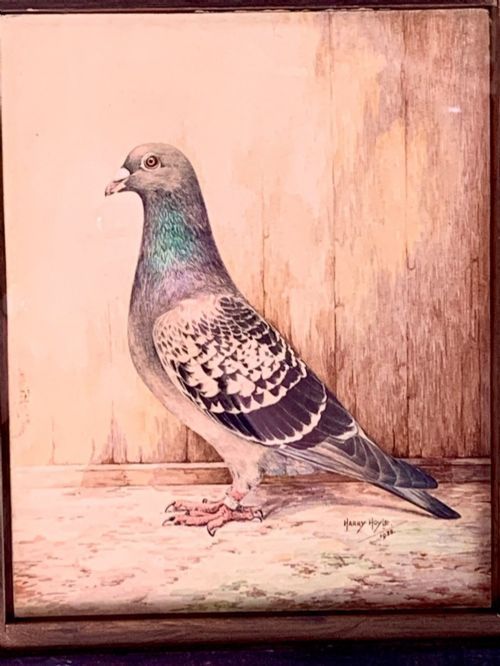
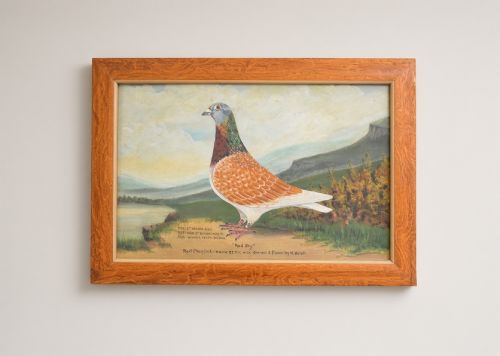
Certain pigeons achieve immortality on canvas, such as the royal messenger that won a Silver Jubilee race in 1935.
What Varies in Quality
Quality rests in the precision of anatomical observation and the dexterity of brushwork handling. Works by named artists demonstrate superior draughtsmanship in capturing posture and plumage compared to anonymous studies.
Condition of the medium and the integrity of the original mount or frame influence the overall standard. Intact paper surfaces free from heavy foxing and stable paint layers on canvas distinguish finer examples.
George F. Bird·Harry Bright·George Rankin·Ralston Gudgeon·Charles F. Tunnicliffe·Robin Hill
The Vintage Bird Paintings Glossary
- Watercolour paint
- A water-soluble medium using finely ground pigments, prized for transparency and delicate layering on paper.
- Oil paint
- A slow-drying medium made by mixing pigments with oils, allowing rich colour saturation and textured application on canvas or panel.
- Natural history illustration
- Scientific depiction of animals and plants focused on accurate anatomical detail and coloration.
- Giltwood mount
- A decorative wooden border finished with gold leaf, used inside frames to enhance the artwork.
Vintage Bird Paintings: Frequently Asked Questions
How do I date a vintage bird painting?
Examine the framing materials, paper stock, and any signatures or dates inscribed by the artist. Stylistic shifts between Victorian naturalism and mid-century expressionism also help place the work in its proper decade.
Paper yellowing and the type of backing board provide additional clues to the age of works on paper.
Are these paintings glazed?
Works executed in watercolour or pastel typically sit behind protective glass to prevent moisture damage and surface abrasion. Oil paintings on canvas or panel are generally displayed unglazed.
Framing choices often reflect the period in which the artwork was created.
Where should I hang these paintings?
Display these pieces away from direct sunlight to protect delicate watercolour pigments and paper from fading. Stable indoor humidity levels help preserve both canvas supports and wooden frames.
Grouping smaller works together creates a focused display reminiscent of traditional natural history collections.
What is the difference between oil and watercolour bird art?
Watercolour paintings offer translucent layers suited to fine feather detail on paper, while oil paintings provide heavier texture and depth on canvas or panel. Oils usually require no glass protection, allowing direct interaction with the painted surface.
Both mediums capture the distinct character of avian subjects through different technical approaches.