

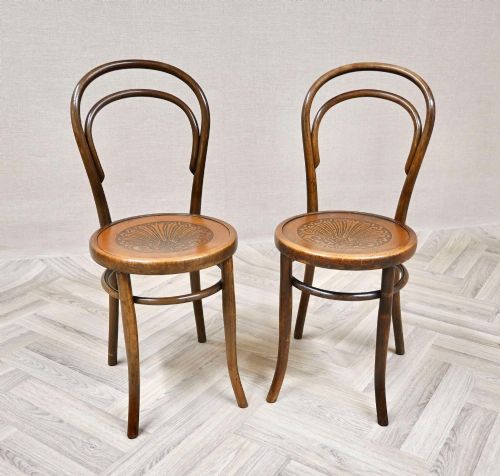
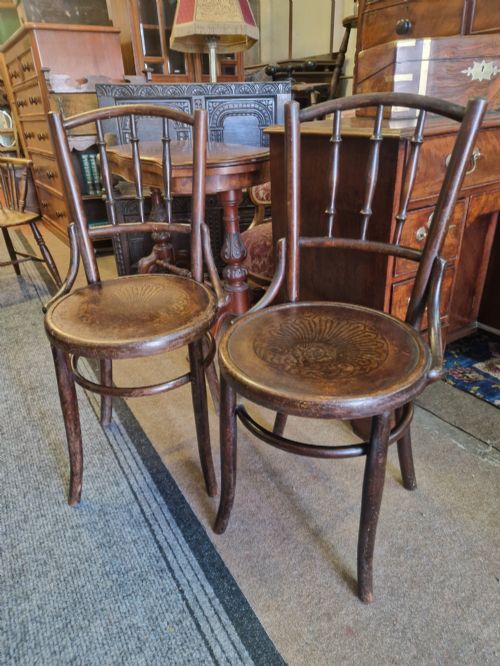
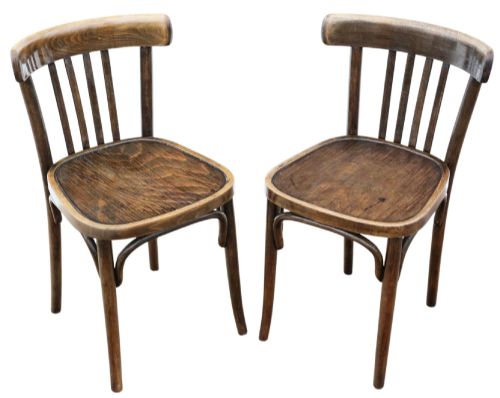
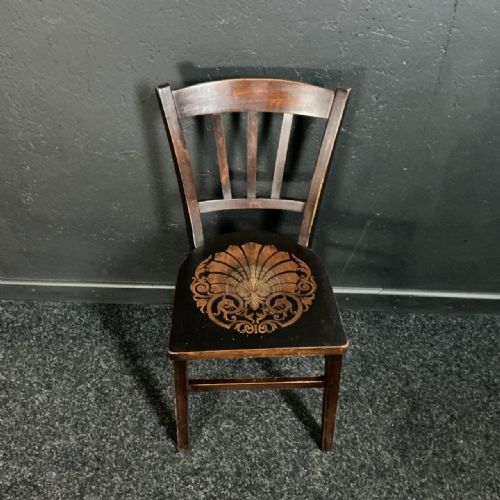
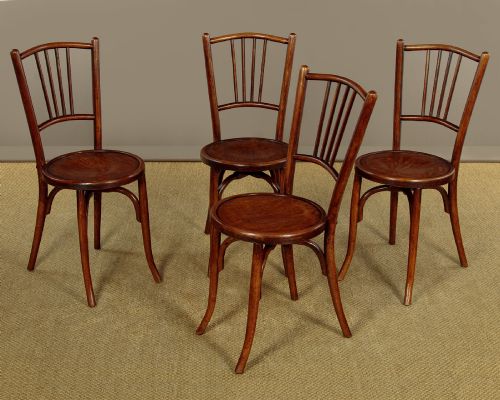
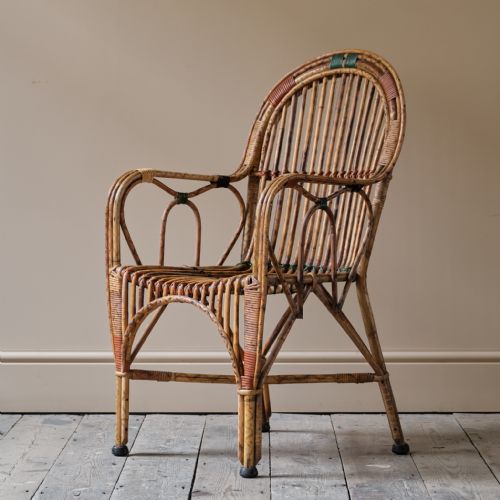


Vintage Bentwood Side Chair
A vintage bentwood side chair brings lightweight resilience and classic cafe curves into a room without dominating the floor space.
Vintage Bentwood Side Chair
Every vintage bentwood side chair on this page represents a tradition of steam-bent furniture originating in the nineteenth century and continuing through the mid-century decades. Buyers searching for a vintage bentwood side chair will encounter dining chairs and bistro seating originating from periods including Edwardian, Victorian, and the early twentieth century. The forms range from simple cafe seating to grotto style carvers and matched sets originating from famous venues like the Cafe Royal in London.
The material profile of a vintage bentwood side chair relies heavily on beech and beechwood, frequently paired with cane, rattan, and pressed plywood seats. Origins span Austrian workshops, Yugoslavian production, and makers such as Thonet, Codina, and J & J Kohn. These pieces arrive in styles covering Art Nouveau, Victorian bentwood, and mid-century rustic designs.
How they were made
The construction of a vintage bentwood side chair relies on solid beech or beechwood subjected to steam until pliable, allowing craftsmen to curve the wood into continuous organic loops. This technique eliminates heavy joinery, creating frames that balance extreme lightness with structural tension.
Seats are frequently formed from pressed plywood stamped with decorative patterns, or woven using cane and rattan to provide flexible support. The combination of steam-bent frames and inset panels defines the structural integrity of these items across all periods.
Vintage Bentwood Side Chair Retail Price Guide 2026
Typical asking prices for vintage bentwood side chair among the pieces listed under this phrase on Sellingantiques today, from the lower quarter to the upper quarter. They describe what is for sale here now, not the wider market.
Listings feature beech and beechwood bentwood chairs spanning the nineteenth century through the nineteen sixties.
What varies in quality
Quality in a vintage bentwood side chair rests on the crispness of the steam-bent curves and the original tension retained by the beech frame over decades of use. Pieces produced by premier workshops exhibit tighter radii in the bent components and superior grain selection in the beechwood.
The preservation of original cane or pressed plywood seat inserts also distinguishes finer examples from later replacements. Sets maintaining matched components and uniform factory markings demonstrate higher desirability than assembled groups.
Thonet·Codina·J & J Kohn
The Vintage Bentwood Side Chair Glossary
- Bentwood
- Wood shaped by applying steam to make it pliable, allowing manufacturers to form smooth, continuous curves. This technique transformed seating production in the nineteenth century.
- Cane
- Woven material made from the peeled bark of rattan palms, commonly used for lightweight and flexible chair inserts. It provides breathability and traditional texture.
- Pressed Plywood
- Thin layers of wood veneer glued and pressed under heat into shaped panels. It frequently forms the decorated seat bases of bistro chairs.
- Grotto Style
- A decorative aesthetic featuring shell and natural motifs, seen in early twentieth century carver chairs. It adds ornamental complexity to simple bentwood forms.
Vintage Bentwood Side Chair: Frequently Asked Questions
Are these chairs suitable for daily dining?
These pieces were originally designed for bustling cafes and domestic dining rooms, making them practical for everyday use around a table.
Their lightweight construction allows them to be moved easily, though original woven cane seats require sensible care to avoid puncturing.
How do I identify the period of a chair?
Dating relies on maker stamps, screw types, and stylistic indicators such as Art Nouveau motifs or mid-century rustic plainness. Earlier nineteenth century examples often show deeper patination and distinct manufacturer branding beneath the seat base.
Comparing the complexity of the steam-bent framing and the pattern pressed into plywood inserts also helps place the item within Edwardian or later decades.
Can I mix different bentwood styles together?
Mixing different styles is common because many listings comprise matched sets or individual bistro chairs accumulated over time. The shared beech material and curving silhouettes create visual harmony even when minor details differ.
Pairs and larger sets offer uniformity, but single armchairs and side chairs blend naturally in eclectic dining spaces.
How should I care for cane seats?
Cane and rattan panels need occasional cleaning with a damp cloth and should be kept away from direct heat sources that dry out the natural fibres. Applying moisture periodically helps maintain the flexibility of the weave.
Avoiding excessive weight concentrated on a single point prevents the woven cane from snapping.