




Dark Stained Wooden Chair
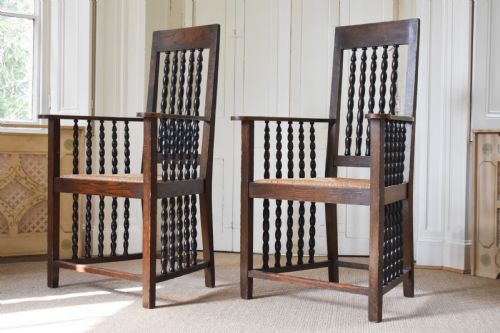
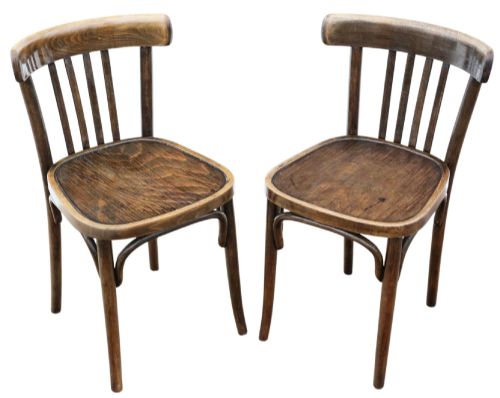
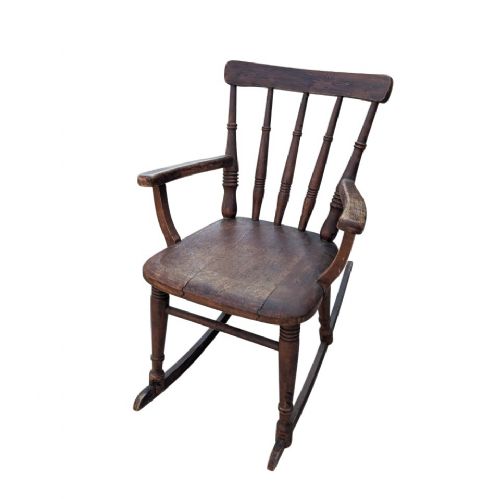
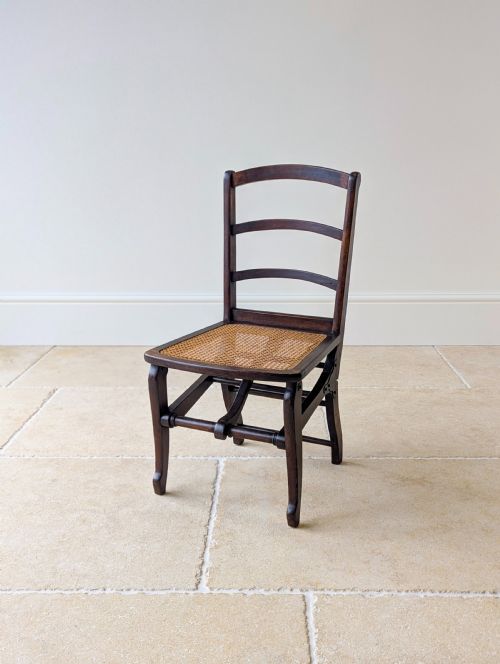
A dark stained wooden chair brings utilitarian character into a room, spanning rustic Windsor forms, bistro bentwood and vernacular seating.
Dark Stained Wooden Chair
A dark stained wooden chair encompasses functional seating produced across the nineteenth and twentieth centuries, including side chairs, armchairs, rocking chairs and high chairs. These pieces emerge from diverse traditions such as Victorian country workshops, American vernacular production, Scandinavian folk art and Chinese export work.
The dark stained wooden chair most likely encountered on this page ranges from robust kitchen Windsor and lathback forms to bentwood bistro designs and upholstered salon seating. Makers utilised accessible regional timbers, applying deep surface finishes to unify the grain or imitate more costly hardwoods.
How they were made
Construction relies on traditional timber framing, turning and steam bending, utilising domestic woods like beech, elm, ash, oak, pine and birch alongside imported hardwoods. Workshops shaped solid seats, spindles and legs using drawknives, lathes and hand planes, securing joints with pegging or wedging.
Makers applied dark stains and surface treatments to achieve deep tones across disparate timbers, sometimes pairing wooden elements with rush seating or hand-stitched tapestry upholstery. Bentwood examples demonstrate steam-heating techniques to form curved backrests, while vernacular pieces rely on pegged mortise and tenon joints.
Dark Stained Wooden Chair Retail Price Guide 2026
Typical asking prices for dark stained wooden chair among the pieces listed under this phrase on Sellingantiques today, from the lower quarter to the upper quarter. They describe what is for sale here now, not the wider market.
Materials recorded on this page include beech, elm, hardwood, ash, oak, rush, plywood, and pine.
What varies in quality
Quality rests upon the integrity of the timber selection and the precision of the joinery, distinguishing sturdy utilitarian construction from looser assembly. Pieces retaining their original turned spindles, solid seats and uncompromised structural alignment demonstrate superior workshop execution.
The refinement of the surface finish and the retention of authentic patination separate well-preserved examples from those with heavy modern alterations. Proportion and comfort within vernacular or folk designs also dictate distinction, separating standard utility furniture from more ambitious artisan work.
The Dark Stained Wooden Chair Glossary
- Windsor
- A traditional chair construction featuring a solid wooden seat into which the legs and back spindles are separately socketed. These vernacular pieces often incorporate steam-bent bow backs.
- Bentwood
- Furniture formed by steaming strips of wood until pliable and bending them into curved shapes. This technique defines lightweight cafe and bistro seating from the nineteenth and twentieth centuries.
- Vernacular
- Objects created by regional craftsmen to satisfy local functional needs rather than adhering to high-style academic design. These pieces often employ native timbers and straightforward construction methods.
- Lathback
- A chair back design incorporating flat wooden slats or laths rather than turned spindles. This form is particularly common in nineteenth-century kitchen and farmhouse seating.
Dark Stained Wooden Chair: Frequently Asked Questions
Are these chairs suitable for daily use?
Most antique wooden seating was built for robust domestic or commercial utility and remains structurally sound for everyday seating. Checking joint tightness ensures safe daily deployment.
Lighter forms like bentwood bistro chairs or children's chairs require more mindful handling than heavy Windsor or smokers bow designs. Proper placement prevents undue strain on antique joints.
What is a smokers bow chair?
A smokers bow is a robust type of low Windsor armchair, typically featuring a curved continuous armrail supported by turned spindles. These chairs were common in nineteenth-century smoking rooms and public houses.
They combine the comfortable saddle seat of a Windsor with a lower, enveloping backrest designed for relaxed seating. Sturdy elm and beech construction made them durable enough for heavy public use.
How do I care for dark stained wood?
Maintaining dark stained wooden surfaces involves keeping furniture away from direct heat sources and fluctuating humidity to prevent timber splitting. Regular dusting with a soft, dry cloth preserves the finish.
Occasional application of appropriate wax polish nourishes the wood and maintains its natural sheen without building up residue. Avoiding harsh chemical cleaners protects the original patination.