



Vintage Bentwood Chair
When you want a vintage bentwood chair, you seek the enduring lightness and fluid curves that defined cafe seating from the nineteenth century onwards.
Vintage Bentwood Chair
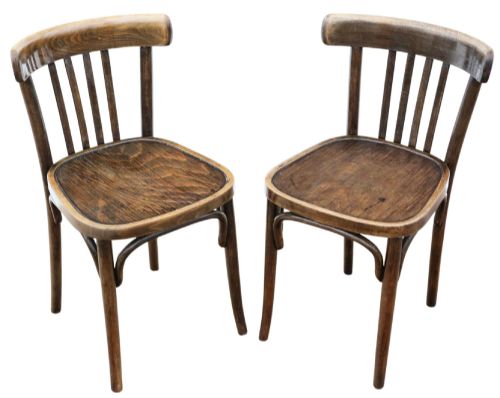
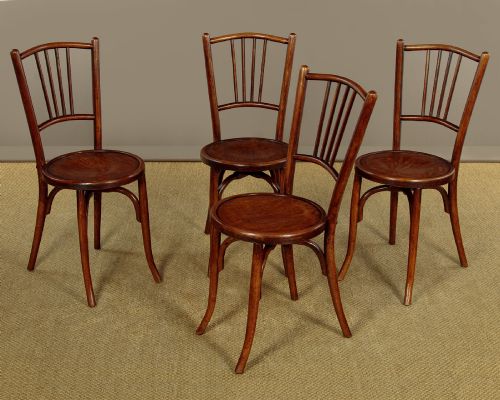
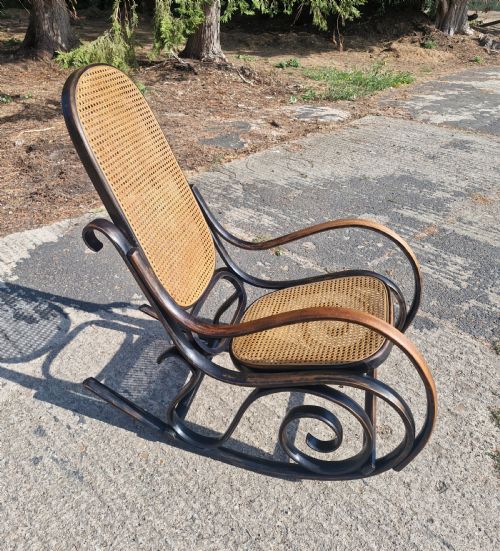
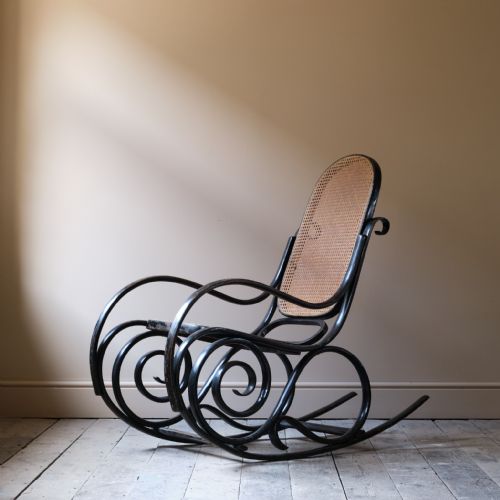
A vintage bentwood chair combines functional utility with sculptural form, appearing in dining rooms, offices, and parlours across multiple decades. Buyers searching this phrase encounter everything from simple bistro seats and carvers to elaborate rocking chairs, children's versions, and salon suites.
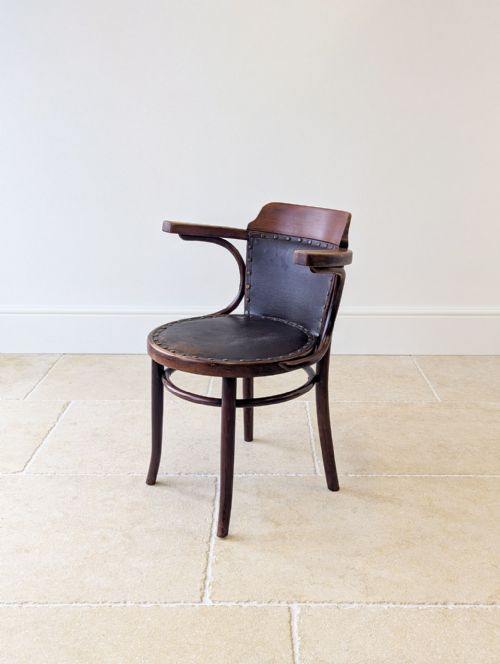
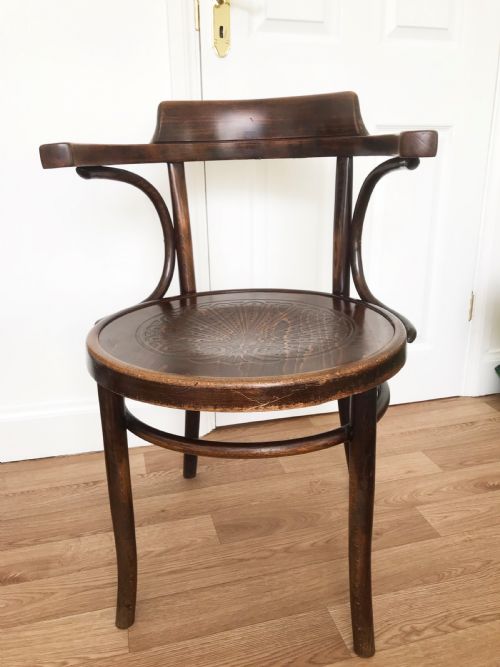
The pieces on this page span from the nineteenth century through the Edwardian era into the mid-twentieth century, with origins tied to major European makers and cafe culture. Dining chairs and rocking armchairs dominate the selections, alongside specialised desk chairs fitted with leather or cane.
Makers such as Thonet and Kohn established the standard forms, producing dining sets and rocking models that remain highly recognisable today. Alongside these, British, French, and Yugoslavian examples demonstrate how widely the aesthetic spread beyond its Austrian roots.
Distinctions in Standard
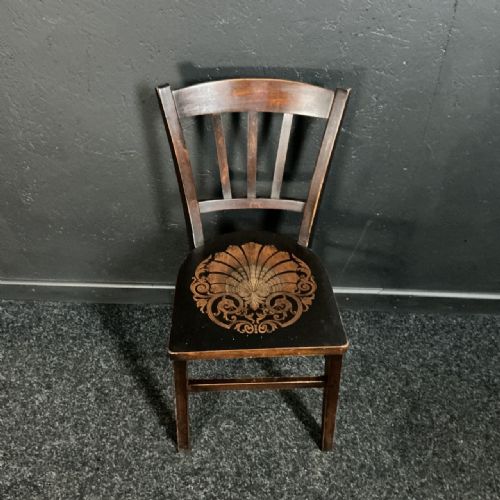
Quality rests in the precision of the steam-bending and the integrity of the joints, where skilled makers achieved seamless tension and minimal visible hardware. The crispness of pressed seat patterns and the resilience of the original cane work also separate standard production from superior workshop output.
Maker attribution elevates certain examples, particularly documented pieces bearing factory stamps or paper labels from Thonet, Kohn, or Mundus. The completeness of matched dining sets and the retention of original upholstery or leather likewise influence the standing of an individual piece.
Listings span the nineteenth century through the 1960s, featuring beech, cane, leather, and plywood across dining, rocking, and desk chair formats.
Jacob and Josef Kohn·Thonet·Harry and Lou Epstein·Codina·Baumann·Mundus Kohn
The Vintage Bentwood Chair Glossary
- Bentwood
- Wood shaped by exposure to steam and pressure into curved structural components. This technique allows for lightweight frames with continuous flowing lines.
- Cane
- Woven rattan material commonly used for chair seats and back panels. It offers flexibility and breathable comfort.
- Carver
- An armchair designed with armrests, often placed at the head of a dining table or utilised as a desk chair. These pieces match simpler side chairs in a set.
- Salon Suite
- A matched group of seating furniture intended for formal entertaining. These sets typically include armchairs and matching side chairs.
- Vienna Secession
- An artistic movement that embraced clean lines and geometric forms in furniture design. Pieces from this circle often display refined minimalism.
Vintage Bentwood Chair: Frequently Asked Questions
How do I identify a Thonet chair?
Look for paper labels, impressed maker's marks underneath the seat, or characteristic design registrations stamped into the wood.
Thonet pieces also display exceptional crispness in the steam-bent curves and careful joinery that lesser workshops often imitated.
Were bentwood chairs used in cafes?
Yes, many designs were created specifically for nineteenth-century coffee houses and dining establishments.
Their lightweight frames and stackable or compact forms made them practical for busy hospitality spaces.
How should I care for cane seats?
Keep cane work hydrated by wiping it lightly with a damp sponge occasionally to prevent the natural fibres from becoming brittle.
Avoid placing these chairs near direct heat sources or in overly dry rooms.
What is the difference between a side chair and a carver?
Side chairs are armless and intended primarily for dining tables, while carvers feature integrated armrests for added support.
In many historical dining sets, a pair of carvers accompanied a larger number of armless side chairs.