


Vintage Belgian Artwork
Vintage belgian artwork brings together oil paintings and watercolours that capture quiet rural scenes, bustling markets and coastal views.
Vintage Belgian Artwork
Buyers seeking vintage belgian artwork will encounter a rich selection of oil paintings, watercolours and drawings spanning the nineteenth and twentieth centuries. These pieces encompass genres such as romanticism, realism, impressionism and post-impressionism, reflecting the varied output of continental artists. Landscapes, still lifes, portraits and maritime scenes dominate the selection available on this page.
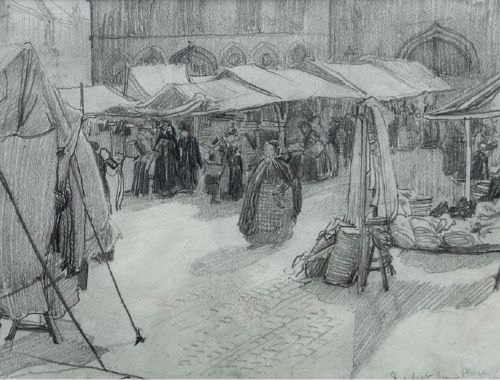
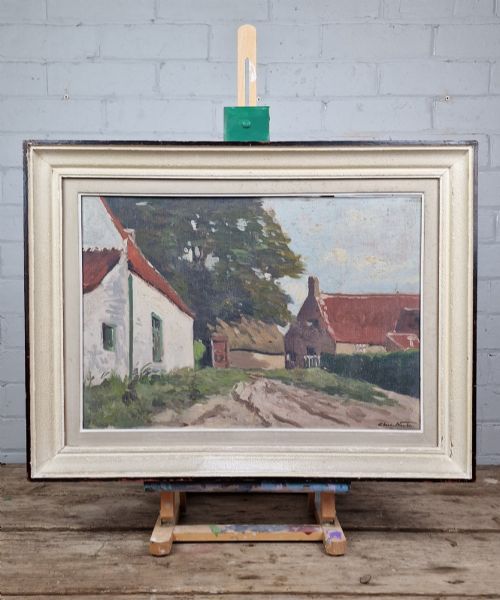
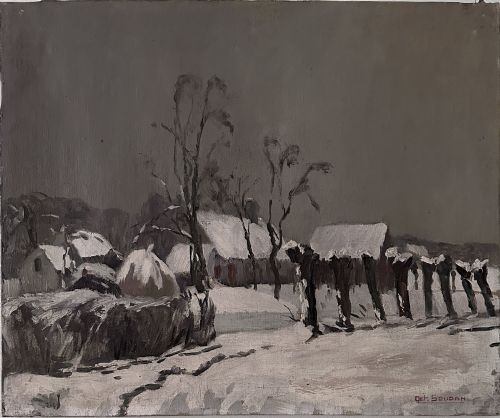
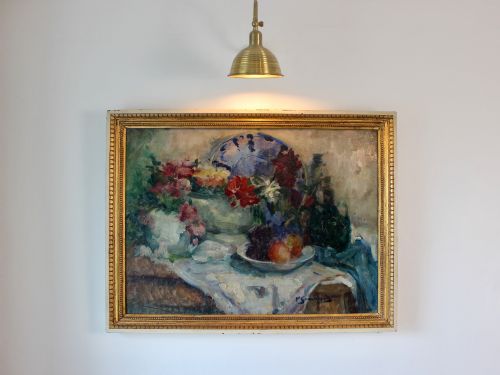
Works range from intimate pencil drawings of Bruges markets and trench art charcoal sketches to large impressionist floral displays and coastal seascapes. The geographic and cultural identity of the region shines through depictions of local farms, village winters, moored boats and domestic interiors. Many examples bear the signatures of notable painters and draughtsmen active during these decades.
Materials and methods
Artists relied primarily on oil paint applied to canvas, board or wood panels, alongside watercolours and charcoal on paper. Gilt framing frequently accompanies the painted surfaces, providing a finished boundary that complements the composition.
Draftsmanship underpins the figurative and landscape works, whether rendered in pencil, charcoal or direct brushwork. The manipulation of pigment achieves subtle effects of light and atmosphere, particularly within impressionist and realist traditions.
Nineteenth-century realism and mid-century impressionism represent the breadth of painting styles available to collectors.
Judging the quality
Quality rests upon the handling of light, depth and composition by the hand of the artist. Stronger pieces demonstrate confident brushwork, assured draughtsmanship and a coherent sense of atmosphere that elevates the subject matter.
Condition of the canvas, board and paper influences desirability, alongside the preservation of the original pigment and frame. Works with clear provenance, signature attribution and well-maintained surfaces stand out within the selection.
Charles Houben·Victor Simonin·Leopold Halvoet·Amile Coppieters·Jules Rambo·Eugene Joseph Verboeckhoven·Henri Joseph Pauwels·Jules Evarist van Biesbroeck·Hendricus Joseph Dillens·Job de Vogel·Henri Schouten·Paul Jean Clays·Gustav Goemans·Fernand Toussaint·J L VAN Leemputten·Maurice Wagermans·Maurice Sijs
The Vintage Belgian Artwork Glossary
- Impressionism
- A style of painting focusing on the visual impression of the moment, particularly shifting light and colour. Practitioners often used rapid brushstrokes and painted outdoors.
- Post-Impressionism
- A predominantly French art movement that developed from impressionism, extending its boundaries while retaining a focus on vivid colours and expressive brushwork. Belgian artists readily adopted these evolving tenets.
- Trench Art
- Items made by soldiers, prisoners of war or civilians from material salvaged from battlefields and military debris. Examples include framed charcoal battlefield drawings executed during wartime.
- Genre Painting
- The pictorial representation of scenes from everyday life, such as markets, domestic interiors and agricultural labour. These works offer a window into social history.
- Still Life
- A work of art depicting mostly inanimate subject matter, typically commonplace objects which may be either natural or man-made. Floral displays and game feature prominently in this category.
Vintage Belgian Artwork: Frequently Asked Questions
What periods do these pieces cover?
The selections span from the nineteenth century through the mid-twentieth century, capturing shifts in artistic style across several decades.
Buyers will find Victorian-era romanticism alongside early twentieth-century impressionism and mid-century modern canvases.
Are most of these works signed?
Many examples feature artist signatures, inscriptions or attributed provenance recorded in the listing details.
Signed works by documented continental painters sit alongside unsigned or attributed pieces from the same periods.
What surfaces were used for painting?
Painters utilised canvas, wood panels and board as supports for their oil compositions.
Works on paper encompass watercolours, charcoal drawings and pencil sketches.
How should I display vintage art?
Consider placing paintings and drawings away from direct sunlight and excessive moisture to protect the pigments and paper.
Many pieces arrive in period frames that suit the aesthetic of the artwork.