
Vintage Bedroom Storage Chest
A vintage bedroom storage chest provides deep drawers and tall compartments to organise linens and garments while grounding a room in timber character.
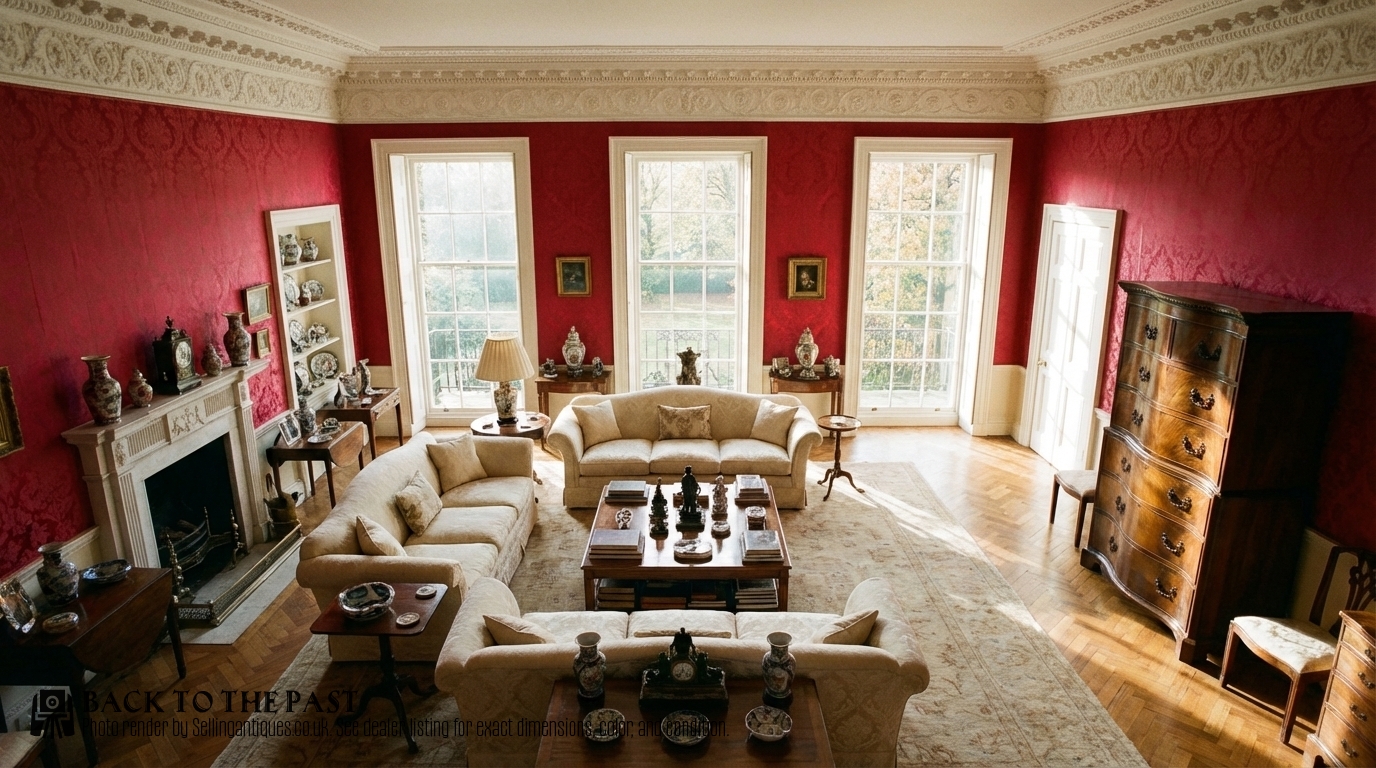
Vintage Bedroom Storage Chest
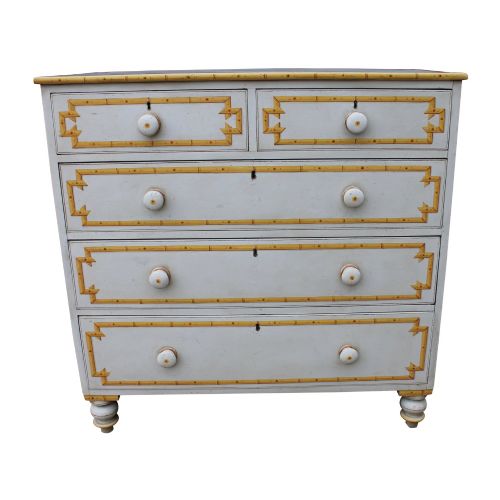
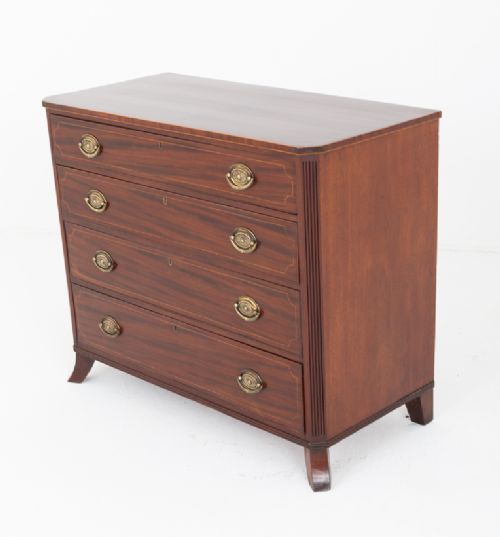
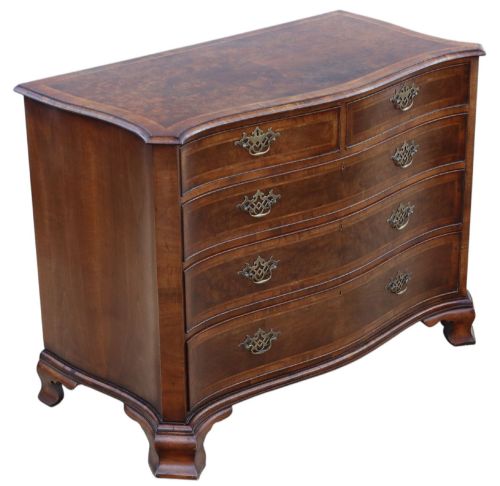
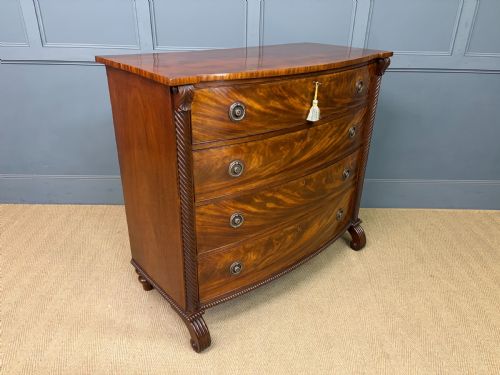
When you search for a vintage bedroom storage chest, you encounter a wide selection of case furniture designed to hold garments and textiles. The pieces span centuries of cabinetmaking, from Georgian and Regency eras through Victorian iterations and into Art Deco designs.
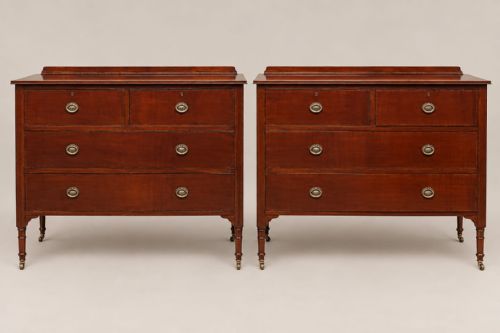
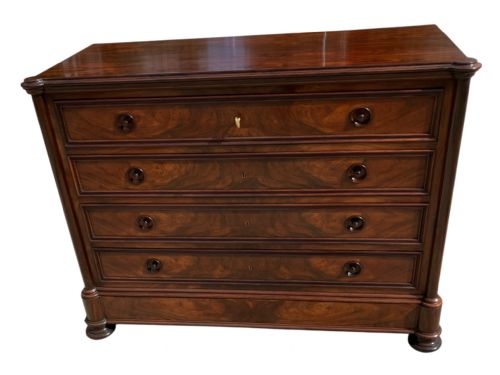
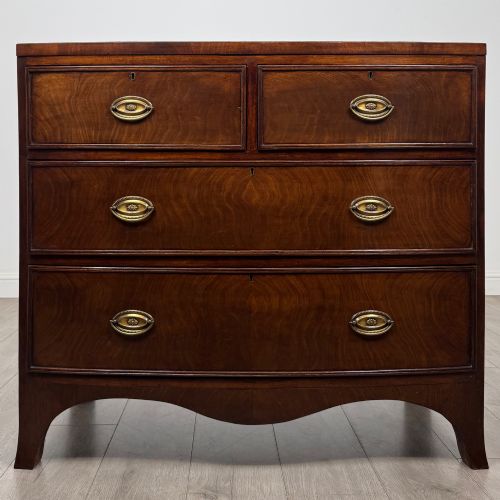
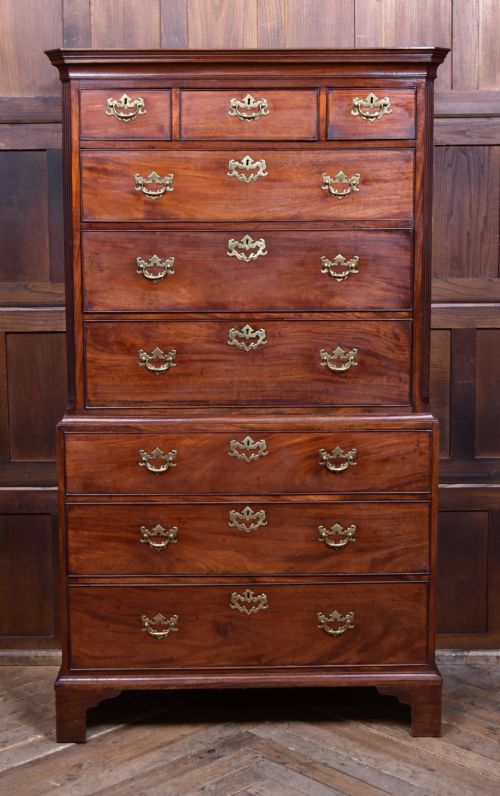
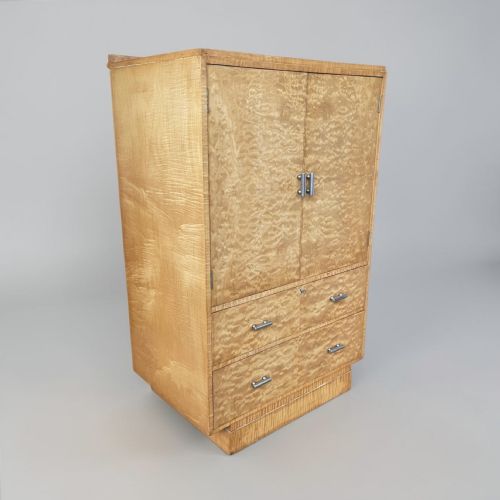
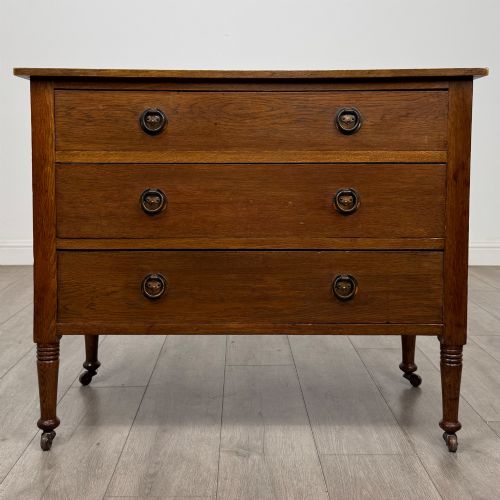
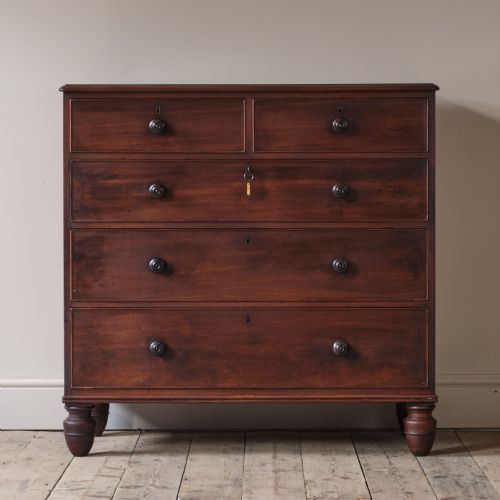
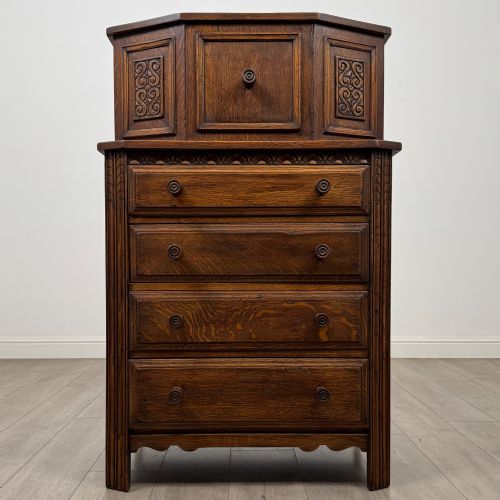
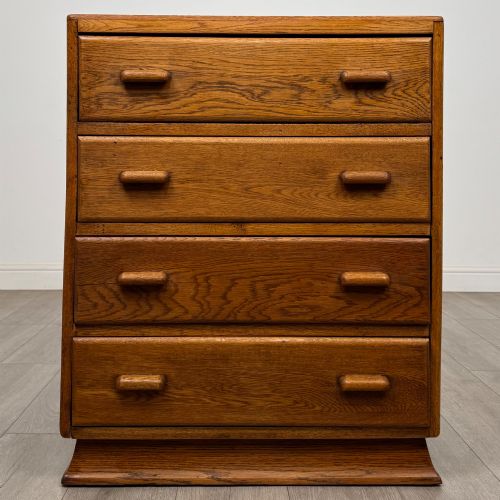
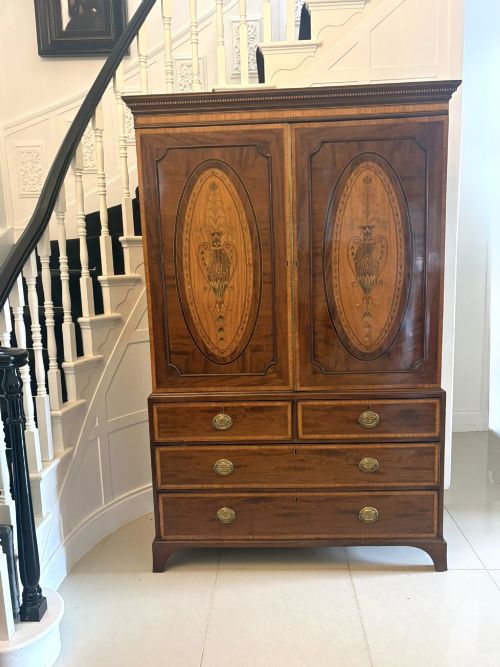
The most common forms on this page include traditional chests of drawers, bow-front configurations, tallboys, and linen presses. Woods such as mahogany, oak, pine, and walnut dominate the selection, appearing in solid form or finished with veneers.
Originating from various periods including the nineteenth and twentieth centuries, these items range from simple country pine examples to polished mahogany designs with satinwood inlay. Each format serves the practical function of domestic storage while offering distinct stylistic periods.
How they were made
Cabinetmakers constructed these chests using solid hardwoods like mahogany and oak alongside softer woods such as pine for internal framing and drawer linings. Joinery techniques relied on dovetailed drawer construction to ensure durability under daily use.
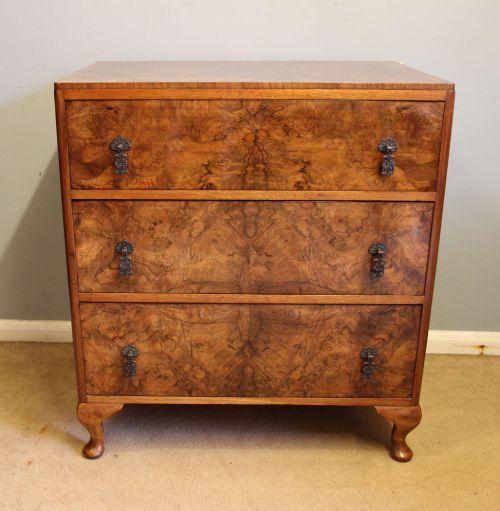
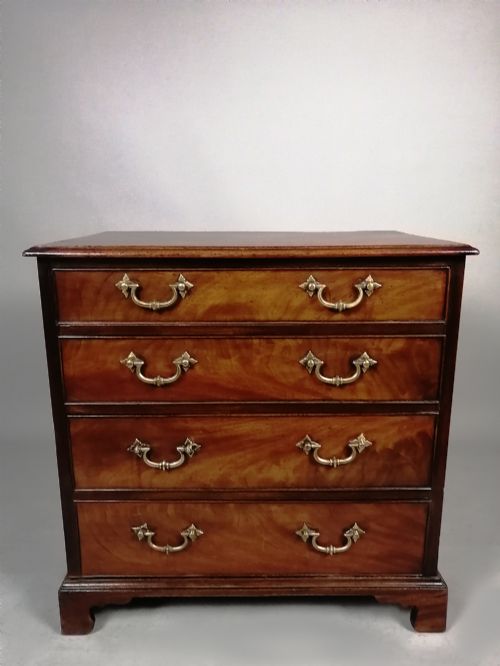
Surfaces frequently display figured veneers, including flame mahogany and burr walnut, applied over secondary timbers to create patterned grain effects. Crossbanding and satinwood stringing added decorative contrast to drawer fronts and top boards.
Brass hardware, including swing handles and key escutcheons, accompanied the timber structures, while polished finishes protected the wood and enhanced natural grain patterns.
Certain drawers retain faint traces of old herbal sachets tucked away by former owners to keep linens smelling fresh.
What varies in quality
The distinction between standard and superior pieces rests on the choice of timber and the precision of the cabinetwork. Grain selection in veneers, such as matched burr walnut or flame mahogany, separates utilitarian examples from high-status commissions.
Structural integrity reveals itself in the smoothness of drawer operation, the tightness of dovetail joints, and the retention of original brass hardware. Pieces maintaining crisp mouldings and uncompromised internal linings represent the higher tier of surviving storage furniture.
T G Seddon·Sir Clough Williams-Ellis
The Vintage Bedroom Storage Chest Glossary
- Bow front
- A convex curved cabinet front that projects outward in a smooth arc. This shape gained popularity during the Georgian and Regency periods to soften room corners.
- Tallboy
- A tall storage unit comprising a chest of drawers stacked upon another chest or cabinet. It maximises vertical storage capacity while occupying a compact floor footprint.
- Linen press
- A tall cupboard featuring upper shelving enclosed by doors above a bank of lower drawers. Historically used for storing folded table linen and bed sheets.
- Flame mahogany
- A veneer cut from the fork of a mahogany tree where branches meet the trunk. This cutting method produces a distinctive flickering flame pattern.
- Crossbanding
- A decorative border technique where veneer strips are laid perpendicular to the surrounding grain. It frames the perimeter of drawer fronts and tabletops.
Vintage Bedroom Storage Chest: Frequently Asked Questions
How do I date a chest?
Dating relies on examining construction methods, hardware types, and wood species. Hand-cut dovetails and secondary woods often indicate older periods.
Stylistic cues such as bracket feet, apron shapes, and veneer patterns further narrow down the decade of manufacture.
Are these chests suitable for modern bedrooms?
These chests offer practical drawer space that accommodates contemporary clothing storage needs. Their compact footprints allow them to fit alongside modern interior layouts.
Placing them in bedrooms introduces warm timber tones and historical craftsmanship to the space.
How do I maintain wood finishes?
Maintain polished timber surfaces by dusting regularly with a soft, dry cloth. Avoid placing pieces near direct heat sources to prevent wood splitting.
Applying occasional specialist wax preserves the moisture and sheen of antique veneer and solid wood.