
Vintage Bedroom Mirror
A vintage bedroom mirror brings reflection and history to a dressing space, combining functional glass with period craftsmanship.
Vintage Bedroom Mirror
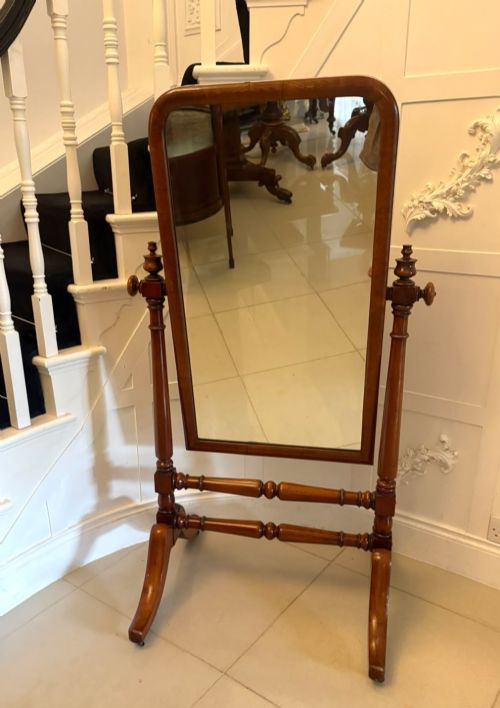
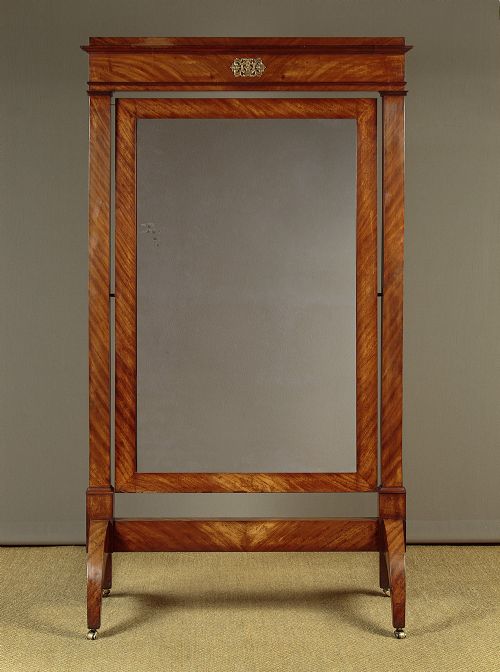
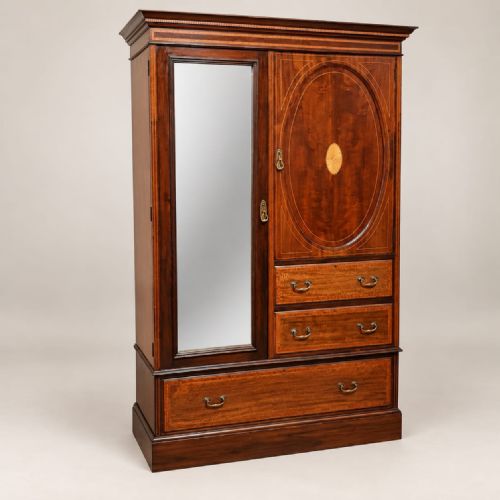
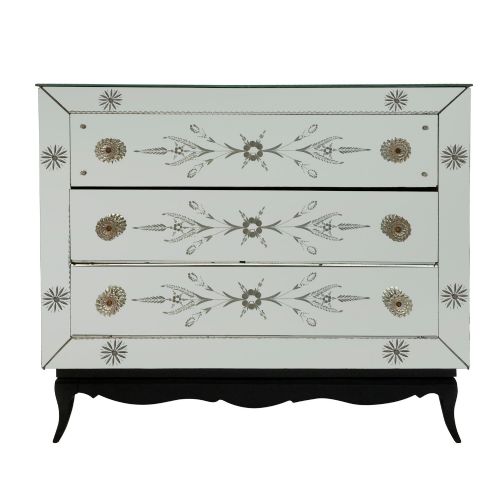
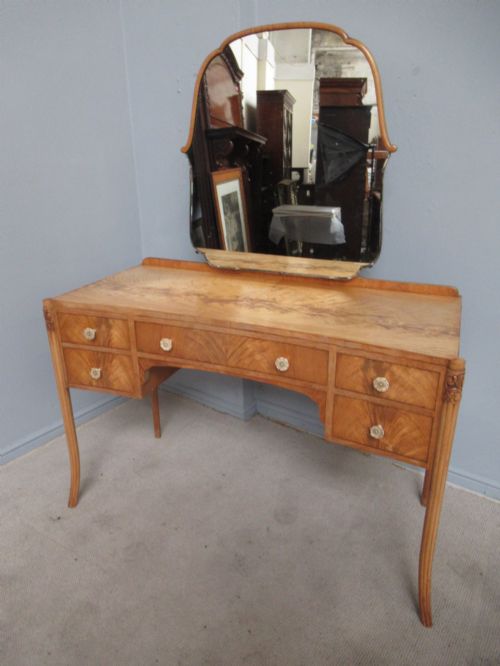
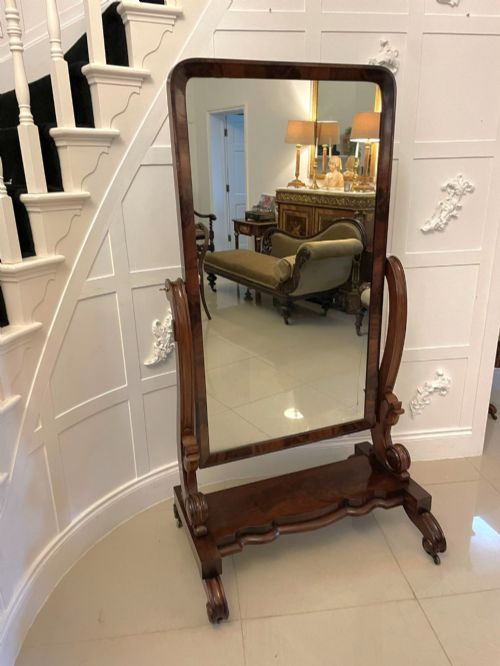
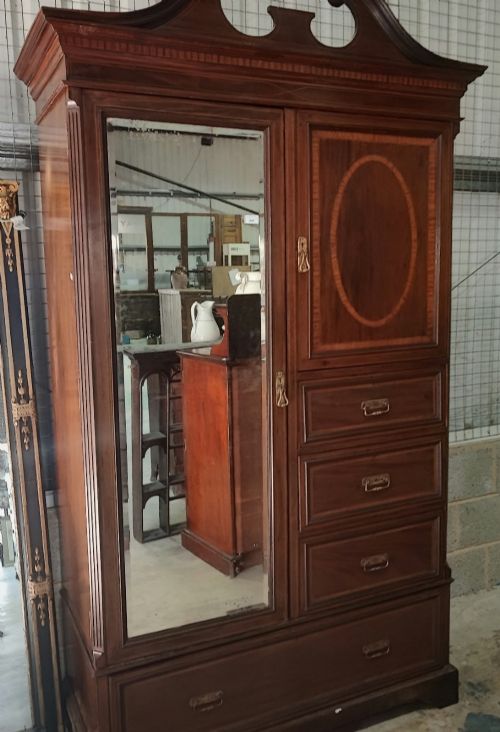
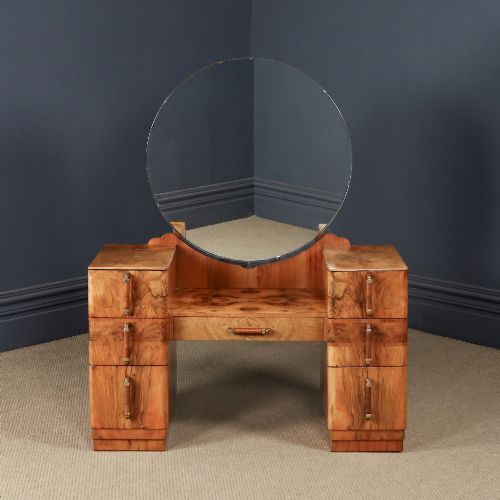
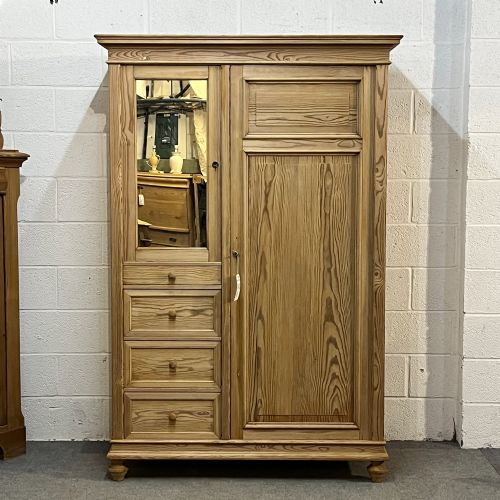
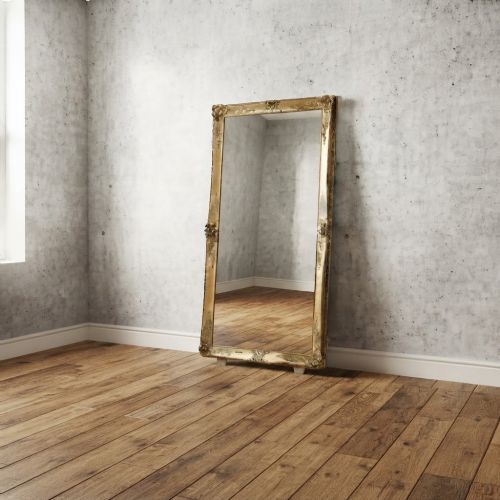
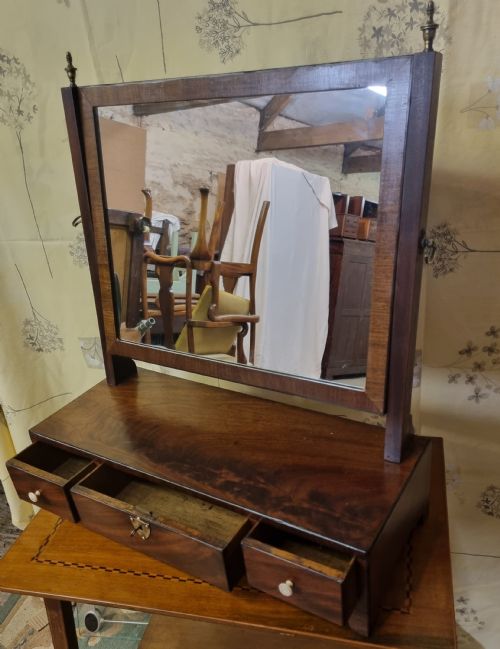
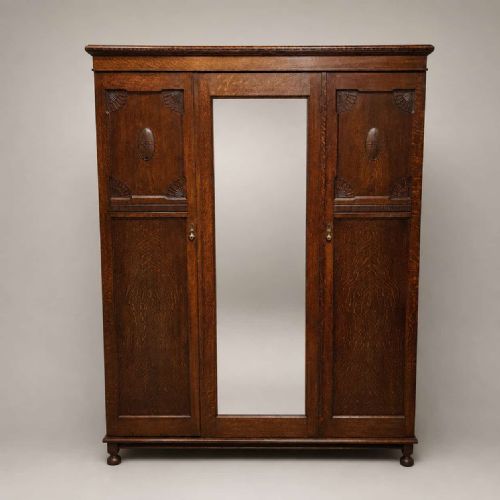
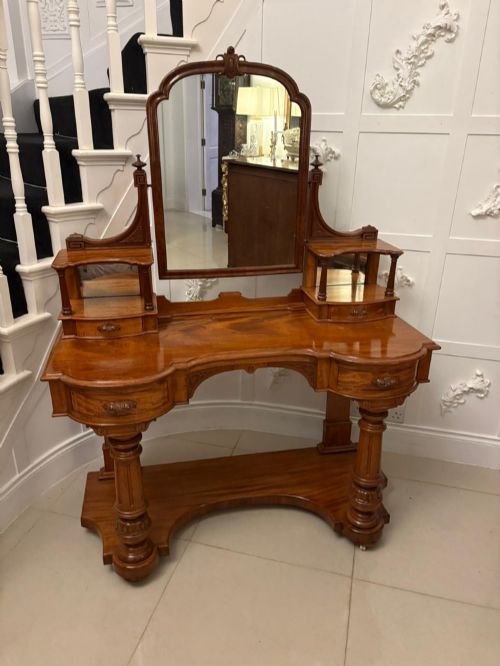
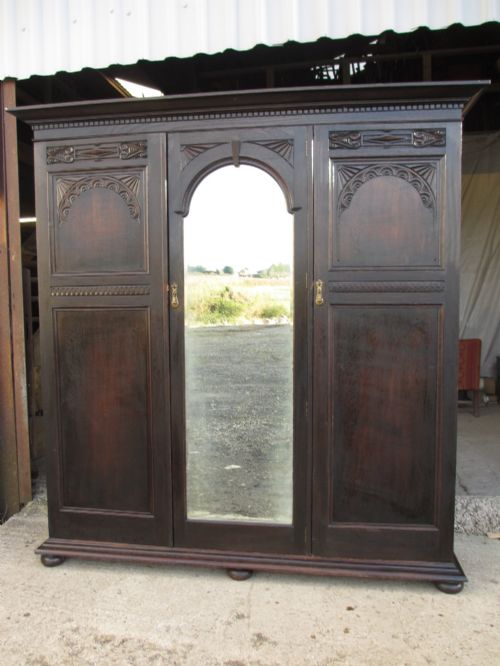
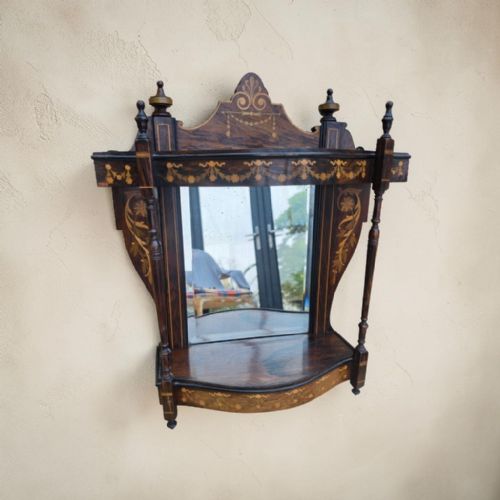
A vintage bedroom mirror encompasses freestanding cheval glasses, dressing table attachments, and large wardrobe panels that reflect light and expand spatial perception.
The options span Victorian, Edwardian, and Art Deco periods, with mahogany, walnut, and oak appearing frequently across dressing tables and wardrobes.
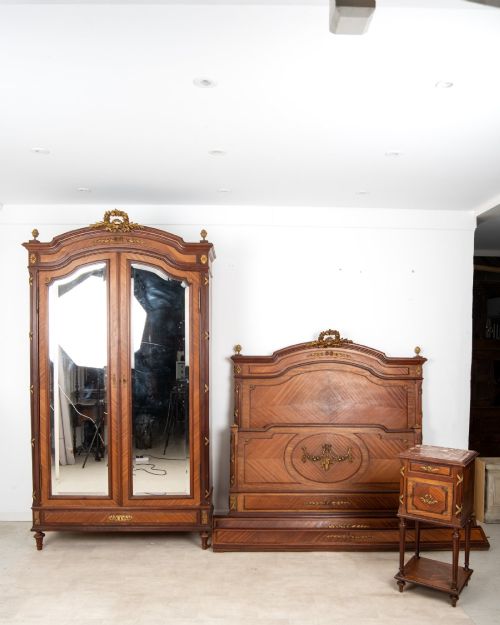
Buyers will encounter both standalone cheval mirrors and mirrors integrated into larger bedroom suites or compactum wardrobes.
Indicators of refinement
Quality rests in the selection of figured or burr timber grains and the solidity of the frame joinery rather than mere decorative carving.
Original silvering on the glass and the retention of matching hardware distinguish superior pieces from later replacements.
Listings feature woods including mahogany, walnut, oak, satinwood, and maple across Victorian, Edwardian, and 1930s periods.
Edwards and Roberts·Maples of London·Heals·Waring and Gillows
The Vintage Bedroom Mirror Glossary
- Cheval mirror
- A full-length plate glass mirror suspended on a vertical frame with supporting side posts. This design allows the glass to tilt back and forth for a complete view.
- Compactum
- A fitted wardrobe that combines hanging space with interior drawers and shelving. It offers comprehensive storage within a single consolidated unit.
- Inlay
- A decorative technique where contrasting woods or materials are set into the surface of a primary timber. This creates flat patterns and geometric ornamentation.
- Burr walnut
- Timber taken from the gnarled growth of a walnut tree, yielding swirling grain patterns. It is sliced into fine veneers for high-status furniture surfaces.
Vintage Bedroom Mirror: Frequently Asked Questions
How do I date a mirror?
Dating relies on examining the timber species, construction joints, and the bevel or silvering condition of the glass plate. Period styles such as Arts and Crafts or Art Deco also provide clear chronological markers.
Secondary indicators include the presence of original brass hardware, backboards, and maker labels or stamps embedded within the woodwork.
Are cheval mirrors stable?
Cheval mirrors utilise heavy weighted bases and sturdy side uprights to support the pivoting frame safely. Proper assembly ensures the glass stays balanced at the chosen angle.
Positioning them on level flooring prevents undue strain on the pivot pins and maintains upright stability during daily use.
How do I care for antique glass?
Clean mirror glass with a soft cloth and mild solution, avoiding excessive moisture near the exposed edges where the silvering meets the frame. Gentle maintenance preserves the historic reflective coating.
Protecting the wood surround from direct sunlight and humidity fluctuations keeps the surrounding frame and backing secure.
Where should I place a dressing mirror?
Position the piece perpendicular to a window to capture natural daylight without creating harsh glare. Freestanding designs work well in corners or opposite blank walls to bounce light across the room.
Ensure adequate clearance around pivoting models so the glass can tilt freely without striking adjacent furniture.