



Vintage Barware Cocktail Shaker
These vintage barware cocktail shaker pieces bring mid-century hospitality and geometric style straight to the home counter.
Vintage Barware Cocktail Shaker
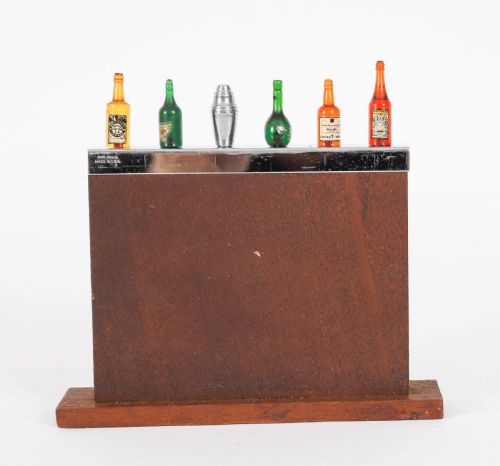
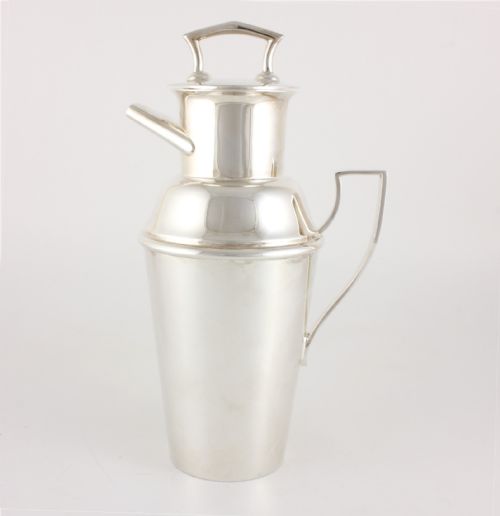
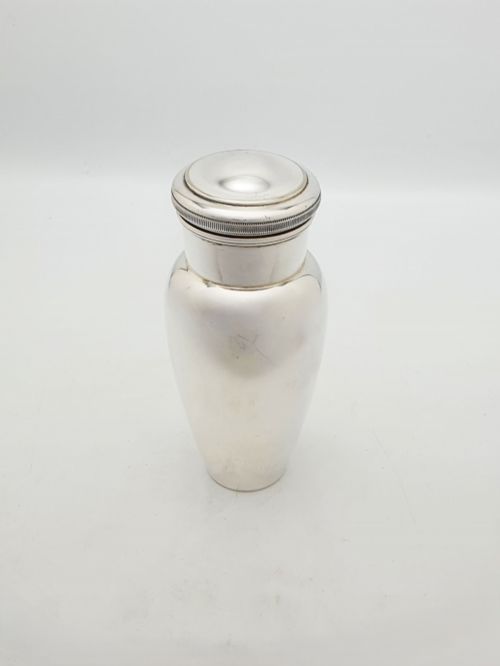
A vintage barware cocktail shaker most frequently appears as a silver-plated vessel from the Art Deco period, often taking geometric forms like the milk churn or the streamlined bullet. These pieces span from the early twentieth century through to the 1960s, drawing upon Mid-Century Modern and Italian Modernism alongside traditional English and French metalwork. Buyers encounter various iterations, including bachelor sizes holding one or one-and-a-quarter pints alongside larger receptacles equipped with built-in citrus squeezes or rolling recipes.
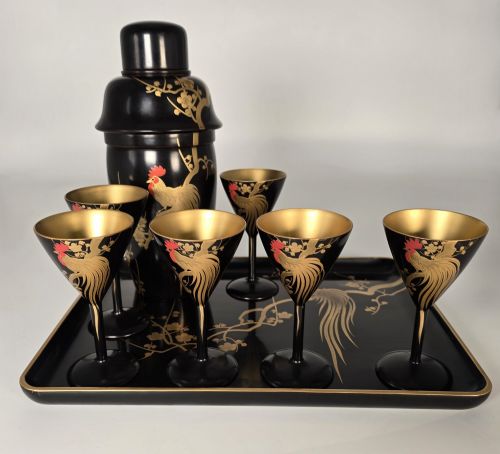
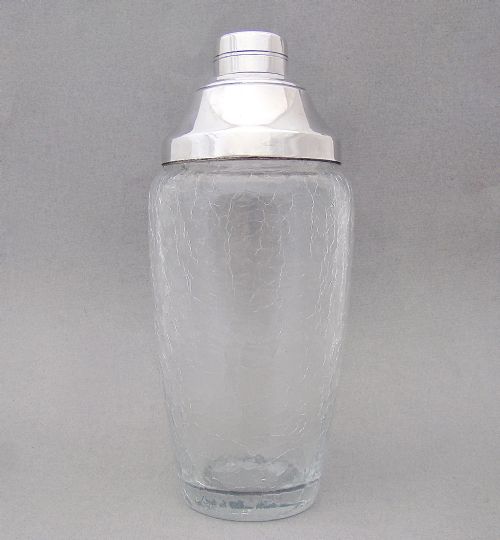
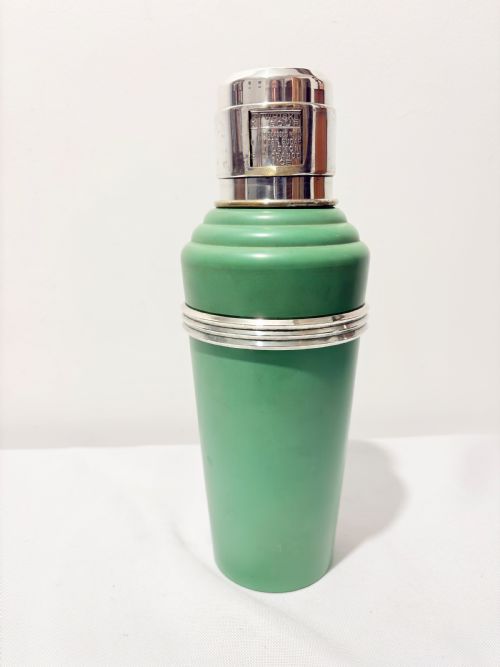
Many examples incorporate alternative materials such as crackle glass, green Bakelite, wood, and hand-painted Japanese lacquer to complement the metal body. Alongside standard shakers, the category encompasses related barware accessories like cocktail sets and miniature stick sets designed for entertaining. The stylistic influence extends across English, French, Italian, and Swiss workshops, producing both plain engine-turned surfaces and enamelled pictorial motifs such as cockerels.
Materials and construction
Makers shaped silver plate, electroplated nickel silver, sterling silver, and EPNS over a metal core to build the primary bodies of these vessels. Glass components, including crackle glass and enamelled panes, were fused or fitted into metal mounts with cork seals to contain liquids during shaking.
Surface decoration relied on mechanical and manual techniques, utilising engine-turning to engrave precise geometric patterns directly into the metal. Specialised internal elements like ice breakers and integral lemon squeezers were cast and fitted to improve utility.
Materials across the selection combine silver plate, sterling silver, and EPNS with glass, wood, cork, and Bakelite.
Distinguishing quality in design and execution
Superior examples derive from named design houses and silversmiths whose work displays deliberate weight, balanced proportions, and tight tolerances in the fit of lids and caps. Inferior or anonymous items often present thinner gauge metal, loose threading, or simpler stamped forms without specialised mechanisms.
Asprey And Co·Hukin And Heath·J B Chatterley And Sons·James Dixon And Sons·Keith Murray·William Suckling·Adie Brothers·C S Green And Co·Christofle
The Vintage Barware Cocktail Shaker Glossary
- EPNS
- Electroplated Nickel Silver. This denotes a base metal alloy of copper, nickel, and zinc coated with a layer of pure silver.
- Bachelor shaker
- A smaller vessel. These compact shakers typically hold between one and one and a half pints for individual or paired servings.
- Engine-turned
- A decorative technique. Machines engrave precise, intricate geometric patterns into the metal surface.
- Bakelite
- An early synthetic plastic. This material appears in handles, finials, and accents on mid-century barware.
- Milk churn
- An Art Deco shape. The cylindrical body narrows towards the top, echoing the profile of a traditional dairy vessel.
Vintage Barware Cocktail Shaker: Frequently Asked Questions
How do I clean a silver plated shaker?
Wash the interior with warm soapy water and a soft bottle brush, avoiding harsh abrasives that strip the plating. Dry thoroughly to prevent water spots.
Polish the exterior gently with a cloth designed for silver plate. Take care around enamel work or glass inserts to protect the decorative elements.
Are these shakers still usable today?
Most silver-plated and glass shakers function effectively for mixing drinks provided the cork seals remain intact. Check the inner gaskets before use.
Vintage mechanisms like rotating recipes or built-in squeezes add practical utility to your home bar setup. Handle older pieces with care to preserve their original fittings.
How do I identify Art Deco barware?
Look for symmetrical geometric motifs, stepped profiles, and streamlined shapes resembling milk churns or bullets. Engine-turned patterns and contrasting materials like Bakelite or crackle glass signal this era.
Maker marks stamped on the base often point to silversmiths active during the 1920s and 1930s. The overall aesthetic prioritises clean lines and modern industrial elegance.