

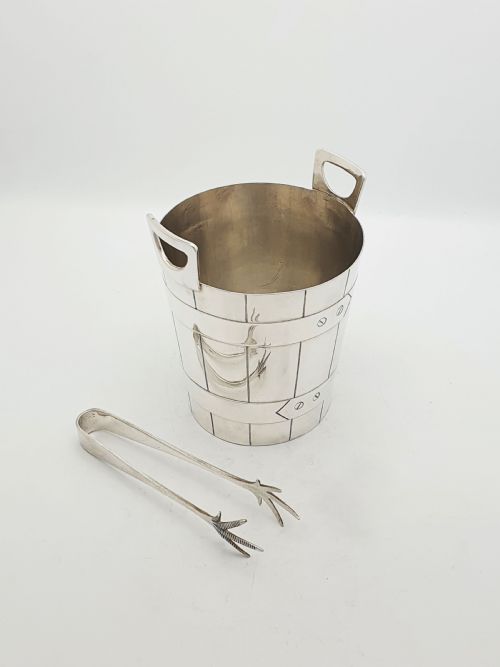


Vintage Barrel Bucket
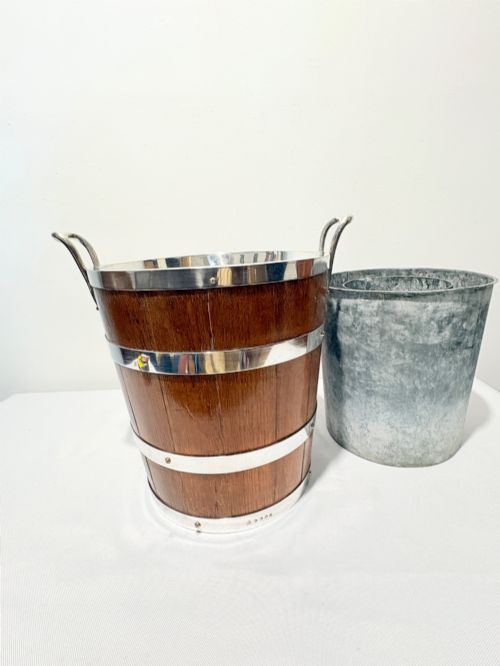
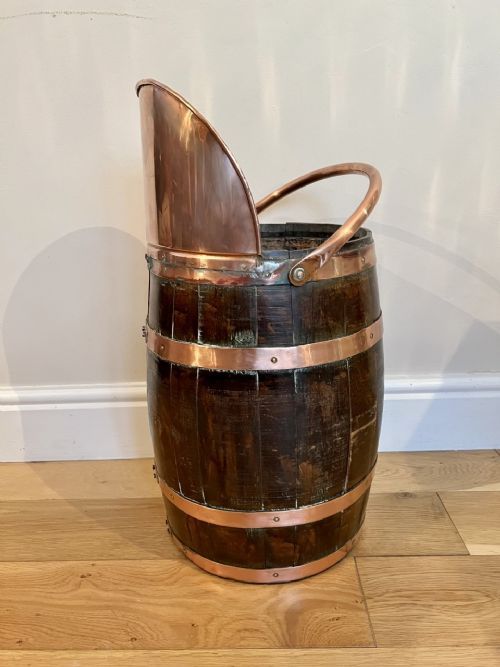
These vintage barrel bucket forms span sturdy oak coal hods and silver-plated wine coolers designed for practical use.
Vintage Barrel Bucket
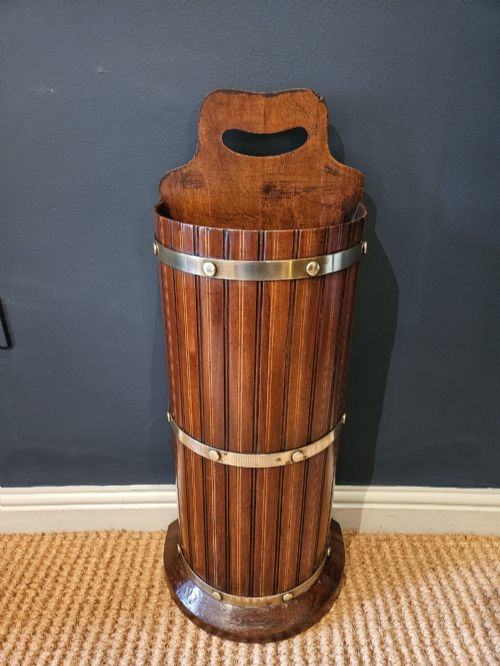
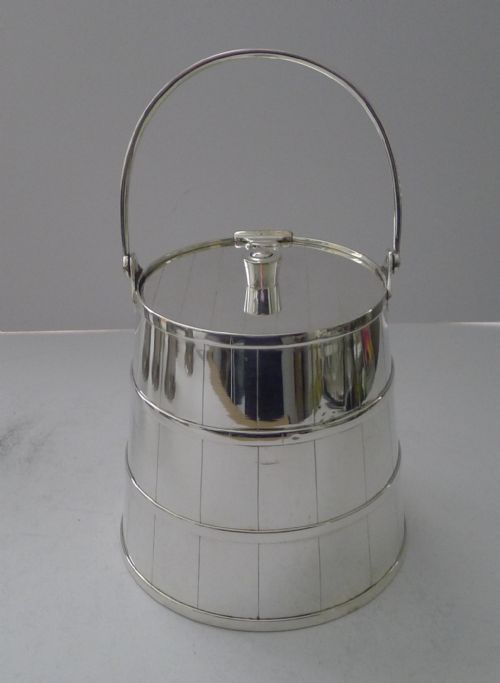
A vintage barrel bucket encompasses a wide range of coopered timber vessels and plated metal containers produced from the Victorian era through the early twentieth century. Buyers encounter forms ranging from oak umbrella stands and stick stands to silver-plated biscuit boxes and ice buckets.
The selection on this page demonstrates how domestic vessels crossed various household rooms, serving as wine coolers, coal hods, and jardiniere planters. English country and Scandinavian styles predominate among the timber pieces, while metal mountings provide a formal finish.
Materials and construction
Construction relies on traditional cooperage techniques, where individual wooden staves of oak, mahogany, or pine are shaped and held together by metal bands. These bands are typically formed from brass, copper, or iron, driven tightly around the timber body to create a stable container.
Metal vessels and mounts utilise silver plating or electroplated nickel silver over a base metal, frequently paired with ceramic liners or frosted crystal inserts. Handles, claws, and rims are cast or stamped, then secured to the wooden staves with visible screws or rivets.
Vintage Barrel Bucket Retail Price Guide 2026
Typical asking prices for vintage barrel bucket among the pieces listed under this phrase on Sellingantiques today, from the lower quarter to the upper quarter. They describe what is for sale here now, not the wider market.
Several biscuit barrels double as ice buckets, proving that Victorians kept their priorities refreshingly flexible.
Factors influencing quality
Quality rests upon the tightness of the coopered construction and the retention of original internal elements, such as ceramic creamware liners or crystal inserts. Vessels that maintain their structural integrity without excessive shrinkage between the staves demonstrate superior craftsmanship.
The choice of secondary materials, including heavy brass mounts or substantial silver-plated fittings rather than thin base metals, separates standard utilitarian items from finer parlor pieces.
The Vintage Barrel Bucket Glossary
- Coopered
- Constructed from wooden staves bound together with hoops of metal or wood. This method provides the curved profile characteristic of traditional barrels and buckets.
- EPNS
- Electroplated nickel silver, a common base metal method used for silver coating items during the Victorian and Edwardian periods. It offers a durable foundation for plated decorative wares.
- Jardiniere
- An ornamental pot or stand designed to hold growing plants or flowers. These vessels often mirror barrel forms in oak and copper.
- Hod
- A portable trough or container traditionally used for carrying coal or brick. In domestic interiors, they function as fireside storage buckets.
Vintage Barrel Bucket: Frequently Asked Questions
What were vintage barrel buckets used for?
These vessels served various domestic tasks, from holding coal by the fireplace to chilling champagne at the dining table. Many were also manufactured to store biscuits or function as umbrella stands in hallways.
Over time, their domestic roles shifted, leading to widespread adaptation as decorative planters or general storage containers in modern interiors.
How do I clean an oak and brass bucket?
Maintenance requires dry dusting the timber staves and occasionally treating the wood with a suitable wax to preserve the finish. Brass and copper bands benefit from gentle cleaning to remove tarnish without stripping the aged patina.
Harsh chemical polishes should be kept away from the timber surface to avoid staining the wood or damaging the surrounding metal mounts.
How can I tell a Victorian barrel from an Edwardian one?
Victorian examples often feature heavier proportions, robust brass fittings, and darker oak or mahogany timber. Edwardian and later pieces occasionally display lighter woods, sleeker silver-plated mounts, or influences from Art Deco design.
Examining the construction methods, such as the type of fixings and the style of the metal handles, helps distinguish the manufacturing decade.
Can these buckets hold water for plants?
Coopered timber vessels naturally allow wood to expand when exposed to moisture, but antique pieces may lack watertight seals due to age. Many examples intended for plants or ice include original ceramic or metal liners to protect the wood.
Checking for an internal liner ensures the vessel can safely contain moisture without damaging the underlying wooden staves.