


Vintage Bar Brooch
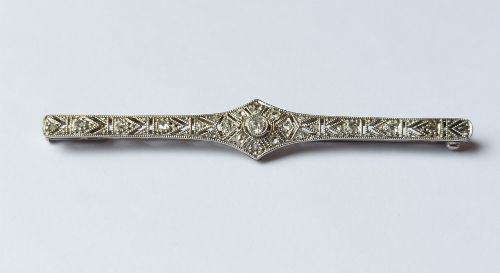
A vintage bar brooch brings a slender touch of period metalwork to a lapel, offering everything from Edwardian diamonds to geometric Art Deco platinum.
Vintage Bar Brooch
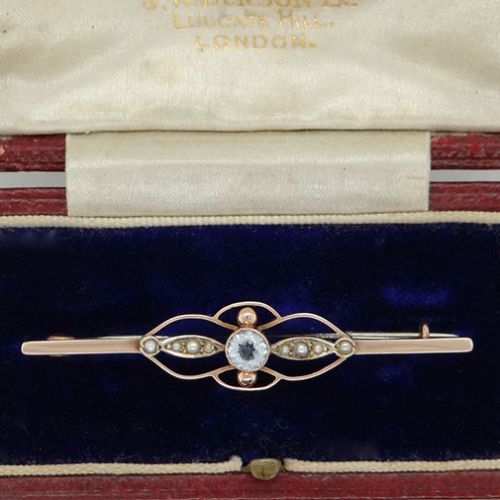
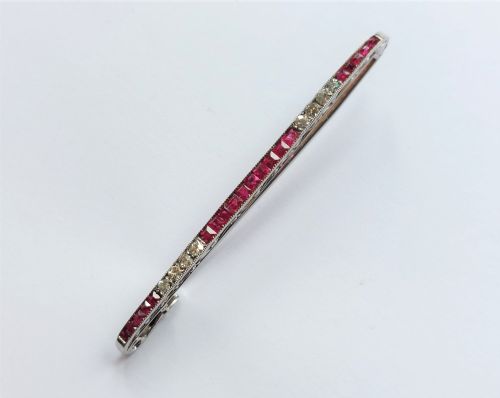
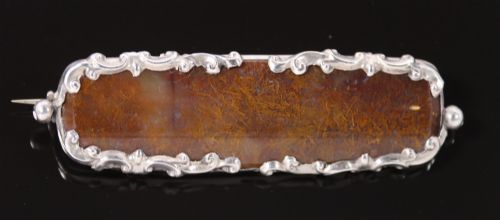
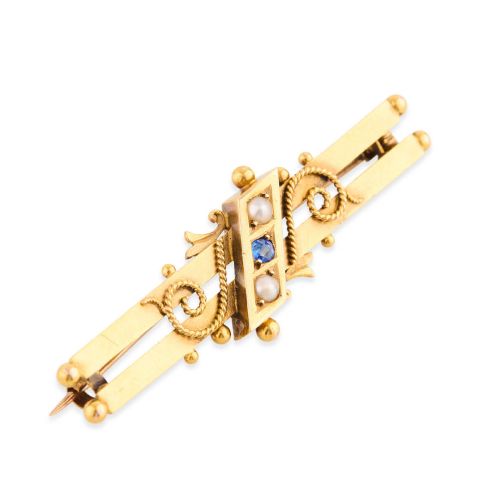
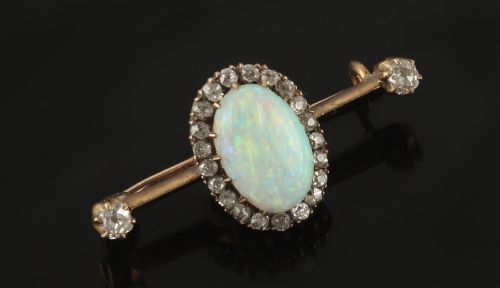
A vintage bar brooch presents a long, narrow format designed to span a lapel, collar, or scarf with balanced proportion. Pieces in this selection range from Georgian moss agate and Victorian gold clusters to sleek 1920s geometric platinum designs.
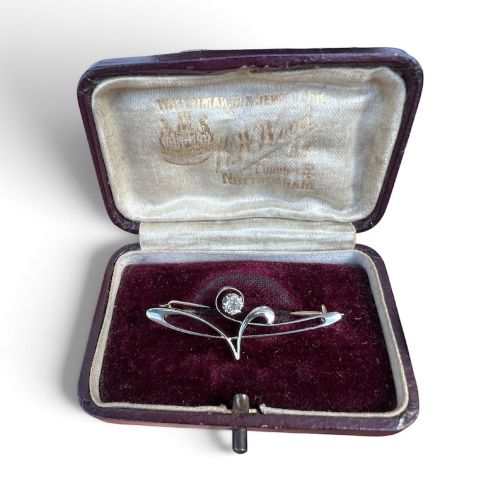
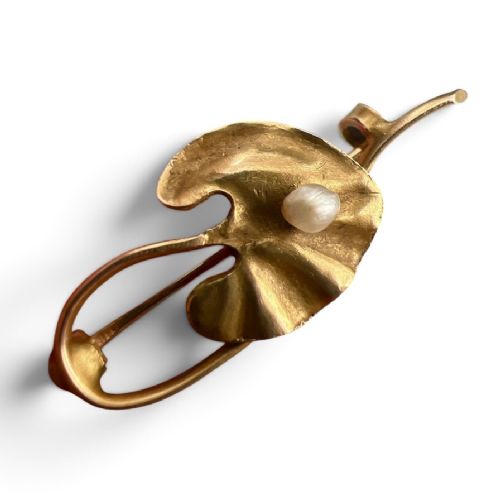
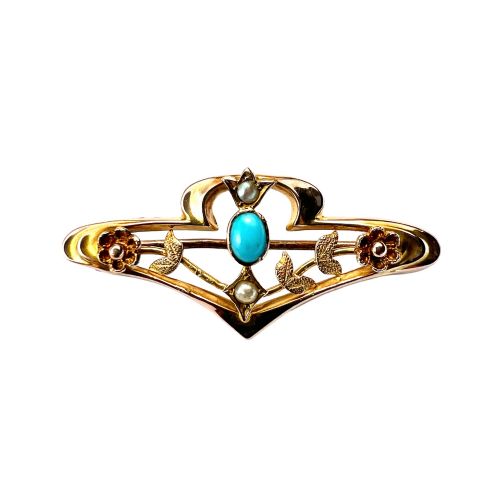
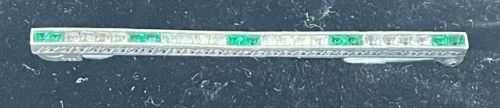
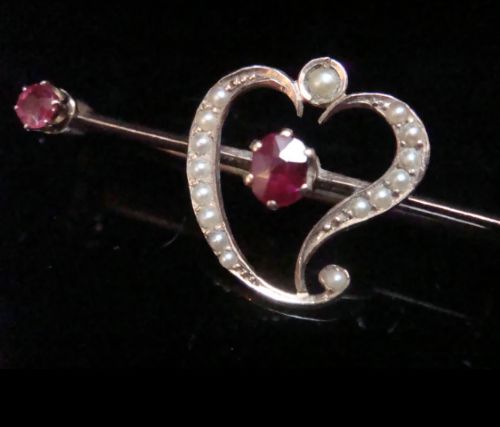
The form adapts to many prevailing aesthetics of the past two centuries. Collectors encounter delicate Edwardian floral motifs, robust Arts and Crafts silver work, and crisp Art Deco lines set with diamonds and rubies.
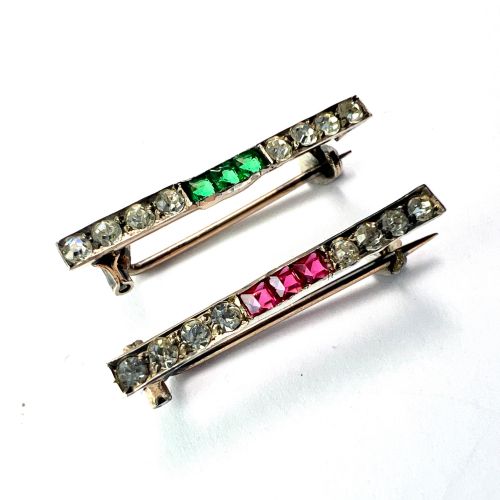
Makers utilised various metals and gemstone combinations to create these slender pins. Examples often feature a single central stone or a graduated row of gems mounted across a precious metal shaft.
Materials and construction
Goldsmiths shaped these pieces from yellow, rose, and white gold in varying purities alongside platinum and silver. Many Victorian and Edwardian examples combine gold backs with silver settings on the face to maximise the brilliance of diamonds.
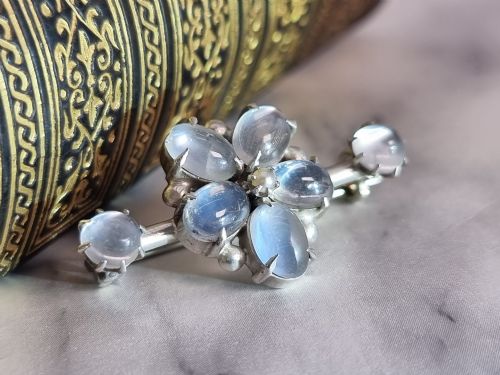
Mounts incorporate precious stones including diamonds, sapphires, rubies, and opals, interspersed with pearls and paste. Artisans secured these elements using traditional claw settings, grain settings, and bezel wraps suited to the slender geometry.
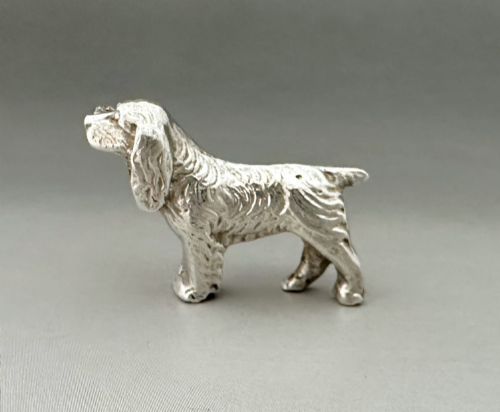
Motifs span naturalistic themes including spaniels, swallows, and crescent moons alongside geometric Art Deco bar configurations.
Assessing quality in construction
Superior execution shows in the crispness of the metalwork and the secure seating of each gemstone. Master jewellers ensured that pins maintained structural rigidity across their length without bending under normal wear.
The refinement of the hinge and safety clasp mechanism often indicates the standard of the piece. Better examples display careful integration of the pin stem and catch, preserving the clean lines of the bar.
Georg Jensen·Arno Malinowski
The Vintage Bar Brooch Glossary
- Bar brooch
- A decorative pin featuring a narrow, elongated horizontal axis. This shape remained popular across the Victorian, Edwardian, and Art Deco periods.
- Old cut diamond
- A hand-faceted diamond cut before the modern brilliant standard developed. These stones display smaller tables and high crowns that catch candlelight effectively.
- Paste
- Hand-cut and polished lead glass used as a gemstone simulant. High-quality paste was valued in antique jewellery for its own decorative merit rather than as a mere imitation.
- Assay
- The official testing of precious metal purity. Marks stamped by an assay office indicate the legal standard of the gold or silver used in the piece.
- Double bar brooch
- A design utilising two parallel metal shafts connected by cross-struts or gemstones. This configuration added width and structural presence to the ornament.
Vintage Bar Brooch: Frequently Asked Questions
How do I wear a vintage bar brooch safely?
Fasten the pin through a sturdy fabric weave such as wool, tweed, or heavy cotton to support the weight of the metal and gemstones. Avoid delicate silks where the pin might leave a permanent hole.
Ensure the safety clasp or rolling catch is fully engaged before stepping out. For extra security on valuable pieces, slide a small silicone stopper onto the pin point behind the garment.
Were these brooches used differently in the past?
Victorian and Edwardian wearers pinned them high at the throat, fastening lace collars or securing cravats and silk ribbons. They also gathered heavy winter shawls and anchored decorative stoles.
By the Art Deco era, the placement shifted toward lower jacket lapels, dress shoulders, and felt hats. They frequently secured folded pocket squares or served as ornamental clasps on evening cardigans.
How do I distinguish Edwardian from Art Deco pieces?
Edwardian items favour platinum-topped gold, garlands, scrolling filigree, and soft pastel gemstones like pearls, peridots, and aquamarines. The overall impression is light, feminine, and organic.
Art Deco design introduces rigid symmetry, stark geometry, and bold contrasts using platinum, diamonds, rubies, and emeralds. The lines become straight, architectural, and streamlined.