



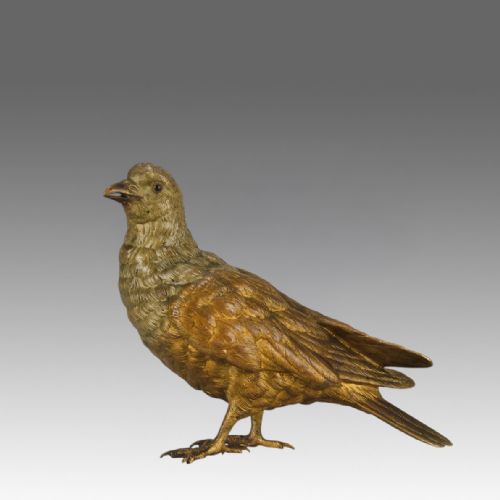
Vintage Austrian Bronze
Vintage austrian bronze brings sculptural mastery to your desk through intricate casting and detailed hand finishing.
Vintage Austrian Bronze
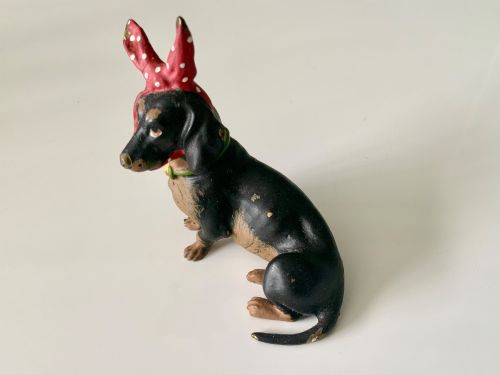
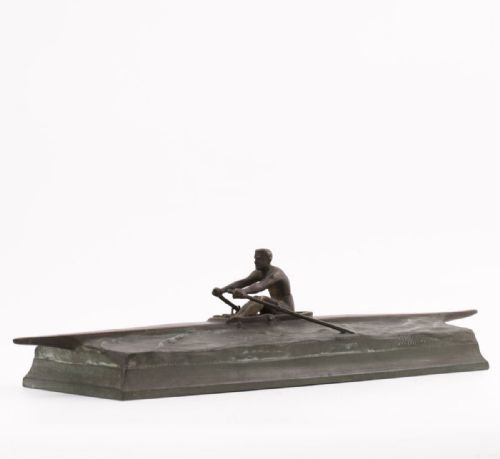
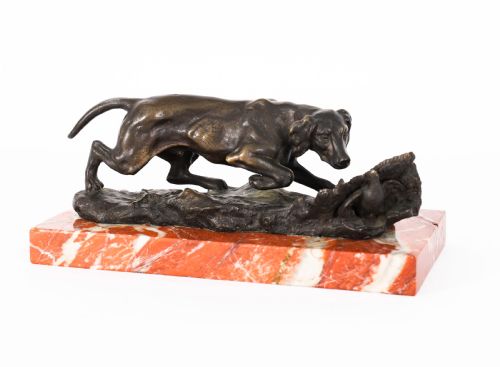
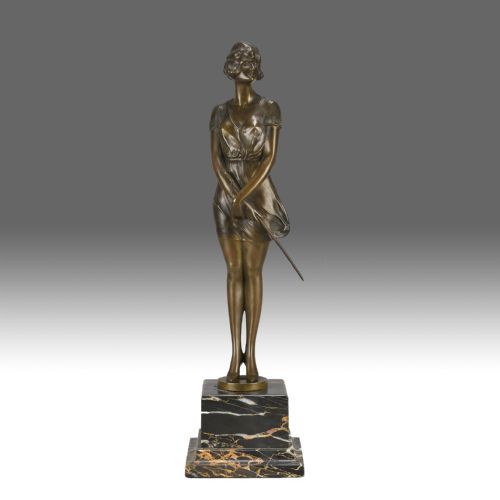
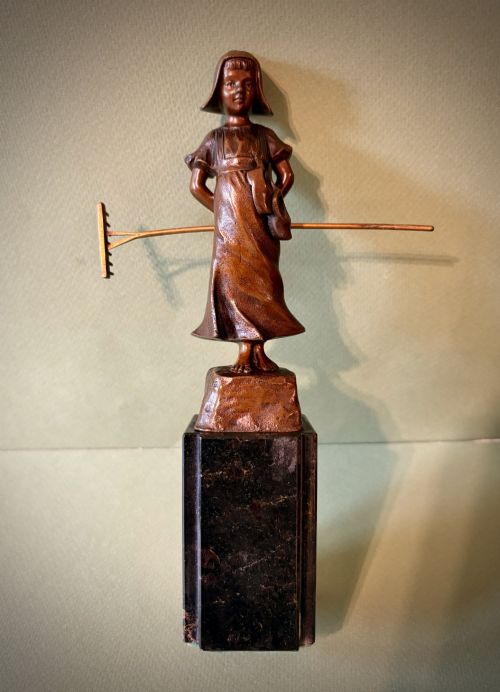
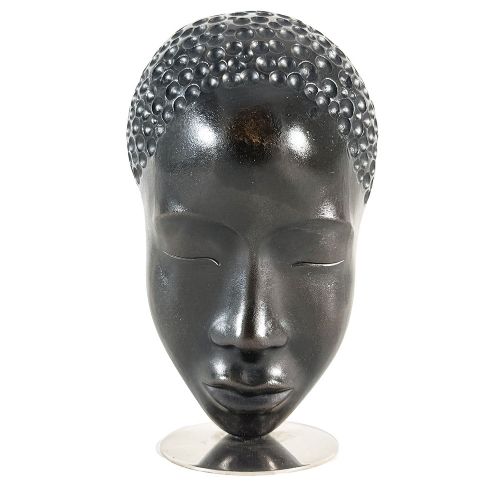
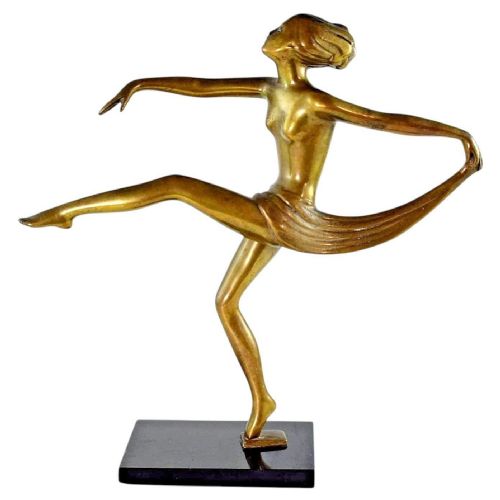
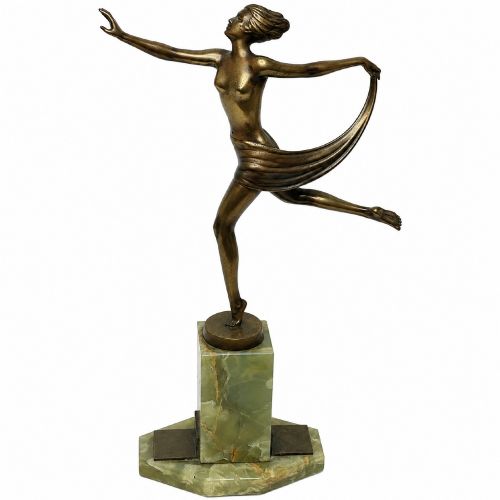
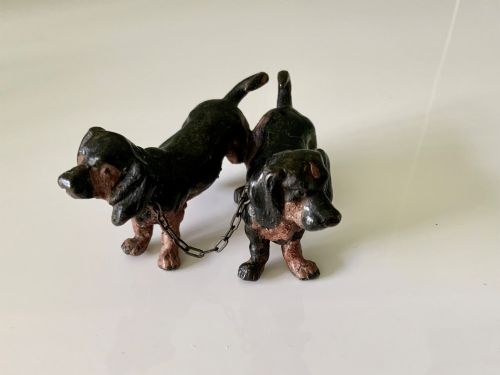
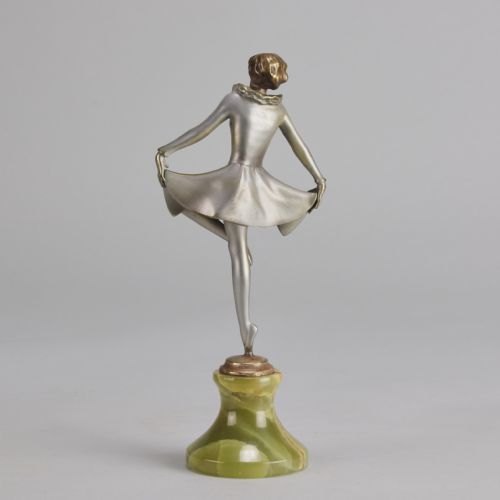
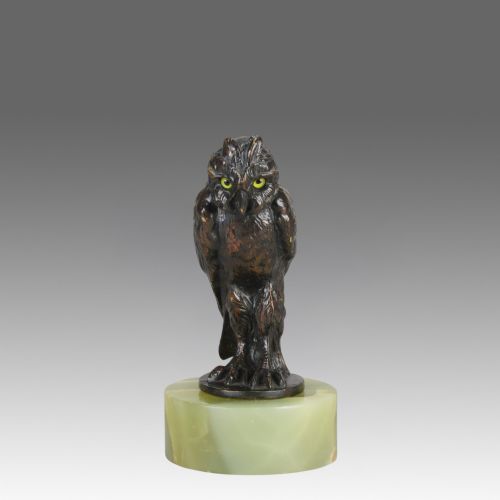
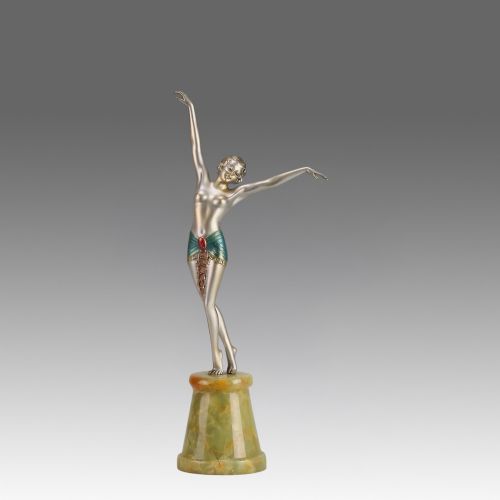
Vintage austrian bronze encompasses animal figures, human statuettes, and desk accessories created across the nineteenth and twentieth centuries. These pieces range from naturalistic animalier studies of dogs and birds to stylised Art Deco dancers and Orientalist figures.
Buyers most commonly encounter cold-painted bronze statuettes mounted on natural stone bases or formed as functional objects like inkwells and desk tidies. The origins trace directly to workshops in Vienna operating from the Victorian era into the Art Deco period.
How They Were Made
The foundation of these objects is cast bronze or metal, shaped through traditional foundry methods before receiving meticulous surface treatment. Many examples utilise cold painting, a technique where multi-layered pigments are applied to the metal surface without subsequent heat firing.
Selected pieces combine the cast metal figures with polished mineral plinths, mounting the bronze onto green onyx or marble bases. Details are hand-chased into the metal prior to painting, ensuring crisp feather textures, animal coats, and facial expressions.
Vintage Austrian Bronze Retail Price Guide 2026
Typical asking prices for vintage austrian bronze among the pieces listed under this phrase on Sellingantiques today, from the lower quarter to the upper quarter. They describe what is for sale here now, not the wider market.
Listings feature periods spanning from the Victorian nineteenth century through Art Nouveau and Art Deco movements.
What Varies in Quality
Quality rests upon the crispness of the original metal casting and the preservation of the applied polychrome pigments. Finer examples exhibit deep chiseling that defines musculature, feathers, and clothing folds before any paint touches the surface.
The nuance of the cold-painted palette separates standard production from master works, alongside the weight and quality of associated marble or onyx bases. Signatures, foundry marks, and stamped registration numbers further elevate the standing of a piece.
Franz Bergman·Josef Lorenzl·Carl Kauba·Bruno Zach·Friedrich Goldscheider·Hagenauer
The Vintage Austrian Bronze Glossary
- Cold-painted bronze
- A metal sculpture finished with un-fired paint applied in successive layers. This technique requires meticulous brushwork to achieve realistic animal plumage and human attire.
- Animalier
- A nineteenth-century artistic genre focused on the realistic depiction of animals. Sculptors in this tradition studied anatomy closely to capture creatures in natural postures.
- Geschützt
- A German term meaning protected or patented, frequently stamped on Austrian bronzes. It indicates that the design was legally registered by the maker or foundry.
- Vienna Bronze
- Small-scale bronze figures produced by Viennese foundries, renowned for humour, realism, and vibrant polychrome decoration. These works were exported globally during the late nineteenth and early twentieth centuries.
Vintage Austrian Bronze: Frequently Asked Questions
What is cold painted bronze?
Cold painted bronze refers to metal sculptures finished with oil or water-based paints applied directly to the cold metal rather than fired in a kiln. This method allowed artisans to achieve vivid, lifelike colours on animal and human figures.
The technique creates a distinct matte finish that requires careful handling to preserve the original pigment layers over generations.
How do I identify a Viennese bronze?
Viennese bronzes are typically identified by their small scale, detailed surface chasing, and realistic or whimsical subject matter. Many pieces carry foundry marks, artist signatures, or registration stamps such as Geschützt.
The combination of intricate bronze casting and delicate multi-coloured paintwork points directly to the workshops operating in Vienna during the late nineteenth and early twentieth centuries.
Were these figures used as desk accessories?
Many Austrian bronzes served a dual purpose as decorative sculptures and functional desk accessories. Foundries produced inkwells, stamp boxes, and desk tidies incorporating animal and human figures.
These utilitarian pieces brought miniature art into daily administrative life, combining practicality with high artistic execution.
How should I clean my bronze?
Cleaning cold-painted bronze requires extreme caution to avoid removing the fragile surface pigments. Dusting gently with a soft, dry brush is generally sufficient for maintenance.
Moisture and harsh cleaning agents must be strictly avoided, as water or solvents will dissolve the historical cold paint layers.